The most common seeds in bird feed are black-oil sunflower seed, white proso millet, safflower, nyjer (thistle), and milo (sorghum). Most commercial mixes lean heavily on sunflower because it attracts the widest variety of backyard birds in North America. All About Birds notes that sunflower seed, including black-oil sunflower, attracts the widest variety of backyard birds in North America and is a mainstay for most backyard feeders blank" rel="noopener noreferrer">Sunflower (including black-oil sunflower) attracts the widest variety of backyard birds in North America. Audubon’s feeder and seed guide notes that blank" rel="noopener noreferrer">sunflower seed is eaten by the greatest variety of birds. Knowing what each seed is, which birds it pulls in, and how to keep it fresh is the difference between a feeder that works and one that breeds mold, pests, and sick birds. Wild bird seed can be a mix of several seeds, including sunflower, millet, and other options depending on the brand and region what seeds are in wild bird seed.
Common Seeds in Bird Feed: Identify, Store, and Prevent Problems
The most common seeds in bird feed (and why they're used)
Walk into any hardware or garden store and you'll find the same handful of seeds in nearly every bag. That's not accidental. These seeds have earned their place because birds reliably eat them and they're relatively affordable to produce at scale.
Black-oil sunflower seed
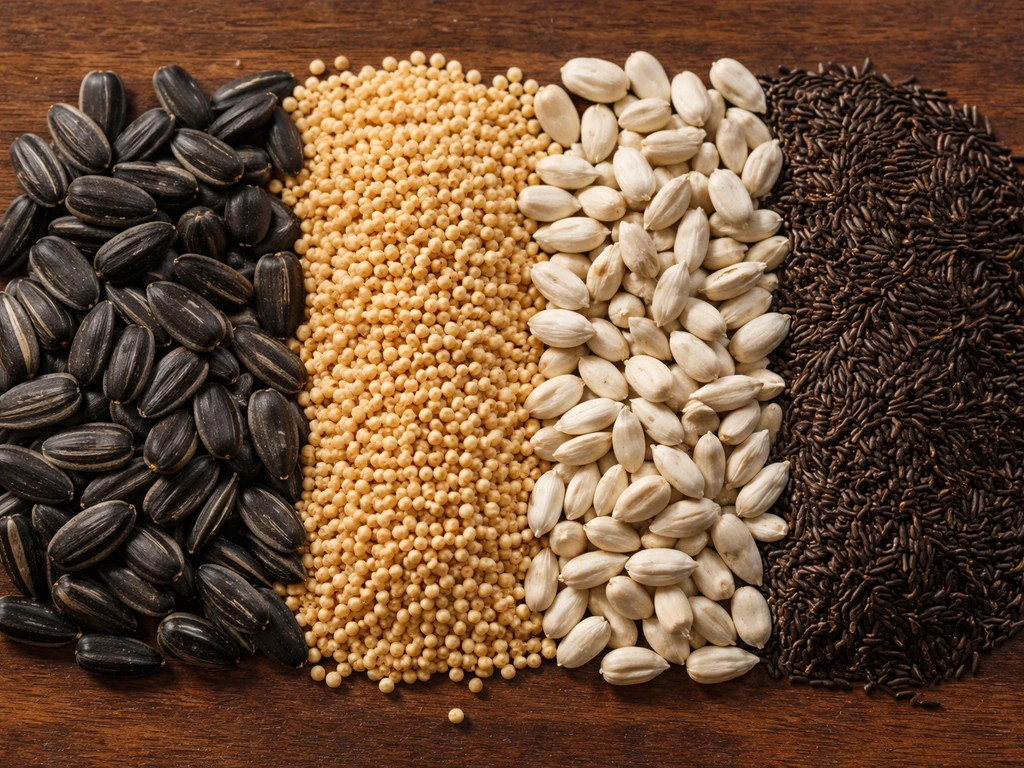
This is the single most offered seed at feeders across North America, and for good reason. The shell is thin enough for small birds to crack, and the kernel inside is high in fat and calories. If you only stock one seed, this is it. You'll recognize it by its solid black, narrow shell, about the size of a large watermelon seed.
Striped sunflower seed
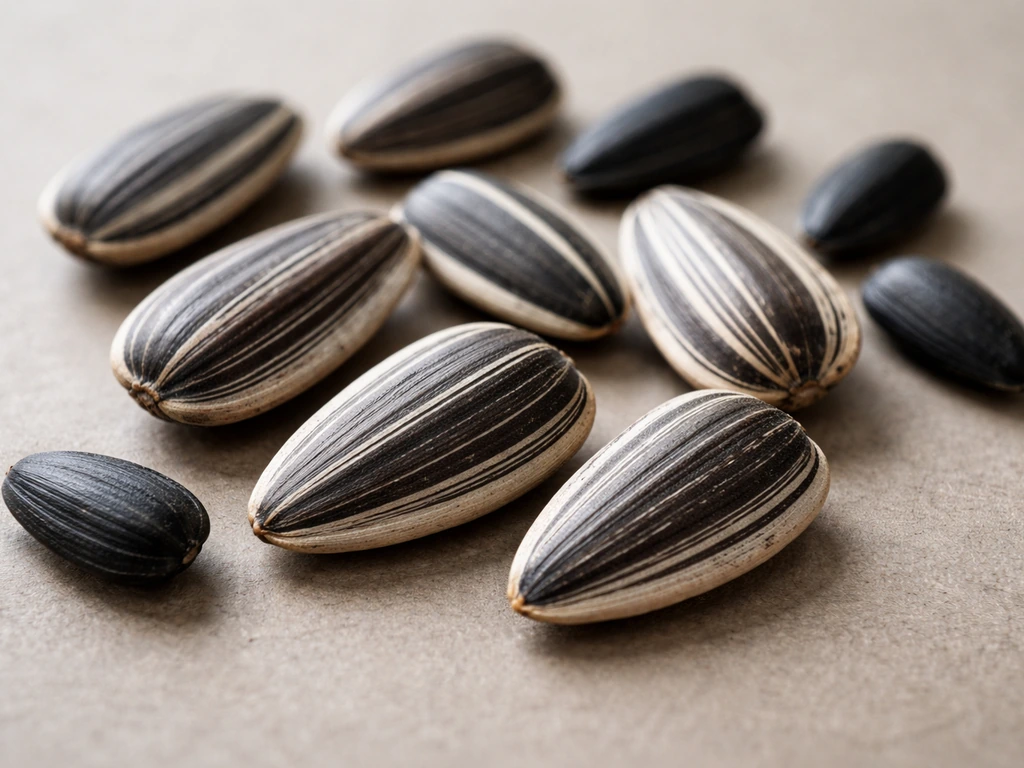
Larger and striped black-and-white, striped sunflower has a tougher shell. Fewer small birds can crack it, which makes it useful if you want to reduce visits from house sparrows. The kernel is still high in fat and very attractive to larger birds like cardinals, grosbeaks, and blue jays.
White proso millet
Millet is the small, round, cream-colored seed you'll see coating the bottom of most mixed bags. Ground-feeding birds love it: juncos, towhees, native sparrows, and doves. The catch is that it also draws house sparrows and European starlings in large numbers. If you're already managing those species at your feeders, millet can make things worse. Cornell Lab notes that in those situations, switching to straight black-oil sunflower often attracts the same desirable birds without the unwanted ones.
Safflower
Safflower is a white, slightly pointed seed with a thick shell and a mildly bitter taste. Cardinals love it, and it's a solid choice if squirrels are a problem because most squirrels don't find it appealing (though they'll eat it if hungry enough). House sparrows and starlings also tend to ignore it, which makes safflower a useful specialty seed for targeted feeding.
Nyjer (thistle)
Nyjer is tiny, black, and oily, and it's the seed of choice for goldfinches, siskins, and redpolls. It requires a special feeder with small ports to dispense correctly. Nyjer goes stale faster than most other seeds, and goldfinches will abandon a feeder that has old nyjer in it almost immediately. Freshness matters more with nyjer than with any other common seed.
Milo (sorghum)
Milo is the round, reddish-brown seed that fills out cheap mixed bags. Most Eastern North American birds ignore it, and it often ends up on the ground uneaten. In Cornell Lab preference tests, though, Western species like Steller's Jays and Curve-billed Thrashers actually preferred milo over sunflower. So its usefulness is genuinely regional. If you're in the West and Southwest, milo earns its place. If you're east of the Rockies, it mostly clutters your mix.
Other ingredients you'll find in mixes
Depending on the brand, you may also see peanut pieces, cracked corn, dried fruit, or canary grass seed. Some specialty mixes include sterilized hemp seed, which is legal and nutritious but worth knowing about if the seed in your bag looks unfamiliar. If you are wondering what bird seed contains hemp, this is one example you may spot on the ingredients list sterilized hemp seed. The ingredients list on the bag is your best reference for what's actually inside. If you're wondering what's in a typical bag of bird seed, start with the main seed types and then check the ingredient list for fillers and extras what's in bird seed. If you are wondering what you put in this bird seed, the most important clues are the ingredients list on the bag and whether it was stored dry and sealed.
Which birds (and other wildlife) each seed attracts
| Seed | Target Birds | Likely Non-Target Visitors |
|---|---|---|
| Black-oil sunflower | Chickadees, nuthatches, finches, cardinals, woodpeckers, jays | Squirrels, chipmunks, deer |
| White proso millet | Juncos, native sparrows, towhees, doves | House sparrows, starlings, rats |
| Safflower | Cardinals, chickadees, doves | Few (squirrels mostly avoid it) |
| Nyjer | Goldfinches, siskins, redpolls | Few (small ports limit access) |
| Milo | Western jays, thrashers, doves (West only) | Pigeons, rats, deer in some areas |
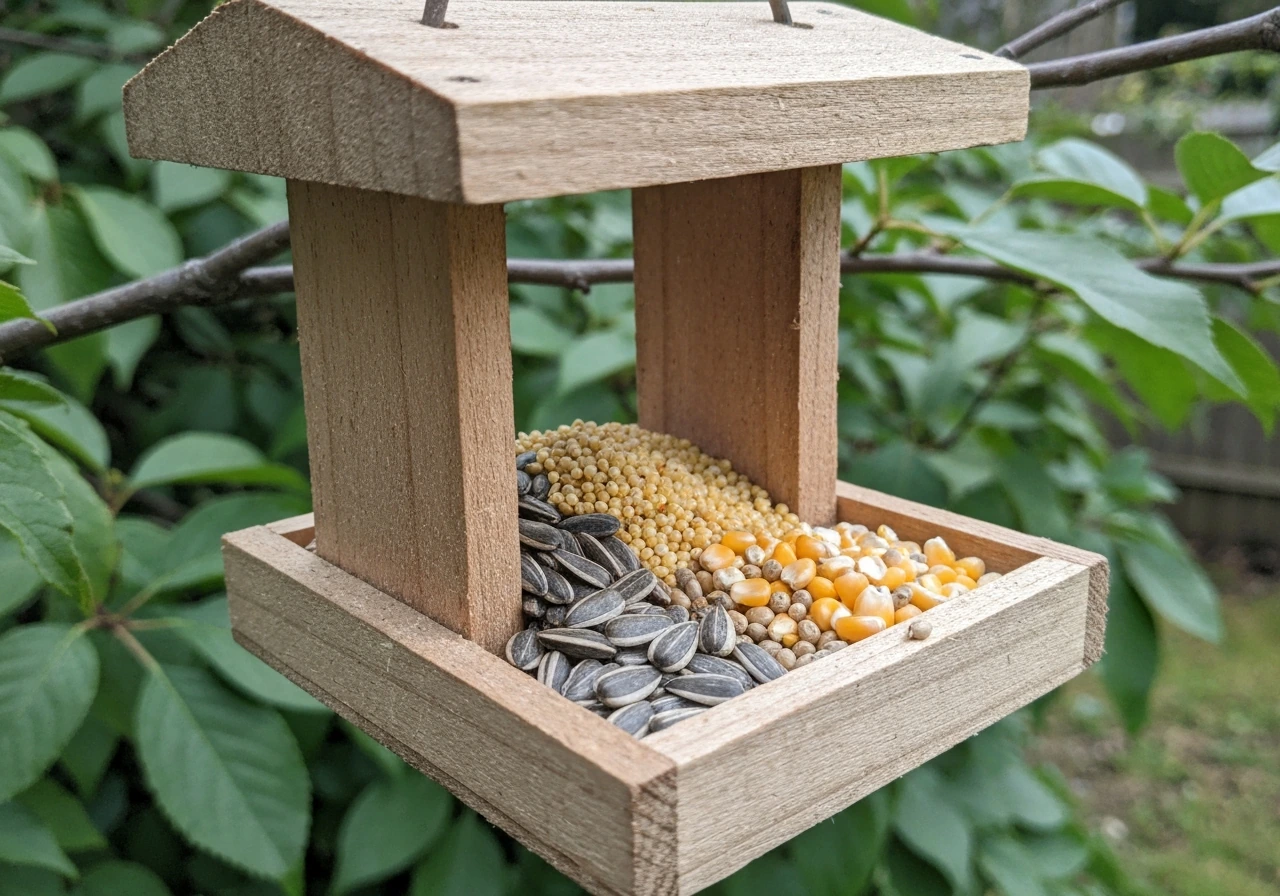
| Cracked corn | Jays, doves, waterfowl | Squirrels, rats, deer, raccoons |
| Peanut pieces | Jays, woodpeckers, nuthatches, titmice | Squirrels, chipmunks, raccoons |
Non-target wildlife is something to plan for, not just react to. If you're filling a large open tray with millet and cracked corn, expect deer, rats, and raccoons. Tube feeders with sunflower or nyjer are naturally harder for mammals to raid. Matching seed to feeder style cuts down on pest problems before they start.
How to tell if seed is fresh, stale, or compromised
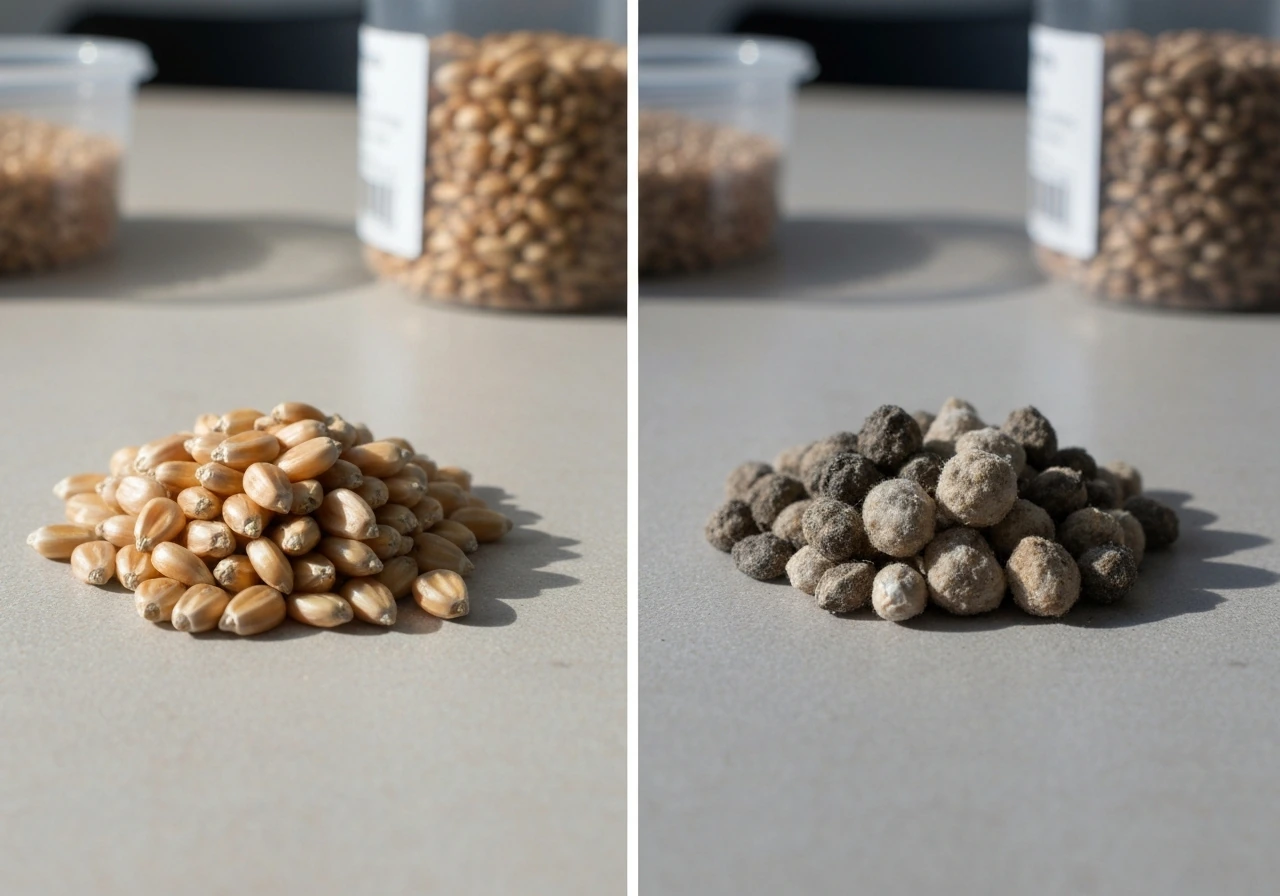
Bird seed doesn't announce when it's gone bad, but it gives clear signals if you know what to look for. If you are dealing with a situation like a bird seed gif mishap or uncertainty about what got into the feeder, the freshness checks in this section help you decide whether the seed is still safe to use. Checking before you fill the feeder takes about 30 seconds and can prevent a lot of problems.
Signs the seed is still good
- Smells neutral to mildly nutty, not sour or musty
- Seeds feel dry and firm, not clumped or sticky
- No visible white, gray, or green fuzz on any seeds
- No tiny insects, webbing, or insect casings in the bag or bin
- Shell color is consistent, not faded or bleached-looking
Red flags to watch for
- Musty, sour, or rancid smell: the fats in sunflower and nyjer oxidize over time and the smell is unmistakable
- Clumping or stickiness: moisture has gotten in and mold is likely following
- Visible mold: fuzzy patches in any color, most often white or gray on sunflower, green on corn
- Small insects or webbing: Indian meal moths, grain beetles, and weevils all infest stored seed
- Tiny holes in seed shells: a classic sign of weevil activity
- Sprouting: seeds that have germinated inside the bag or feeder have been wet long enough to support growth, meaning bacteria and mold are present too
If you spot any of these, don't top off the feeder. Pull the seed out entirely, clean the feeder, and start fresh. Mixing new seed into compromised seed just contaminates the new batch.
Safe storage and shelf life
Most quality bird seed stored correctly will stay fresh for six to twelve months. Nyjer is the exception: it goes stale in about four to six weeks once opened, and even sealed bags have a shorter window because of its high oil content. Cracked corn is also shorter-lived than whole seeds, typically three to six months before the oils go rancid.
Container and location
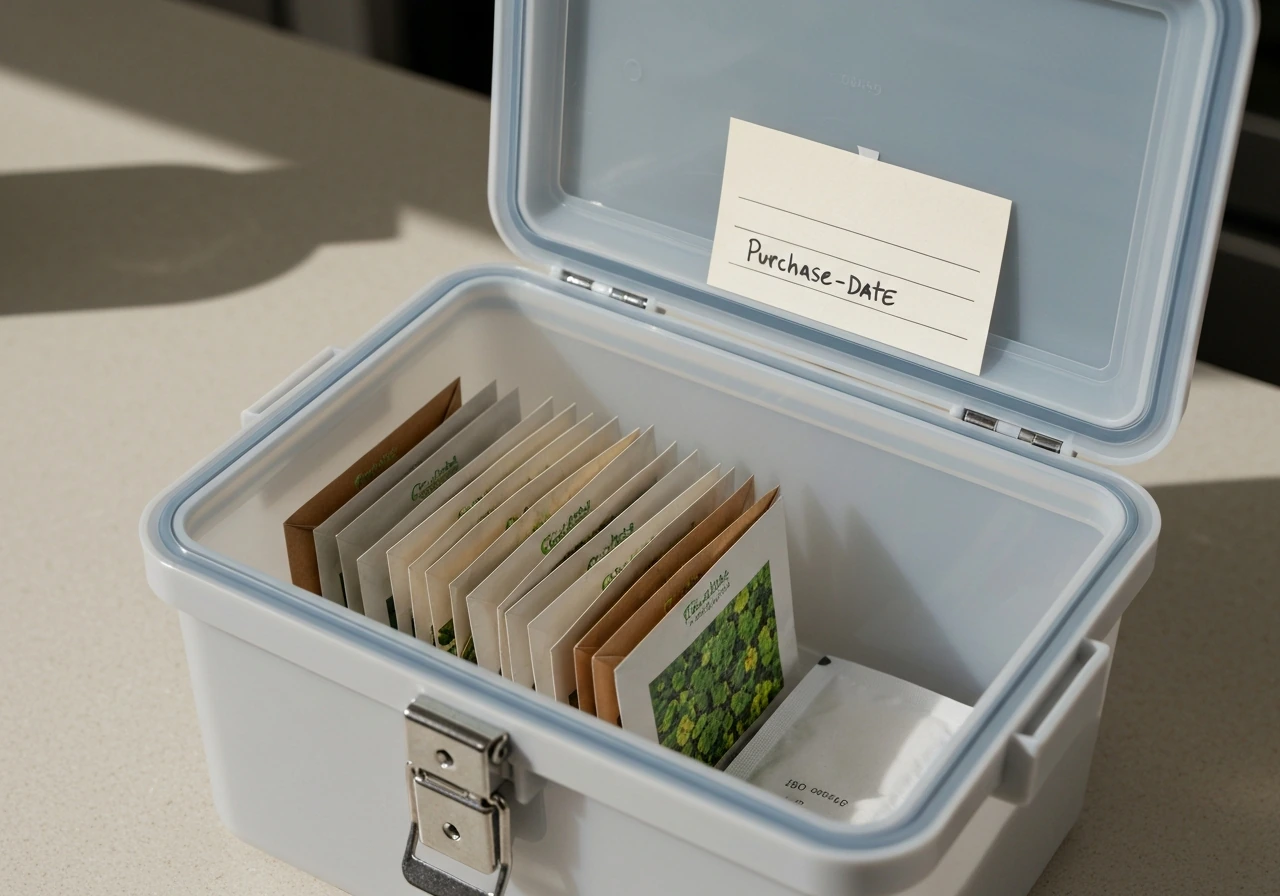
Use a hard-sided, airtight container. Metal trash cans with locking lids or food-grade plastic bins with gasket seals both work well. Avoid the original paper or thin plastic bags for anything beyond a week or two. Cardboard and thin plastic let moisture in and give rodents easy access. Store the container off the ground, in a cool, dry location, ideally below 70°F (21°C). A garage, shed, or cool basement is fine. Avoid storing seed in a hot car trunk or unventilated outdoor shed in summer.
Humidity control
Moisture is the primary enemy of stored seed. If you live in a humid climate or store seed in a damp basement, place a small desiccant packet inside the storage container. Silica gel packs (the kind sold for tool storage or gun safes) work well. Replace them every few months or when they change color to indicate saturation. Never add wet or damp hands to the seed bin.
Can you freeze bird seed?
Yes, and it works well for extending shelf life. Portion the seed into freezer bags, remove as much air as possible, and freeze. Thaw at room temperature before using, and let any condensation dry off before loading the feeder. Don't refreeze thawed seed. This approach works especially well for nyjer and for large bulk purchases of sunflower that you won't use within a few months.
Rotation
First in, first out. When you restock, move older seed to the front of the bin and put new seed behind it. Label bags with the purchase date using a permanent marker. Buying in large bulk quantities is only economical if you can use the seed before it degrades. For most backyard feeders, a 20 to 40 pound bag of sunflower used within two to three months is a better practical unit than a 50-pound bag that sits for six months.
Handling wet seed, sprouted seed, pests, and mold
Wet or rained-on seed in the feeder
- Empty the feeder completely. Don't try to dry just the wet portion and leave the rest.
- Spread the wet seed in a thin layer on a clean baking sheet and let it air dry in a warm, dry spot for 24 to 48 hours, or dry it in an oven at 170°F (77°C) for 30 minutes if you want to speed the process.
- Inspect the dried seed carefully before returning it to the feeder. Discard any that smells off or shows mold.
- Clean and dry the feeder before refilling.
- If the seed was wet for more than 24 hours, discard it. Mold and bacterial growth happen fast in warm, wet conditions.
Sprouted seed
Sprouted seed has been wet long enough for germination to begin, which means it's also been wet long enough for mold, bacteria, and fermentation. Discard sprouted seed rather than trying to salvage it. The germination itself isn't toxic, but the conditions that caused it almost certainly introduced pathogens. If you're finding sprouted seed on the ground under your feeder regularly, that's a sign birds are scattering uneaten seed that's then getting rained on. Consider a tray with drainage holes to catch fallen seed, or reduce fill quantities.
Insect infestations in stored seed
- Remove and seal all seed from the infested container immediately.
- Discard seed that shows webbing, live insects, larvae, or insect casings. If only part of a bag is affected, err on the side of discarding the whole bag: insect eggs are too small to see and will hatch in your feeder.
- Wash the storage container with hot soapy water, rinse thoroughly, and let it dry completely in sunlight if possible. UV light kills mold spores and some insect eggs.
- Inspect your storage area for entry points: gaps in walls, open vents, or cracks around doors and windows where moths and beetles enter.
- Store new seed in an airtight container immediately. Loose bags left open on a shelf are an open invitation.
- If Indian meal moths are present in your home (you'll see small, reddish-brown moths flying near the pantry or storage area), use pheromone traps to reduce the population while you address the source.
Mold prevention at the feeder
The feeder itself accumulates moisture, hulls, and droppings that feed mold growth even when your stored seed is fine. The practical fix is to never overfill feeders: put in only what birds will eat in two to three days. In wet or humid weather, cut that to one to two days. Position feeders under a baffle or roof overhang to reduce direct rain exposure. If you see mold forming inside a feeder, clean it before adding more seed.
Feeder and tray cleanup (including after an infestation)
Audubon recommends scrubbing and sanitizing feeders regularly to prevent mold growth, and this is one of the most consistently overlooked parts of backyard bird feeding. A feeder that hasn't been cleaned in months is a disease vector regardless of how fresh your seed is.
Routine cleaning schedule
- Tube and hopper feeders: clean every two to four weeks in dry weather, every one to two weeks in humid or rainy weather
- Platform and tray feeders: clean every one to two weeks, or any time you see hulls, droppings, or wet clumps accumulating
- Nyjer feeders: clean every two weeks; nyjer clogs ports with oily residue faster than other seeds
- Ground feeding areas: rake and remove old seed weekly
How to clean a feeder properly
- Empty all seed into the trash (don't put compromised seed back into storage).
- Disassemble the feeder as much as it allows.
- Soak in a solution of one part white vinegar to nine parts hot water, or use a diluted bleach solution (one tablespoon of unscented bleach per gallon of water) for a deeper sanitization after mold or illness concerns.
- Scrub all surfaces with a stiff brush, paying attention to seed ports, perches, and the base where moisture collects.
- Rinse thoroughly with clean water until no soap or bleach smell remains.
- Let the feeder dry completely in the air and sun before refilling. A wet feeder will dampen fresh seed immediately.
After a rodent or heavy insect infestation
If rats or mice have been accessing your seed storage or feeding area, clean up goes beyond the feeder. Rodent droppings and urine can carry pathogens harmful to birds and humans. Wear gloves and a dust mask when cleaning the area. Discard all contaminated seed without shaking it (shaking aerosolizes particles). Wipe down surfaces with the bleach solution above, let dry, and then re-evaluate where and how you store seed to close off rodent access before restocking.
Safe seed disposal
Contaminated or moldy seed should go into a sealed bag in the trash, not your compost bin. Composting moldy seed can spread fungal spores, and leaving it loose outdoors just relocates the pest problem. If seed has only gone stale but isn't moldy or infested, you can scatter small amounts in a wooded area away from structures where wildlife can pick through it safely.
Preventing re-infestation
- Switch to a feeder style with drainage holes in the base so water doesn't pool
- Use a catch tray under tube feeders to intercept fallen seed before it reaches the ground and attracts rats
- Install a squirrel baffle above and below pole-mounted feeders to slow mammal access
- Don't leave open bags or unsealed bins in the storage area: even a few hours is enough for moths to lay eggs
- Check feeders after every rainstorm for clumped or wet seed
- Keep the area under feeders raked and clear of accumulated hulls, which are a prime habitat for insects and mold
Managing common bird seed well isn't complicated, but it is consistent. The feeders that cause problems are almost always the ones that get filled and forgotten. A quick check every two to three days, a proper cleaning every few weeks, and dry airtight storage will keep your seed fresh, your birds healthy, and pests from setting up a permanent address in your yard.
FAQ
How can I tell if the bag of common seeds in bird feed has the wrong seed or additives before I start feeding?
If you cannot identify what seed is in a new bag, treat it like “unknown.” Check the ingredients list for fats and additives, look for visible mold (fuzzy patches, clumps, or sour smell), and start with a small amount in a feeder type that limits mess (tube or small-port for oilier seeds). This reduces the risk of wasting seed or feeding the wrong mix to your target birds.
Can I top off the feeder with fresh common seeds in bird feed if I notice something was off in the bin?
Yes, using part of a bag is fine only if the seed is dry and uncontaminated. If the bin smells off, has wet clumps, or shows insect activity, discard the seed and clean the feeder before adding anything new. Topping off is risky because it reintroduces moisture and microbes into the newer portion.
Do all common seeds in bird feed spoil at the same rate, even if they are the same seed type?
Not always. Even if the seeds are technically the “same type,” different forms change spoilage speed, for example cracked corn oils go rancid faster than whole seeds, and nyjer is sensitive to stale oil almost immediately after opening. If you buy in bulk, store different seed types separately so one problem batch does not shorten the life of everything else.
What’s the best way to freeze common seeds in bird feed without creating moisture or clumps?
For freezer storage, portioning helps. Freeze seed in amounts you will use within a few weeks, thaw at room temperature, and then wait for condensation to fully dry off before filling the feeder. If you keep opening and closing one large bag from the freezer, moisture cycles increase clumping and can create damp spots in the feeder.
What should I do if I find sprouted seeds under my feeder or in the seed tray?
If sprouted seed appears, remove it immediately and clean the feeder and the catch area (ground tray). Sprouting usually means the seed was rained on or stored with humidity, so the fix is to reduce the feeder fill window and improve storage sealing and dryness. Repeated sprouting under a feeder is a strong sign birds are scattering seed that then gets wet.
Which common seeds in bird feed tend to reduce house sparrows, starlings, or squirrels at the same time?
It depends on the goal. Plain sunflower (black-oil) can reduce sparrow and starling pressure compared with millet-heavy blends, while safflower often helps when squirrels are the main problem. If you see a lot of ground activity from mammals, switch to feeder styles that make access harder (tube feeders for oilier seeds) rather than only changing seed.
Can I save moldy or infested common seeds in bird feed by drying or baking them?
Not safely. Stale seed can be tolerated by some birds, but moldy or insect-infested seed should not be used because you cannot reliably “dry it out” at the feeder. If you detect mold, discard it in a sealed trash bag, and sanitize the feeder before refilling.
How do I prevent mold in feeders when I live in a humid climate?
Start by identifying your feeder type and how birds access it. If you use a hopper or tray that collects spilled seed, switch to a version with drainage or a shorter fill routine, because fallen seed on the ground becomes wet and mold-prone. In humid weather, shorter refill intervals (one to two days) often matter more than changing to an entirely new seed.
If rats or mice got into my seed storage, can I still use the remaining common seeds in bird feed?
Yes, but only after you address the source of contamination. If rodents have accessed the storage area, do not simply transfer the seed. Wear gloves and a dust mask, discard contaminated seed without shaking, sanitize surfaces, and then store seed in a container that rodents cannot reach. Otherwise the same access will keep restarting the problem.
How do I know when nyjer is too stale to keep feeding?
The safest rule is to stop using nyjer if it smells “off” or if birds abandon the feeder quickly after opening. Because nyjer’s oil goes stale faster, rotate it more aggressively and clean the feeder more often than you would for sunflower. If you are unsure, test with a small amount rather than filling the feeder fully.
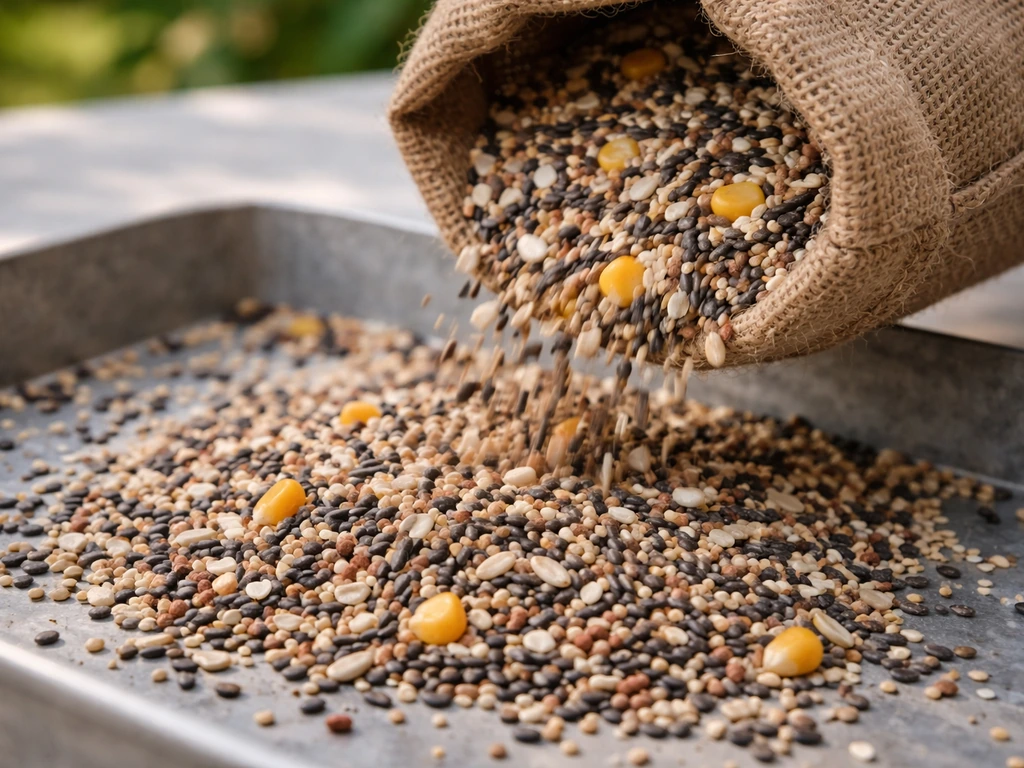
Learn common wild bird seed ingredients and how to verify the exact mix, prevent mold pests, and attract backyard birds.
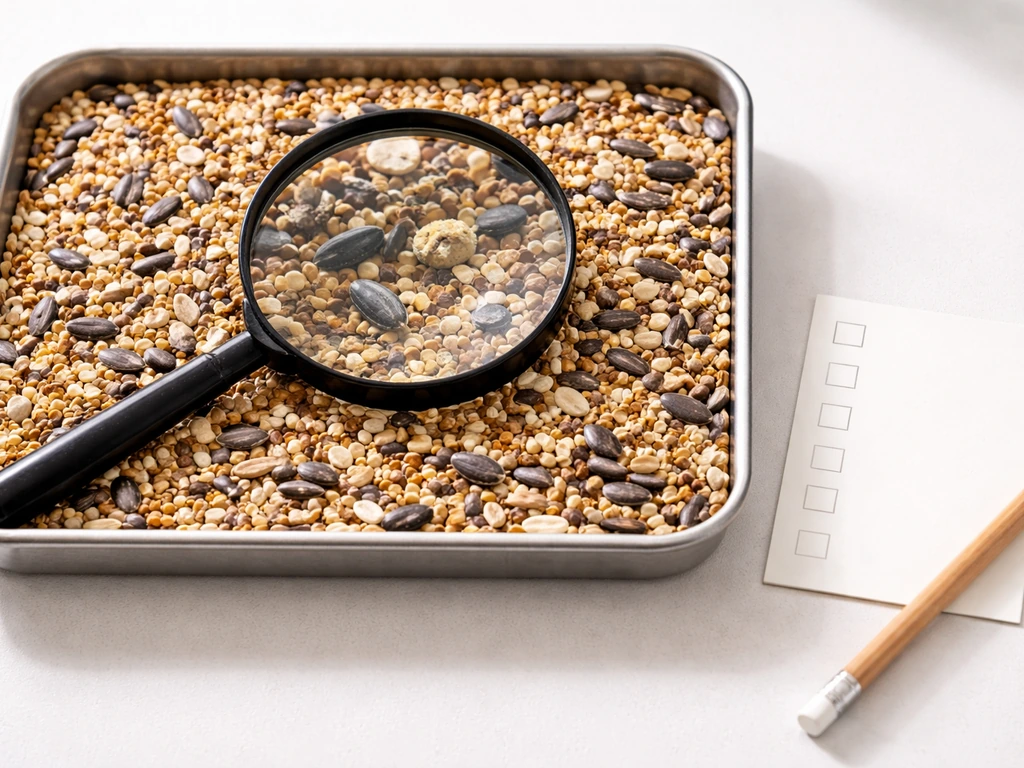
Identify what’s in your bird seed mix, check mold or pests, and fix safely with today steps and prevention tips.
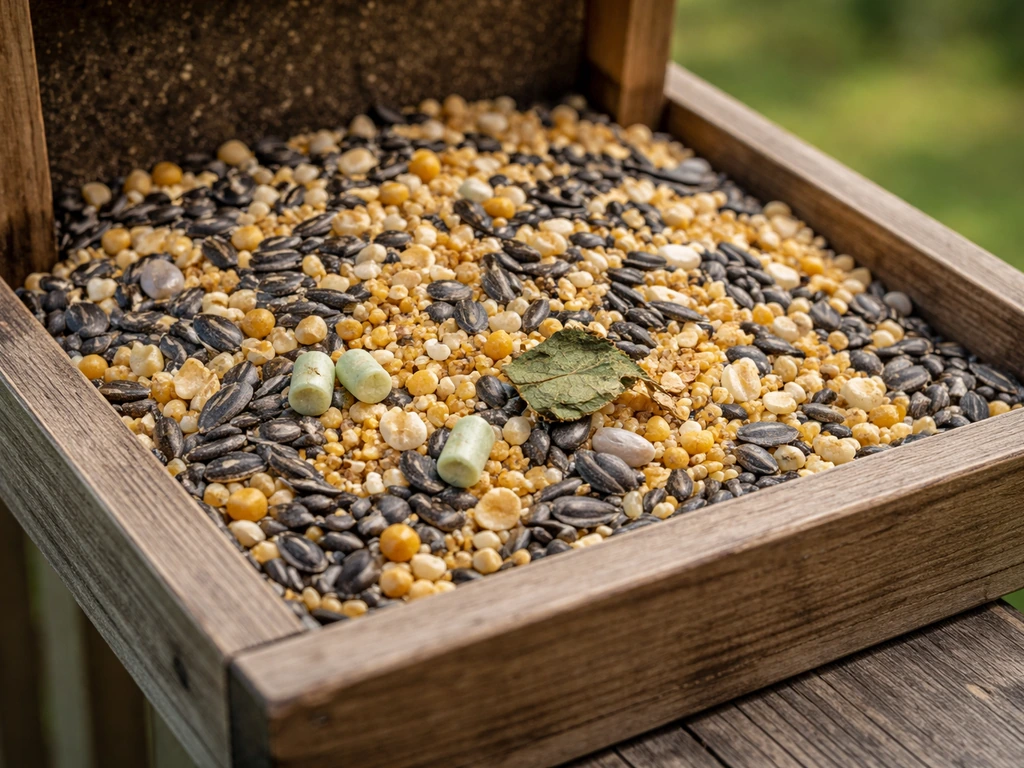
Identify mystery items in bird seed, troubleshoot wet mold pests, and safely clean feeders to protect birds and home.