Bird seed blends that contain hemp are almost always listing it as hemp seed or hemp hearts (hulled hemp seed), not any other part of the cannabis plant. You'll find it most commonly in specialty finch mixes, small-bird blends, and premium wild bird mixes sold at garden centers and online retailers. If you're also wondering what's in bird seed mixes overall, start by checking the ingredient list on the bag. To spot it today, flip the bag over and scan the ingredient list for the words "hemp seed," "hulled hemp seed," or "hemp hearts" near the top of the list, since ingredients are required to be listed in descending order by weight.
What Bird Seed Contains Hemp: How to Identify and Use It Safely
Maya Collins
7 Jun 2026
What "hemp" actually means on a bird seed label
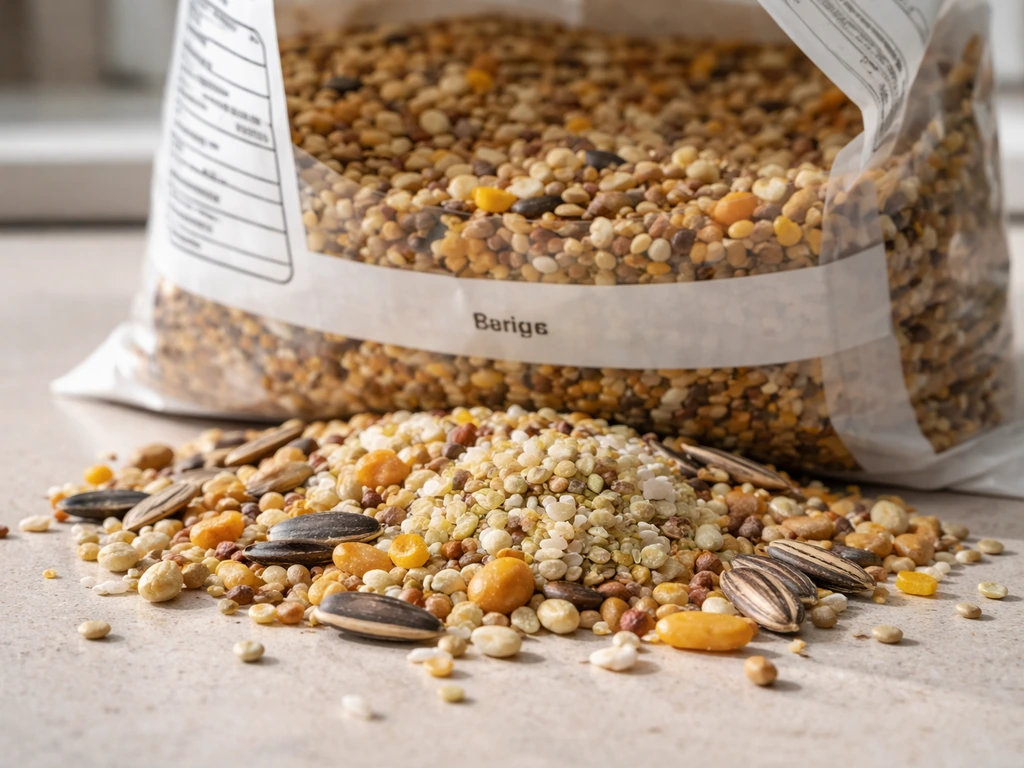
When you see hemp listed on a bag of bird seed, it refers to seeds from Cannabis sativa plants that contain no more than 0.3% total THC on a dry weight basis. That's the federal legal definition under the 2018 Farm Bill. The seeds themselves contain no meaningful psychoactive compounds, and what birds are actually eating is the seed's oily interior, not cannabinoids. So the reason hemp seed ends up in bird food has nothing to do with CBD or THC. It's in there because it's dense, oily, and nutritious.
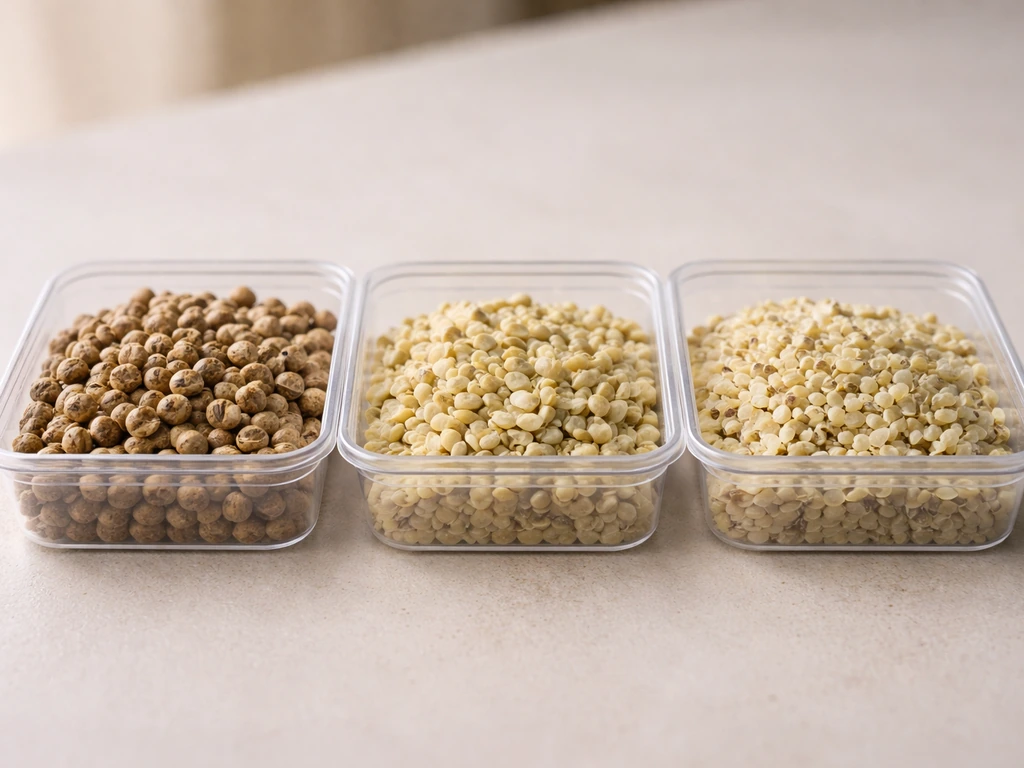
In practice, bird seed manufacturers use one of a few forms: whole hemp seed (with the hull intact), hulled hemp seed (also called hemp hearts, where the outer shell is removed), or occasionally hemp seed oil added to a blend as a coating or flavoring. Hulled hemp seed is far more common in bird food because small birds can eat it without cracking a tough hull. Hemp oil as a coating is rarer and usually shows up in premium "conditioning" mixes marketed to finch breeders.
One thing worth knowing: blank" rel="noopener noreferrer">FDA animal food labeling rules (21 CFR 501.4) blank" rel="noopener noreferrer">require ingredients to be listed by their common or usual name in descending order by weight. So if a blend contains a meaningful amount of hemp seed, it has to name it. Where things get murky is with hemp-derived coatings or hemp oil used as a flavor carrier, which can sometimes be tucked under a collective term like "natural flavors" depending on the amount. If you want to be certain hemp is in a blend, look for it explicitly named as an ingredient, not buried in a flavor declaration.
How to spot hemp-containing seed on a bag
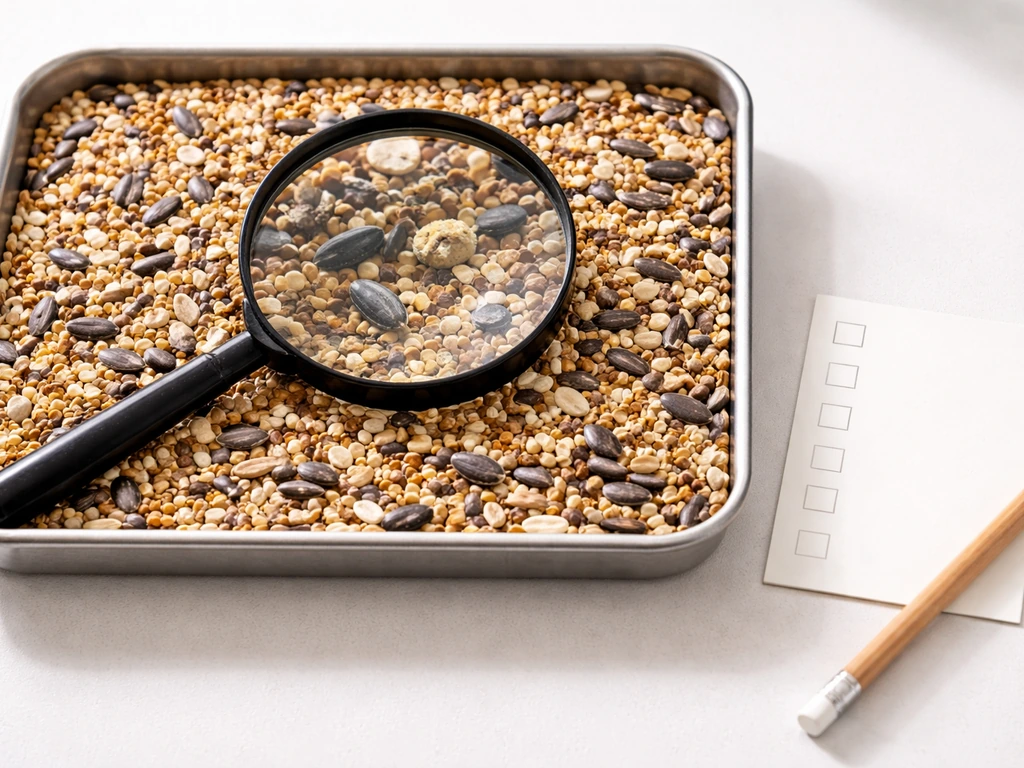
The ingredient panel is your best tool. By law, every commercial bird seed product sold in the U.S. must list ingredients by common name in order of predominance by weight. So turn the bag over before you buy. Here's what you're looking for:
- "Hemp seed" or "hemp seeds" (whole, with hull)
- "Hulled hemp seed," "shelled hemp seed," or "hemp hearts" (the most common form in wild bird mixes)
- "Hemp seed oil" (usually listed near the end, used as a coating or supplement)
- "Cannabis sativa seed" (a less common but legally accurate alternative name)
What you should not confuse with hemp: "canary seed," "nyjer" (thistle), "rape seed" (canola), and generic "oilseeds" are all different ingredients. Some marketing copy uses phrases like "omega-rich seeds" or "natural conditioning blend" without naming hemp specifically. That's not a guaranteed signal either way. If the word "hemp" doesn't appear in the ingredient list, the product doesn't contain it in a declared quantity.
Also watch for marketing language on the front panel that says "with hemp" or features a hemp leaf graphic. That's a front-panel claim, and it should correspond to a named ingredient on the back. If you see the claim but can't find hemp in the ingredient list, that's a labeling inconsistency worth noting before you buy.
Which bird seed products typically include hemp
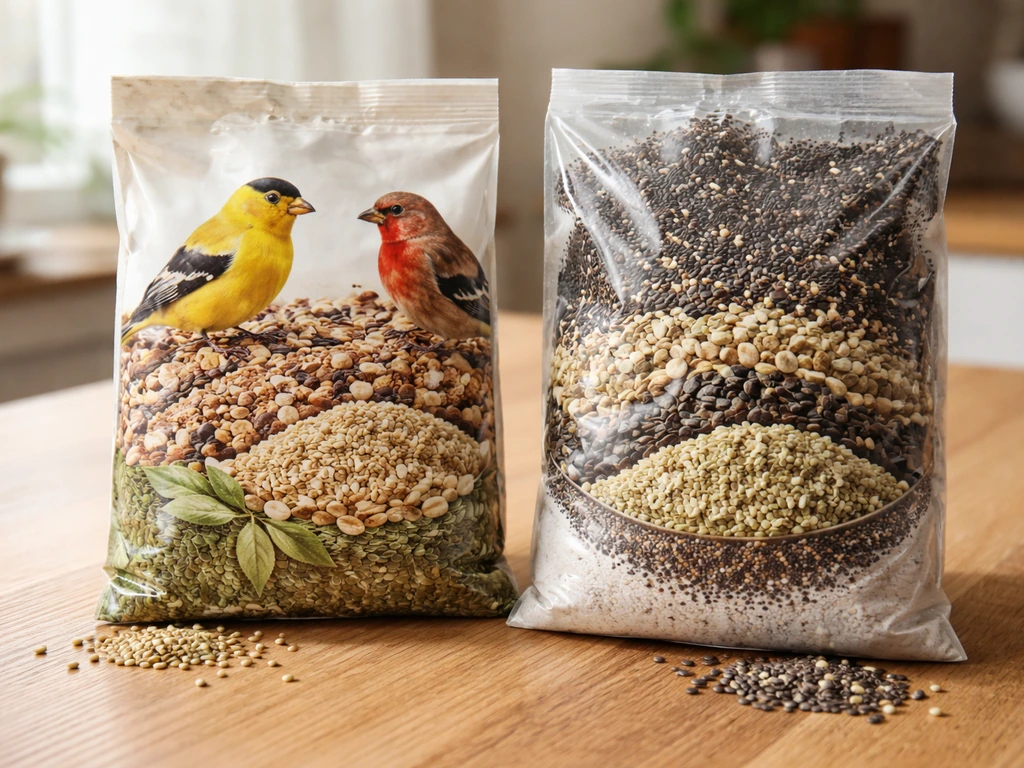
Hemp seed is not in the majority of basic wild bird mixes. It tends to show up in specific product categories, and knowing which ones helps you shop faster. It tends to show up in specific product categories, so it can be easier to notice compared with common seeds in bird feed like sunflower chips or cracked corn.
| Product Type | Typical Hemp Form | Where to Find It |
|---|---|---|
| Specialty finch/small-bird blends | Hulled hemp seed (hemp hearts) | Wild bird specialty stores, online retailers |
| Premium conditioning mixes (for canaries/finches) | Hemp hearts or hemp seed oil coating | Pet supply stores, aviculture suppliers |
| "No-mess" or hull-free wild bird mixes | Hemp hearts (already hulled) | Garden centers, big-box stores |
| Dedicated hemp seed bird food | Whole or hulled hemp seed as primary ingredient | Online specialty retailers |
| Organic or "natural" wild bird mixes | Hemp hearts listed mid-ingredient list | Health food stores, online |
Standard economy wild bird mixes (the large bags with mostly millet, milo, and cracked corn) almost never contain hemp seed. The price point doesn't support it. If you're buying a mid-range or premium blend, especially one positioned for finches or song birds, check the label. If you’re wondering what you put in the bird seed to include hemp, the key is to check the ingredient list for hemp hearts or hulled hemp seed and confirm it’s named explicitly what did you put in this bird seed gif. Some well-known brand lines have introduced hemp hearts into their no-mess formulas over the last few years as oilseed variety became more popular.
If you want complete transparency into what seeds make up a blend, the broader topic of what seeds are in bird seed mixes is worth understanding, since hemp almost always appears alongside other oilseeds like sunflower chips, nyjer, and flaxseed in the same blends. If you also want to know what seeds make up typical wild bird mixes, you can look at what seeds are in wild bird seed and compare labels.
Which birds actually eat hemp seed
Hemp seed is a small, oily seed, and the birds most drawn to it are the same ones that love nyjer, sunflower chips, and flaxseed. Finches are the clearest example: house finches, purple finches, American goldfinches, and pine siskins will work through hemp hearts readily. Juncos and common redpolls also take them. Larger birds like cardinals and jays tend to ignore small oilseeds in favor of larger sunflower seeds or peanuts, so don't expect hemp to broaden your visitor list dramatically if you're already feeding a diverse mix.
Small native sparrows (white-throated, white-crowned, song sparrows) will often pick through hemp hearts that fall to the ground from a feeder, making them a good ground-feeding supplement in areas where these species are common.
Best feeder types for offering hemp seed
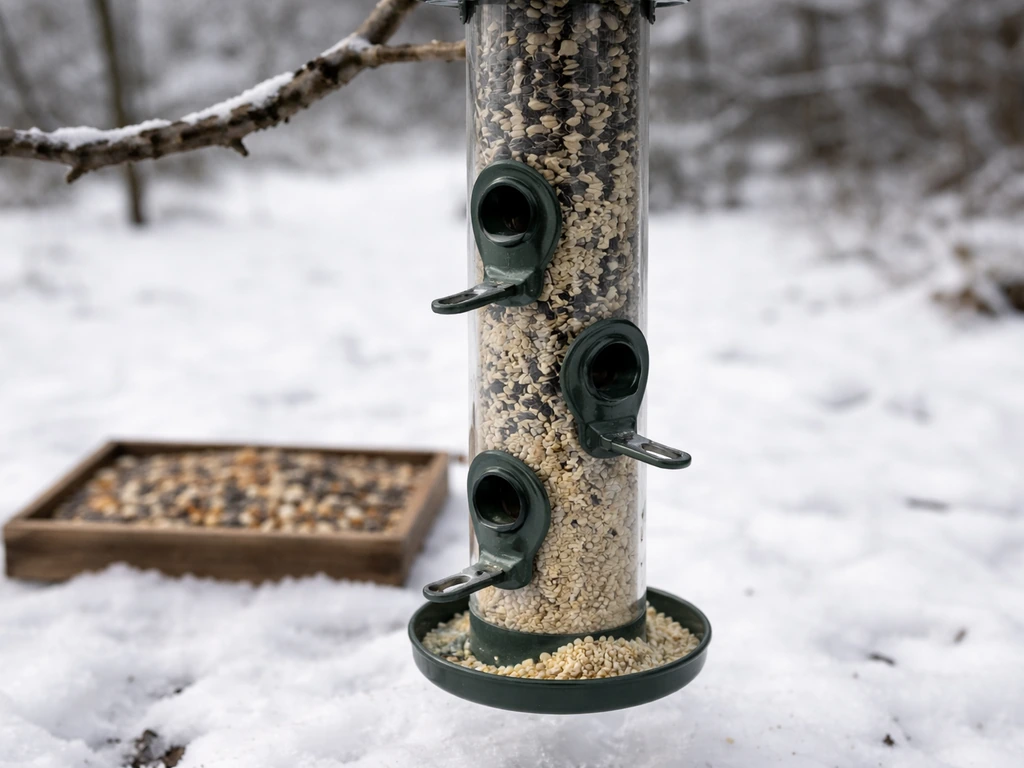
- Tube feeders with small ports work well for hemp hearts, the same setup used for nyjer
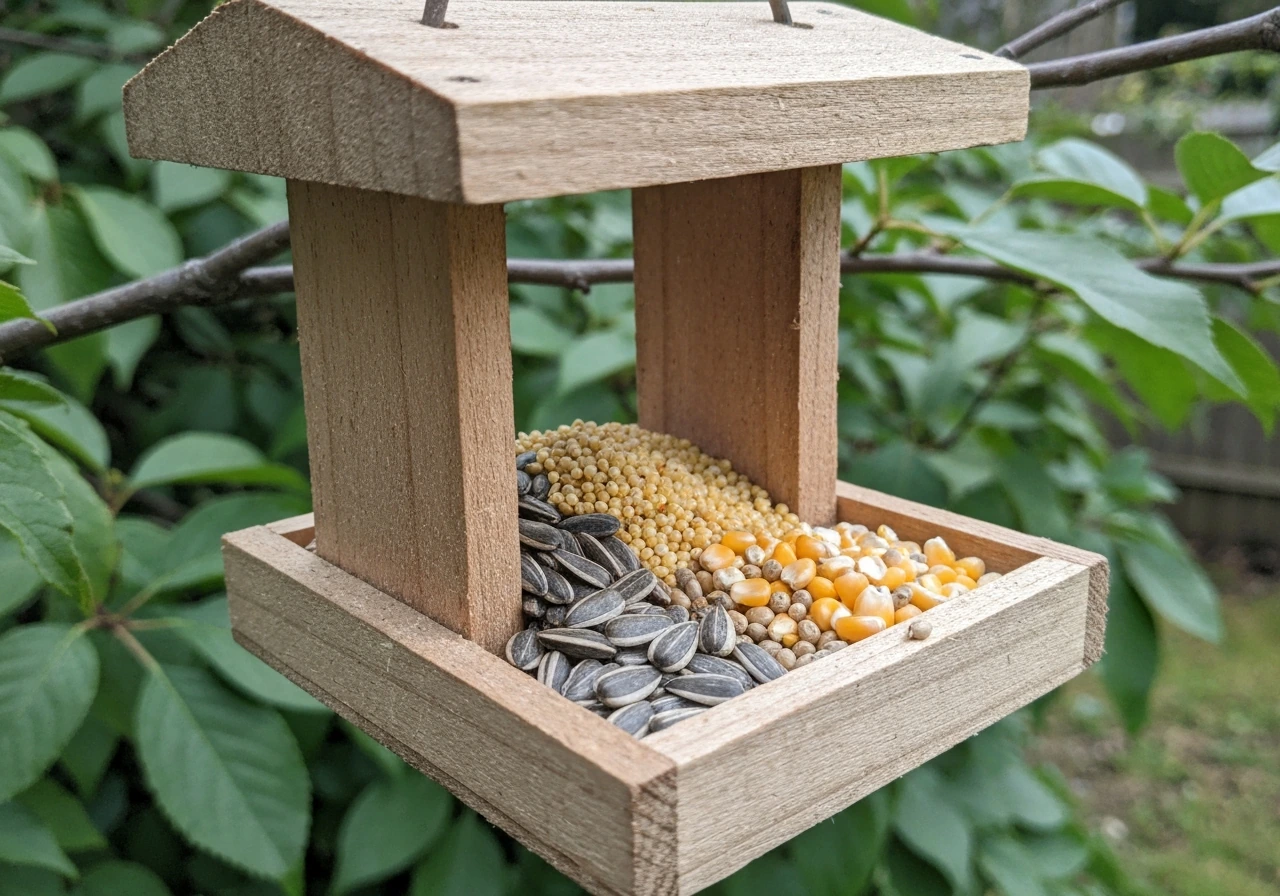
- Flat or tray feeders work if the blend includes larger seeds alongside hemp, and they let ground-feeding species access what spills
- Mesh sock feeders designed for nyjer can also hold hulled hemp seed, though the smaller mesh size may slow feeding slightly
- Avoid large hopper feeders if hemp hearts are the primary seed, since the small size means they pour out quickly and attract rodents below
Regional note: in northern states and Canada during winter, hemp hearts are particularly attractive to redpolls and siskins during irruption years when these birds move south in larger numbers. If you're in those regions and stocking feeders from October onward, a hemp-containing finch blend is worth adding.
Buying and mixing tips for right now
If you want to add hemp to your feeding setup today without buying a dedicated blend, the most direct approach is to buy straight hemp hearts from a health food store or bulk food supplier and mix them in yourself. The same product marketed as human food (hulled hemp seeds) is identical in nutritional content to what's sold as bird food, usually at a lower price per pound. Mix them at about 10 to 20 percent by volume into an existing finch or nyjer blend.
If you're buying a pre-made blend that lists hemp, check where hemp falls in the ingredient list. If you need a refresher on what hemp is versus other seed ingredients, see what “hemp” actually means on a bird seed label. If it's listed third or fourth, the blend has a meaningful amount. If it's ninth or tenth, you're essentially getting trace quantities and the "with hemp" front-panel claim is more marketing than nutrition.
One practical tip: buy smaller bags of any hemp-containing mix than you would for a standard sunflower or millet blend. Hemp hearts are oilier than most other bird seeds and go rancid faster once the bag is opened. A 5-pound bag you can cycle through in three to four weeks is smarter than a 20-pound bag that sits open for months.
Storing hemp seed correctly (and what to do when things go wrong)
Hemp hearts have a high oil content, which makes them spoil faster than hard seeds like millet or whole sunflower. Oxidized hemp seed smells distinctly rancid, similar to old cooking oil. Birds will usually reject it at that stage, but it's worth knowing what to look and smell for before you fill a feeder.
Storage best practices
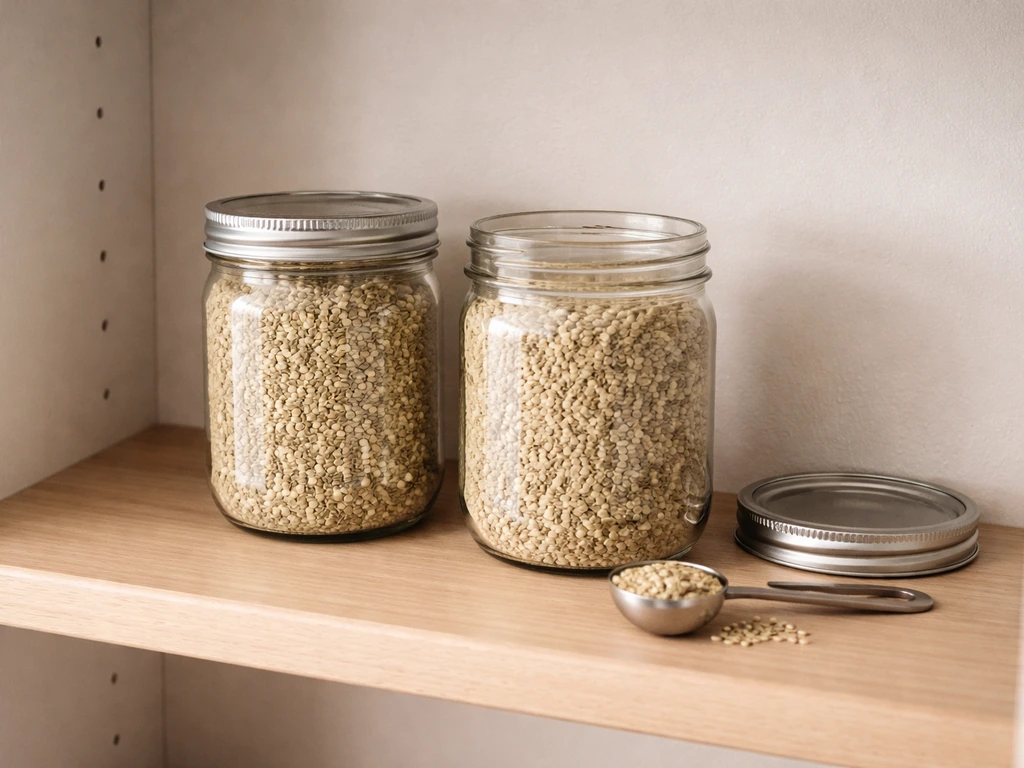
- Store in an airtight container, not the paper or thin plastic bag it came in
- Keep in a cool, dry location: a garage or shed is fine in winter, but in summer aim for indoor storage at or below 70°F
- Avoid humidity above 60%, which accelerates mold on oilseeds
- Use within 4 to 6 weeks of opening; whole hemp seed (with hull) keeps longer, up to 3 to 4 months sealed
- Label the container with the date opened so you're not guessing freshness later
If hemp seed gets wet or starts sprouting
Wet hemp hearts clump together and mold quickly, usually within 24 to 48 hours in warm weather. If you open a feeder and the seed at the bottom is clumped, damp, or has any grey or green fuzzy growth, discard all of it. Don't dry it out and reuse it. Moldy seed can cause aspergillosis in birds, a serious respiratory infection.
Whole hemp seed (hulled intact) can germinate if it gets wet and warm. If you see tiny white sprout tips emerging, that seed needs to go. Sprouted seed in a feeder is a hygiene problem and should be removed, the feeder emptied, and the tray or tube washed before refilling. To prevent this, never overfill feeders, particularly during rainy periods. Fill only what birds will consume in one to two days during humid or wet weather.
Feeder setup, pest control, and cleanup
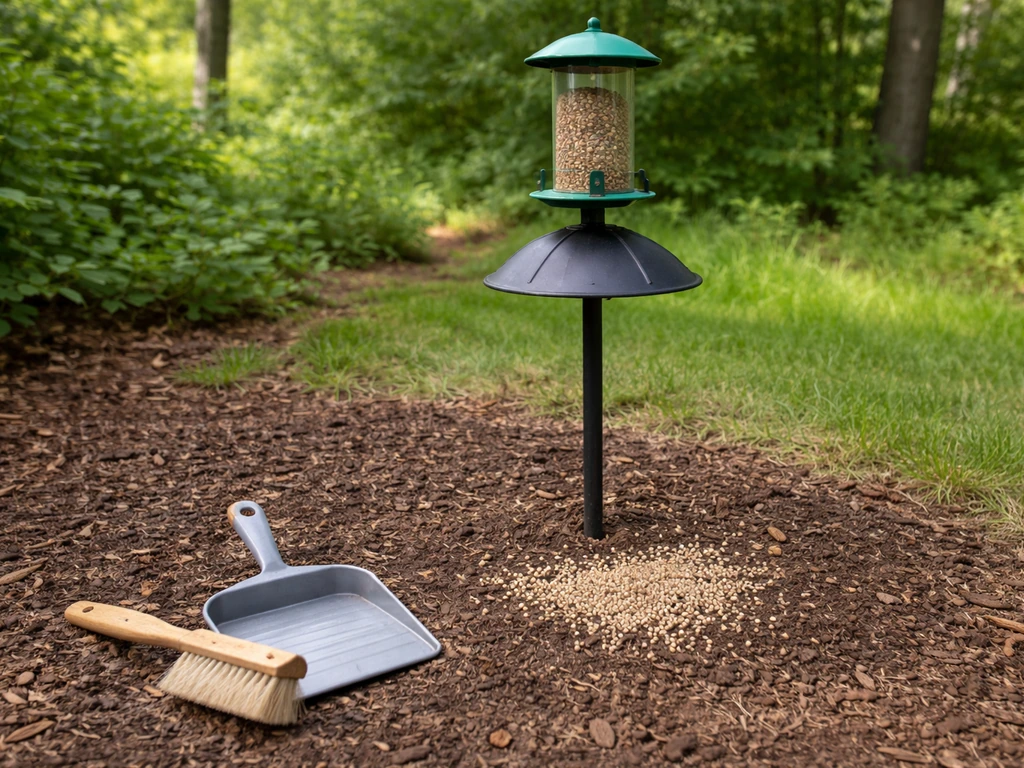
Hemp hearts are attractive to more than just birds. The small oily seeds that fall or blow off feeders draw house mice, rats, and in some regions chipmunks and squirrels. Because hemp hearts are so small, they're harder to clean up from ground surfaces than sunflower hulls or cracked corn. Here's how to manage that practically.
Feeder placement and pest prevention
- Mount tube feeders on baffled poles at least 5 feet off the ground and 10 feet from any structure or tree branch that a squirrel can jump from
- Use a tray attachment below the tube feeder to catch fallen hemp hearts instead of letting them accumulate on the ground
- If you notice rodent activity below feeders, switch to offering hemp only in a raised tube feeder with a catch tray, and empty the tray daily
- In areas with high rodent pressure, consider offering hemp-containing blends only during daylight hours by using a feeder you take in at dusk
- Avoid spreading loose hemp hearts directly on the ground or on low platform feeders unless you're actively monitoring for pest activity
Cleaning up after feeding
Hemp hearts leave an oily residue in feeders faster than most dry seeds. Clean tube feeders with hemp-containing mixes every two weeks during warm weather (above 60°F) and every three to four weeks in cold weather. Use a 9-to-1 water-to-bleach solution, scrub with a bottle brush, rinse thoroughly, and allow to air dry completely before refilling. A feeder that smells oily or shows any discoloration at the bottom should be cleaned before the next fill regardless of the schedule.
For ground cleanup under feeders, a stiff bristle brush and a dustpan work well for the bulk of it. Follow with a rinse from a garden hose and allow the area to dry. In wet climates or during rainy stretches, consider placing a rubber mat or paving stones under the feeder so seed debris doesn't press into soil and create a persistent mold or sprouting problem. Rake the area weekly if birds are feeding heavily.
A note on household hygiene
Hemp hearts can leave oily stains on wooden decks, composite decking, and fabric cushions if they accumulate. Wipe down any surface near the feeder that catches fallen seed every few days during active feeding. The oil from rancid hemp seed is harder to clean than fresh seed residue, so catching it early saves effort.
FAQ
If the bag says “with hemp” but the ingredient list doesn’t show hemp, is it still safe for birds?
Treat it as unverified. Front-panel claims should match a named ingredient, but some products use hemp-derived carriers or small amounts within “natural flavors” or similar wording. If hemp is not explicitly listed as an ingredient (hemp seed, hulled hemp seed, or hemp hearts), you cannot confirm birds will get hemp-based nutrition from that blend.
How can I tell whether the hemp amount is meaningful or just a trace?
Check where hemp appears in the ingredient order. If hemp hearts or hulled hemp seed are around the top third of the list, it likely represents a noticeable portion. If it appears near the bottom (for example, later than seventh), expect mostly trace presence even if the label claims “with hemp.”
Is hemp seed in bird food the same as “CBD” products?
No. Bird food blends that list hemp seed are using hulled hemp seed or hemp hearts, which are primarily consumed for the oily interior. That is different from CBD oils or extracts, which are not normally used in seed blends. If you see “CBD,” “hemp extract,” or “oil” as specific ingredients, then you should reassess before feeding.
Can I give hemp-containing bird seed to all feeder birds?
It’s best for small oilseed eaters (finches, siskins, redpolls, juncos, and some ground-feeding sparrows). Larger birds may largely ignore hemp hearts in favor of sunflower chips, peanuts, or larger seeds. If you want broad coverage, combine hemp hearts with your usual mix rather than relying on hemp alone.
What’s the safest way to introduce hemp hearts into my current feeder routine?
Start gradually and watch for reject behavior and hygiene issues. Mix a small amount into your existing finch or nyjer blend (for example 10 to 20% by volume), keep the feeder clean, and avoid long refill times during warm or humid weather so you do not end up with spoiled or clumped seed.
What smell or look means the hemp seed should be discarded immediately?
Discard any seed with a distinctly rancid, “old cooking oil” odor (even if it looks fine). Also discard if you see damp clumping, grey or green fuzzy growth, or any wet-looking clumps at the feeder bottom. Do not try to “dry it out” and reuse.
Can sprouted hemp seed be dangerous to birds?
Yes. If you find sprout tips in the feeder, treat it as a hygiene problem. Empty the feeder, remove remaining sprouted or wet seed, wash the tray or tube, and refill with dry seed. Overfill increases the chance of moisture accumulation, especially during rain.
Do I need to clean feeders more often when using hemp hearts?
Yes. Hemp hearts are oilier and spoil faster, so increase cleaning frequency. A practical rule is to clean tube feeders every two weeks in warm weather and every three to four weeks in cold weather, and clean sooner if you notice an oily smell, visible residue, or discoloration.
Will hemp hearts attract rodents, and how do I reduce that?
They can. Small oily seeds that fall attract house mice, rats, and sometimes chipmunks and squirrels. Reduce waste by using feeders that minimize spillage, keep trays clean of dropped seed, and consider a placement strategy (such as avoiding cover near shrubs) to limit rodent access.
Should I store hemp-containing seed differently than millet or cracked corn?
Yes. Keep it tightly sealed in a cool, dry place to slow rancidity. Because hemp hearts oxidize faster, buy smaller bags and cycle through them sooner rather than storing large quantities open for months.
Does hemp in bird seed increase THC exposure for birds or humans?
The hemp-seed ingredient used in compliant bird food is defined by low THC content on a dry weight basis, and the birds are eating the seed itself rather than ingesting cannabinoids. Still, if you handle seed or refill feeders, use normal hygiene (wash hands) and avoid feeding products that list unusual cannabinoid extracts.