
The most effective way to keep bird seed dry in feeders is to combine smart placement, a feeder design that shelters seed from rain and condensation, drainage holes that let water escape, and a cleaning routine that removes damp hulls before mold sets in. No single trick solves it on its own, but when you stack these measures together, wet seed becomes a rare problem rather than a constant one.
How to Keep Bird Seed Dry in Feeders: Simple Steps

Maya Collins
30 Apr 2026
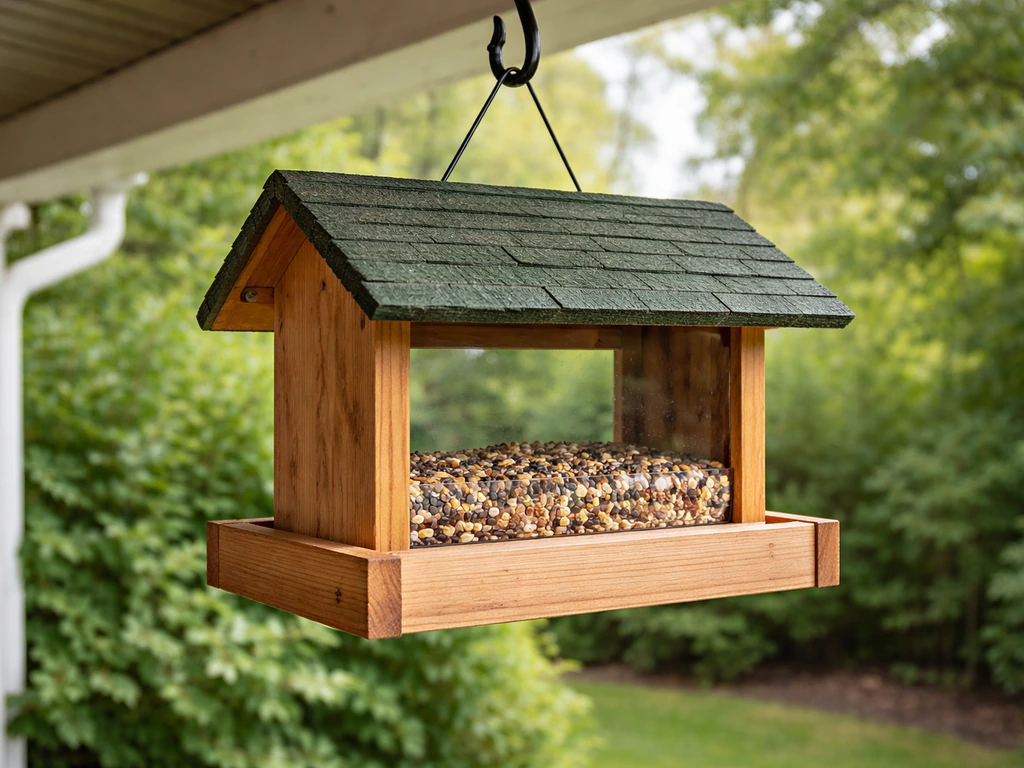
Why seed gets wet in the first place
Before fixing the problem it helps to know what is actually causing it. Moisture reaches feeders in more ways than most people realize: direct rain, wind-driven splash from nearby surfaces, condensation forming inside enclosed feeders on cool mornings, water wicking up from a saturated seed tray, and even humidity from a poorly ventilated location like a garage or enclosed porch. Ground moisture rising from beneath pole-mounted feeders is a smaller factor for the seed itself, but it does create a damp microclimate that accelerates mold growth under the feeder. Identifying your specific source, rain splash versus condensation versus a leaky feeder roof, tells you which fix to prioritize.
Best placement and weatherproofing for bird feeders

Where you hang or mount a feeder does a lot of the work before you even buy a single accessory. Feeders placed under a roof overhang, a large tree canopy, or a dedicated weather dome catch dramatically less direct rainfall. Project FeederWatch recommends positioning feeders close to natural cover like trees and shrubs anyway, because birds feel safer and visit more quickly, which keeps seed moving and reduces the time it sits exposed. The key is choosing cover that blocks rain without trapping moisture underneath.
Weather baffles and dome covers are the single most cost-effective weatherproofing upgrade you can make. A squirrel baffle mounted above a hanging feeder doubles as a rain shield. Purpose-built dome covers, typically 12 to 18 inches wide, mount above the feeder on the hanger wire and deflect rain before it hits the port or tray. For pole-mounted feeders, a baffle below the feeder handles squirrels, and a dome cover above handles rain. Make sure the dome is wide enough to actually shed water past the feeder edges rather than just slowing it down.
Wind direction matters more than most guides admit. If your yard gets consistent prevailing winds from the west, a feeder hanging in open space on the west side of the yard will get hammered with wind-driven rain even under a dome. Repositioning the feeder to the lee side of a fence, shed, or dense shrub row cuts that exposure significantly. In wetter climates, like the Pacific Northwest or Gulf Coast states, this kind of micro-siting makes a real difference in how often seed stays usable.
Choosing and setting up seed containers and liners to block moisture
Feeder types ranked by how well they shed moisture
Not all feeders are equal when it comes to keeping seed dry. Tube feeders with small ports keep the bulk of the seed enclosed and protected, and Project FeederWatch specifically notes that tube feeders keep seed fairly dry. Hopper feeders, which store seed in a covered bin above a tray, also shelter seed well as long as the bin is fully sealed on top and doesn't have gaps where rain blows in sideways. Platform feeders are the most vulnerable because seed sits completely exposed, though platforms with a roof and drainage holes are far better than flat open trays. Open dish or tray feeders with no drainage are the worst option in wet weather.
| Feeder Type | Rain Protection | Drainage | Best For |
|---|---|---|---|
| Tube feeder | High (seed enclosed) | Good (ports drain naturally) | Sunflower, nyjer, mixed small seed |
| Hopper feeder | High (covered bin) | Moderate (tray may pool water) | Mixed seed, sunflower, safflower |
| Platform feeder with roof and drainage holes | Moderate | Good if holes are adequate | Larger seeds, peanuts, fruit |
| Open platform or tray | Low (fully exposed) | Poor unless holes added | Short visits, quick turnover only |
| Suet cage | Moderate (suet resists water) | N/A | Suet cakes in any weather |
Liners, trays, and seed catchers
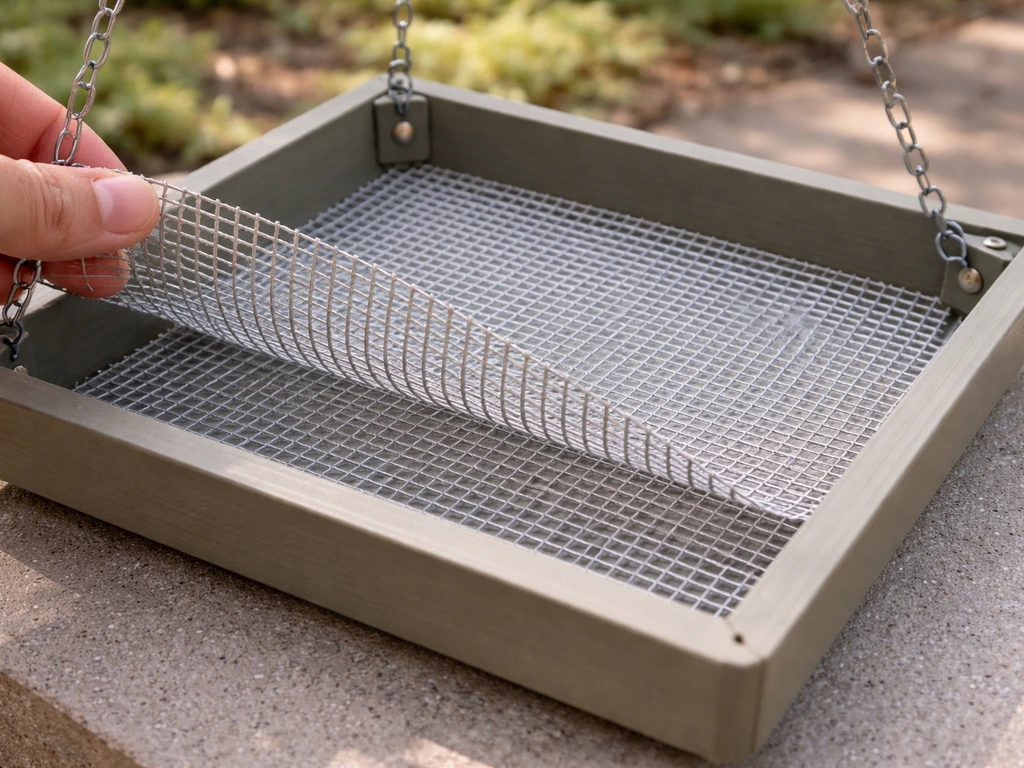
Seed catcher trays, the mesh or solid dish-shaped accessories that hang beneath tube and hopper feeders, are useful for reducing waste on the ground but they create a moisture trap if they are solid-bottomed with no drainage. Always use a mesh seed catcher or drill several quarter-inch drainage holes in a solid one so rainwater runs through rather than pooling. For platform feeders, Project FeederWatch is direct about this: plenty of drainage holes prevent water accumulation and a roof keeps seeds dry. If your platform feeder has fewer than four or five drainage holes per square foot of tray surface, add more with a drill.
Some birders line trays with coarse mesh hardware cloth cut to fit inside the tray. This lifts seed slightly above the tray surface so any pooling water drains away from the seed rather than soaking up into it. It is a cheap and effective fix for an existing platform feeder that you want to keep using. Just pull the mesh out and rinse it when you clean the feeder.
Drainage and cleaning routines to stop wet seed, mold, and clumping
How often to clean
Cornell Lab's All About Birds recommends cleaning seed feeders about once every two weeks under normal conditions, and more often during heavy use or wet weather. In practice, if you are in a stretch of rainy days or high humidity, bumping that to weekly is the right call. Moldy or decomposing seeds and hulls on feeder trays can make birds sick, so the schedule is not optional maintenance, it is a health issue. In dry summer conditions, a two-week cycle is usually fine. In a wet autumn or winter, a weekly rinse takes five minutes and prevents a lot of problems.
Step-by-step feeder cleaning
- Empty all remaining seed from the feeder and discard any that is clumped, discolored, or smells musty.
- Disassemble the feeder as much as possible: remove trays, ports, and perches.
- Rinse all parts with hot water to loosen hulls and debris.
- Scrub with a bottle brush, using either hot soapy water for light cleaning or a disinfecting solution (9 parts water to 1 part household bleach, as recommended by the National Wildlife Health Center via Audubon) for a deeper clean. Clemson extension recommends soaking parts in diluted bleach and then scrubbing.
- Rinse every part thoroughly so no bleach or soap residue remains.
- Allow all parts to air dry completely before refilling. This step is critical: refilling a still-damp feeder seeds the next batch of mold immediately.
- Wipe down the hook, pole, and any chain or wire contact points while you wait for the feeder to dry.
Between-cleaning habits
Even between full cleaning sessions, do a quick check every few days. If you see clumped seed at the bottom of a tube feeder, use a long dowel or the handle of a spoon to break it up and let it fall through the port. Remove and discard the clumped section if it is discolored. On platform feeders, rake out wet hulls with a stiff brush or your fingers (wearing disposable gloves) so they don't sit damp against fresh seed. This five-minute habit prevents the bulk of mold problems without requiring a full cleaning every week.
Handling, rotating, and storing seed off the feeder
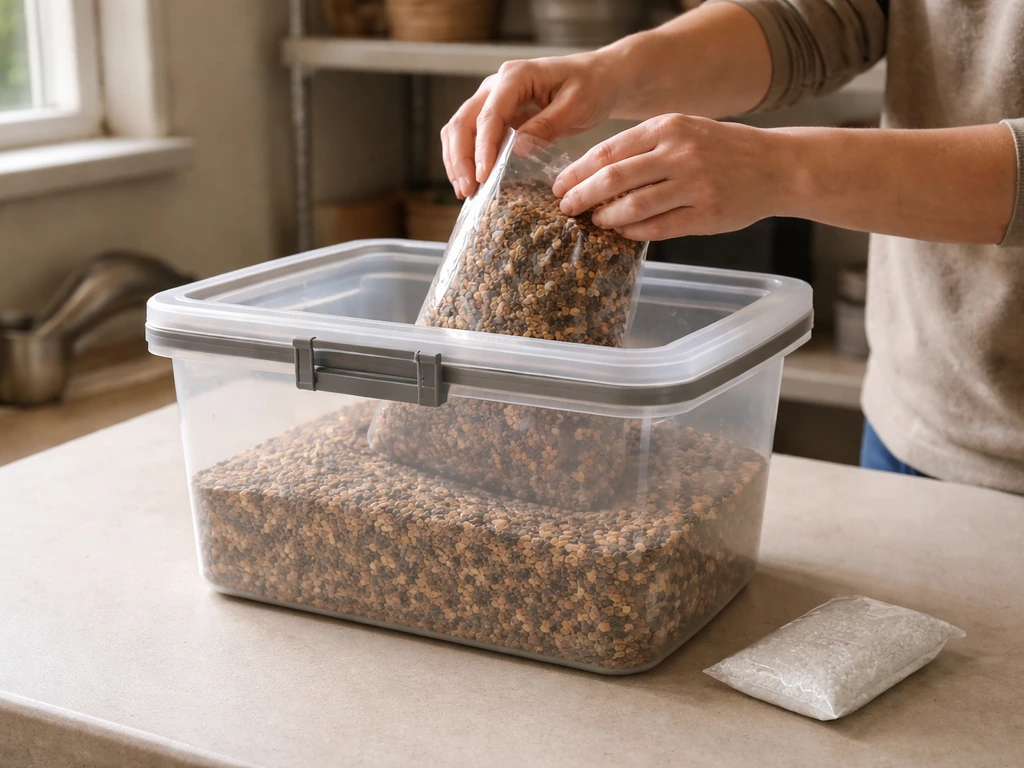
Seed arrives at your feeder already compromised if you're storing it wrong before it ever gets loaded. Humidity is the single most critical factor in seed storage. Research cited by ECHO community notes that seeds survive longer in hot, dry environments than in cool but damp ones, which is why a humid garage or basement is one of the worst places to store a 20-pound bag of sunflower seed. Ball Seed's handling guidance is explicit: a 1% increase in seed moisture content roughly halves shelf life. That is not a slow degradation, it is rapid.
Where and how to store bulk seed
- Use a hard-sided airtight container, a metal or thick plastic bin with a gasket lid, rather than the original paper or thin plastic bag. This blocks humidity and pests at the same time.
- Store in a cool, dry location. Ball Seed recommends 40°F (5°C) for prolonged shelf life. A climate-controlled basement, a cool pantry, or a chest freezer (for long-term storage) works better than an uninsulated garage or shed.
- Keep the container off the floor, especially in garages or sheds where floor moisture and temperature swings are worst.
- Avoid attics in summer and unheated outbuildings in climates with wide humidity swings. Holmes Seed Company specifically warns against garages and attics where temperature and humidity fluctuate widely.
- Rotate stock: use older seed first and don't pile a new bag on top of whatever is left from last month. Label containers with the date you filled them.
- Buy in quantities you can use within four to eight weeks. Larger bags are cheaper per pound, but not if the bottom half of the bag goes moldy before you get to it.
How much seed to put in the feeder at once
Overfilling is one of the most common causes of wet, wasted seed. Load feeders with an amount that birds will realistically consume in two to four days. In active seasons, that might be a full load. In slower periods or wet weather when birds visit less, cut the fill level to one-third or half so you are not leaving exposed seed sitting through several wet days. This is especially important for platform feeders where seed has zero protection from the elements.
Preventing pests attracted to damp seed
Wet seed is a pest magnet. Mold spores are always present in outdoor environments and colonize damp seed within 24 to 48 hours in warm weather. Insects, particularly grain moths and weevils, are drawn to damp, warm seed, and rodents are attracted by the smell of fermenting or moldy seed. The Minnesota DNR is direct about this: in wet weather, mold and bacteria commonly form on wet birdseed both in the feeder and on the ground, and it creates genuine health risks for birds. The connection between moisture control and pest control is not coincidental, they are the same problem.
Ground management under feeders
Fallen seed and wet hulls under feeders are where most rodent and pest activity concentrates. The USFWS includes sweeping up old, moldy, and discarded seed under feeders as a core part of managing a bird-feeding area. Rake or sweep the ground under your feeder at least weekly, more often if it has been raining. For the same reason, sweep up wet seed and hulls quickly so they do not mold or attract pests on the ground how to clean up bird seed on the ground. Minnesota DNR recommends sprinkling agricultural lime (calcium carbonate) about a quarter inch deep on the ground beneath feeders to reduce bacterial buildup, though it notes this may affect grass. A gravel or pea-stone base under the feeder is a good alternative that stays clean, drains quickly, and is easy to rake.
Storage-level pest prevention
Insects that infest stored seed, moths and weevils in particular, are almost always introduced through the original bag rather than finding seed after you bring it home. If you already see moths in or around your stored bird seed, focus on drying and storage pest control steps right away moths and weevils. Transferring seed to a sealed metal or heavy plastic container immediately cuts off their oxygen and spread. If you've dealt with pantry moths or weevils in stored bird seed before, a brief freeze of new seed, three to four days at 0°F, kills any eggs before they hatch. Keeping stored seed dry removes the conditions that allow populations to explode even if a few eggs do survive.
Troubleshooting when seed gets wet anyway
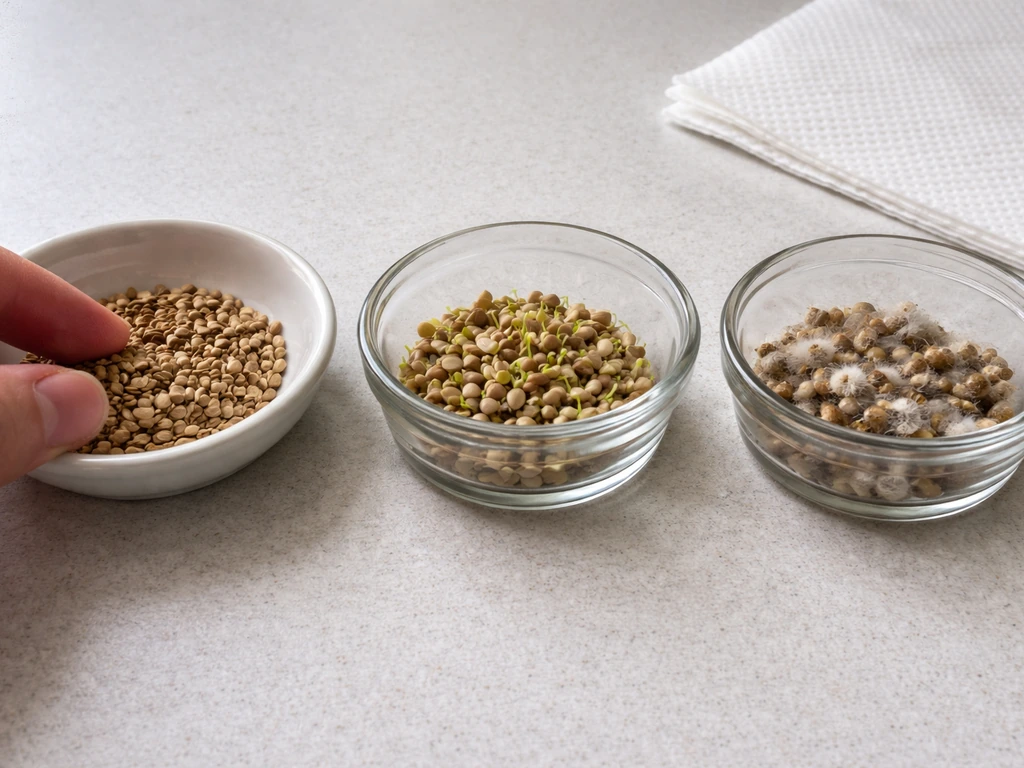
Even with good habits, wet seed happens. The key is knowing immediately what to do versus what not to do, because the instinct to try drying out a feeder full of wet seed and reusing it usually makes things worse. If you find wet bird seed, remove the clumped or moldy pieces right away and let the feeder and surrounding tray area dry before refilling with fresh, dry seed what to do with wet bird seed.
Clumped seed
Clumping by itself without discoloration or smell is an early warning sign rather than a full emergency. Remove the clumped seed, check whether it smells musty or shows dark spots (mold). If it is just slightly damp and clumped but otherwise looks and smells fine, you can spread it on a dry surface in a well-ventilated spot for a few hours to dry before deciding. If there is any doubt, throw it out. Seed is cheap. Sick birds and a moldy feeder are not worth saving a few cups of sunflower.
Sprouting seed
Sprouted seed in or under a feeder is a sign that seed sat damp long enough for germination, typically two to five days in warm conditions. Sprouted seed on the tray or in the tube is past the point of drying and reusing. Remove all of it, blank" rel="noopener noreferrer">clean the feeder fully using the bleach solution method described above, and let it dry completely before refilling. South Carolina DNR recommends cleaning bird feeders at least once per month and using a bleach-to-water solution of 1 part liquid chlorine bleach to 9 parts hot water, with scrub and brush steps blank" rel="noopener noreferrer">bleach-to-water guidance. Under the feeder, pull or rake sprouted seedlings promptly since they can become an invasive weed issue with some seed mixes, particularly those containing millet or sunflower.
Visibly moldy seed
Discard moldy seed in a sealed bag in the trash, not the compost. Do a full disassembly clean with bleach solution, scrub all surfaces, rinse thoroughly, and dry completely. Then step back and identify what allowed the mold to develop: was the feeder overfilled, did a storm drive rain in sideways, is the feeder in a spot with poor airflow and high shade? Address the root cause before refilling or you will be back in the same situation in a week.
Adjusting your setup after a wet-seed episode
- Add or upgrade a weather dome or baffle above the feeder if direct rainfall was the cause.
- Reduce fill levels to two-day quantities if birds aren't consuming seed fast enough before it gets wet.
- Drill additional drainage holes in trays and platforms if water is pooling rather than draining.
- Move the feeder to a more sheltered location if wind-driven rain is getting past the dome.
- Switch feeder types if the current style is fundamentally incompatible with your local weather, for example replacing an open platform with a roofed platform or a tube feeder for wet-weather seasons.
- Check stored seed in your bin: if the bag you just pulled from smells off or shows moisture, the storage container or location is the problem, not just the feeder.
Wet seed in a feeder is connected to other problems worth knowing about: damp conditions are exactly what attract grain moths and weevils to stored seed, and seed that falls and rots on the ground creates its own cleanup and pest challenge. Solving the moisture problem at the feeder is the most important step, but keeping an eye on the ground below and in your storage area rounds out the full picture.
FAQ
Can I dry wet bird seed in the sun or oven and then reuse it?
It depends on what “wet” means. If you see mold spots, a musty smell, or discoloration, discard it and do a full clean of the feeder. If it is only slightly damp and clumped with no smell, you can spread it on a dry, well-ventilated surface for a few hours, then refill once the feeder and tray area are completely dry.
What if water is getting into the feeder because the lid or roof design is flawed?
Check for gaps where rain can blow in sideways, not just for obvious leaks. For hopper feeders, confirm the top bin is fully sealed and there is no warped lid. For tube feeders, ensure the roof or dome cover clears the ports so water sheds past the edges instead of dripping onto the feeding holes.
How many drainage holes should a platform feeder have, and where should they be placed?
A simple rule is to target the hole density mentioned in the article (roughly four to five per square foot), but also place holes so water can exit from the lowest points of the tray, not just around the perimeter. If the tray has a flat bottom that traps water, add holes centered in the tray area and verify the base can drain.
Is it okay to leave seed in the feeder during rainy stretches if I’m cleaning it weekly?
Weekly cleaning helps, but it does not fix prolonged exposure. Overfilling is the fastest way to end up with moldy, clumped seed during multi-day storms. Adjust fill levels so birds can consume most of it within about 2 to 4 days, and empty and dry the feeder sooner if you notice clumping after the first big rain.
Do I need to worry about moisture in the seed tray even if the feeder itself seems dry?
Yes, because wet hulls and puddling under the feeder create the same mold and pest conditions that develop inside the feeder. If your feeder has a seed catcher, confirm it has drainage or uses mesh. Then sweep and rake beneath the feeder more often during wet weather, since fallen seed becomes a damp microclimate.
What’s the best way to prevent condensation inside enclosed feeders?
Condensation is usually reduced by improving airflow and avoiding placement that traps cold, humid air. Don’t tuck the feeder into a closed alcove, and consider adding a weather dome that blocks rain while still allowing ventilation around the feeder body. On cool mornings, do a quick check for moisture on the inside surfaces and clean promptly if you see dampness.
Can I prevent clumping without constantly emptying the feeder?
You can reduce clumping by keeping seed levels realistic and using the right feeder type (tube or hopper generally handle moisture better). For small clumps, use a long tool to break up the bottom seed and let it drop through the ports, but remove any clumps that are discolored or smell musty rather than trying to “salvage” them.
How should I store opened seed bags to avoid turning them into a moisture problem later?
Transfer opened seed to a sealed metal or heavy plastic container promptly, especially if you store seed in a garage or basement. Keep it in the driest available indoor space. If you have previously had moths or weevils, freezing new seed for several days at 0°F before using helps kill eggs before the population grows.
What should I do if birds keep visiting but the seed still stays wet?
This usually points to a micro-siting or drainage issue, not bird behavior. Reposition the feeder to the lee side of a fence or dense shrub line to reduce wind-driven splash, then inspect for missing or insufficient drainage (especially on platforms and solid-bottom seed catchers). After repositioning, run a short test by refilling with a smaller amount and checking in 24 to 48 hours.
Is agricultural lime a good solution if my grass underneath keeps getting affected?
If lime harms your lawn, switch to a gravel or pea-stone base under the feeder. A stone base drains quickly, is easier to rake clean, and reduces the time wet seed and hulls sit against the soil. Use lime only where you can accept the impact or where the area is not lawn.
Next Articles
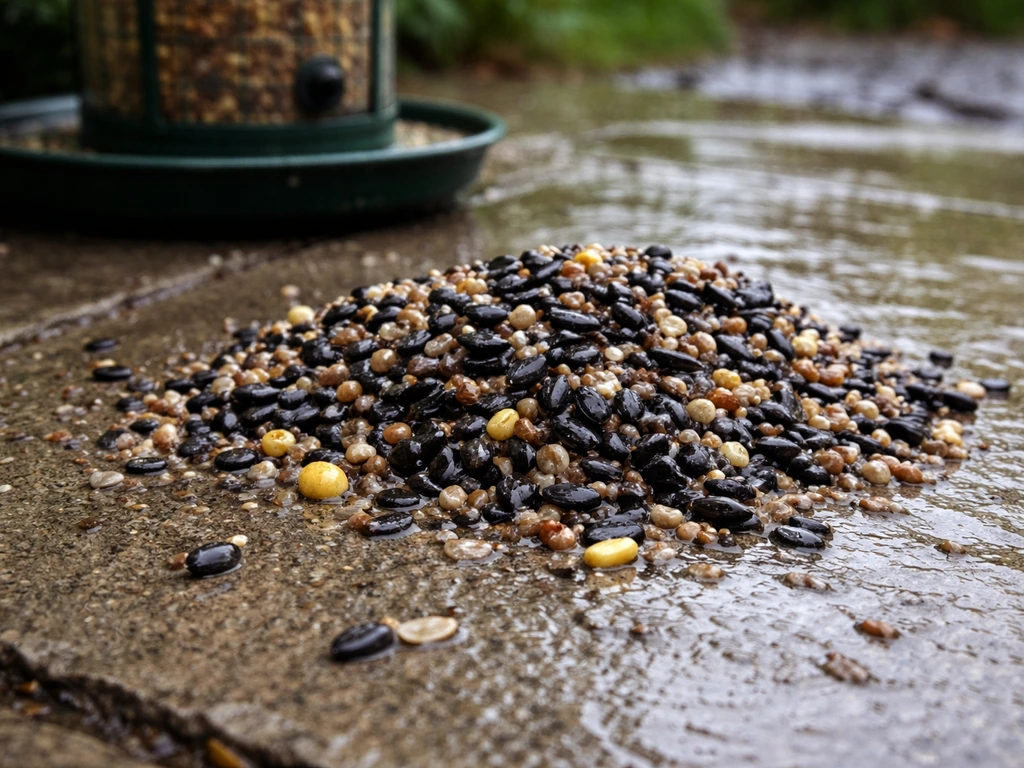
What to Do With Wet Bird Seed: Rescue, Safety, Storage
Rescue and dry wet bird seed fast, spot mold or pests, and safely store sprouted or rain-soaked seed to prevent spoilage
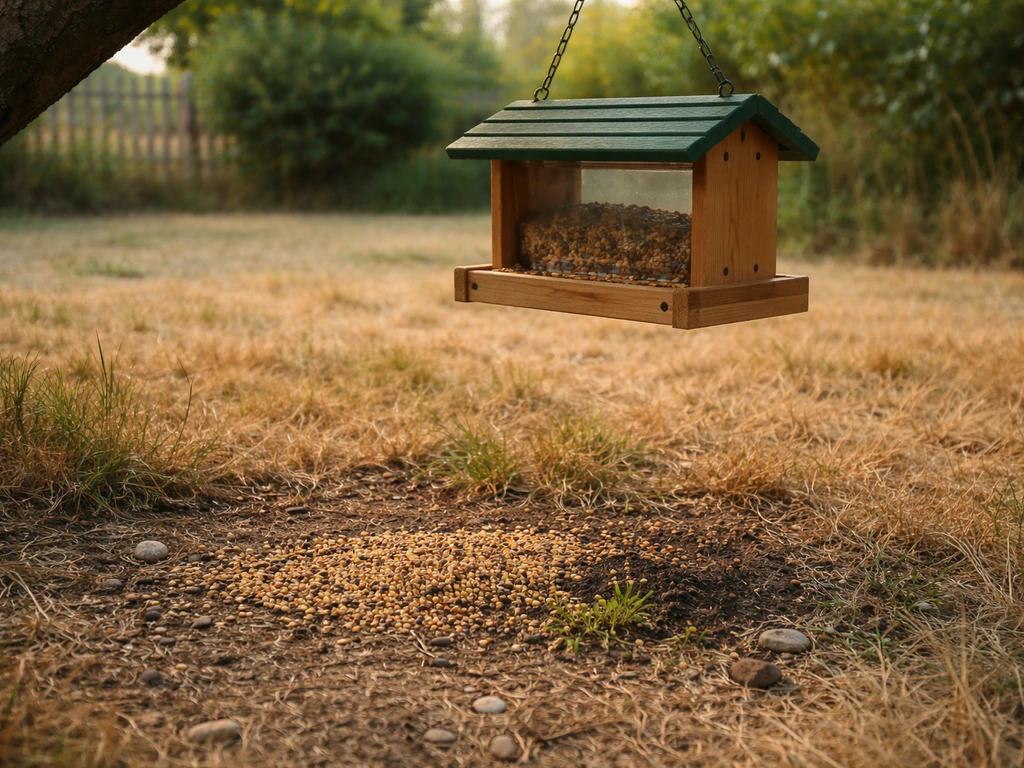
How to Clean Up Bird Seed on the Ground Safely Today
Step-by-step how to clean up bird seed on the ground safely, including wet sprouted seed, surface cleanup, disposal, and
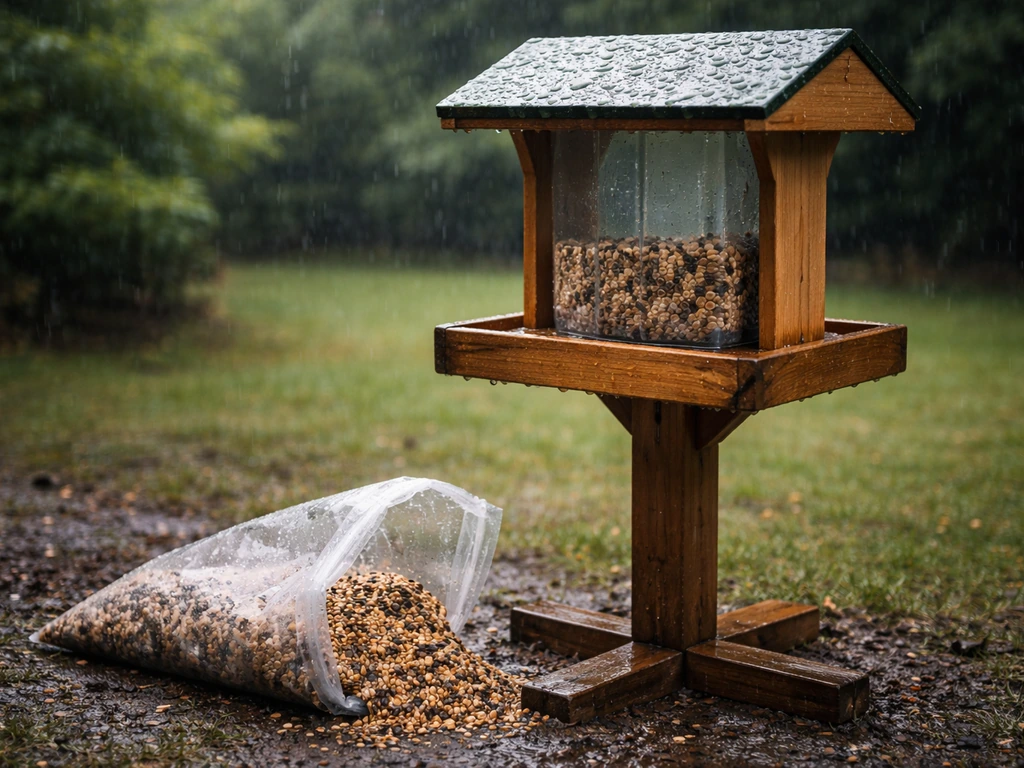
Can Bird Seed Get Wet? What to Do If It Gets Wet
Can bird seed get wet? Learn signs it goes bad, how to dry and inspect safely, and when to toss.