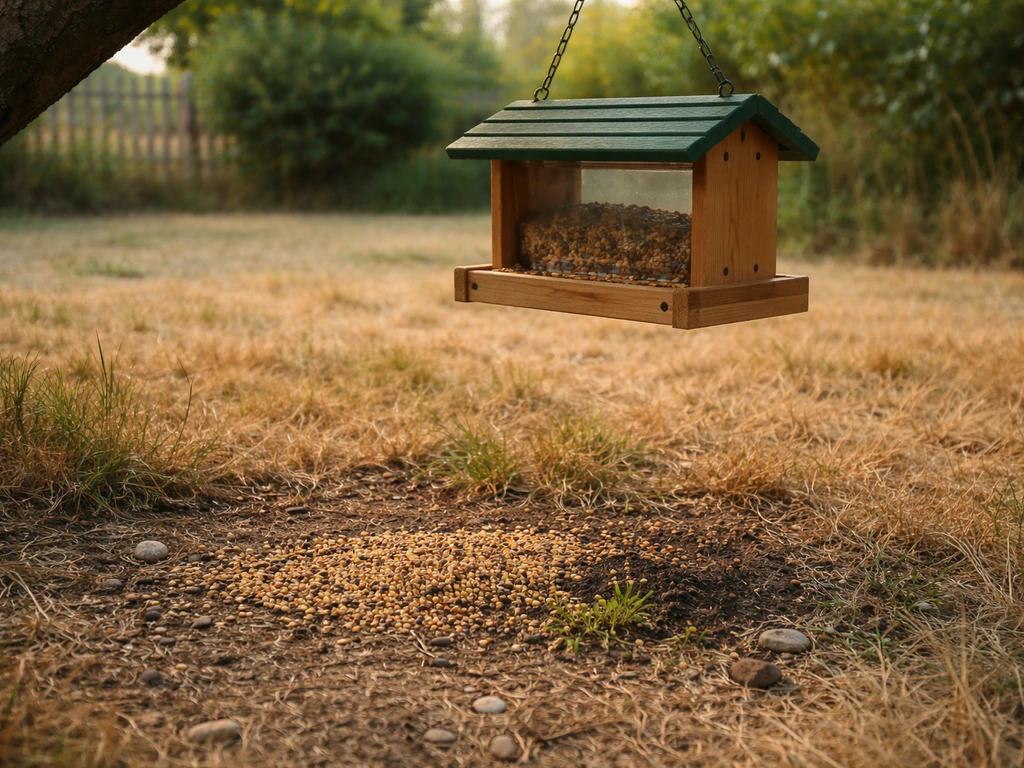
If you have wet bird seed right now, here is the short answer: assess it fast, discard anything that smells off or shows mold, dry and re-sort anything that is just damp, and clean your feeder before refilling. Clemson’s Home & Garden Information Center reports that blank" rel="noopener noreferrer">a 10% bleach solution (1 part bleach to 9 parts water) is the most effective way to get rid of salmonella on bird feeders, and it should be rinsed thoroughly before refilling. Most wet seed is not worth the risk to birds if you wait too long, but lightly damp seed caught early can often be salvaged with a few practical steps. Walk through this guide in order and you will have a clear answer for your exact situation within minutes. If you are wondering whether can bird seed get wet, the answer is yes, and that is why fast inspection matters.
What to Do With Wet Bird Seed: Rescue, Safety, Storage

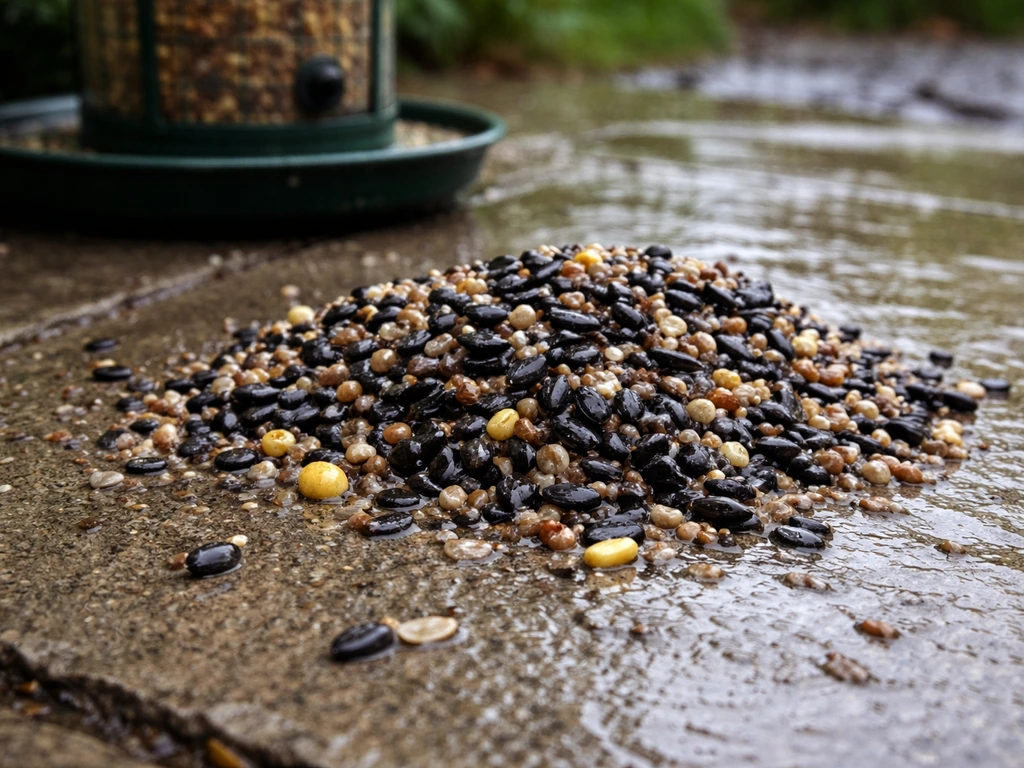
Stop and assess: is this seed worth saving?
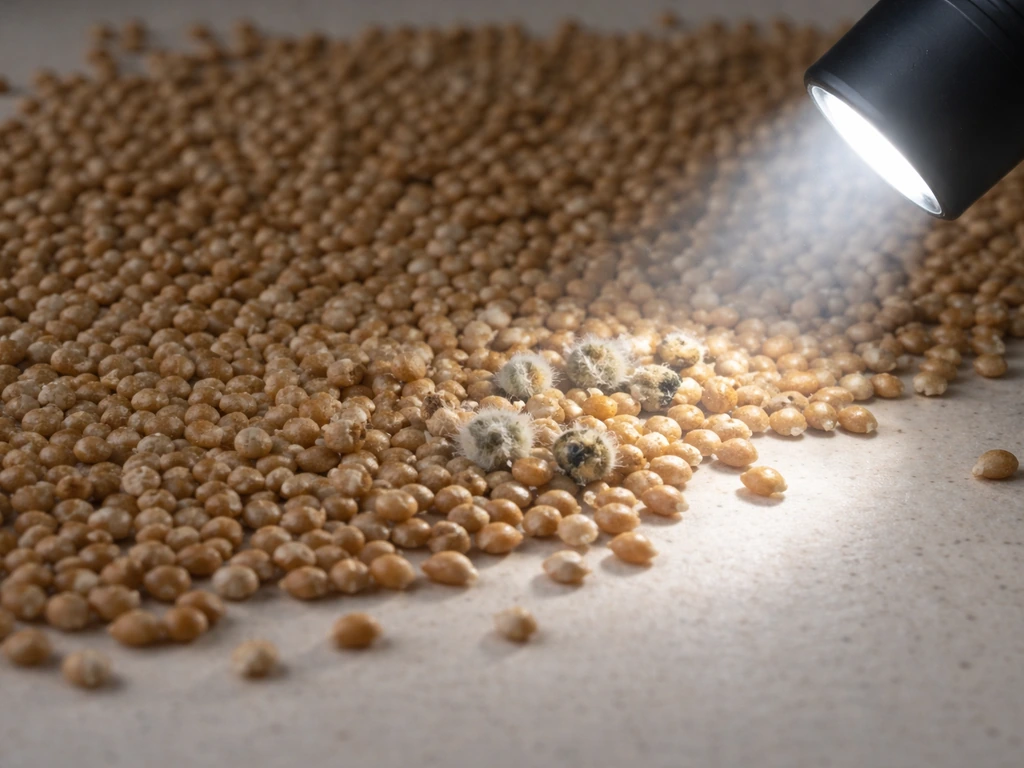
Before you do anything else, check the seed carefully under good light. You are looking for a few specific signs that tell you whether salvage is even on the table. If any of the following are present, skip straight to discarding and do not try to dry or re-use the seed.
- Visible mold: any fuzzy or powdery coating, usually gray, white, green, or black
- Musty or sour smell: fresh seed smells nutty or neutral; a sharp or fermented odor is a red flag
- Clumping with discoloration: damp clumps alone can be dried, but clumps that are also discolored or slimy should go
- Insect activity: webbing, small larvae, beetles, or weevils visible in the seed mass
- Seed that has been wet for more than 24 hours: mold spores can germinate in as little as 12 to 24 hours in warm conditions
If none of those signs are present and the seed got wet recently (within a few hours, say from an unexpected rain shower), it is a legitimate candidate for drying. Lightly damp seed with no smell change, no visible mold, and no pest activity can be spread out and dried successfully. The key rule is: when in doubt, throw it out. Moldy or spoiled seed can harbor aflatoxins and bacterial pathogens that are genuinely harmful to birds, and no amount of drying reverses that.
Immediate cleanup around wet seed and feeders
The moment you find wet seed, remove it from the feeder or storage area right away. Leaving it in place while you figure out what to do just gives mold more time to establish. Pull the seed out completely, set it aside on a clean surface for assessment, and then turn your attention to the feeder itself.
- Empty the feeder entirely, including any caked seed in the corners or bottom tray
- Discard any seed that is visibly wet, moldy, or smells off into a sealed bag and put it in the trash
- Scrub the feeder with a 10% bleach solution (1 part bleach to 9 parts water) or hot soapy water, paying attention to crevices where seed residue collects
- Rinse the feeder thoroughly and allow it to air dry completely before refilling, at least 1 to 2 hours in direct sun or a few hours indoors
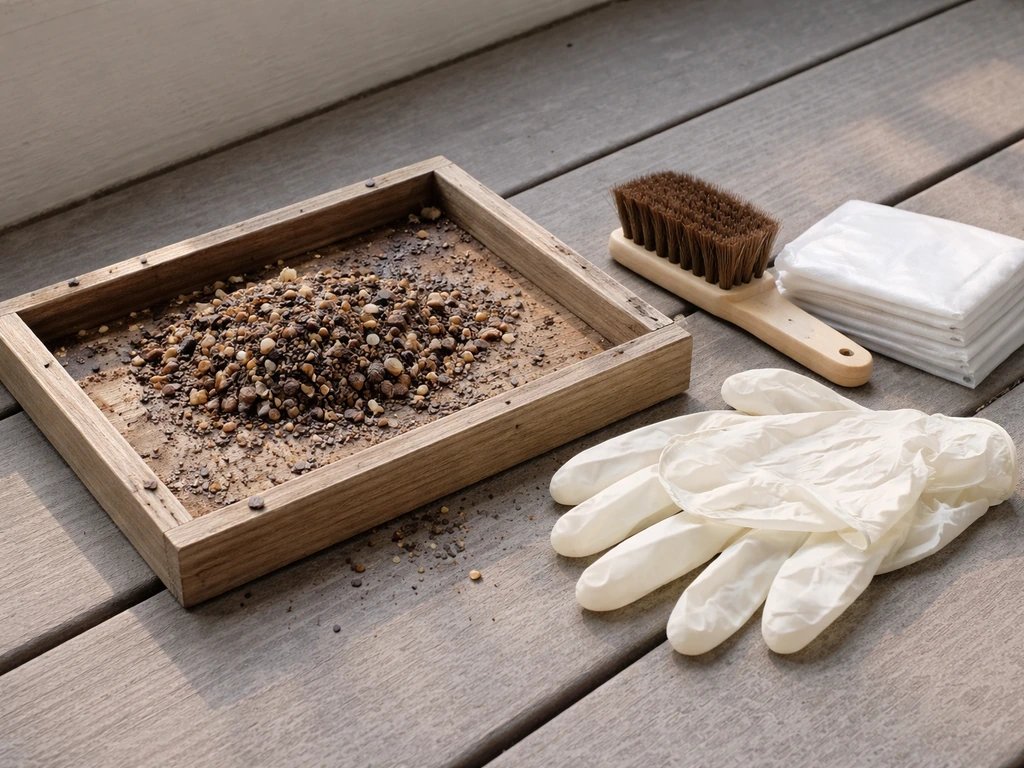
- Clean the area under the feeder: rake up wet hulls, droppings, and fallen seed from the ground and dispose of them, since wet debris on the ground is a breeding ground for mold, bacteria, and rodents
If your feeder has a tray or catch basin that was holding standing water, that is worth addressing structurally. Trays without drainage holes allow water to pool and soak seed from below, which is one of the most common causes of wet seed problems. Drilling a few small drainage holes in the bottom of a plastic or wooden tray takes about two minutes and prevents a lot of future headaches.
How to dry and re-sort wet seed safely
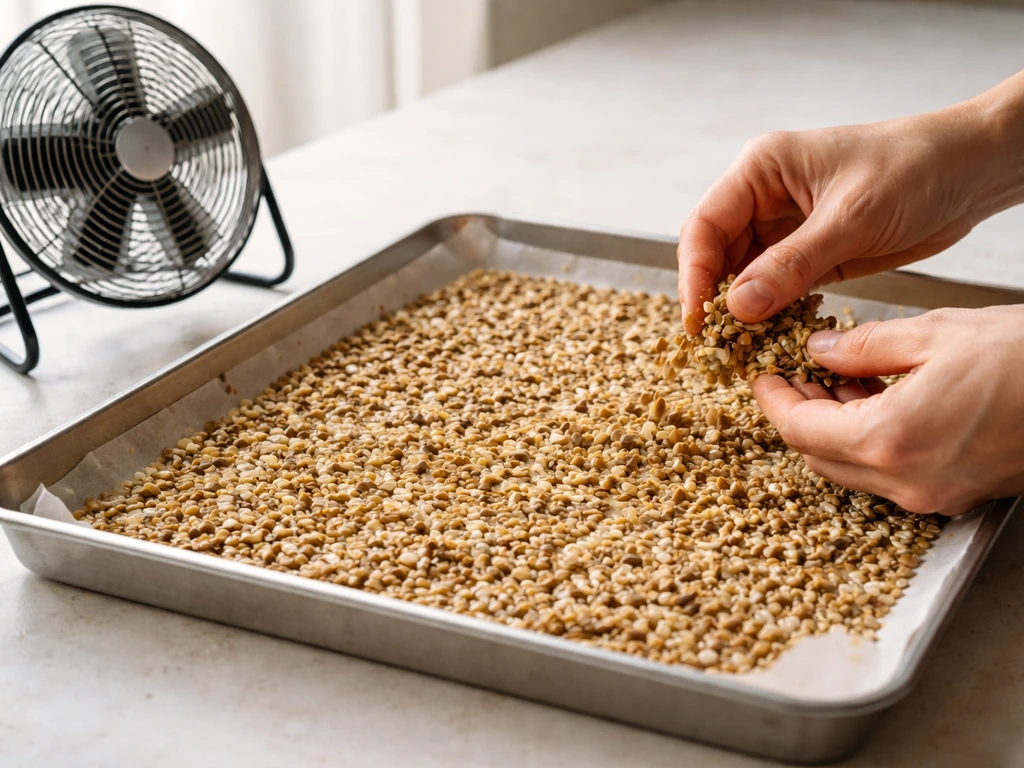
If your seed passed the assessment above (recently wet, no mold, no bad smell), here is how to dry it properly. Do not just leave it in a pile or put it back in a closed container hoping it will sort itself out. Trapped moisture in a container will kick off mold within hours.
- Spread the seed in a single thin layer, no more than about 1/2 inch deep, on a clean baking sheet, mesh screen, or piece of window screen laid on a flat surface
- Place it in a warm, well-ventilated spot: outdoors in direct sunlight is ideal, or indoors near a fan or in a low-heat oven (no more than 150°F / 65°C) for 20 to 30 minutes
- Stir or turn the seed every 15 to 20 minutes to expose all surfaces to air
- Check after 1 to 2 hours: the seed should feel dry and loose, not tacky or clumping when you press it between your fingers
- Once dry, sort through the seed by hand or by pouring it slowly and watching for any discolored, shriveled, or off-looking seeds to remove
- Discard any hollow shells, wet hulls, or debris that was mixed in, as these hold moisture and accelerate spoilage
- Store the dried seed immediately in a clean, airtight container (more on this below) rather than leaving it sitting out
One practical note: denser, oil-rich seeds like black-oil sunflower dry faster and more reliably than mixed seed blends containing cracked corn or millet. Cracked corn in particular absorbs moisture deeply and is very prone to mold even after it looks dry on the surface. If your mix contains a lot of cracked corn and it was fully soaked, I would lean toward discarding that portion and only keeping the larger intact seeds that you can verify are genuinely dry.
Sprouted or wet seed: when it's okay to feed and when it's not
Wet seed that sits in a feeder or on the ground for even a day or two will often begin to sprout. This is a slightly different situation from just-wet seed, and it is worth understanding because sprouted seed is not automatically dangerous.
Freshly sprouted seed with no mold, no smell, and a visible green sprout is actually still nutritious. Some birds will eat it, and small amounts scattered on the ground or on a platform tray are not harmful. However, once sprouted seed sits long enough to develop any mold (which tends to follow quickly in humid conditions), it needs to go. The window between safe sprouted seed and moldy sprouted seed can be as short as 12 to 24 hours in warm, wet weather.
The practical call: if the seed has just started to sprout, feels moist but not slimy, and smells fine, you can put small amounts on a ground tray or platform feeder where birds can access it quickly. Do not put sprouted seed in a tube feeder where it will pack in and trap moisture. If it is not eaten within a few hours, remove it and discard. Do not stockpile sprouted seed or try to dry it for later use, since the sprouting process has already changed the seed's structure and moisture content in ways that make it less stable.
Preventing mold and moisture going forward
Storage containers and practices
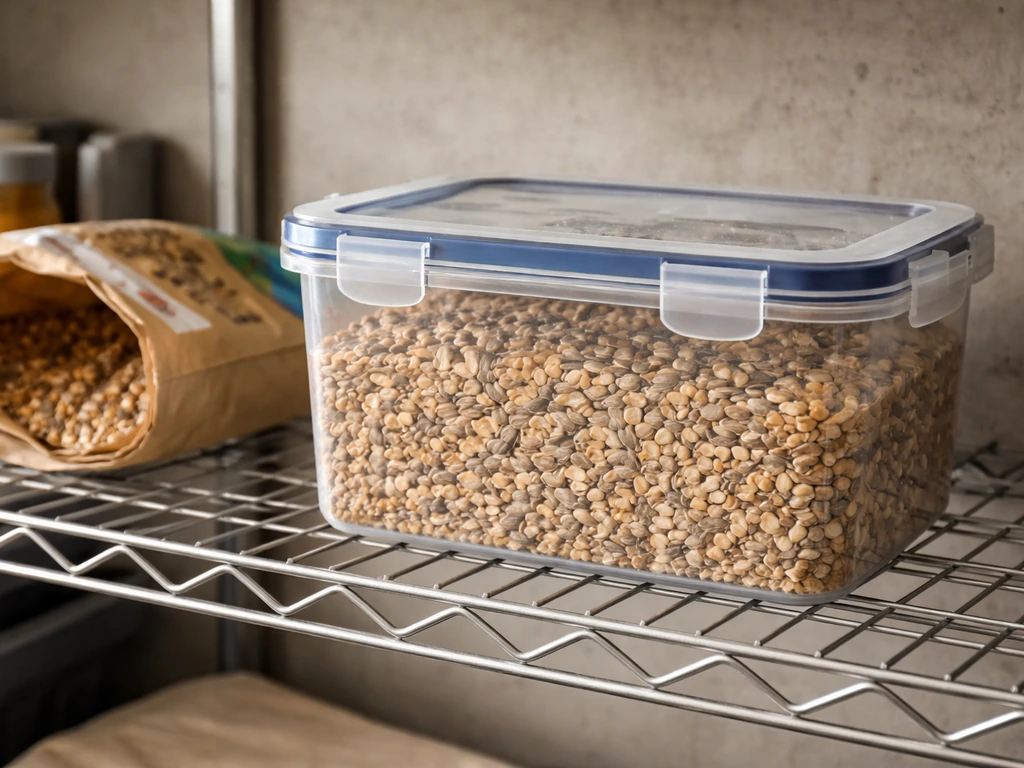
The biggest storage mistake I see is keeping seed in the bag it came in, sitting in a garage or shed where temperatures swing and condensation is common. Bags breathe, and condensation forms when warm air hits a cooler seed mass. Move your seed into a hard-sided, airtight container with a tight-sealing lid: a metal trash can with a lid that clamps down, a food-grade plastic bin with a rubber gasket, or a purpose-built seed storage container all work well. Avoid storing more than a 2 to 4 week supply at a time, especially in summer, since fresher seed is always safer and the longer seed sits, the more exposure it gets to humidity fluctuations.
Keep the storage container off the ground (on a shelf or pallet) to avoid contact with floor moisture, and store it in the coolest, driest spot available to you. A temperature-controlled indoor space beats a garage in most climates. If you are in a high-humidity region (the Southeast, coastal areas, or anywhere with hot humid summers), consider adding a food-safe desiccant packet inside the container to absorb ambient moisture. Replace those packets monthly during the humid season.
Feeder placement and drying practices
Position feeders in spots that get some direct sunlight and air movement. A feeder hanging in a shaded, still corner under a roof overhang may stay dry in rain, but it also dries slowly and traps humidity. A balance of rain protection and good airflow is the goal. Adding a weather guard (a dome or baffle above the feeder) keeps rain off while still allowing air circulation.
During wet weather, shake your feeders daily to break up any clumps and encourage moisture to move through. This is a simple habit that prevents seed from packing and going stale in the lower portion of tube feeders, where moisture collects first. Only fill feeders with as much seed as birds will eat in 1 to 2 days during rainy or humid periods, rather than topping them off to capacity. A half-full feeder that gets refreshed often is far better than a packed feeder where old damp seed sits at the bottom for a week.
What wet seed attracts and how to handle pests
Wet seed is a beacon for pests. Mold spores, rodents, insects, and bacteria all find wet, decaying seed highly attractive. If you have had a wet seed problem for more than a day or two, it is worth actively checking for the following.
| Pest or problem | Signs to look for | What to do |
|---|---|---|
| Grain moths (Indianmeal moths) | Webbing in seed, small larvae, moths flying near storage area | Discard all affected seed, clean container with soap and hot water, freeze new seed for 48 hours before storing to kill any eggs |
| Weevils or grain beetles | Small brown beetles in seed or container, seed feels gritty or powdery | Discard affected seed, scrub container, inspect all nearby seed bags for cross-contamination |
| Rodents (mice, rats) | Droppings near feeder or storage, gnaw marks on bags or containers, seed disturbed at night | Switch to metal airtight containers, clean up ground seed daily, consider raising feeder height or using a baffle on the pole |
| Mold (aspergillus, others) | Fuzzy coating on seed, black or green patches, musty smell | Discard all affected seed, bleach-clean feeder and storage container, improve airflow and reduce moisture |
| Ants | Ant trails leading to feeder or seed storage, seed covered in ants | Use an ant moat on the feeder hook, keep ground below feeder clean, store seed in a container ants cannot penetrate |
If you find evidence of grain moths or weevils in your stored seed, the problem is almost certainly in the storage container or original seed bag, not just the feeder. Discard all the seed from that batch, clean the container thoroughly, and start fresh. Freezing new seed for 48 hours before putting it into storage is a genuinely effective way to kill any insect eggs that were present when the seed was packaged. This is especially worth doing in late spring and summer when insects are most active.
Wet seed and seed debris on the ground under feeders is a particular rodent attractor. Cleaning up fallen seed regularly is not just tidiness, it is pest control. If rodents are already visiting, removing the food source (wet or otherwise) under the feeder is the most effective first step before trying traps or other measures.
Feeder setup and routines to keep seed dry
Matching feeder type to seed type
Not all feeders handle moisture the same way, and the seed type matters too. Tube feeders with small ports are great at keeping seed dry in moderate rain because most of the seed is enclosed, but they can be a problem with mixed seed blends that contain powdery or fine elements (like millet dust or cracked corn) that pack when damp and block the ports. For mixed seed blends, a hopper feeder with good drainage or an open platform tray with mesh flooring gives you better airflow and easier cleaning.
Black-oil sunflower seed and safflower are among the easiest seeds to manage in any feeder type because their hard shells resist moisture absorption longer than softer seeds. Nyjer (thistle) seed in a tube feeder is particularly vulnerable to moisture because the tiny seeds compact easily when wet, so check nyjer feeders after every rain and replace seed that feels sticky or clumped. Suet cages should be shaded in summer and checked weekly since fat-based suet goes rancid faster in heat and humidity.
Practical daily and weekly habits
- Check feeders after every significant rain and shake or tap them to break up any moisture pockets
- Fill feeders to no more than a 1 to 2 day supply during rainy or humid stretches
- Clean feeders with a hot water and soap scrub (or dilute bleach rinse) every 2 weeks, more often if you see any mold or notice fewer birds visiting
- Rake or sweep up seed hulls and debris under feeders at least once a week, more often in wet weather
- Inspect your seed storage container each time you refill, looking for any moisture, condensation inside the lid, or clumping near the bottom
- In humid climates (Southeast US, Pacific Northwest, coastal areas), do all of the above more frequently and consider reducing the number of feeder types to only those with the best drainage
The underlying pattern with wet seed problems is that small issues compound fast. A little moisture today is mold tomorrow and a pest problem the week after. The FDA notes that mold growth on food and feed depends on factors such as temperature, humidity, and rain blank" rel="noopener noreferrer">Mold growth depends on temperature, humidity, and rain. The feeders and routines that prevent wet seed from being a problem in the first place are mostly about reducing the amount of time seed sits wet in any location, whether that is in a tube, on a tray, on the ground, or in a storage bin. Keep quantities manageable, refresh often, dry completely between refills, and you will rarely have to deal with this issue again.
FAQ
If the wet seed still looks okay, can I just put it back in the feeder right away?
Not right away. Even when the surface looks fine, moisture can remain trapped inside the mass. Spread the seed out to inspect again, then re-fill only after it feels dry throughout (not just on top). If it was fully soaked or sat overnight, discard instead of “hoping it dries” in the feeder.
How long can bird seed stay wet before it becomes unsafe?
There is no exact safe time, because mold can start quickly in warm, humid conditions. As a practical rule, treat seed as salvageable only when it was damp for a short period (hours) and shows no odor change, no visible mold, and no pest activity. If it has been wet for a day or two, especially outdoors or in a feeder, lean toward discarding.
What does “off smell” mean, and is any odor a reason to discard?
Use your nose as a detection tool: if it smells sour, musty, rancid, or “fermented,” that is a discard signal. A normal fresh-seed smell is fine. If you are unsure, the safest decision aid is to throw it out, since drying later will not reliably remove toxins from advanced spoilage.
Can I dry wet seed in the oven or microwave?
Avoid heat-drying methods unless you can control temperature gently and evenly. High heat can damage seed viability and may cause scorching that encourages spoilage later. The safer approach is air-drying with spread-out seed and good airflow, then re-sorting to remove any questionable pieces.
Is sprouted seed safe to feed if there is no visible mold?
Often yes, but only within a short window. If it has a visible green sprout, smells normal, and feels moist but not slimy, small amounts can be offered briefly. Do not stockpile or try to dry it for later, because sprouted seed can tip into mold rapidly as humidity rises.
Should I feed sprouted seed in a platform tray or on the ground only?
Yes, when you are trying to avoid trapping moisture. Platform trays or scattering on a ground surface helps prevent packing. Tube feeders and other enclosed feeders can trap moisture behind the seed and make clumps that spoil faster, so use them only for seed that is fully dry.
What if my feeder ports are clogged with damp seed, but I do not see mold?
Even without mold, clogging can mean the seed is still holding moisture and will worsen next time it rains. Remove all seed from the feeder, clean it thoroughly, then re-fill only after the seed is dry. If you have a mixed seed blend, consider switching to a feeder type that drains well or a simpler mix to reduce fine-particle packing.
Do I need to discard the whole bag if only part got wet?
Not automatically, but you do need to separate and verify. If the wet portion is cracked corn or heavily mixed with fine elements that absorbed water deeply, discarding that portion is often safer. Keep only the larger intact seeds you can confirm are genuinely dry throughout.
How do I clean a feeder after wet seed so I do not re-contaminate fresh seed?
Clean out all residue and debris, not just the remaining seed. Focus on seams, tray corners, and any drainage areas where dampness sits. Let the feeder fully dry before refilling so you do not trap moisture against the next batch of seed.
What should I do if the wet seed keeps coming back during rainy weather?
Change the system, not just the seed. Use smaller fill amounts, refresh more frequently, add a weather guard for rain protection, and prioritize airflow. If your feeder design allows pooling (for example, a tray without drainage), fix drainage or switch feeder styles to prevent standing water from soaking seed from below.
Is freezing new seed before storage really necessary if I have never seen bugs?
It is optional, but it is a strong risk reducer. Freezing new seed for about 48 hours can kill any eggs that were present when it was packaged, so you do not get a delayed infestation later. This is most worth it in late spring through summer or if you store seed for longer than a few weeks.
Where should I store seed to prevent condensation and mold?
Store it in a hard-sided, airtight container, and keep it off the floor. The most important detail is location relative to temperature swings, garages and sheds are common condensation sources. In high-humidity regions, adding a food-safe desiccant inside the container can help, and you should replace it during humid months.
If I see rodents under the feeder, should I still feed birds?
Pause feeding until you remove the attractant. Wet or fallen seed under feeders is a high-value food source for rodents. Clean up dropped seed regularly and consider reducing or stopping seed offerings briefly while you confirm the area is less inviting, then restart with smaller fill amounts and faster refresh routines.
How to Clean Up Bird Seed on the Ground Safely Today
Step-by-step how to clean up bird seed on the ground safely, including wet sprouted seed, surface cleanup, disposal, and