If you're seeing small moths fluttering around your bird seed storage, or you've noticed silky webbing clumped through the seed itself, you're almost certainly dealing with the Indianmeal moth (Plodia interpunctella). The good news: you can solve this today with a clear sequence of steps, no pesticides needed. The bad news: if you ignore it, one infested bag can spread to every container in your storage area within a few weeks. Here's exactly what to do.
How to Get Rid of Moths From Bird Seed Step by Step

Maya Collins
10 Apr 2026
What you're actually looking at and why it happens
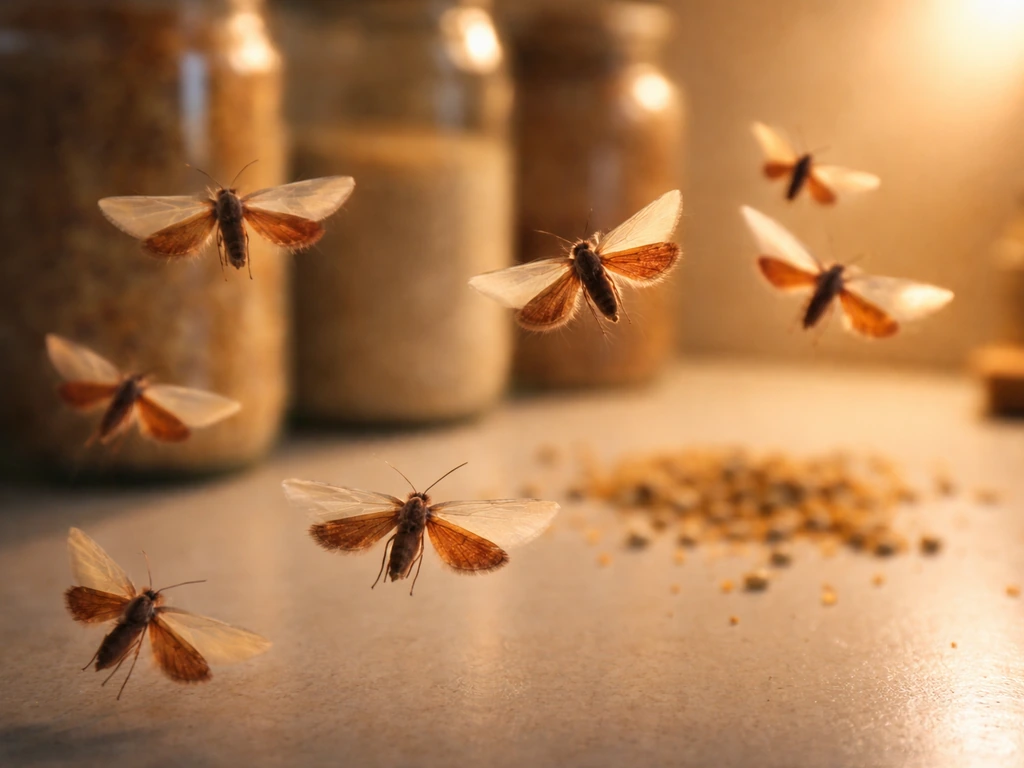
Adult Indianmeal moths are small, about 10 mm (0.4 inch) long, with a distinctive two-tone pattern on their wings. You'll often see them hovering near light sources or fluttering when you open a storage bin. But the adults aren't the real problem: the larvae are. They're the ones tunneling through your seed and spinning the silky webbing you see matted across the surface or clumped between seeds. Along with that webbing, look for cast skins (pale, papery husks) and frass, which is just a polite word for insect droppings mixed into the seed. White silken cocoons tucked into corners or seams of bags and containers are another telltale sign.
These moths get into bird seed the same way they get into every other stored grain product: they lay eggs in or near the food, and the larvae hatch and start feeding. Eggs can already be present when seed leaves the bag at the store, or moths can find their way into loosely sealed containers at home. Temperature matters a lot here. At a warm room temperature of 77°F (25°C), a full egg-to-adult cycle takes around 30 days.
Push that up to 86°F and it drops to about 25 days. Cool things down to 68°F and you're looking at closer to 60 days. In a warm garage or shed in spring and summer, a single bag of infested seed can support four to six generations in a year. That's why a small problem escalates fast.
Stop the spread before you do anything else
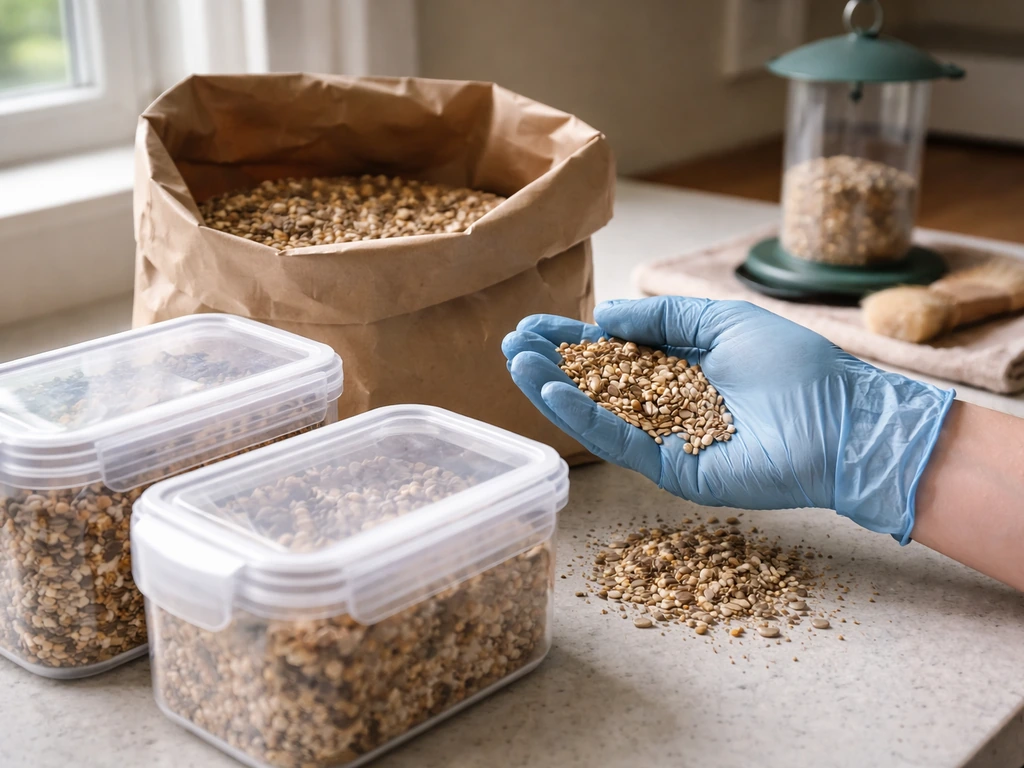
Before you start sorting or cleaning, isolate everything. Pull out every bag, bin, and container of bird seed from your storage area and move them away from each other. Moths don't stay in one bag: the adults fly and lay eggs across nearby food sources, and larvae can crawl between containers that are touching. Set each item on a table or tarp outside if the weather allows, or spread them out on a hard floor you can clean afterward.
Check every single item individually, including any other dry stored goods nearby (pet food, grass seed, dried corn). If you find webbing, larvae, or cocoons in anything, seal it immediately in a heavy-duty plastic bag and knot it closed. Don't leave infested bags sitting open indoors while you work through the rest of the process. You want those eggs and larvae contained before they disperse further.
Getting moths out of the bird seed: sorting, discarding, and your treatment options
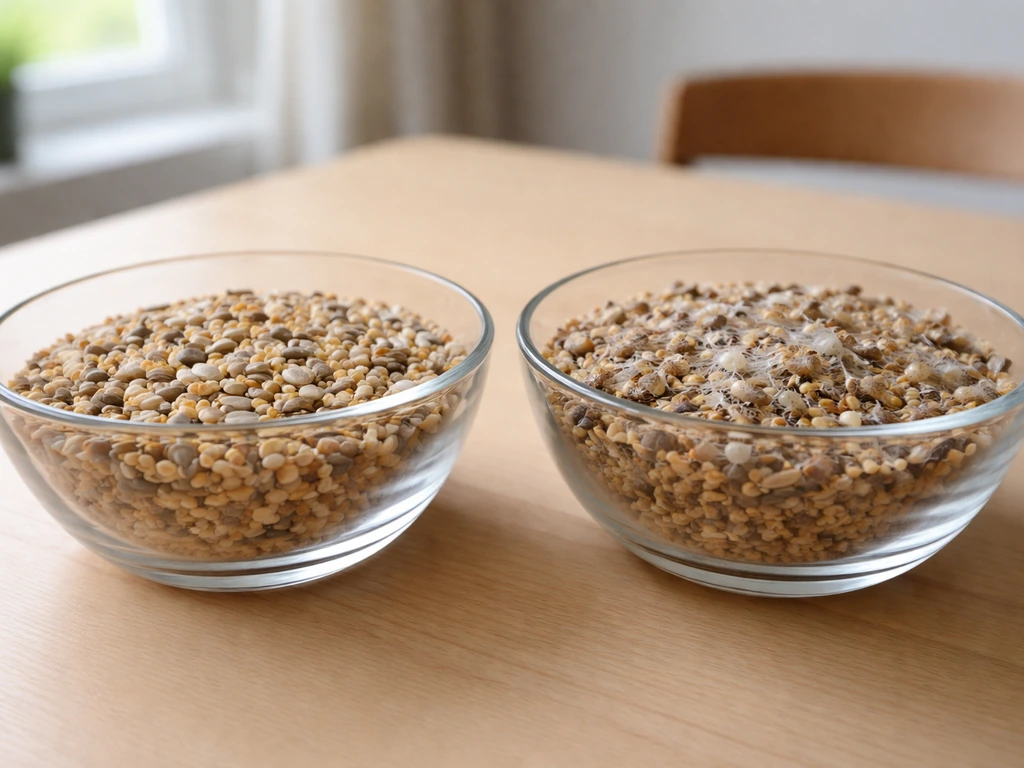
For heavily infested seed, the fastest and most practical call is to discard it. Seal the infested batch in a plastic bag, take it directly outside to a trash bin, and remove it from your property promptly. Trying to salvage badly webbed seed by picking through it is tedious and rarely complete, since eggs are invisible and the larvae can be deep in the bag. If protecting birds is your goal, giving them clean seed is worth more than saving a few dollars worth of compromised product.
For a lightly infested batch where you can only see a small amount of webbing on the surface and the rest of the seed looks and smells fine, you have two practical options: sifting or freezing. Sifting through a fine mesh removes visible larvae, cocoons, and clumped webbing. After sifting, bag the seed tightly in a sealed plastic bag and [freeze it at 0°F for at least four days](https://www. npta.
org. uk/know-your-foe-the-indian-meal-moth/) for a small package, or up to a week for a larger quantity. This kills any remaining insects and eggs. When you pull it out of the freezer, let it come to room temperature inside the sealed bag before opening it, which limits condensation forming on the cold seed.
Moisture on seed is its own problem, and if you're not sure why that matters, bird seed that gets wet can develop mold quickly and become unsafe for birds.
Heat is the other kill option. Spreading seed thinly on a baking sheet and holding it at 120°F in an oven for 60 minutes (or 130°F for at least 30 minutes) will kill insect life at all stages. Be aware this may affect the viability of any living seed, but for most commercial blends that's not a concern. Skip pesticide sprays around stored bird seed entirely. They're not appropriate for food-contact surfaces and are unnecessary when mechanical and thermal methods work reliably.
Clean every feeder, tray, and container thoroughly
Once the infested seed is gone, you need to clean every surface that seed has touched. Moth eggs and silk cocoons cling to corners, seams, lid edges, and the interior walls of bins. If you skip this step, any eggs left behind will hatch into a new round of larvae that will find their way back into fresh seed.
Storage containers and bins
Empty containers completely and vacuum out the interior, including all seams and lid grooves. The vacuum picks up wandering insects, larvae, and loose eggs before you wash. Follow the vacuuming with a scrub using warm soapy water, paying close attention to any tight corners or ridges where cocoons might be attached. Rinse thoroughly and let containers air-dry completely before putting any seed back in. Damp containers are an invitation for mold as well as pests.
Feeders and trays
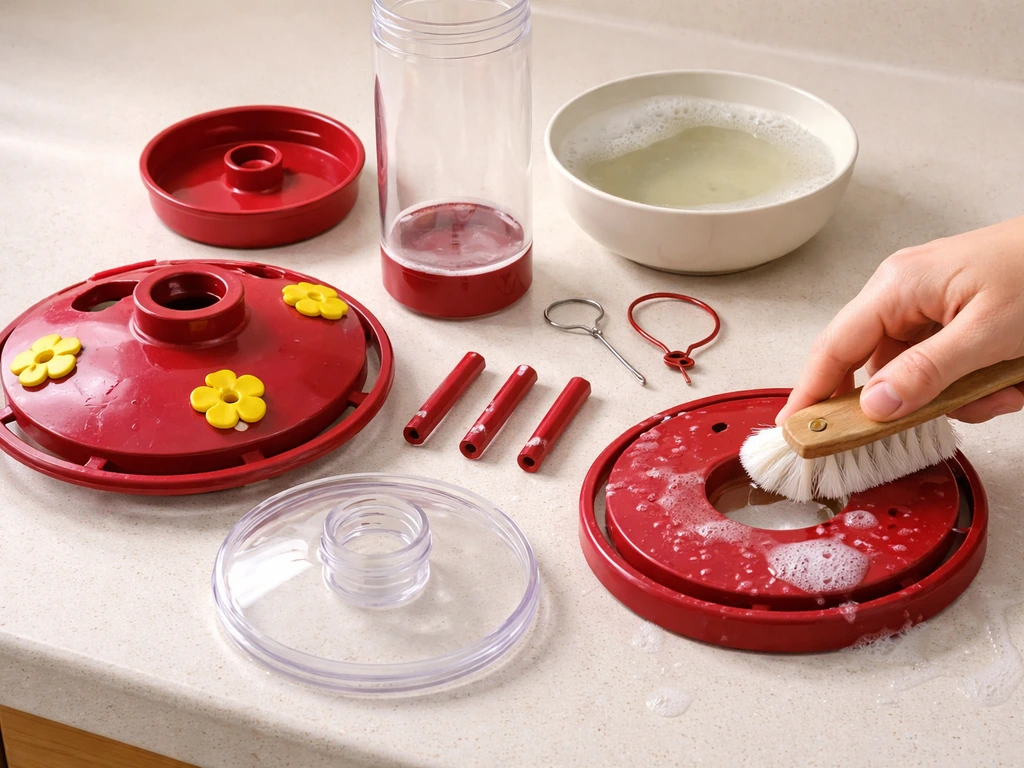
Take feeders apart as far as they'll go. Scrub all parts, including ports, perches, lids, platforms, and hooks, with warm soapy water to remove all debris. For a more thorough disinfection, use a dilute bleach solution (roughly one part bleach to nine parts water) or a hot water and vinegar mix. Rinse every part under running water for at least 10 seconds to remove any residue, then let everything air-dry fully before reassembling and refilling.
Any old seed sitting in the bottom of a feeder tray is a potential egg-laying site, so don't skip the scrubbing step even if it doesn't look obviously infested. The same logic applies to spilled seed on the ground below feeders: cleaning up bird seed on the ground is part of the same hygiene routine and reduces the number of places pests can shelter and breed.
While you're cleaning, inspect the area around your storage space: shelving, wall corners, and even ceiling edges. Indianmeal moth larvae wander away from the food source to spin their cocoons in cracks and crevices, sometimes several feet away. Vacuum these areas and wipe down shelving with soapy water too.
Storage that actually stops moths from coming back
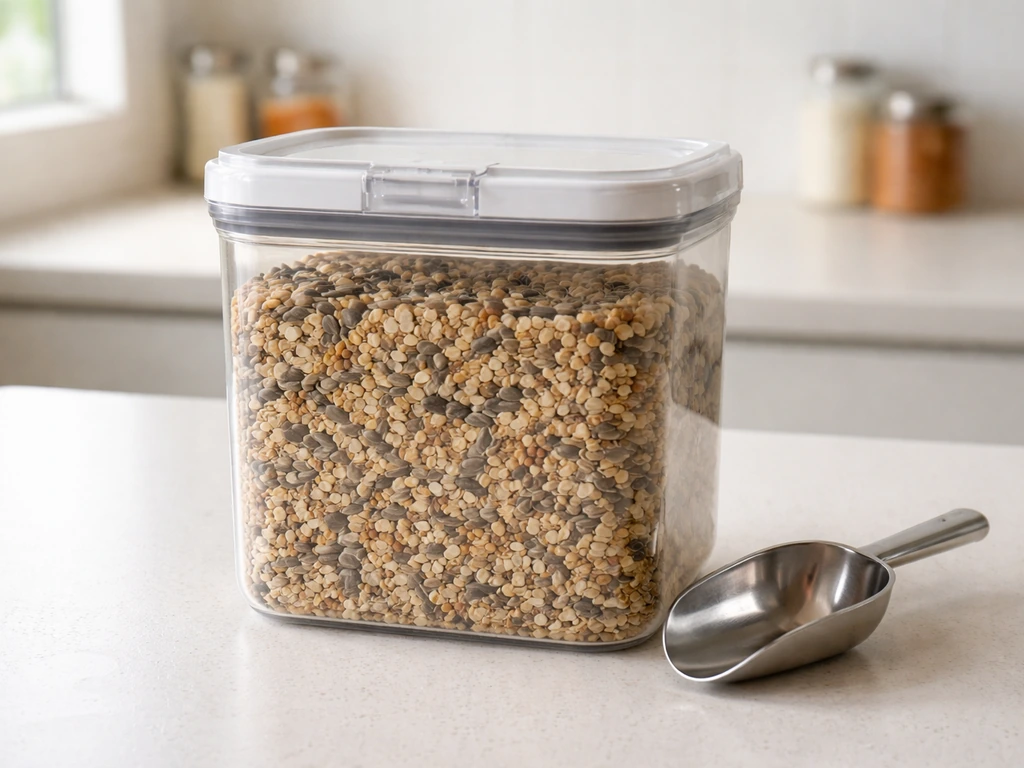
The single most impactful change you can make is switching to genuinely airtight containers. Zip-top bags, loosely rolled bag tops, and flip-lid bins with worn seals all give moths easy access. Hard-sided containers with rubber-gasketed lids (food-grade plastic or metal) are your best option. If a moth can't get in to lay eggs, the cycle stops before it starts. This is especially important if you buy seed in bulk, since large bags sit around longer and give any existing eggs more time to develop.
Temperature is the other major lever. Moth development slows dramatically in cooler conditions, and the ideal storage range to suppress insect activity is around 35°F to 45°F. A garage refrigerator works well for smaller quantities. If refrigeration isn't practical, storing seed in the coolest part of your home or a well-ventilated, shaded outbuilding is better than a hot enclosed space. For new bags of seed you won't use immediately, a few days in a deep freeze at 0°F to −4°F will kill any eggs already present in the bag before you ever open it.
Moisture control matters just as much as temperature. Damp seed clumps and degrades faster, and it creates conditions that invite mold on top of insect problems. Keeping bird seed dry in feeders is part of the same discipline as keeping it dry in storage: both come down to airflow, sealed containers, and not letting seed sit in humid conditions. If you've ever pulled a bag of seed out of a damp shed and noticed it smells off or looks discolored, read up on what to do with wet bird seed before deciding whether it's still usable.
Day-to-day habits that keep moths from building up
Prevention isn't just about containers. How you manage seed at the feeder level makes a real difference in whether moths can get a foothold.
- Fill feeders with only as much seed as birds will eat in two to three days. Leftover seed that sits in a feeder for a week is an incubation opportunity for any eggs already present.
- Rotate your stock: use older seed before newer bags, and don't pour fresh seed on top of old seed in a container. Dump and refill rather than top off.
- Buy seed in quantities you'll use within four to six weeks. Large bulk purchases look cost-effective but can result in seed sitting long enough for multiple moth generations to develop.
- Inspect new bags before storing them. If you see webbing or clumping at the store, don't buy that bag.
- Keep storage areas clean and uncluttered. Empty cardboard boxes, old fabric, and accumulated debris near seed storage give moth larvae extra places to pupate.
It's also worth knowing that Indianmeal moths aren't limited to bird seed. If you see them in your home, check nearby dry goods: cereals, nuts, dried fruit, flour, and blank" rel="noopener noreferrer">pet food are all common targets. The infestation you found in bird seed may have already spread to the pantry, or it may have started there. Treat both areas at the same time. The situation is very similar to dealing with bird seed weevils, another stored-grain pest where thorough sanitation and airtight containers are the core fix.
When the seed is beyond saving and when to get extra help
Discard the seed without second-guessing it if you see any of the following: heavy webbing matted throughout the entire bag, an obvious smell (fermented or musty), visible larvae in large numbers throughout rather than just on the surface, or mold alongside the infestation. These signs mean the seed has been compromised beyond what sifting or freezing can fix, and feeding it to birds isn't worth the risk.
Call a licensed pest control professional if you've thoroughly cleaned out all the seed, scrubbed all the containers, and you're still seeing adult moths flying around three to four weeks later. That usually means there's a hidden source you haven't found, either a forgotten bag in a corner, seed that has spilled into a wall gap or floor crack, or an infestation that originated in the house rather than the storage area. A professional can help locate those hidden spots with targeted inspections and can advise on pheromone traps if monitoring is needed. For most backyard birders, though, a thorough clean-out combined with proper storage containers is all it takes to break the cycle for good.
Quick comparison: your main treatment options at a glance
| Method | Best for | How to do it | Time required | Bird-safe? |
|---|---|---|---|---|
| Discard and replace | Heavily infested or smelly seed | Seal in plastic bag, remove to outdoor trash immediately | Minutes | Yes |
| Sift and freeze | Lightly infested seed with visible surface webbing only | Sift out webbing/larvae, seal in bag, freeze at 0°F | 4–7 days | Yes, once thawed and dried |
| Heat treatment (oven) | Lightly infested seed, no odor or mold | Spread thin, hold at 120–130°F for 30–60 minutes | 1–2 hours | Yes, though viability of living seed is reduced |
| Airtight container storage | Ongoing prevention for all seed | Use hard-sided containers with gasketed lids | Ongoing | Yes |
| Refrigerator or freezer storage | Long-term storage or new bags not used immediately | Store at 35–45°F ongoing, or freeze new bags at 0°F for 2–3 days before opening | Ongoing or 2–7 days for new bags | Yes |
FAQ
If I see moths at the feeder, can I keep using the same seed for now?
Yes. If you discover moth activity after you have already fed the birds, keep a close eye on the feeder area and discard any seed that looks clumped, webbed, or smells off. Then clean the feeder and sweep or vacuum the area beneath it, because larvae often hide where spilled seed accumulates, including in cracks around pavers and deck boards.
Will sifting alone completely stop moths in my bird seed?
Do not. Sifting can remove visible larvae, cocoons, and surface webbing, but eggs are too small to reliably detect. If you keep the seed out instead of sealing and freezing (or heat-treating), eggs can still hatch and restart the infestation.
I found infested seed in one container, but the rest looks fine. Do I have to treat everything?
It is safest to assume you need to treat the whole storage lot. Even if only one bag shows webbing, adults can lay eggs on nearby seed or crawl between touching containers. The article recommends isolating everything and checking other dry goods nearby, because the infestation often spreads before you notice it.
What are the key mistakes to avoid when freezing bird seed to kill moths?
If you use a freezer, keep the seed sealed and let it warm up inside the bag before opening. That limits condensation, which otherwise can create damp seed spots that promote mold. Also, do not rely on short freezes, use the minimum four days for small packages (or longer for larger quantities) to improve odds of killing eggs and larvae.
How do I make sure oven heat actually works without ruining the seed?
Heat works, but it depends on reaching the right temperature throughout the seed. Spreading seed too thickly can leave cooler pockets where insects survive. Also consider that some blends may include living seed or sprouting grains, so viability may drop after heating.
Where else in my home should I look if I see adult moths flying around?
If you already have adult moths flying indoors, do not assume they are only coming from the seed bin. Check nearby dry goods like flour, cereals, nuts, and pet food, because Indianmeal moths frequently spread across all stored grains. Treat storage and pantry cleaning as one combined job.
Should I use pheromone traps or sticky traps to get rid of moths?
You usually do not need sticky traps inside food storage to solve the root problem, but pheromone traps can help with monitoring and confirming the cycle is slowing. If you still see adults a few weeks after full cleaning, that is a signal to locate a hidden source, not just add more traps.
How dry does a feeder or storage bin need to be before I refill it?
Wash, rinse, and dry completely, then reassemble once everything is dry. Dampness increases the chance of mold and can also help any remaining eggs hatch and feed. If a feeder has many crevices, take time to scrub seams, lid grooves, and ports where silk cocoons can be anchored.
When is it better to discard the seed instead of trying to salvage it?
If the seed is heavily webbed throughout, has a fermented or musty odor, shows lots of visible larvae spread across the bag, or has mold present, discard it. Picking through badly compromised seed is unreliable because eggs and larvae can be deep inside and not removed by cleaning.
If I cleaned everything and still see moths later, what hidden source should I suspect first?
Look specifically for hidden accumulation points: corners behind stored bags, along shelving edges, interior bin seams, and cracks near the floor. If adults keep appearing after you have cleaned and sealed everything, the missing source is often a spill that got into a crack or a forgotten stash in a closet or under a bench.
Next Article
How to Make Bird Seed Last Longer: Storage and Fixes
Learn how to make bird seed last longer with proper storage, humidity control, pest prevention, and fixing wet or moldy