Bird seed balls are simple to make: combine bird seed with a safe binder (gelatin, lard, or egg whites), press into golf-ball-sized rounds, and let them dry for at least 6 hours before hanging or placing them outside. Done right, they last several days in cool weather, attract a solid mix of backyard species, and are far less wasteful than a loose-fill feeder.
Bird Seed Balls Instructions: DIY Steps, Ratios, and Safety Tips
Maya Collins
27 May 2026
What bird seed balls are and why birds eat them
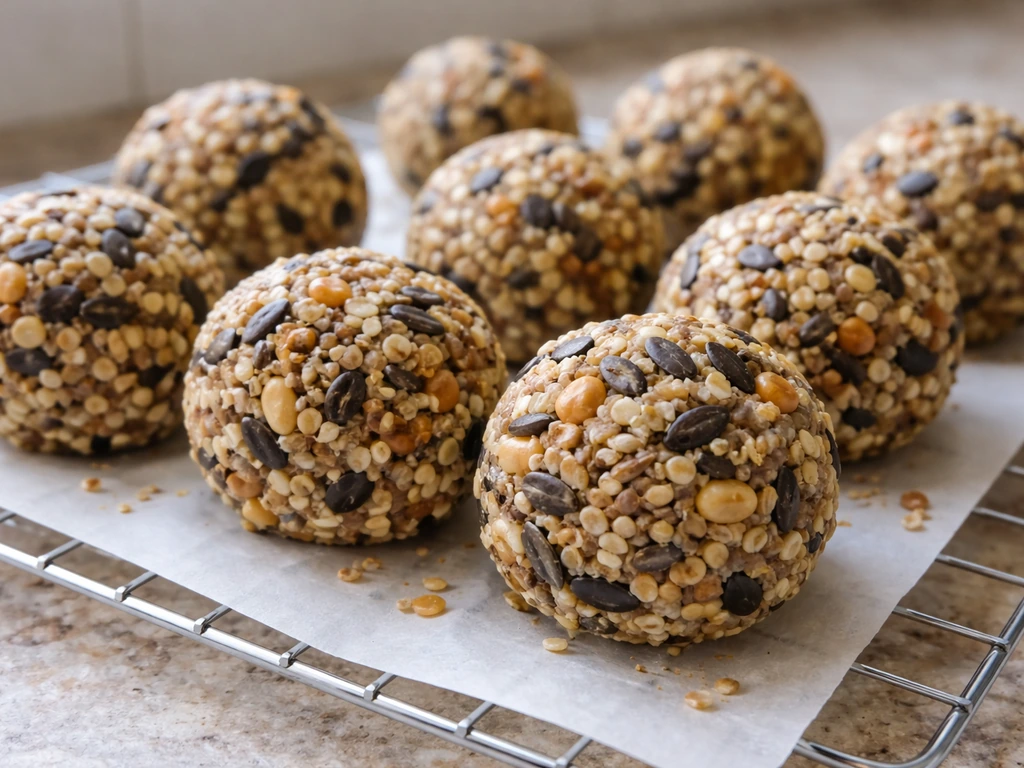
A bird seed ball is exactly what it sounds like: bird seed pressed together with a binder into a compact, dense shape. The Wild Bird Feeding Institute calls this format a "seed cake or bell" held together with a "safe fixative. " The compact shape keeps more seed in one place, reduces scatter, and lets high-energy ingredients like fat, peanut butter, or suet do their job without melting away immediately.
Birds eat them for the same reason they eat anything: caloric density. Seed balls pack sunflower seeds, millet, peanuts, and fat into one spot, which is especially appealing during migration and winter when birds need to refuel quickly. Chickadees, nuthatches, woodpeckers, finches, and sparrows are the most reliable visitors, and the U. If you want to choose the right mix, use this bird seed guide to match seed types to the birds you hope to attract. S.
Fish & Wildlife Service notes that supplemental feeding stations like these can meaningfully increase food opportunities for birds in habitat-limited areas along migratory routes.
Ingredients and ratios that actually work
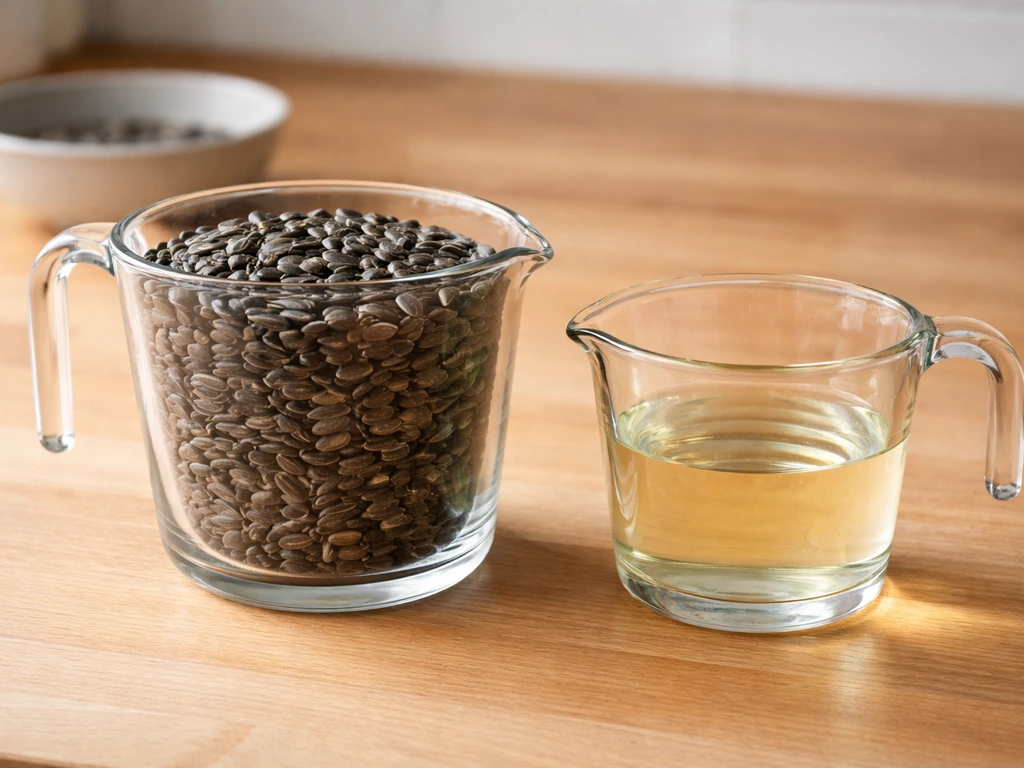
The seed mix itself should be the main ingredient, not the binder. A good general ratio is about 2.5 cups of seed mix to 1 cup of binder liquid (or its equivalent in fat). Here's a breakdown of what goes in and what proportions to use:
| Ingredient | Role | Suggested Amount | Notes |
|---|---|---|---|
| Black-oil sunflower seeds | Core seed, high fat, widely eaten | 1 cup | Works in all formats |
| White millet | Secondary seed, attracts ground feeders | 0.75 cup | Combine with sunflower |
| Chopped peanuts or peanut hearts | High protein and fat | 0.5 cup | Unsalted only |
| Cornmeal | Filler/binder support | 0.25 cup | Adds texture, helps firm up |
| Gelatin (unflavored) | Binder for water-based method | 2 Tbsp per 1 cup boiling water | Sets firmly when cooled |
| Lard or beef suet (rendered) | Fat binder for suet-style balls | Equal parts to seed by volume | Cold-weather use only |
| Egg whites | Protein binder for firm bells | 2–3 whites per 2.5 cups seed | Needs full drying to be safe |
Avoid adding salt, sugar, honey, bread, or flavored peanut butter. These either offer no nutrition or actively harm birds. The expert warning from the RSPB aligns with this: fillers with no nutritional value (like chalk or sawdust in commercial mixes) are a problem, and the same logic applies to DIY additions that pad the mix without feeding the bird.
Step-by-step bird seed ball instructions
Gelatin method (easiest, cleanest)
- Boil 1 cup of water and dissolve 2 tablespoons of unflavored gelatin in it. Stir until completely clear.
- Let the gelatin mixture cool for about 5 minutes so it thickens slightly but is still liquid.
- Pour the gelatin over 2.5 cups of your seed mix in a large bowl. Stir well until every seed is coated.
- If you plan to hang them, push a short loop of natural twine into each ball before it sets.
- Press the mixture firmly into golf-ball-sized rounds (1 to 2 inches across) using your hands or a mold.
- Place them on a parchment-lined tray and let them dry uncovered for at least 6 hours, or ideally overnight. A dry room-temperature surface works best.
- Once fully set and dry to the touch, they are ready to hang or place outside.
Lard or suet method (best for cold weather)
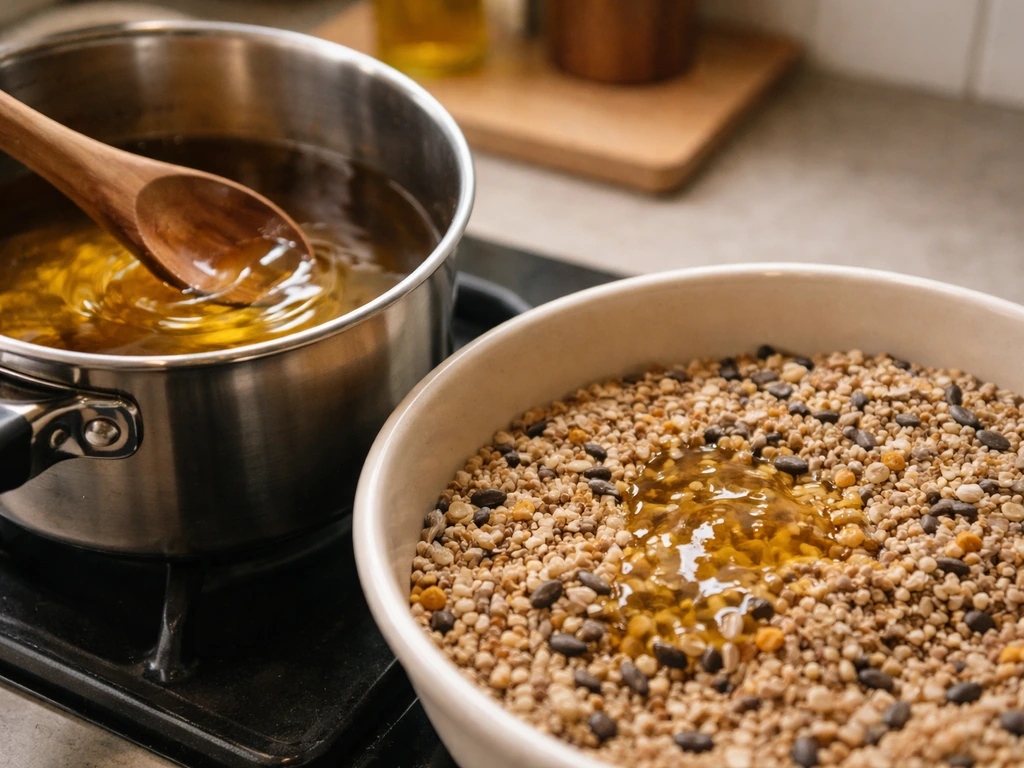
- Gently melt lard or rendered beef suet in a saucepan over low heat. Do not overheat it.
- Mix equal volumes of melted fat with your seed mix. Add cornmeal (about 0.25 cup per 2 cups of seed) to help it firm up.
- Stir in unsalted peanut butter at a ratio of roughly 1 part peanut butter to 4 parts seed if you want extra calorie density.
- Pour into molds, shape into balls, or press into a lined muffin tin for uniform rounds.
- Refrigerate or leave in a cool space until fully set and solid, typically 2 to 4 hours.
Egg white method (no-cook option)
- Lightly beat 2 to 3 egg whites until frothy but not stiff.
- Fold in 2.5 cups of seed mix until everything is coated.
- Shape into firm balls by squeezing firmly in your palm.
- Set on a wire rack or parchment and allow to air-dry for at least 6 to 8 hours. Full drying is critical here because undried egg is a mold and bacteria risk.
- If drying indoors, a fan on low helps speed the process safely.
Best binders and what to skip
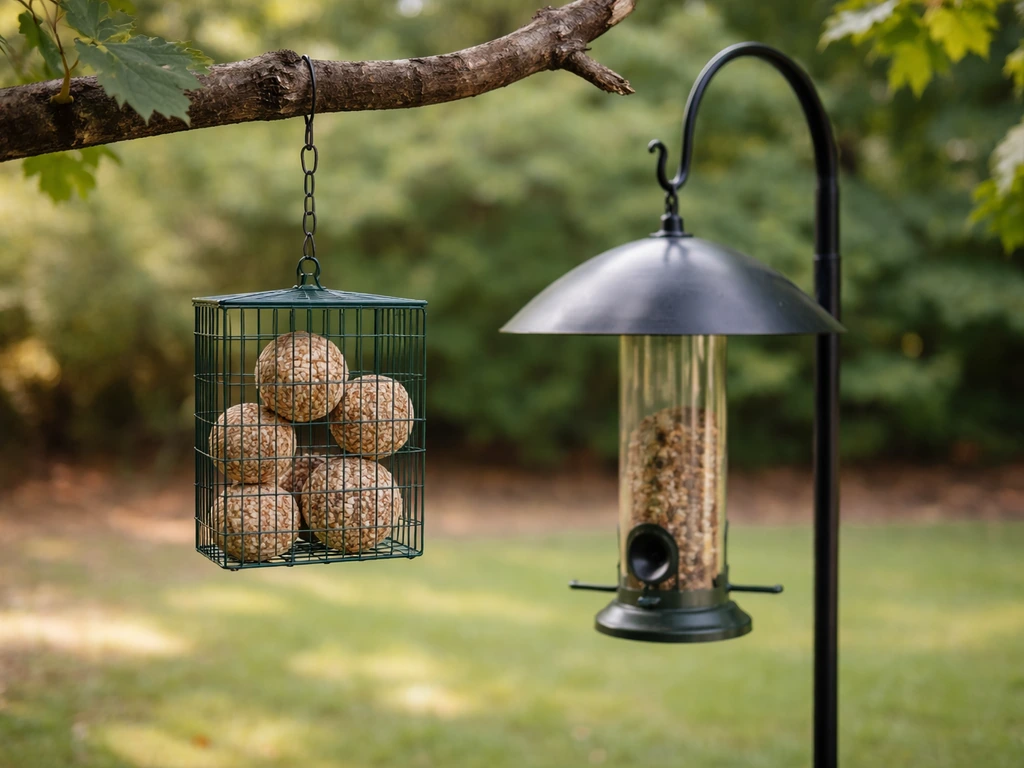
The three binders above (gelatin, lard/suet, egg whites) are the safe choices. Gelatin is the most forgiving and works in any season as long as temperatures stay below about 75°F outside. Lard and rendered beef suet are excellent in fall and winter because cold keeps them firm and prevents rancidity. Egg whites work well for a quick, fat-free version, but they need thorough drying.
What to skip: Virginia DWR explicitly warns against suet-style fat offerings in warm weather because they go rancid quickly and the melted fat can coat birds' feathers, which is genuinely dangerous for them. So if you are making seed balls in May through September, stick to gelatin or egg white binders and avoid fat-heavy recipes entirely. Also avoid flour as a primary binder (it makes the mix gummy and prone to mold), glycerin (it slows drying and invites fermentation), and anything sweet or flavored. Corn syrup, honey, and fruit juice may attract the wrong visitors and accelerate spoilage.
| Binder | Best Season | Sets How | Key Risk | Safe for Birds? |
|---|---|---|---|---|
| Unflavored gelatin | All seasons (under 75°F) | Air-dry 6+ hours | Melts in heat | Yes |
| Lard / beef suet | Fall and winter only | Refrigerate or cool air | Rancid in warm weather, feather damage | Yes, cold weather only |
| Egg whites | Spring, fall, cool days | Air-dry 6–8 hours | Mold if underdried | Yes, if fully dried |
| Peanut butter (unsalted) | Cold weather supplement only | Firms when cold | Rancid in heat, messy | Yes, in small amounts, unsalted |
| Flour | Avoid | Gummy, slow-drying | Mold-prone | Not recommended |
| Honey or corn syrup | Avoid | Stays sticky | Ferments, attracts insects and pests | No |
Where to put them and which birds will show up
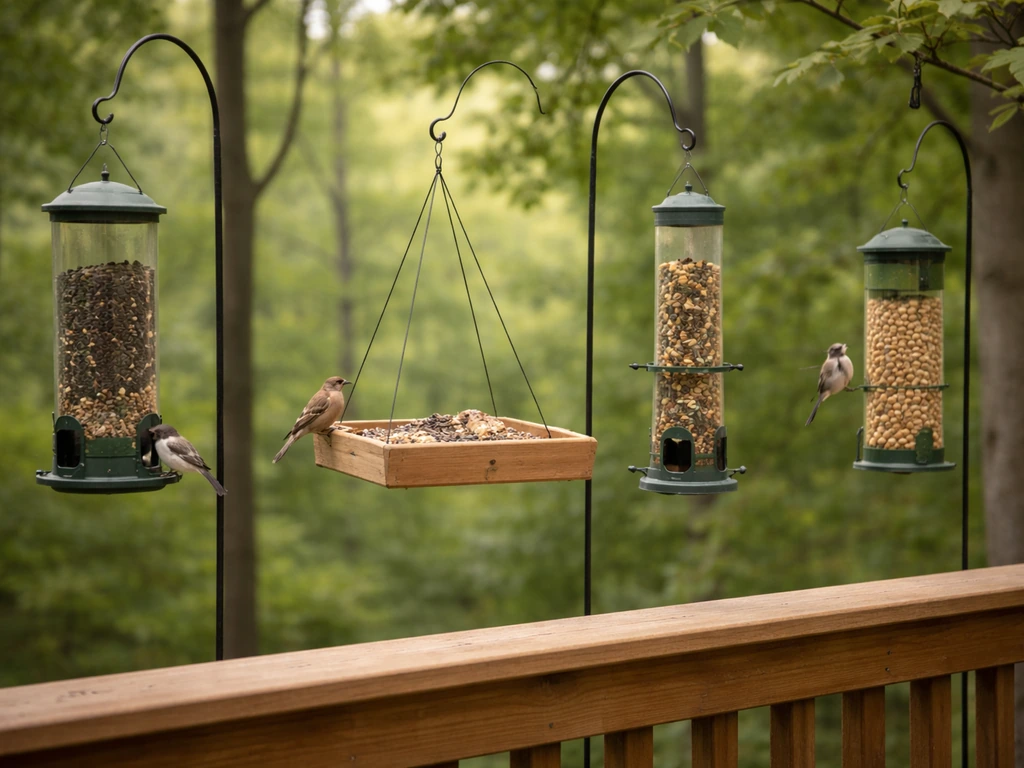
Placement matters as much as the recipe. Hang gelatin-based balls from a suet cage, mesh bag, or natural twine in a shaded spot. Direct sun softens them fast and invites bacteria. Keep them at least 5 feet off the ground to reduce easy rodent access. For fat-based balls, a wire suet cage works best because it holds the shape as the ball softens slightly from bird activity.
If you do not want squirrels dominating, place balls on a pole with a baffle rather than hanging them from a tree branch. Missouri Department of Conservation notes that feeders designed to limit access by weight are the most effective deterrent, so a weight-sensitive squirrel-proof suet cage is worth the investment if squirrels are a serious problem in your yard.
For species targeting: sunflower-heavy balls in a hanging cage will pull in chickadees, nuthatches, titmice, and downy woodpeckers. Millet-heavy balls placed on a low platform or directly on the ground attract sparrows, juncos, and doves. Adding chopped peanuts increases your chances of pulling in blue jays and larger woodpeckers. If you are following a broader seed strategy, the specific seed content you use matters a lot, and it is worth understanding what different seed types attract.
If you are wondering what bird seed is best to use, the different seed types each bring their own visitor mix and flavor profile seed types attract. Using bird seed can also help you fine-tune the mix for the birds you want to attract. If you want the best results from your broader seed strategy, this bird seed guide can help you choose the right seeds by season and species.
Troubleshooting common problems
Ball falls apart or crumbles
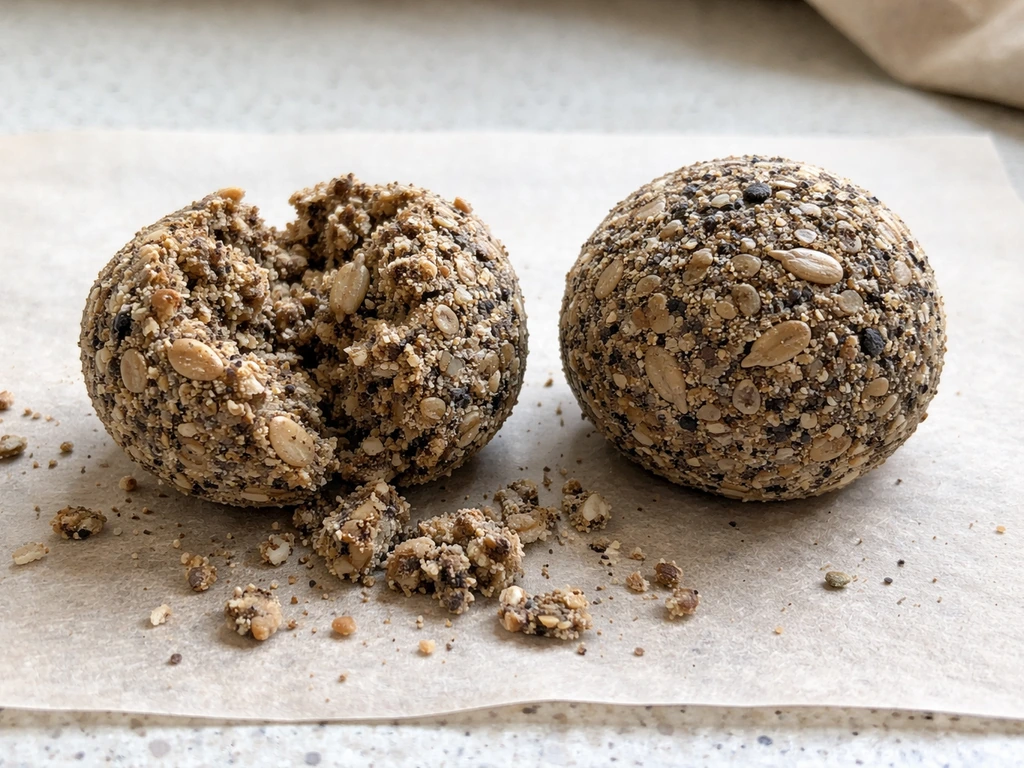
Usually a binder ratio problem. You either used too little binder or did not let it set long enough. For gelatin balls, make sure you dissolve the full 2 tablespoons per cup of water and that you squeezed the mixture firmly before setting. Wet seed also prevents proper adhesion, so start with dry seed only.
Mold appears on the ball
Minnesota DNR confirms that mold and bacteria form quickly on wet birdseed, especially in humid or rainy weather. If you see white or grey fuzz on a seed ball, remove it immediately. Do not try to pick off the moldy section and leave the rest. The U.S. Fish & Wildlife Service warns that pathogens including salmonella can grow in moldy, wet bird food, and that contaminated food can make birds seriously ill. Dispose of moldy balls in a sealed bag in the trash, not on the ground. To prevent mold: dry balls fully before putting them out, hang them under a covered feeding station or roof overhang, and never leave them out after rain without checking them.
Balls go soft and greasy in warm weather
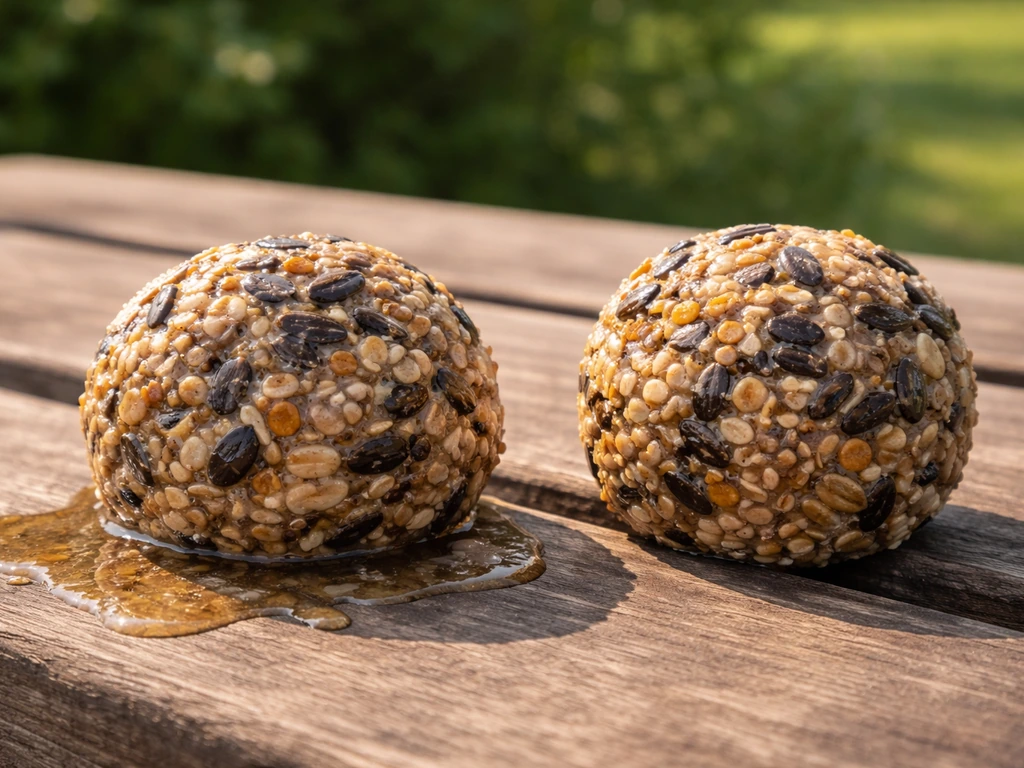
This is a fat-binder problem. If you made suet or lard-based balls and the temperature climbs above 60 to 65°F, they will soften, leak oil, and eventually go rancid. Virginia DWR's guidance on this is clear: stop offering fat-based bird food in warm weather. Switch to the gelatin or egg white method for spring through early fall. If you are in a warm climate year-round, gelatin is your default binder.
Squirrels or rodents are getting to them
USDA APHIS recommends not letting bird food accumulate on the ground, which is the first rule of rodent prevention. Pick up any dropped seed or broken ball pieces daily. Hang balls on a pole-mounted cage with a squirrel baffle rather than from tree branches. If rodents are a recurring issue, consider reducing the amount you put out at once so it gets eaten within a day or two, rather than sitting out overnight.
Cleanup under the feeding area
Audubon recommends removing seed hulls and debris under feeders regularly because that buildup is where mold and disease concentrate. Virginia DWR’s bird-feeding-basics guidance also stresses cleaning and maintaining feeders and removing problematic food, such as when it becomes wet or dirty and can lead to mold or disease cleaning and maintaining feeding areas and feeders. For seed balls specifically, broken pieces fall and pile up fast. Lay a tray or piece of hardware cloth underneath to catch debris. Sweep or rake the area every few days, and more often in wet weather. K-State Extension makes the point plainly: cleanup directly reduces mold risk. Wet, hull-heavy debris under a feeder is not just unsightly; it is a disease vector.
Storing seed balls and making them last
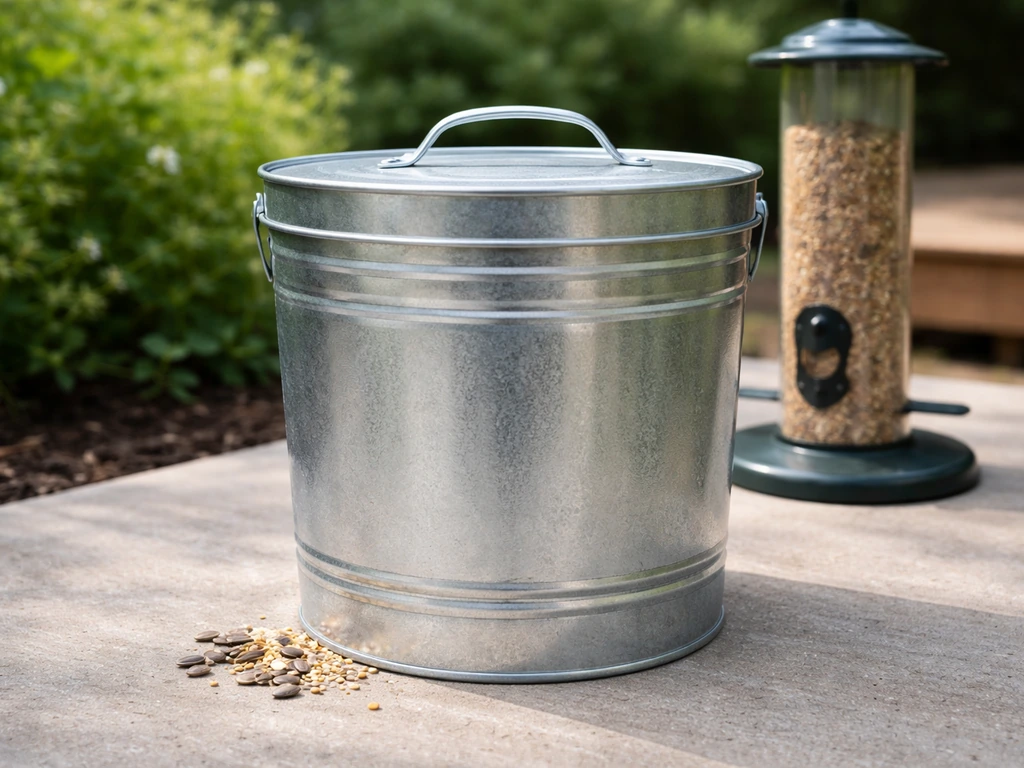
Finished seed balls store well in the refrigerator for up to 2 weeks or in the freezer for up to 2 months. Keep them in an airtight container or zip bag to prevent moisture absorption and to stop the natural oils in the seed from going rancid. The Wild Bird Feeding Institute notes that bird seed contains natural oils that break down when exposed to heat, moisture, and air, so airtight and cool storage is not optional, it is how you protect the nutritional value.
Outside, shelf life depends entirely on weather. In cold, dry winter conditions a gelatin or suet ball can last 5 to 7 days. In humid spring or fall weather, plan on 2 to 3 days before checking for softening or mold. In summer heat, if you use gelatin-based balls, they may only hold up for 1 to 2 days, so put out smaller quantities more frequently. The DOI/FWS “Pollinator Seed Balls” instructions recommend shaping seed balls into 1, 2 inch sizes and letting them dry before use, which supports a simple shape-and-dry workflow 1–2 inch balls and letting them dry. Never leave a ball outside after rain without inspecting it first.
Seasonal adjustments by climate
- Winter (all climates): suet or lard-based balls are ideal, high-fat content supports thermoregulation, and cold temperatures prevent rancidity. Replenish every 5 to 7 days.
- Spring and fall (temperate climates): switch to gelatin-based balls. Temperatures are unpredictable enough that fat-based options risk spoiling on warm days. Check every 2 to 3 days.
- Summer (all climates): avoid fat-based binders entirely. Use gelatin-only with seed mixes focused on sunflower and millet. Put out smaller quantities (one or two balls at a time) every day or two.
- Hot, humid climates (Southeast, Gulf Coast): gelatin balls may still soften faster than expected. Refrigerate finished balls until right before use, and only set out one day's supply at a time.
- Cold, dry climates (Upper Midwest, Mountain West): suet-based balls last longer and provide critical cold-weather calories. Larger batches can be frozen and thawed as needed.
Making your own seed balls gives you full control over what goes in them, which means you can skip the filler ingredients and cheap oils that show up in some commercial products. If you want a bird seed alternative, focus on safer, higher-quality ingredients and binders that keep food stable without harmful additives skip the filler ingredients and cheap oils that show up in some commercial products. Pair a good homemade seed ball with a well-maintained feeding station, and you have a genuinely useful supplement for backyard birds, especially during the energy-intensive months of migration and winter.
FAQ
Can I make bird seed balls in advance and keep them outside right away?
Yes, but use a quick-and-safe approach: make smaller balls (golf-ball size or less), press very firmly so they knit together, and place them near a covered area so they are not re-wet by mist or drizzle. If a ball cracks, treat it as a fresh batch and discard moldy pieces rather than trying to rehydrate it.
How do I know the seed balls are dry enough to hang?
No, plan on drying fully before hanging. If you put balls out while the binder is still tacky, they will crumble, attract more ground-feeding birds, and run a higher mold risk. A practical check is that the surface feels dry to the touch and the ball holds together when gently squeezed.
My seed balls fall apart quickly, what went wrong?
Molting seed balls are usually caused by either excess moisture (wet seed, humid conditions, or rain exposure) or too little binder. Fix the next batch by starting with fully dry seed, using the stated binder ratio, dissolving gelatin completely, and compressing the mixture harder before setting.
Are egg-white seed balls safe, and do they require different handling than gelatin?
Use only clean, plain egg whites or pure gelatin, and avoid any store-bought “egg product” mixes that may contain extra ingredients. Also, egg-white balls often need more thorough drying than gelatin in damp weather, so increase your drying time rather than rushing to the outdoor placement step.
Can I use my own custom seed blend in the balls?
You can use them, but expect less stability. Sunflower, millet, and peanuts all weather differently, so if you mix very oily seeds with a fat binder, the ball may soften faster and become messy. For fat-based methods, keep to colder months, and choose seed blends that already perform well in your local conditions.
What should I do if I see mold or grey fuzz on a seed ball?
If mold appears, remove the entire ball (and nearby broken pieces), because contamination can spread beyond the visible spot. Place discarded balls in a sealed bag, then thoroughly clean the tray or ground area under the feeder to remove hulls and damp debris.
Can I revive seed balls that got wet or started to spoil?
Don’t try to “refresh” old balls by adding more binder or soaking them. Repeated wetting encourages bacterial growth and makes adhesion worse. It is better to discard them and remake new balls with fresh ingredients and proper drying time.
How do I decide when to stop using fat-based binders?
It depends on where you live and your temperature range, not just the calendar. If warm afternoons soften the balls, switch away from lard or suet binders to gelatin (or egg whites) until temperatures stay consistently cooler.
How can I reduce squirrel theft without giving up feeding?
For squirrels, weight-sensitive or baffle-style feeders are usually more effective than tree-branch hanging. Also consider reducing the quantity you put out so it is consumed within a day, which reduces the time squirrels have to investigate and stash.
Do I need to clean under the feeder if I use seed balls instead of loose seed?
Yes. Using a tray or hardware cloth underneath helps catch hulls and crumbs that become a disease and mold hotspot. More cleanup is required after rain or heavy bird traffic, since seed balls break and accumulate debris quickly.
What changes should I make in humid climates?
In very humid, rainy, or coastal climates, you should plan smaller batches and more frequent checks because drying time is longer and spoilage risk rises. If you cannot provide covered shelter during wet weather, gelatin balls may need more conservative placement schedules (smaller quantities more often).
How should I store finished seed balls to keep them from going stale or soft?
Store only fully dry balls in an airtight container in the refrigerator, and let balls warm up slightly before handling if they have chilled hard. Avoid leaving them uncovered because moisture absorption can restart softening, which then shortens outdoor life.