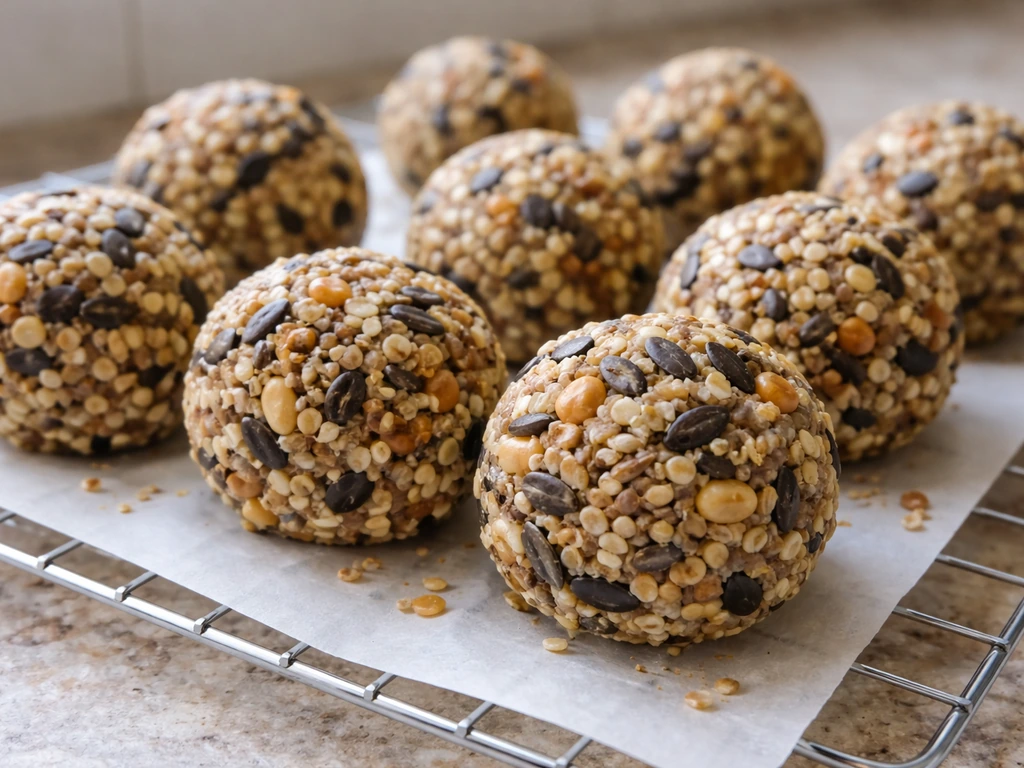
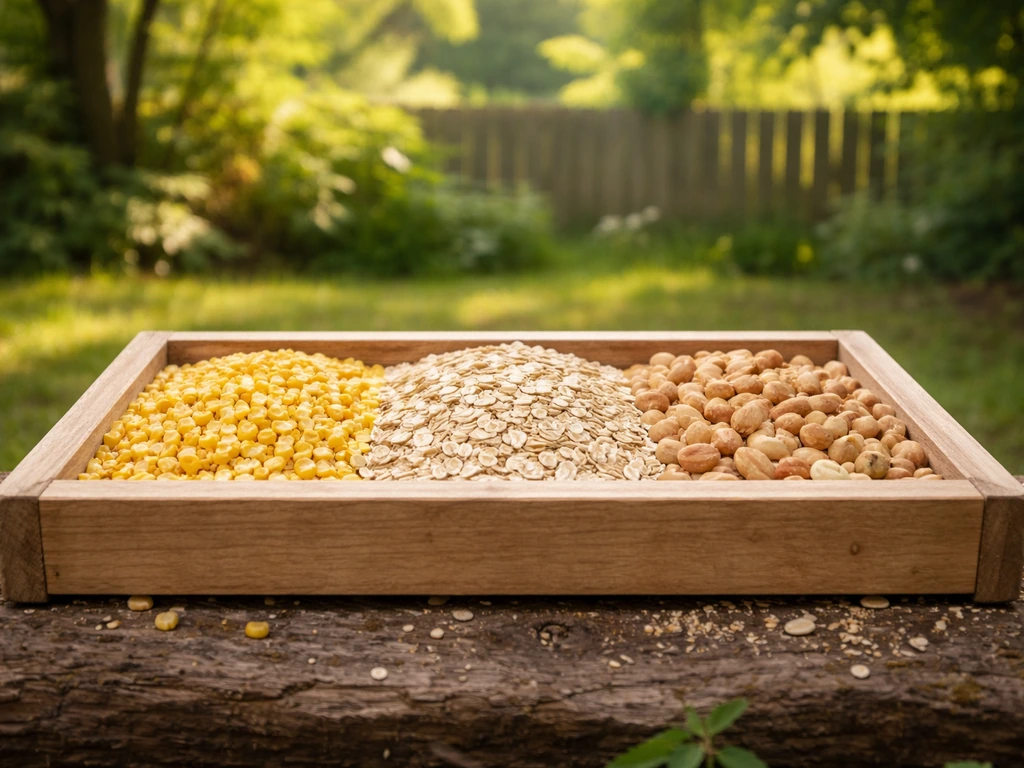
The cheapest bird-food substitutes for seed are cracked corn, plain rolled oats, unsalted peanuts (shelled or chopped), and fresh fruit scraps. Bird seed is the general term for the edible feed people scatter or put in feeders to attract birds. If you are looking for bird seed can alternatives that still attract backyard birds, start with these budget options and offer them fresh. For more details on choosing and mixing seed alternatives, see this bird seed guide. If you want a bird seed alternative that is cheaper per pound, focus on cracked corn, plain rolled oats, and unsalted peanuts. A 25-lb bag of plain rolled oats runs about $15, which is often half the price of a comparable bag of mixed birdseed. Cracked corn is similarly affordable and widely available at feed stores and garden centers. An Audubon Park product page lists cracked corn as a bird-feeding option that can be attractive for ground-feeding birds Cracked corn is similarly affordable and widely available at feed stores and garden centers.. These aren't just budget fillers, they genuinely attract a solid range of backyard birds when offered correctly.
Cheap Alternative to Bird Seed: Best Substitutes and How to Use Them
Quick answer: the best cheap substitutes for bird seed
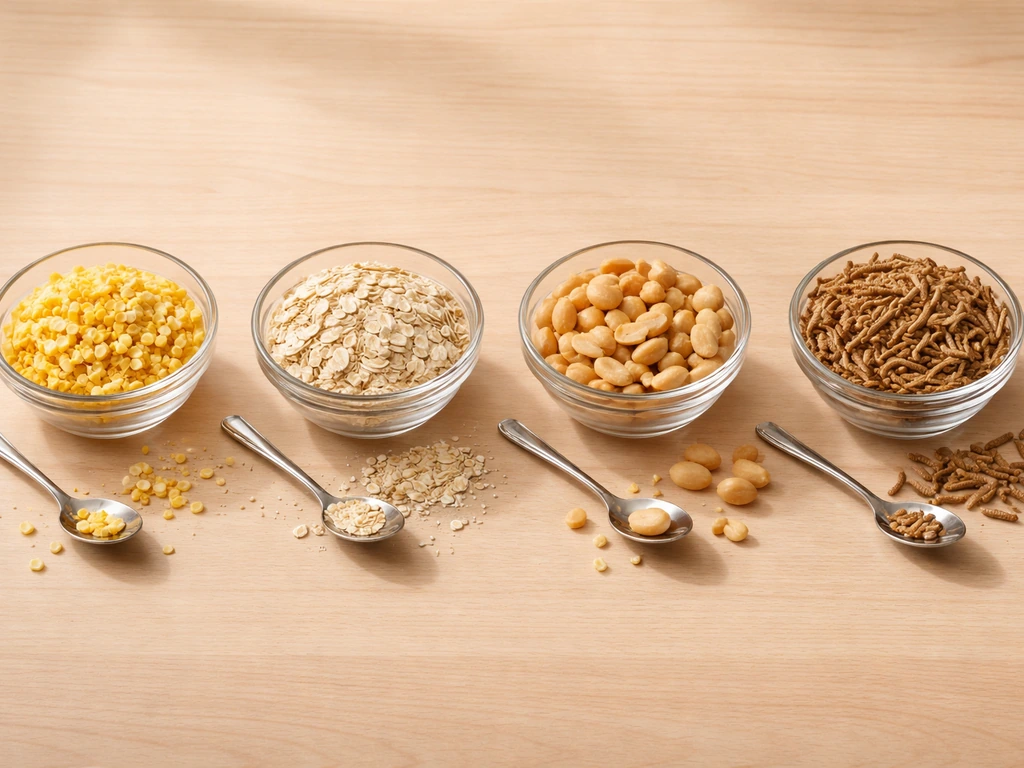
Here are the options that consistently work as real substitutes, not just filler. Each has different strengths depending on which birds visit your yard.
| Substitute | Cost range | Best for | Notes |
|---|---|---|---|
| Cracked corn | $0.30–0.50/lb | Doves, sparrows, jays, squirrels (if allowed) | Feed on ground or platform; widely available at feed stores |
| Plain rolled oats | ~$0.60/lb (non-organic) | Sparrows, juncos, doves | Use dry, uncooked; avoid flavored or instant varieties |
| Unsalted peanuts (chopped) | $1–2/lb | Jays, chickadees, woodpeckers, nuthatches | Shell-free pieces attract more species; watch for spoilage |
| Fresh fruit scraps (apple, orange, grape) | Near-zero if using kitchen scraps | Orioles, mockingbirds, thrushes, waxwings | Cut into halves or small chunks; replace daily |
| Cooked plain rice or pasta | Near-zero if using leftovers | Sparrows, starlings, doves | Plain only — no salt, butter, or sauce |
| Suet (homemade) | $1–3/lb depending on fat source | Woodpeckers, nuthatches, chickadees, wrens | Rendered beef fat or lard works well; skip in hot weather |
| Dried mealworms | $3–6/lb bulk | Bluebirds, robins, wrens, warblers | Pricier but attracts insect-eating species seed usually won't |
A few things to avoid entirely: bread (no nutritional value and can cause health problems over time), avocado (toxic to birds), and anything salted, seasoned, or containing artificial flavors. Moldy or spoiled versions of any food on this list are also out, more on that in the troubleshooting section.
Choosing the right substitute by backyard bird type
Different birds forage differently, and matching your substitute to your actual visitors makes a real difference in whether they show up and stay. Here's how to think about it.
Ground-feeding birds (sparrows, doves, juncos, towhees)
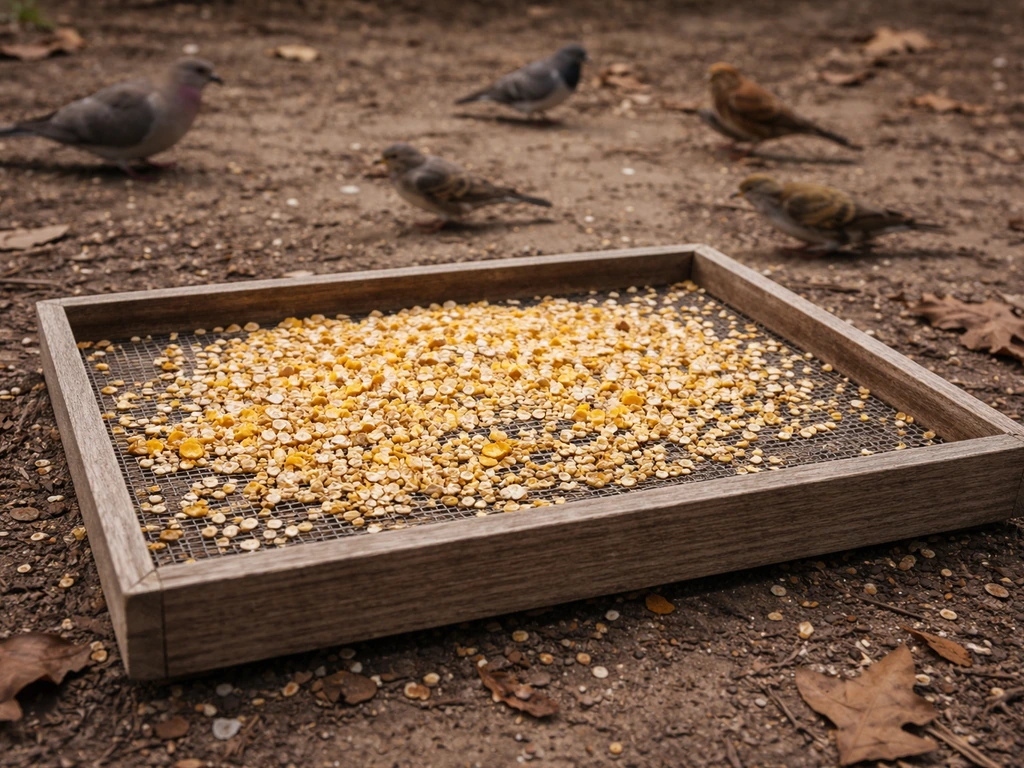
These birds naturally forage on flat surfaces or bare ground. Cracked corn and plain rolled oats both work well scattered directly on the ground or on a low platform tray. Sparrows and doves often prefer to feed on fallen food under feeders anyway, so a simple ground tray or clean paving stone works just as well as a dedicated feeder for them.
Perching birds (chickadees, nuthatches, titmice, finches)
These species are comfortable on elevated tube or hopper feeders. Chopped unsalted peanuts work great here, and you can mix them into a platform feeder if you don't have a tube feeder. Homemade suet hung in a cage or mesh bag is especially effective for chickadees, nuthatches, and woodpeckers, these birds are strong clingers and will work a suet block happily.
Larger birds (jays, crows, starlings, grackles)
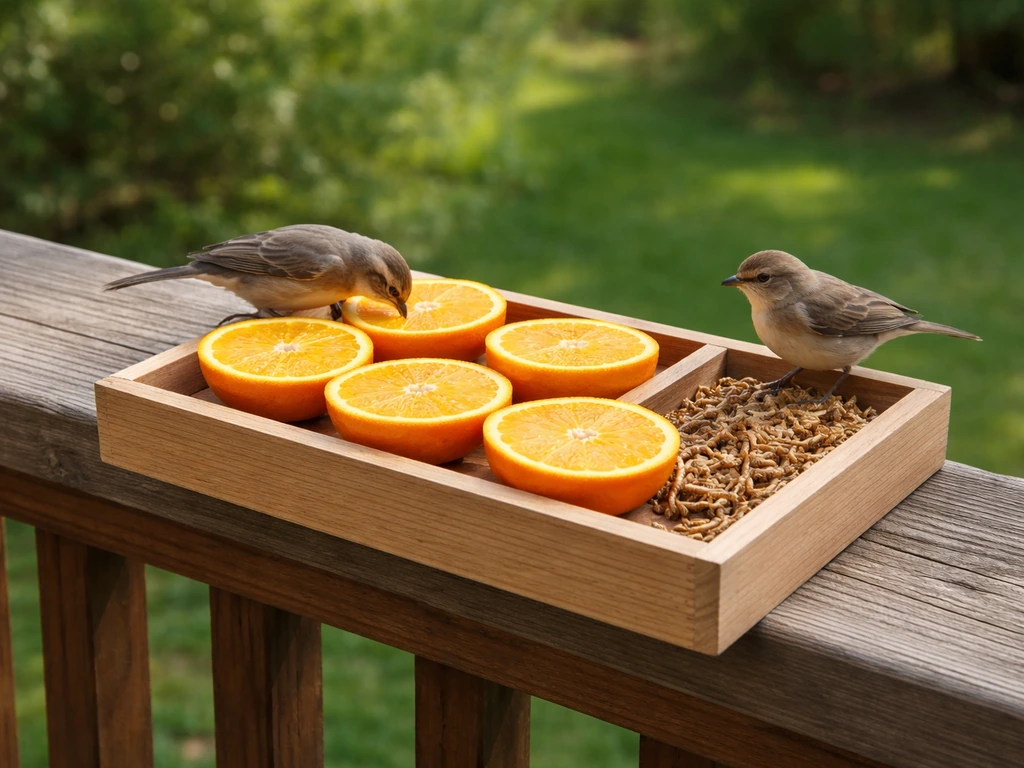
Jays take whole or halved unsalted peanuts readily from a platform feeder. Crows and starlings are opportunistic and will eat nearly anything, cracked corn, plain rice, fruit scraps, but if you're not trying to attract them, avoid scattering food on the ground where they dominate. Elevating feeders and using smaller ports can help limit access for large birds.
Fruit-eating and insectivorous birds (orioles, bluebirds, robins, waxwings, mockingbirds)
These species rarely touch seed at all, so switching to fruit scraps or dried mealworms is a genuine upgrade if you're trying to attract them. Halved oranges on a platform or impaled on a nail attract orioles well. Dried mealworms in a shallow dish are almost irresistible to bluebirds and robins, especially during nesting season when protein demand is high.
Cost comparison and shopping tips
The goal here isn't just to find a substitute, it's to find one that's genuinely cheaper per pound and accessible without a specialty store run. Here's how the numbers actually compare.
| Food | Typical price per lb | Where to buy cheapest |
|---|---|---|
| Mixed birdseed (budget blend) | $0.50–0.80/lb | Big-box stores, warehouse clubs |
| Cracked corn | $0.30–0.50/lb | Feed/farm stores, garden centers |
| Plain rolled oats (non-organic) | ~$0.60/lb (25-lb bag ~$15) | Grocery stores, warehouse clubs |
| Unsalted peanuts (shelled, bulk) | $1.00–2.00/lb | Warehouse clubs, grocery bulk bins |
| Suet (homemade beef/lard) | $0.50–1.00/lb | Grocery store meat department (ask for trimmed fat) |
| Fruit scraps (apple, grape) | Effectively $0 if kitchen scraps | Your kitchen |
| Dried mealworms (bulk) | $3.00–6.00/lb | Online retailers, farm/feed stores |
Cracked corn wins on pure price, especially if you buy a 20-50 lb bag at a farm supply or feed store rather than a small bag at a pet shop. For a mixed approach, cracked corn on the ground plus homemade suet in a cage covers a wide range of species at minimal cost. Avoid organic versions of oats or corn for bird feeding, a 25-lb bag of organic rolled oats can run over $80 compared to $15 for a standard bag, and birds don't benefit from organic certification.
One practical tip: ask your grocery store meat counter for beef fat trimmings. Many stores give these away or sell them cheaply, and rendered fat makes excellent homemade suet. Combine rendered fat with plain oats, cornmeal, or chopped peanuts and press into molds or a mesh feeder bag for an ultra-cheap suet block. To make bird seed balls, you can follow simple instructions using ingredients like seed and a binder, then form and let them set before hanging or placing them outside bird seed balls instructions.
Feeder and tray setup, and how to transition safely
Switching foods cold-turkey can confuse birds that have learned to associate your feeder with a specific food. A gradual transition over one to two weeks works best and gives birds time to discover and accept the new offering.
How to transition from seed without losing your regulars
- Week 1: Mix your substitute into existing seed at roughly a 25/75 ratio (25% substitute, 75% seed). Birds will pick around it at first but start exploring.
- Week 2: Flip to a 50/50 mix. Watch which birds continue to visit and which drop off — that tells you whether the substitute suits your local species.
- Week 3 and beyond: Move to 75–100% substitute if birds are accepting it well. Keep a small amount of seed on hand to re-mix if visits drop sharply.
- If you're adding a new feeder type (like a platform tray for cracked corn), place it within a few feet of the existing feeder at first, then gradually move it to your preferred location over a week.
Feeder and tray setup for substitutes
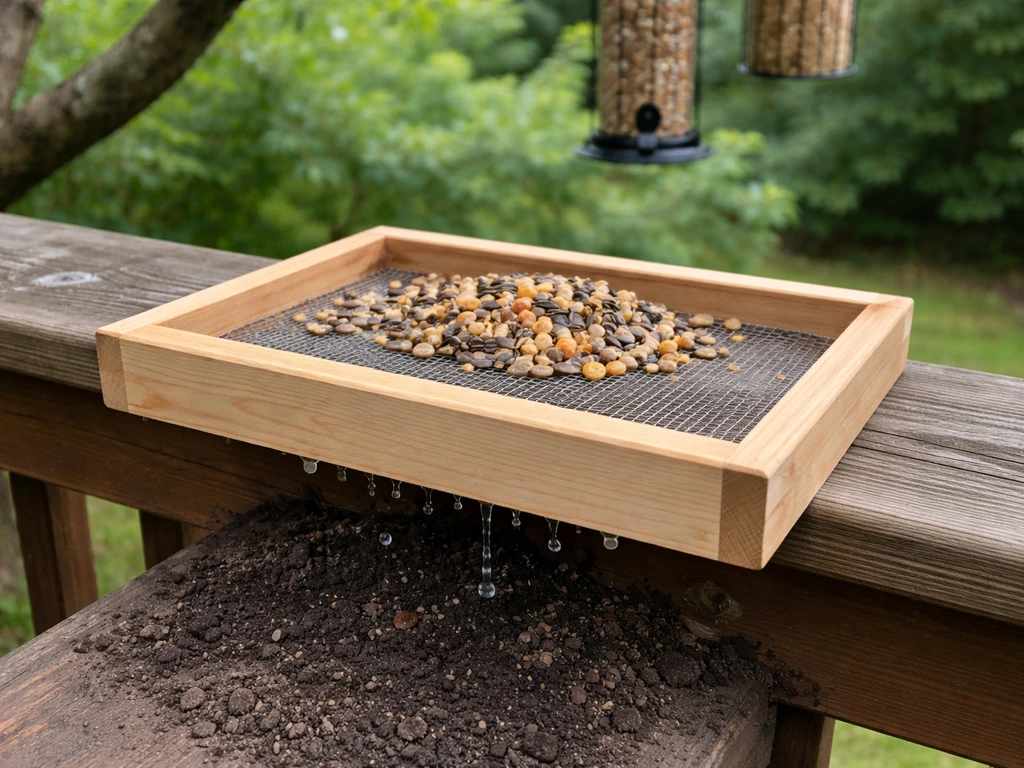
For ground-feeders and cracked corn or oats, a platform tray is your best option. Choose one with a screened or mesh bottom rather than solid wood, drainage is critical because wet grain molds fast. Elevate the tray at least 6–12 inches off the ground to reduce contact with droppings and pest activity. Cornell Lab and All About Birds both emphasize drainage holes or screened bottoms as a baseline for platform feeders.
For suet, a simple wire cage or mesh bag hung from a branch or feeder pole works well. Position it at least 5 feet off the ground if you're trying to attract woodpeckers and nuthatches while limiting access for raccoons. Tube or hopper feeders work for chopped peanuts if the ports are large enough. If they're not, a small open dish or tray feeder is easier.
For fruit, skewer halved oranges or apple slices on a nail or stake, or place them on a flat surface like a deck railing or wide platform tray. Avoid putting fruit directly on the ground, it attracts wasps, ants, and larger pests quickly.
Feeder placement basics
Place feeders where you can see them easily, this helps you monitor freshness and spot sick birds fast. Keep feeders away from dense shrubs at ground level where cats can hide, but within 3 feet of a window or more than 30 feet away to reduce window-strike risk. If squirrels are a problem, baffles and weight-sensitive feeders help, though squirrels are persistent and will usually find a way eventually.
Storage, handling, and hygiene with non-seed foods
Non-seed substitutes often spoil faster than commercial birdseed, so storage and handling routines matter more, not less.
Dry foods (cracked corn, oats, peanuts)
Store in airtight containers, a metal trash can with a locking lid or sealed plastic bins work well. Keep them in a cool, dry spot, not a damp garage or shed. Moisture is the enemy: it triggers mold growth fast, especially in cracked corn and oats. Only put out what birds will consume in one to two days max, especially in humid weather. If you're buying in bulk, rotate stock, use older grain first and don't pour new over old.
Perishable foods (fruit, mealworms, cooked food, homemade suet)
Fresh fruit scraps should be replaced every day, or every 12 hours in hot weather. Cooked rice or pasta goes out in small amounts and comes back in after a few hours if birds haven't touched it, don't leave it sitting in sun. Homemade suet needs refrigeration until use; in warm weather (above 70°F), suet goes rancid within a day or two outside. Dried mealworms store well in a sealed container at room temperature for several months, but live mealworms need a cool area and regular feeding.
Feeder cleaning schedule
Clean feeders every one to two weeks as a baseline, this is the standard recommendation from Project FeederWatch, Cornell Lab, and the U.S. Fish & Wildlife Service. The method: empty the feeder, scrub with a diluted bleach solution (1 part bleach to 9 parts water), rinse thoroughly, and let it dry completely before refilling. Many plastic and metal feeders are dishwasher-safe as an alternative. If you're using substitutes that are wetter or stickier than dry seed (fruit, homemade suet in warm weather), bump up cleaning to every few days.
Troubleshooting: pests, mold, and spoiled alternatives
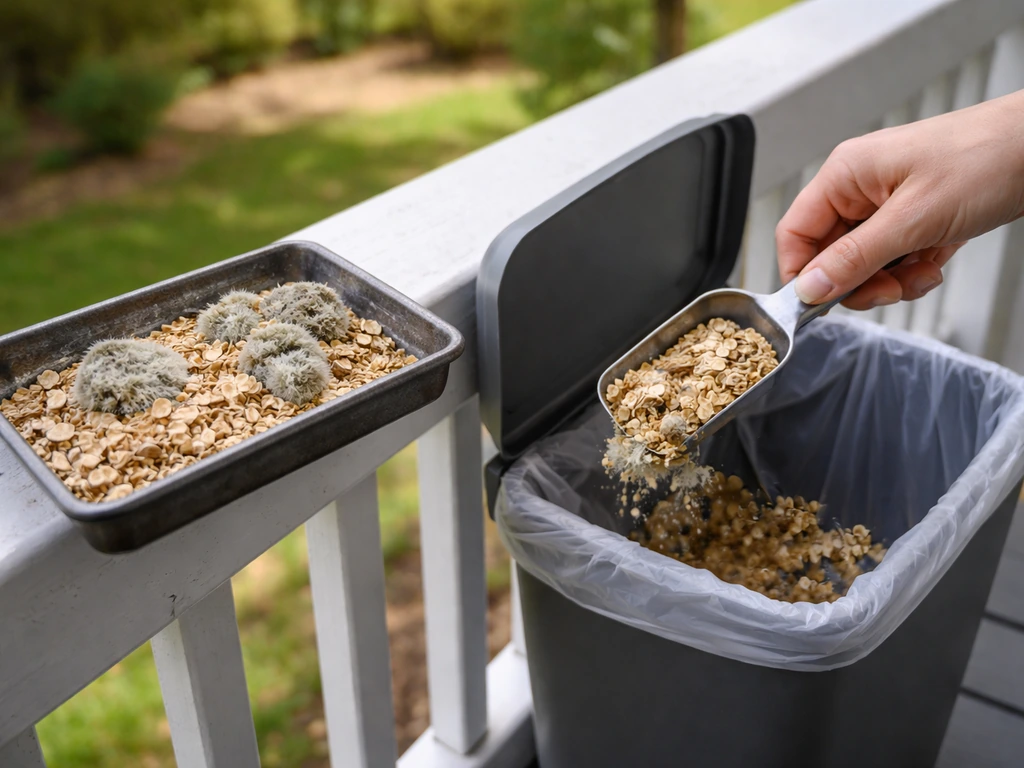
Non-seed foods are more likely to create pest and spoilage problems if you're not managing them actively. Here are the most common issues and how to fix them.
Mold on grain or oats
Cause: Moisture from rain, dew, or bird droppings getting into dry food. Fix: Empty the feeder immediately, discard all moldy food (moldy grain can harbor invisible bacteria and toxins including aflatoxin, which is dangerous to birds), scrub the feeder with bleach solution, and dry fully before refilling. Prevention: Use a feeder with a roof or rain cover, use screened-bottom trays for drainage, and offer smaller portions that birds finish before moisture accumulates.
Ants and wasps on fruit
Cause: Fruit on the ground or on flat surfaces becomes a pest magnet fast. Fix: Remove fruit immediately, switch to skewered or elevated placement, and rinse the surface with water. Prevention: Replace fruit daily, use ant moats (a small water-filled cup above the feeder) on hanging setups, and avoid placing fruit near antlines or wasp nests.
Rodents and squirrels
Cause: Cracked corn and peanuts on or near the ground are extremely attractive to rats, mice, and squirrels. Fix: Switch to elevated feeders with baffles, stop ground-scattering in areas with known rodent activity, and rake up spilled food daily. Prevention: Use squirrel-resistant feeders where needed, store all food in sealed metal containers, and keep the area under feeders clean.
Rancid suet
Cause: Homemade suet in temperatures above 70°F softens and goes rancid, which is harmful to birds and messy. Fix: Remove and discard it, clean the cage with hot water and dish soap, and switch to no-melt suet (made with more peanut butter or cornmeal as binders) for warm months. Prevention: Don't put out more than a day's worth of suet in warm weather, or skip suet entirely from late spring through summer and switch to peanuts or mealworms instead.
Sick birds at the feeder
If you spot sick or dead birds near your feeders, take the feeders down immediately. Clean everything with bleach solution, rake and dispose of all food debris and droppings underneath, and wait at least a week before putting feeders back up. This applies to any feeder setup, but it's especially important when using perishable substitutes that can accelerate disease transmission.
Cleanup and keeping your yard and birds safe
The ground under feeders accumulates waste faster with non-seed foods, so regular cleanup is non-negotiable. Rake or sweep the area under feeders at least once a week, more often if you're offering fruit, cooked food, or suet. Remove all food debris, droppings, and wet material, this is where disease and pests take hold.
A few household hygiene points worth knowing: always wash your hands after handling feeders or food. Don't store bird food in the kitchen or near food preparation surfaces. If you're using containers that previously held birdseed or wild animal food, don't repurpose them for human food storage without thorough sanitizing first. These aren't just good practices for the birds, they protect you too, especially with foods like cracked corn and peanuts that can carry mold spores.
If you're using a tray or platform feeder, check the drainage holes or screen every week, they clog with wet food debris easily. A blocked drain turns a tray into a puddle, which is the fastest way to ruin a batch of grain and attract the wrong visitors. A stiff brush or skewer takes five seconds to clear.
One final note on safety for birds: avoid feeding anything spoiled or questionable. The rule is simple, if you wouldn't eat it yourself because it smells off or looks moldy, it doesn't go out for the birds. Cheap substitutes only stay cheap and beneficial when they're fresh. Spoiled food costs nothing to source but can cause real harm to the birds you're trying to help.
FAQ
Can I use a cheap alternative to bird seed during rainy or humid weather?
Yes, but switch to small, dry portions and use a screened tray or platform. In heavy rain, moisture can spread quickly through cracked corn and oats, so keep amounts to what birds clear in 24 to 36 hours and dump leftovers after wet weather.
Are roasted or salted peanuts ever okay as a cheap alternative to bird seed?
Unsalted peanuts are the main safe nut substitute. If you only find roasted peanuts, look for no added salt and no seasoning coatings, because salted or flavored products can attract excess pests and are harder to keep fresh.
What can I do instead of bread if I’m trying to keep costs down?
Bread is the one common “cheap” substitute to avoid, and even small amounts can create waste that spoils fast. If you want a similar budget option, use plain rolled oats instead, offer them dry, and remove any wet clumps within a day.
Birds stopped coming after I switched, how do I troubleshoot quickly?
If birds stop visiting, don’t assume the food is “bad.” First confirm you’re matching placement to foraging type (ground for doves and sparrows, elevated for jays), then reduce scatter size so the yard stays less messy for pigeons and rodents.
How much should I put out so the cheap substitutes don’t go to waste?
Use a simple “trial size” approach. Start with 1 to 2 cups per day for a small yard, observe what comes within 24 to 48 hours, then scale up, because non-seed foods spoil and attract pests faster when offered in excess.
What’s the safest way to offer cracked corn or oats if I’m seeing rats or mice?
Ground-feeding attracts rats and mice, especially with grains and nuts. If you have any rodent activity, skip ground scattering entirely, choose an elevated feeder with a baffle, and rake up spills daily within your timing window.
Can I use dried mealworms as a cheap alternative to bird seed for protein-loving birds?
Yes, mealworms work well for birds that need protein, and dried mealworms store more easily than fruit or suet. Use shallow dishes, remove uneaten portions the same day, and keep the dish away from antlines and spilled grain.
How do I prevent wasps and ants when feeding fruit as a bird seed substitute?
If you want to attract orioles, fruit works best when it’s elevated (skewered oranges or apple slices) and kept off bare ground. Replace frequently, because sticky fruit residues quickly draw ants and wasps.
What’s the easiest way to transition birds from bird seed to cheaper substitutes?
Start with the food birds already know, then mix in the substitute gradually. A practical rule is to begin with about 25 percent substitute for 3 to 4 days, then raise to 50 percent, and finish the swap over the next 1 to 2 weeks.
How do I stop platform trays from turning into a moisture problem?
For a platform tray, keep it slightly sheltered and check the underside and drainage points weekly. A blocked screen or clogged holes can cause pooling, which then molds grain and increases disease risk for visiting birds.
What’s the best storage method if I’m buying cheap grains in bulk?
Use sealed containers and avoid warm, damp storage. For cracked corn and oats, keep them in a cool, dry area and rotate stock so older batches get used first, because moisture gets worse inside bags that sit open or partially open.
Will using these cheaper substitutes attract unwanted big birds, and how can I control it?
Yes, but make it a cleaner setup. Large birds like crows and starlings can take advantage of low-elevation access, so use smaller ports, raise the feeder, and avoid spreading food widely if you’re trying to focus on smaller species.
Bird Seed Balls Instructions: DIY Steps, Ratios, and Safety Tips
Step by step bird seed balls instructions with safe ratios, binders, drying tips, and troubleshooting for mold and pests