The best bird seed alternatives for your backyard are suet, nectar, mealworms, fresh fruit, and legumes or whole grains. Which one you should use depends on the birds you're trying to attract, the pest problems you're dealing with, and the climate you're in. Different feeder types and food types attract different birds, and you may also find that many birds feed from the ground while others prefer raised tray, tube, or suet feeders food type determines which birds you attract. If you're here because your seed keeps getting wet, sprouting, or drawing rats, you're in the right place. This guide walks you through every practical option, how to pick the right one, how to switch over, and how to keep it clean so it doesn't cause its own problems.
Bird Seed Alternative Guide: Choose, Switch, and Clean Up
Why switch away from bird seed in the first place
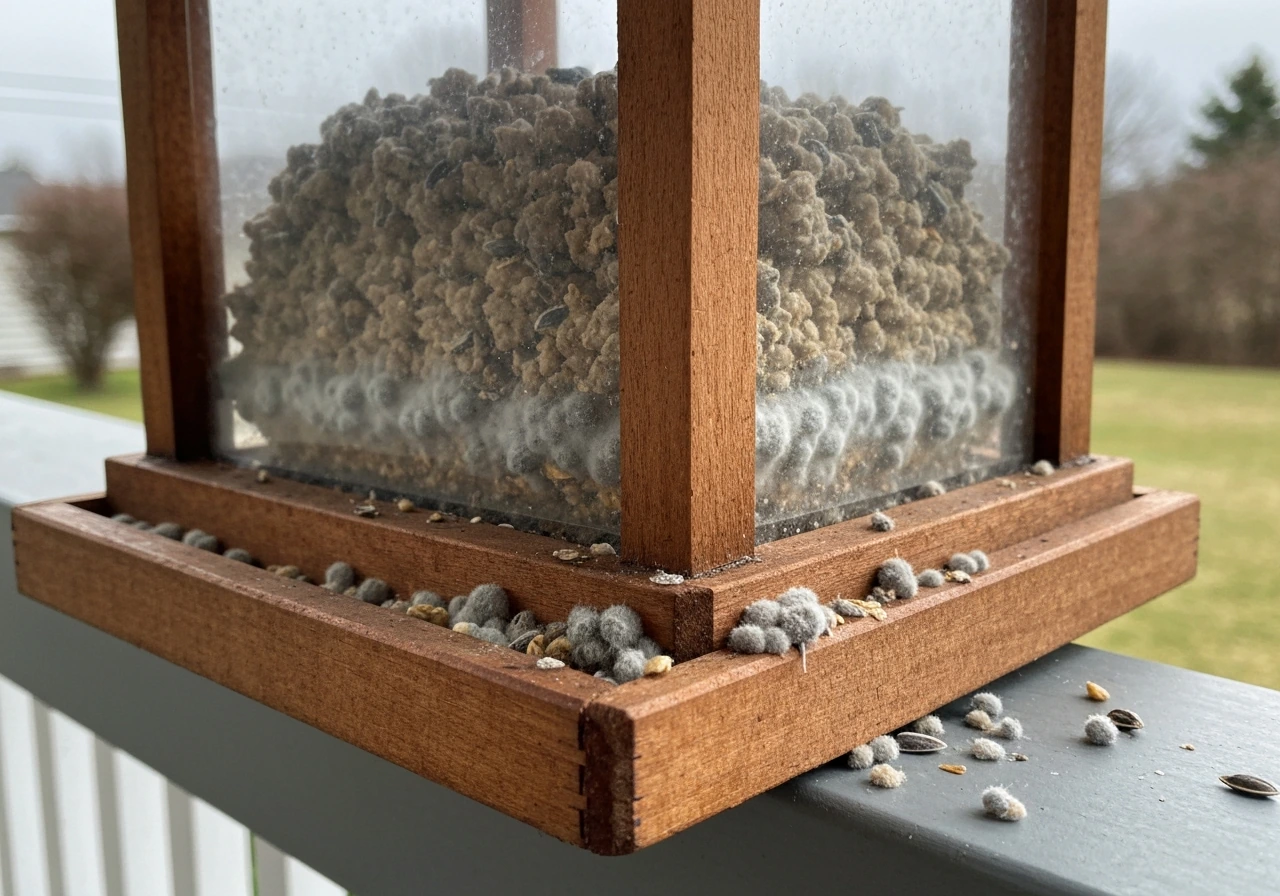
Bird seed is a solid starting point, but it comes with real trade-offs. Wet or damp seed spoils fast, and moldy seed is a genuine health hazard for birds. Fungal buildup from wet seed hulls beneath feeders has been linked to aspergillosis, a respiratory disease that kills birds. Beyond disease, seed mixes frequently contain cheap filler ingredients like milo, oats, or wheat that most songbirds ignore. Those fillers sit in the feeder, absorb moisture, and rot. They also draw the birds and mammals you don't want: pigeons, starlings, house sparrows, squirrels, and rodents.
Cost is another reason people look for a change. Premium seed adds up, especially if squirrels are raiding the feeder or rain is turning it into mush every other day. Nutritional gaps matter too. Seed alone doesn't supply the protein that many birds need during nesting season or migration, which is why alternatives like mealworms and suet often produce better results for species you actually want to see. If you want to understand exactly what standard seed contains before moving on from it, the bird seed what is it breakdown is worth a quick read.
Your practical options: what to use instead of seed
Suet and suet cakes
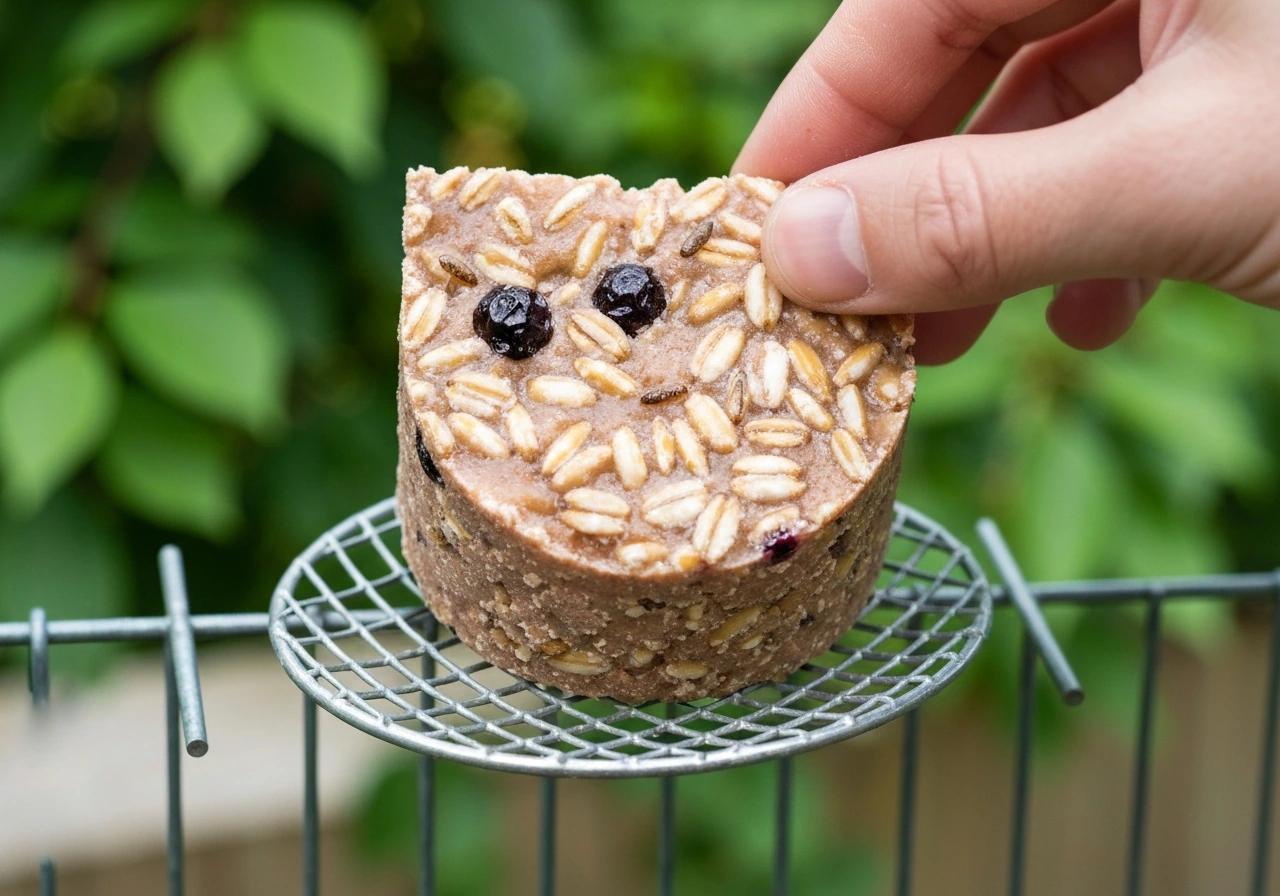
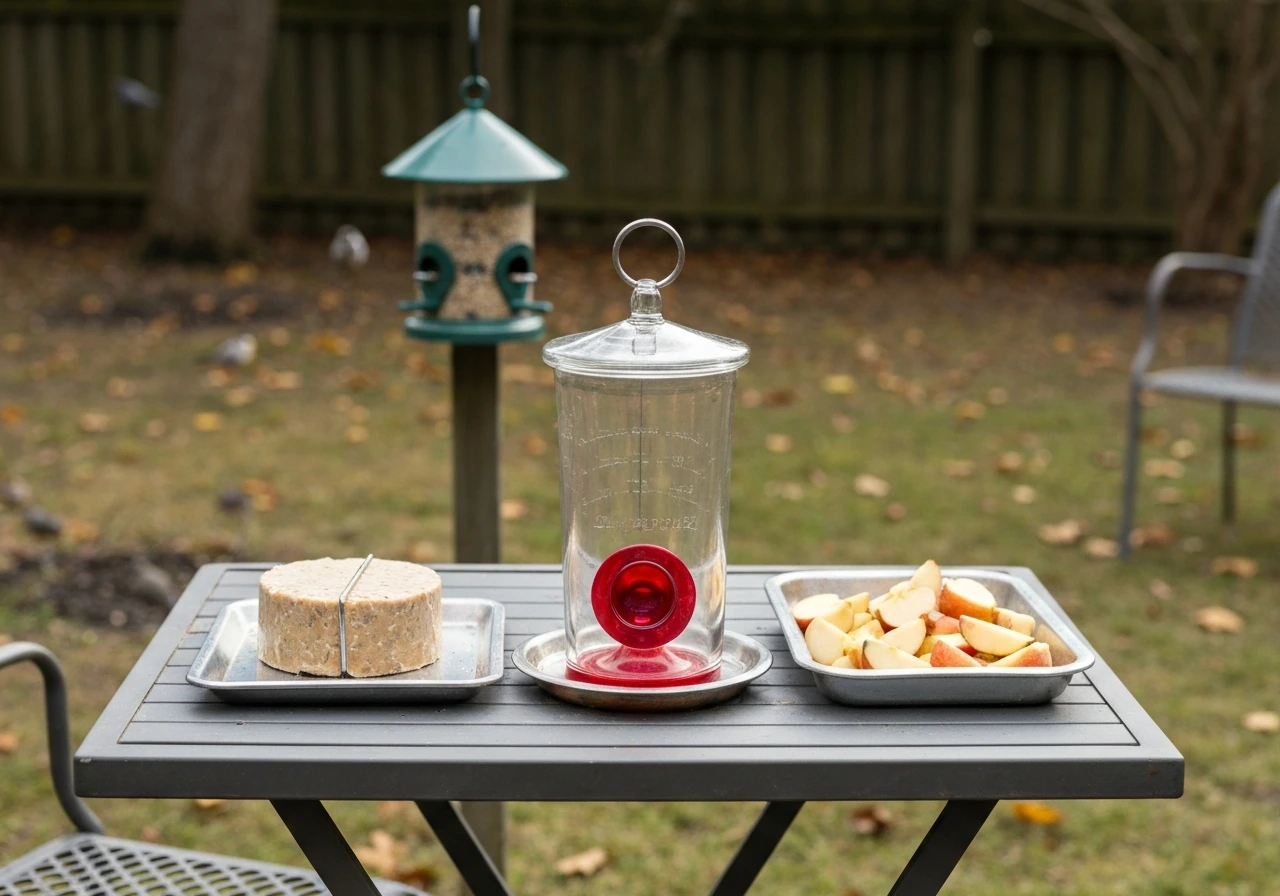
Suet is rendered beef fat, usually pressed into cakes and mixed with grains, berries, or insects. It's one of the most effective seed alternatives you can use because it attracts birds that rarely visit seed feeders at all: woodpeckers, nuthatches, brown creepers, and wrens. Suet feeders are wire-cage style feeders that birds cling to while pecking, which naturally excludes many pest species that prefer platform-style access. In warm weather (above 90°F or so), standard suet can go rancid fast. Use no-melt or rendered suet cakes if you're in a hot region, or limit suet to fall and winter.
Hummingbird nectar
Nectar is simple to make: dissolve 1 part white granulated sugar in 4 parts water (no dye, no honey, no artificial sweeteners). The Smithsonian National Zoo's standard recipe is exactly that ratio, and it's the one to stick to. The catch with nectar is that it's highly perishable. Mold and bacteria grow quickly in sugar water, especially in heat. In mild weather, change it every 2 to 5 days. In hot weather (above 85°F), change it every day or every other day. In hot weather, Audubon advises emptying and cleaning the hummingbird feeder every day or every other day, and cleaning it whenever it’s empty if the birds empty it faster hot weather (above 85°F), change it every day or every other day. Any extra nectar you mix can be stored in the refrigerator for up to one week.
Mealworms
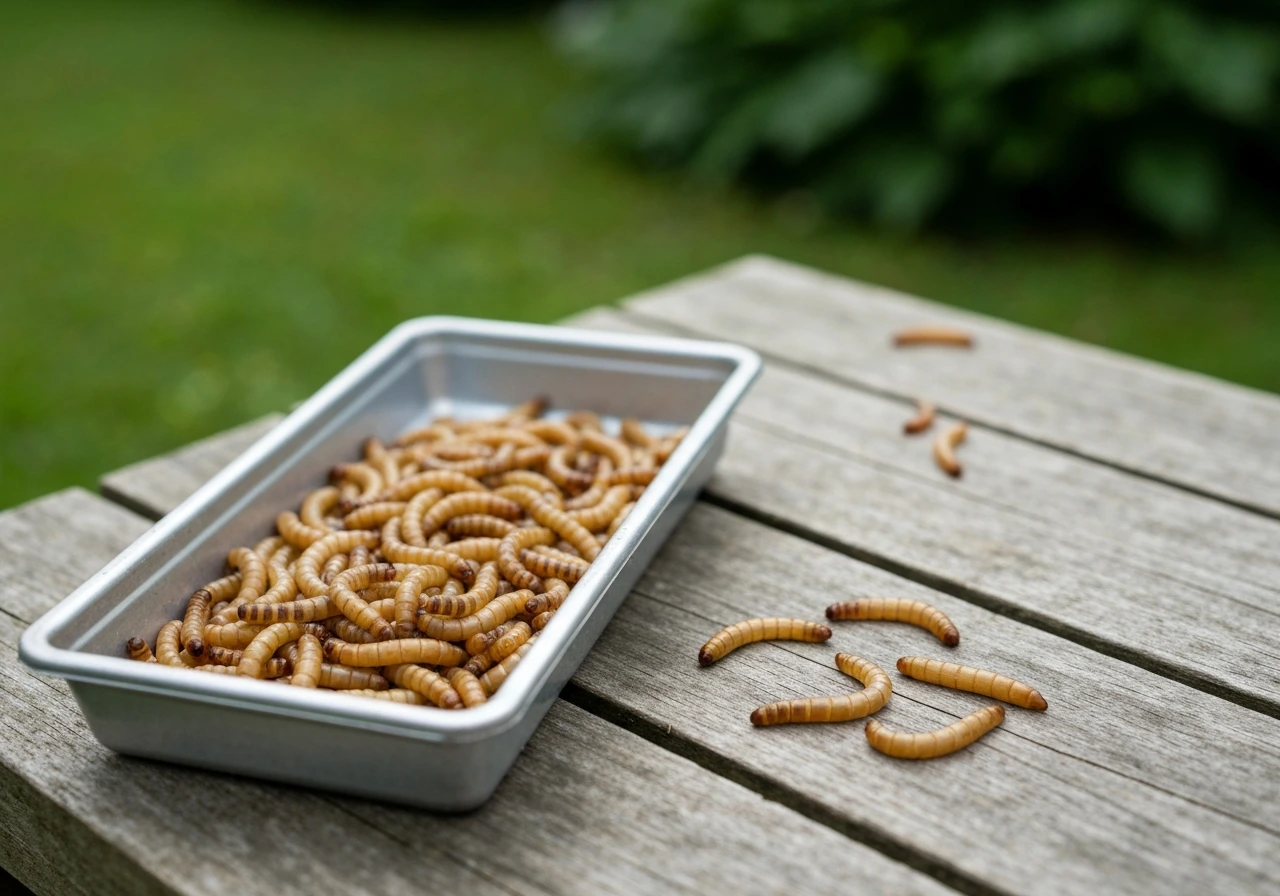
Live or dried mealworms are a high-protein alternative that attracts bluebirds, robins, catbirds, and thrushes, which rarely come to seed feeders at all. Live mealworms are more attractive to birds than dried ones, but dried are easier to store and still work well. Offer them in a shallow tray feeder with smooth sides (so the live ones can't escape). Keep the quantity small so birds finish them quickly and they don't sit out long enough to spoil.
Fresh and dried fruit
Oranges, apples, raisins, and cherries attract orioles, mockingbirds, catbirds, and waxwings. Halve oranges and spike them on a nail feeder or set them in a platform tray. Fruit spoils in 24 to 48 hours in warm weather, so offer small amounts and replace daily. Avoid grapes or raisins in areas where dogs or cats can access fallen pieces, since those fruits are toxic to pets.
Legumes and whole grains
Dried split peas, lentils, whole corn (not cracked), and hulled oats work for ground-feeding birds like doves, towhees, and some sparrows. These are genuinely cheap, which is one reason people gravitate toward them when looking for a cheap alternative to bird seed. Scatter small amounts on a clean platform tray, not directly on the ground, to reduce pest attraction and mold risk from moisture.
Bird pellets and formulated diets
Commercially formulated bird pellets are available for backyard feeding and are designed to minimize waste because they're a complete food without empty filler. They work best for species that take readily to novel foods, like corvids and certain parrots. Most wild songbirds won't use them reliably, so pellets are a niche option unless you're dealing with a very specific situation.
Matching the alternative to the birds you actually have
Before picking an alternative, figure out which birds are visiting your yard right now. Then use the table below to match the right food to them. Note that some alternatives will bring in new species while naturally excluding others.
| Bird Species | Best Alternative | Feeder Type | Excludes / Limits |
|---|---|---|---|
| Woodpeckers | Suet cakes | Wire cage suet feeder | Most ground-feeding pests |
| Hummingbirds | Nectar (1:4 sugar/water) | Hanging nectar feeder with red ports | Nearly all other species |
| Bluebirds / Thrushes | Live or dried mealworms | Shallow tray with smooth sides | Starlings (if tray is small) |
| Orioles | Halved oranges, grape jelly | Nail/spike feeder or platform tray | Most sparrows and finches |
| Doves / Towhees | Whole corn, legumes, oats | Low platform tray | Does not exclude squirrels |
| Robins / Catbirds | Dried fruit (raisins, cherries) | Platform tray | Does not exclude starlings |
| Nuthatches / Chickadees | Suet or suet cakes | Wire cage or hanging suet feeder | Excludes most large pests |
One important note: suet feeders attract a noticeably different crowd than seed feeders. Cornell Lab research confirms that suet specifically draws birds that don't typically visit seed setups, particularly insect-eating species. If you've been running seed for years and never seen a woodpecker, switching even one feeder to suet usually changes that within a week or two.
How to switch from seed without disrupting your birds
A hard cutover rarely works well. Birds are creatures of habit, and a feeder that suddenly looks and smells different gets ignored for days or weeks. Here's a transition approach that actually works:
- Keep one seed feeder running while you add the new alternative in a separate feeder nearby. Let birds discover it on their own terms.
- Place the new feeder within a few feet of the old one initially, then gradually move it to its permanent spot over 1 to 2 weeks.
- Reduce the seed quantity in the original feeder gradually (by about 25% every 3 to 4 days) to encourage birds to investigate the new food.
- Don't overfill the new feeder at first. Small amounts prevent waste and spoilage while birds learn it's a food source.
- Once birds are regularly using the alternative, you can remove the seed feeder entirely or keep both running for species diversity.
Pay attention to how much food birds are actually consuming each day. One underrated problem during transitions is waste: birds toss food out of feeders while foraging, and that debris on the ground is exactly what attracts rats and mice. Washington State University Extension specifically flags this, noting that even a good feeder setup leads to food hitting the ground, which then draws rodents regardless of what the feeder contains. Keep the area under feeders raked clean during the transition period.
Feeder setup matters as much as food choice. Tube feeders with multiple ports work well for nectar and small seed alternatives. Suet feeders need to be the wire cage style, positioned away from tree trunks and branches to make squirrel access harder. If you want to get into making your own suet-based foods, the bird seed balls instructions are a good place to start for a DIY fat-based option that combines suet with other ingredients.
Keeping alternatives fresh: storage, mold, and moisture
Suet storage
Unopened suet cakes keep for several months in a cool, dry location. Once placed in a feeder, standard suet holds up well in temperatures below 70°F. Above that, it softens, smears, and can go rancid within a few days. Store spare cakes in the freezer if you're in a warm climate. Never leave a melted or rancid cake in the feeder: birds will avoid it, and the fat residue creates a hygiene problem in the cage.
Nectar storage
Mix only what you'll use within a week. Refrigerate extra nectar in a sealed container and discard anything older than 7 days. The feeder itself needs to be cleaned every time you refill it, no exceptions. Mold in nectar feeders is fast-growing and visually hard to spot until it's already a problem. Project FeederWatch recommends refilling every 2 to 5 days depending on temperature, and the National Wildlife Federation says to step that up to every day or two during hot weather.
Mealworms and fruit storage
Live mealworms should be kept in a container with bran or oats in the refrigerator, where they'll stay dormant for up to several weeks. Dried mealworms keep in a sealed container at room temperature for months. Fresh fruit should be stored in the refrigerator and offered in small amounts. Any uneaten fruit should be removed from feeders within 24 hours in warm weather, 48 hours in cooler conditions.
Legumes and grains
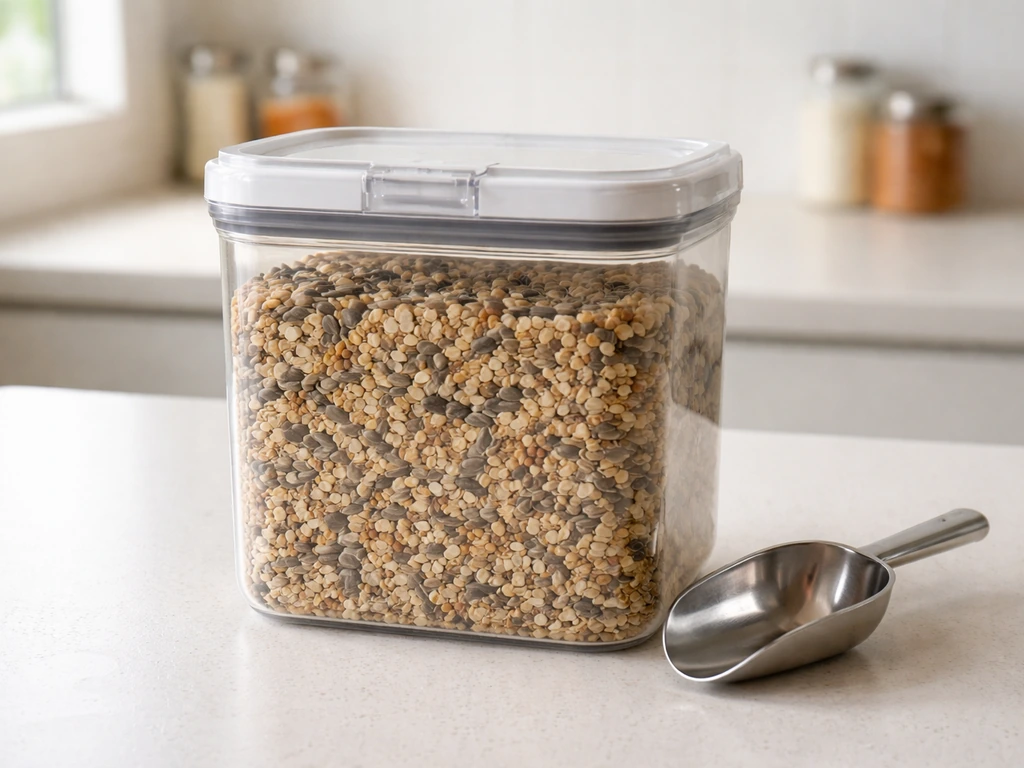
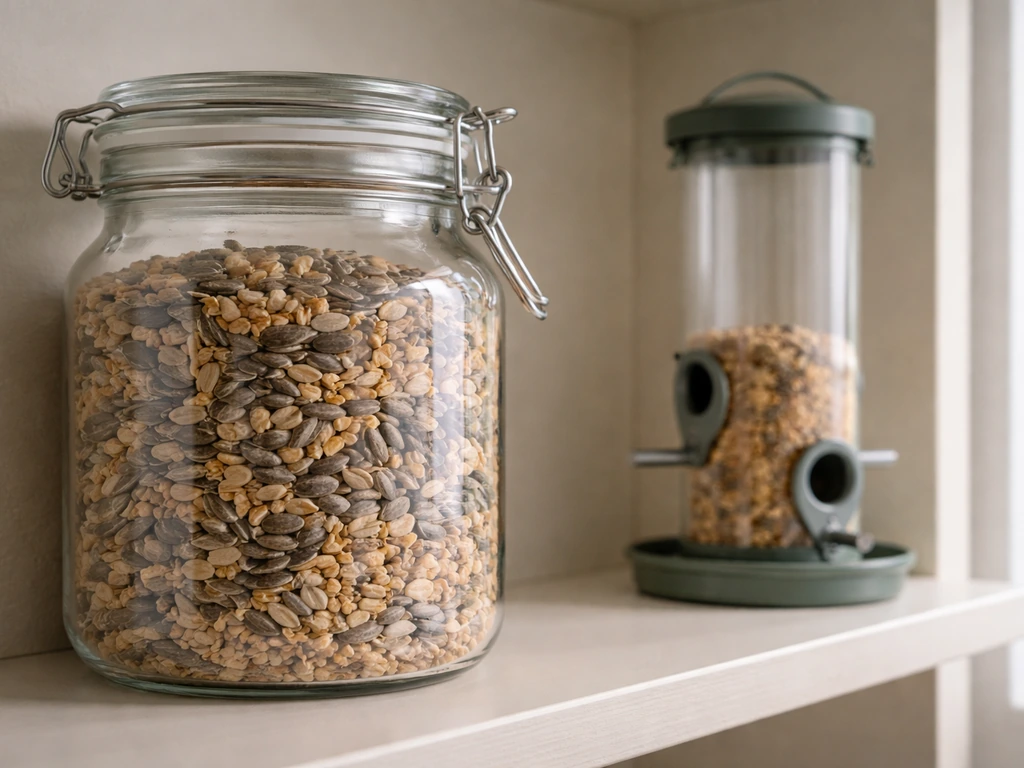
Dried legumes and whole grains store extremely well: kept sealed and dry, they last 12 months or more. The main risk is moisture. Store in an airtight container, ideally metal rather than plastic if you're in a rodent-prone area. A bird seed can (a metal storage container with a tight-fitting lid) works perfectly for this and keeps pests out. Never pour wet or damp grain into a storage container, as it will mold the entire batch from the inside out.
Troubleshooting: when things go wrong
Mice and rats
Rodents are attracted by food on the ground, not food in feeders. If you have rats or mice, the fix is to eliminate ground spillage. Use a tray under the feeder to catch debris, rake and dispose of anything that falls through daily, and stop filling feeders in the evening. Rodents are most active at night, so removing the food source after dark breaks the habit cycle. Switching from seed to suet or nectar helps significantly because these foods don't scatter onto the ground the way seed does.
Squirrels and raccoons
Squirrels will raid any feeder that contains fat-based food, fruit, or grain. Physical exclusion is the only reliable answer. Mount feeders on a smooth metal pole at least 4 to 6 feet off the ground, add a baffle above and below the feeder, and position the feeder at least 10 feet horizontally from any jumping-off point like a tree, fence, or roof edge. NC State Extension and UNH Extension both emphasize that baffles combined with correct placement are the most effective squirrel deterrent available. Raccoons are harder to exclude because they're larger and stronger: use feeders with weight-sensitive closing mechanisms or bring feeders in at night.
Ants
Ants are the primary pest problem with nectar feeders. The solution is an ant moat: a small water-filled cup that sits between the hanging wire and the feeder. Ants can't cross standing water. Keep the moat filled and clean. Don't use oil-based ant barriers on the feeder wire because they can drip into the nectar and contaminate it. For suet and fruit feeders, ants are less of a structural problem but can deter birds from feeding. A moat works here too, or you can mount the feeder on a pole with a baffle.
Wet or fermented food
Wet food is the most common cause of mold and disease. Nectar that's been rained on or sat out in heat will ferment within hours. Suet in high heat goes soft and rancid. Fruit left out too long starts to ferment. The rule is simple: if it smells off, looks discolored, or feels slimy, remove it immediately and clean the feeder before refilling. Texas Parks and Wildlife notes that bird feed becomes moldy quickly when exposed to rain or morning dew, which is exactly why feeder placement (with a roof overhang or protective cover) makes a real difference.
Insect infestations in feeders
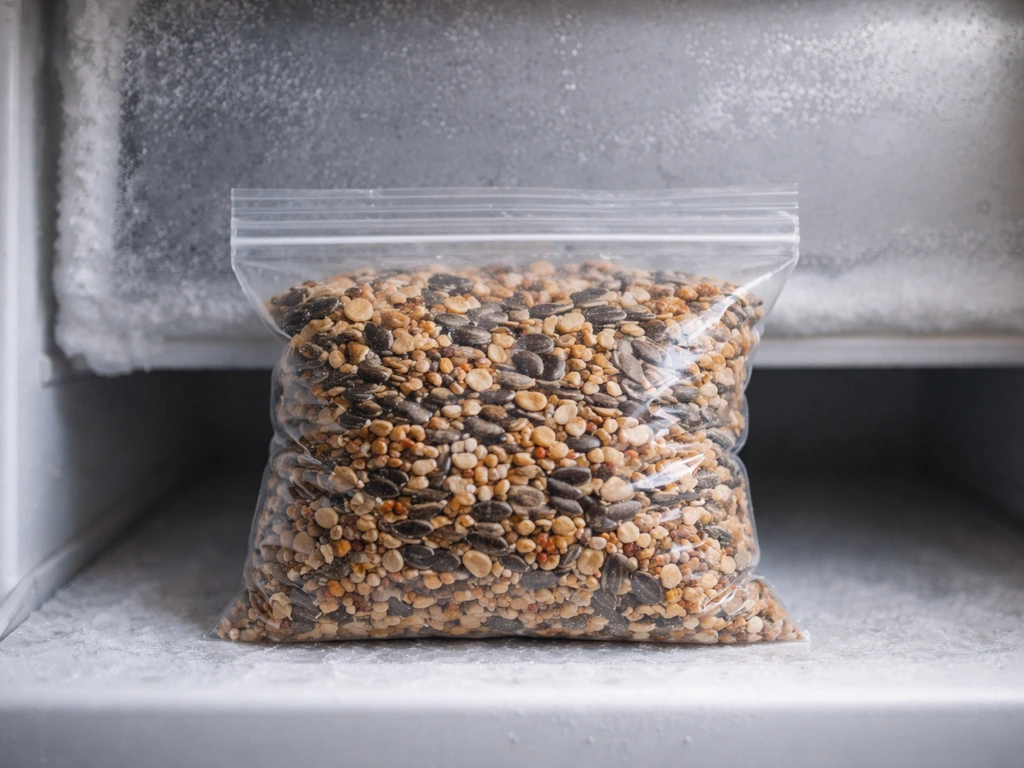
Pantry moths, grain beetles, and fly larvae can infest grain-based alternatives if you're not careful. Keep storage containers airtight and inspect your supply regularly. If you find insects in stored grain or legumes, discard the batch, freeze the container for 72 hours to kill any eggs, then wash and dry it thoroughly before refilling. In the feeder itself, ants and beetles are usually managed by keeping food quantities small (birds finish it in a day or less) and cleaning the feeder every refill cycle.
Cleaning feeders and keeping your yard safe
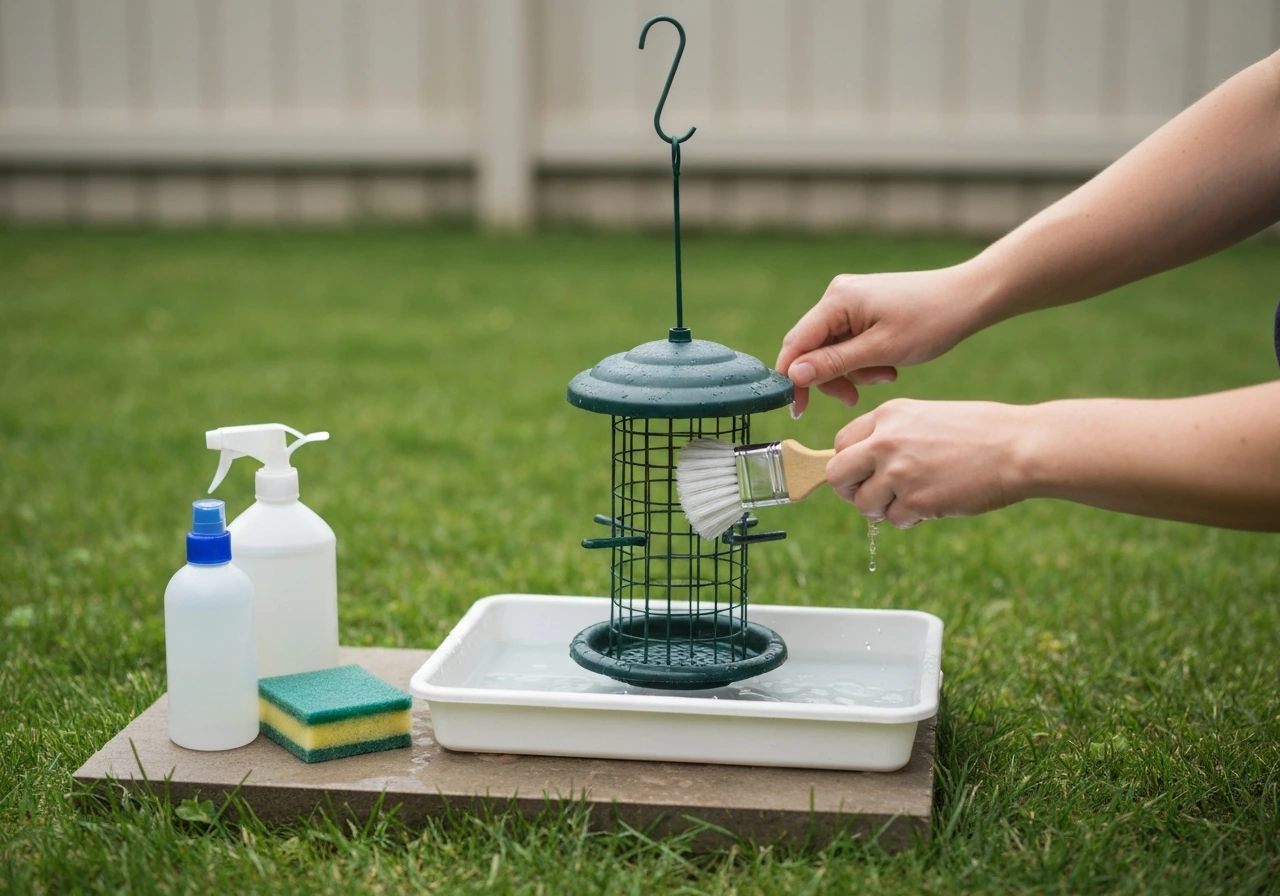
Every feeder type needs regular cleaning. Dirty feeders spread disease between birds, and spoiled food residue can harm pets that sniff around below. The general rule from Project FeederWatch is to clean seed-style feeders every two weeks, and more often during warm or wet conditions. For nectar feeders, clean every single time you refill. For fruit and mealworm trays, rinse with hot water daily and do a full clean weekly.
For disinfecting feeders, the Audubon-recommended approach is a solution of 9 parts water to 1 part bleach. Clemson HGIC suggests soaking the feeder in a diluted bleach or hydrogen peroxide solution for 10 minutes, then rinsing thoroughly and air-drying completely before refilling. Iowa DNR recommends hot water with dish soap as a routine cleaning method for hummingbird feeders, with the bleach option reserved for deeper disinfection. Whichever approach you use, the drying step matters: a feeder refilled while still wet creates the exact humid environment mold needs to grow.
Under and around feeders, rake or shovel up any fallen food, hulls, or debris at least once a week. Georgia DNR connects fungal buildup from wet seed hulls directly to aspergillosis risk in birds. Dispose of debris in a sealed bag in your outdoor trash, not in your compost. If you've had a significant rodent problem, dispose of all debris immediately and consider a temporary feeding break of one to two weeks to remove the attractant entirely.
A well-chosen alternative to bird seed doesn't have to be complicated. Suet if you want woodpeckers and insect-eaters, nectar if you want hummingbirds, mealworms if you want bluebirds, and fruit if you want orioles and thrushes. The bird seed guide on this site covers how standard seed fits into the mix if you want to run a hybrid approach alongside one of these alternatives. Clean regularly, keep food dry, control for pests at the feeder level, and you'll have a setup that works reliably without the mess and disease risk that comes with bad seed management.
FAQ
Can I offer a bird seed alternative along with seed during the transition, or should I replace it all at once?
You can mix, but keep the new food clearly separate and reduce old seed gradually. If you keep dumping seed and the alternative together, you may keep attracting the same pests and you will not get a clean read on which food is working. Start with one feeder (or one tray) for the alternative, then phase seed down over 1 to 2 weeks while you track what birds are actually eating.
What should I do if birds ignore the new alternative the first few days?
Do not refill less frequently just because it looks unused. Instead, give it time and keep the feeder hygienic, with fresh food and no lingering old residue. Birds can take a week or more to inspect a feeder that looks different, and nectar or fruit can spoil quickly so you must keep timing tight to avoid training birds to avoid a feeder.
How do I choose between suet, nectar, mealworms, and fruit if I see multiple bird types visiting my yard?
Pick based on the feeding style you are already observing. If the birds cling to vertical surfaces, suet often matches best. If you see birds hovering at flowers-like positions, nectar is the fit. If you see ground or low-walk foragers, legumes, whole grains, or fruit usually match better. If you are unsure, start with only one category for a week so you can tell which group each food brings in.
Is it safe to use honey instead of sugar in homemade nectar?
No. Honey can ferment differently and can also contain substances that are not ideal for small birds. Stick to a simple ratio of white granulated sugar and water, and avoid any dye, honey, or artificial sweeteners, because those increase the chance of mold, bacterial growth, or unwanted residues.
How should I handle nectar in cool weather versus heat if my schedule is limited?
Plan around worst-case temperatures for your yard, because nectar spoils faster in direct sun or when a feeder sits in warm sheltered spots. In mild weather, change every 2 to 5 days, but in hot conditions plan on daily or every other day. If you cannot maintain that, choose a longer-lasting alternative like suet (seasonally) or mealworms.
What is the fastest way to stop rats and mice if I switch from seed to alternatives?
Eliminate ground spillage first. Use a tray or catch method under feeders, rake or shovel debris regularly, and stop topping off in the evening since rodents are most active at night. Also reduce how much food you leave out at once, because spilled bits and hulls become a steady attractant even if the feeder itself is clean.
Do alternatives like fruit and mealworms still attract squirrels?
Yes. Fruit and fat-based foods tend to get raided, and mealworms can also attract persistent foragers once squirrels learn the location. The decision aid is to treat squirrel control as a feeder-placement problem, not a food-choice problem, and use pole mounting plus baffles (and consider bringing feeders in at night for raccoons if needed).
How can I tell whether nectar has gone bad before I taste test it?
Do not taste it. Look for cloudy appearance, bubbles, or off smell, and discard any nectar that has been rained on, sat in heat, or shows discoloration. Even if it looks mostly fine, sugar water can ferment quickly, so follow a strict refilling schedule rather than visual inspection alone.
What’s the safest way to store mealworms at home to prevent them from dying early or contaminating the food area?
Keep containers covered and ventilated enough to prevent excess moisture buildup, store in the refrigerator for live mealworms using bran or oats as bedding, and use small batches so you are not keeping them too long. For dried mealworms, use sealed containers and keep them dry. Any spill or loose bran should be cleaned up promptly so it does not attract pantry insects.
Can I compost fallen bird food, or should I trash it?
Trash it if it contains spoiled or mold-prone material like nectar residues, wet fruit, or seed hulls from damp conditions. For health and pest control, dispose of fallen debris in sealed bags rather than compost, because fungus and insects can survive and spread. If you have had rodents, remove debris immediately and consider a short feeding break to break the local attractant cycle.
How often should I clean feeders if I use alternatives instead of seed?
Follow the food’s spoilage speed. Nectar feeders require cleaning every refill because mold can grow quickly. Fruit and mealworm trays should be rinsed daily with a full clean weekly. Suet feeders need cleaning when you refill, and all feeder types should be cleaned more often during hot, wet, or stormy stretches.
Are bird pellets a good seed alternative for all backyard birds?
They are niche. Pellets are formulated to be complete food and can reduce waste, but many wild songbirds do not adopt them reliably. If you do try pellets, expect to see corvids or certain parrots respond first, and consider running pellets on a separate feeder while you keep other foods available for species that ignore pellets.
If I store grain or legumes for alternatives, what mistakes most often lead to infestations?
The most common mistake is allowing moisture exposure, which leads to mold and also makes grains more hospitable to insects. Keep supplies in airtight containers, inspect frequently, and if you find insects in stored food, discard that batch and freeze the container for 72 hours before reuse, then clean and dry thoroughly.
What should I do if my alternative feeder attracts the 'wrong' birds, like starlings or pigeons?
Adjust access and placement. Ground-spread foods usually increase general competition, so switch to tray or feeder methods that limit access, use smaller quantities, and remove food quickly when it is not being consumed. For suet, a wire-cage style feeder often changes the visitor mix by excluding birds and pests that prefer platform-style access.
Learn how to make bird seed last longer with proper storage, humidity control, pest prevention, and fixing wet or moldy
Stop birdseed mold with smart storage: dry handling, right container, moisture control, bag cleanup, and feeder sanitizi
Exact freezing time and safe steps to kill beetles, moths and weevils in bird seed, plus thaw checks and storage.