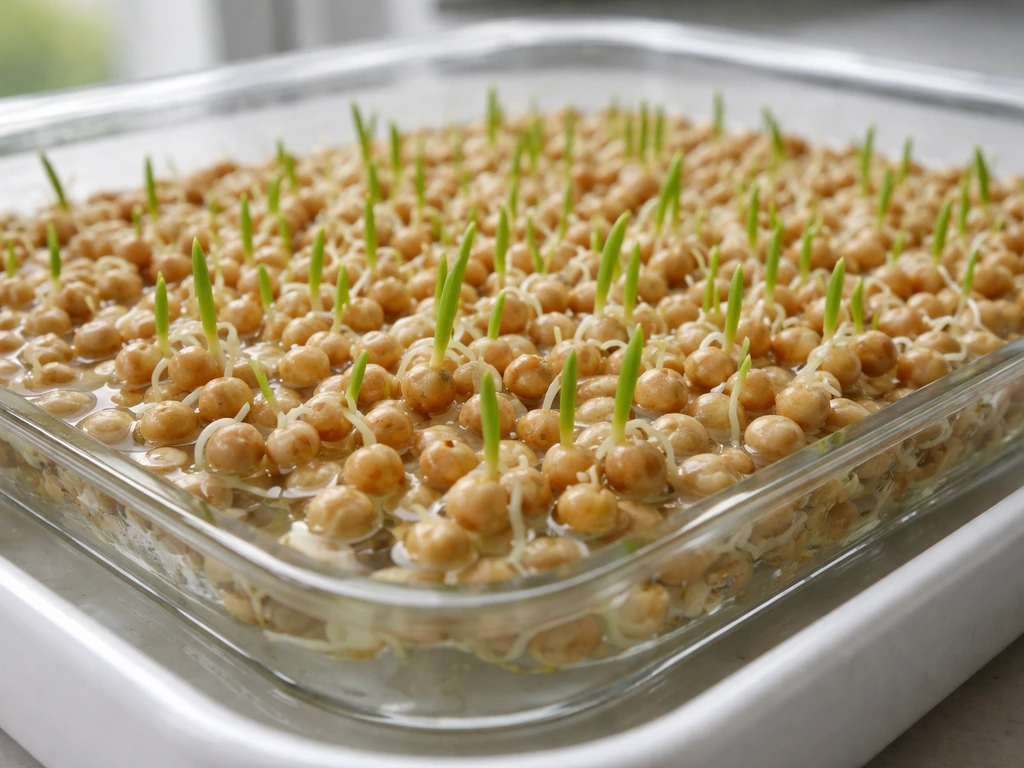
Yes, millet bird seed can sprout, but only if the seeds are raw, unhulled, and haven't been sitting in poor storage conditions for too long. A lot of commercial millet in bagged bird seed mixes is viable enough to germinate, especially white proso millet that hasn't been heat-treated. The catch is that many bags contain seed that's too old, too damp, or treated with preservatives that reduce viability. So the real answer is: it depends on your specific bag, and you can find out in about 24 to 48 hours with a simple test.
Does Millet Bird Seed Sprout? How to Test and Grow It

Maya Collins
17 Jun 2026
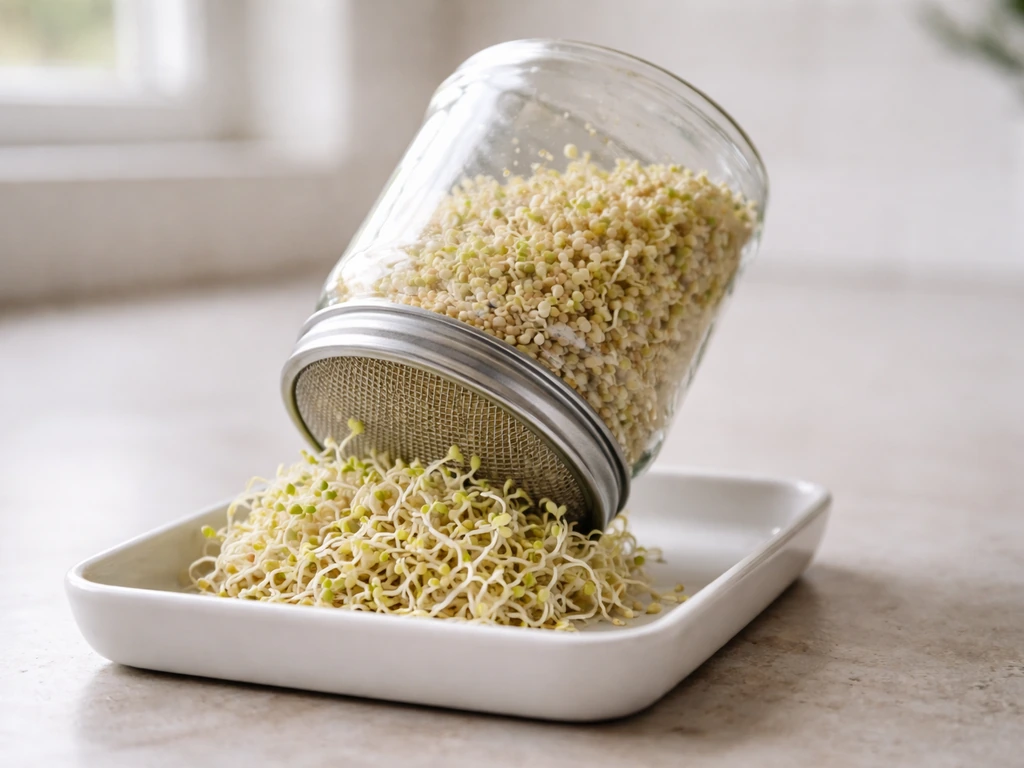
Why millet bird seed may or may not sprout
The biggest factor is processing. Millet that's been roasted, popped, or heavily heat-treated during packaging won't germinate, full stop. The embryo is dead. This happens more often than you'd expect in cheap mixes, where processing is used to extend shelf life or reduce pest risk. If your millet smells slightly toasty or looks uniformly darker than raw grain, that's a red flag.
Hulled vs. unhulled matters too. Millet sold as bird seed is usually whole and unhulled, which is what you want for sprouting. Hulled millet (where the outer seed coat has been removed) won't germinate because the protective layer that the seedling needs is gone. Some mixes include millet husks as a filler, which is just empty shell with no viable kernel inside at all. A filler-focused bird seed guide similarly warns that inexpensive mixes may include materials like husks that leave fewer viable kernels available to sprout cheap mixes can include fillers like husks that don't contain viable kernels.
Age and storage conditions are the next big variables. Millet viability drops significantly when seed is stored at high humidity or warm temperatures. Research on pearl millet and finger millet specifically shows that keeping moisture content below about 12% and temperature below 20°C is key to preserving viability for up to 34 weeks or more. A bag that's been sitting in a warm garage or shed all summer may have far lower germination rates than a bag stored in a cool, dry pantry, even if both bags are the same age.
Commercial preservatives are worth mentioning, though they're not the main culprit. Some bird seed mixes use antioxidants like ethoxyquin, BHT, or BHA to slow fat oxidation and spoilage. These don't directly kill seed embryos, but they're a sign the mix has been through more processing than a simple clean seed lot, and the overall quality may be lower. If your bag lists a lot of additives, that's one more reason to test before investing effort.
Finally, dormancy plays a role. Proso millet, which is the most common type in bird seed, can have some degree of dormancy, especially in freshly harvested lots. This can make seeds look non-viable when they're actually just slow. Giving seeds a few extra days before calling them dead is worth doing.
Test your seed's germination before doing anything else
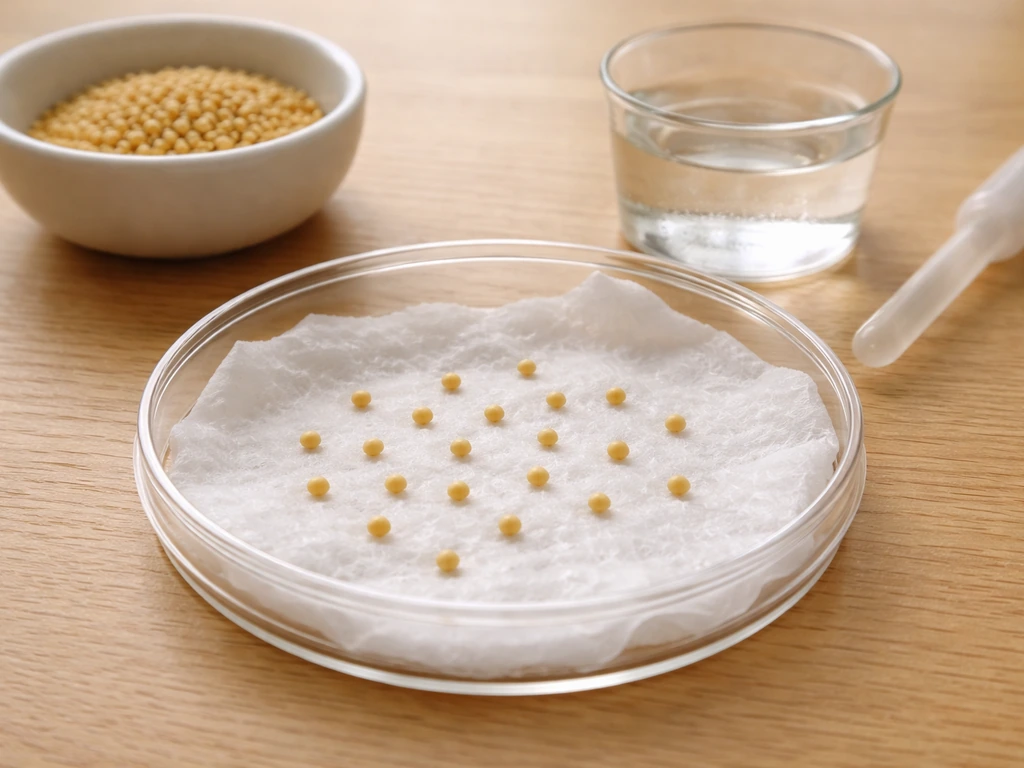
Don't commit to a full sprouting setup until you know your seed is viable. This paper-towel test takes about five minutes to set up and gives you a reliable answer within 48 to 72 hours. Penn State’s paper-towel germination protocol assesses germination in a systematic way while keeping incubator temperature and light cycle conditions controlled paper-towel test.
- Pull a sample of 10 to 20 millet seeds at random from the bag. Don't pick the prettiest-looking ones — grab from different spots in the bag, and include any that look slightly off-color or smaller. Selecting only the best seeds will give you an inflated germination rate that doesn't reflect the bag's true quality.
- Fold a paper towel in half twice so you have a thick pad. Dampen it with tap water, then press or 'squeegee' the excess water out so the towel is moist but not dripping.
- Lay the seeds on one half of the damp towel, spaced out so they're not touching. Fold the other half over them.
- Slide the whole thing into a zip-lock bag or cover loosely with plastic wrap and leave it at room temperature overnight.
- The next day, move it somewhere consistently warm — around 25°C (77°F) is ideal. A spot near a heat source or on top of the refrigerator works. Try to give the seeds 12 hours of light and 12 hours of darkness each day.
- Check at 48 hours, then again at 72 hours. Count how many seeds have cracked open with a visible root tip (radicle). Divide that by your total seeds to get a germination percentage.
If 70% or more of your seeds sprout a root tip within 72 hours, your bag has solid viability and is worth using. Between 40% and 70% is workable but expect some gaps. Below 40%, the seed is marginal, you can still try, but lower your expectations. Zero germination after 4 to 5 days almost always means the seed was heat-treated or is simply too old.
How to sprout millet bird seed step by step
Once you've confirmed your seed germinates, here's how to take it from raw millet to sprouted seed or small seedlings. If your goal is specifically to sprout bird seed for chickens, follow the same steps and check viability first so you don't waste time sprouting seed for chickens. This works whether you're growing sprouts to eat, sprouting seed for chickens, or just want to see what happens.
What you'll need
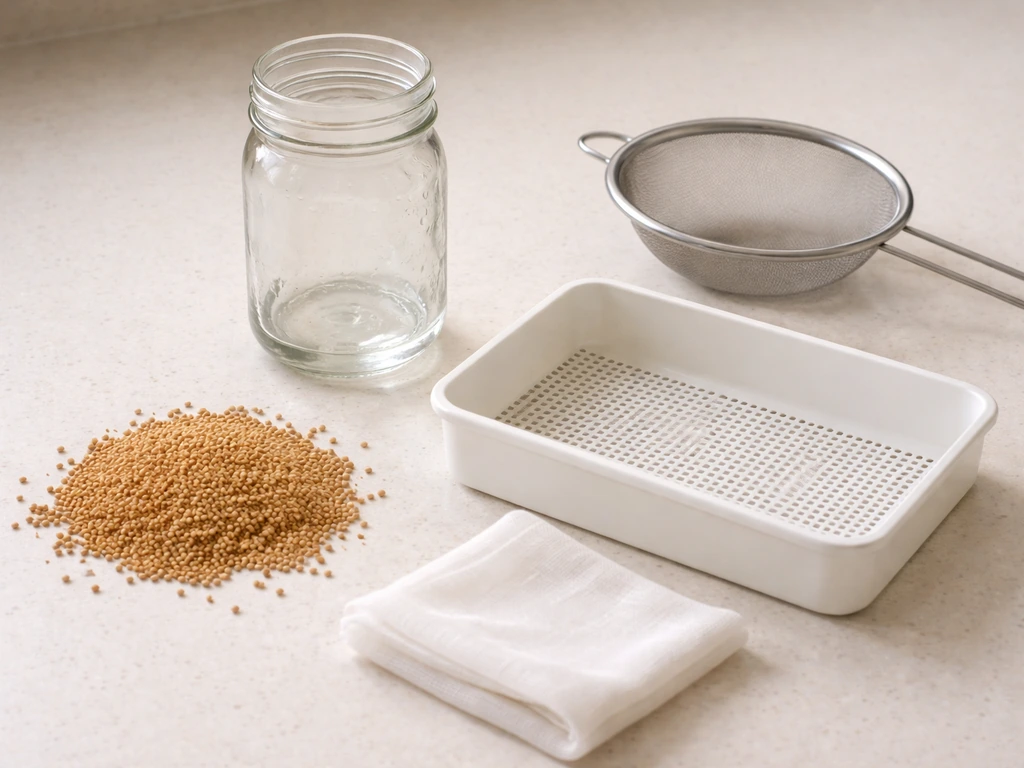
- Raw, viable millet bird seed (unhulled and unroasted)
- A clean glass jar, sprouting tray, or shallow container with drainage holes
- Cheesecloth, mesh lid, or a fine-mesh strainer
- Clean water (filtered or tap is fine)
- A warm spot with indirect light
Step 1: Rinse and soak
Measure out roughly half a cup of millet seeds. Rinse them under cool running water, swishing well to remove dust and debris. Then place them in a jar or bowl, cover with two to three inches of cool water, and let them soak for 6 to 8 hours (overnight works well). Millet is a small seed and doesn't need as long a soak as larger grains. After soaking, drain and rinse thoroughly.
Step 2: Set up for germination
Spread the soaked seeds in a thin, even layer in your container. If using a jar, tilt it at an angle so water can drain out and air can circulate. If using a tray, make sure it has drainage holes and isn't sitting in standing water. Cover with cheesecloth or a mesh lid to let air in while keeping seeds contained. Place in a warm spot, millet germinates best above 15°C (59°F), and noticeably faster at 20 to 25°C (68 to 77°F). Cooler temps slow things down significantly.
Step 3: Rinse twice daily
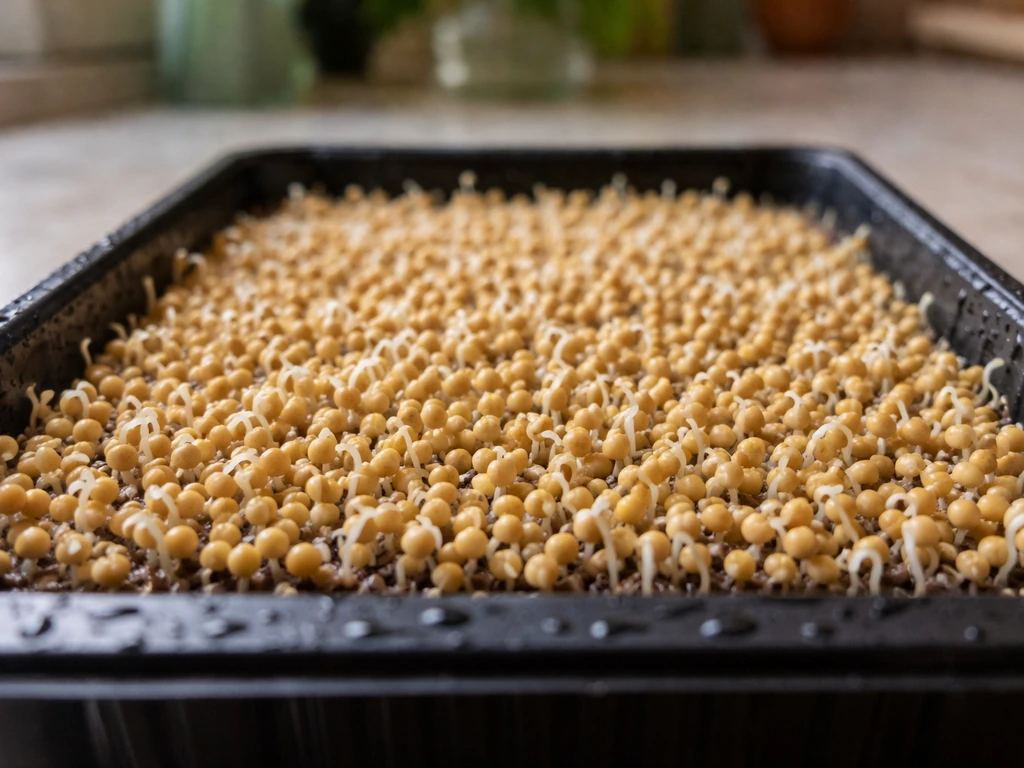
Rinse the seeds with cool water every 12 hours. This keeps them moist, washes away any bacteria or mold spores that start to build up, and prevents fermentation. After each rinse, drain thoroughly, standing water is the main cause of mold with millet. Give the container a gentle shake to redistribute seeds and break up any clumping.
Step 4: Watch for sprout tails
At room temperature (around 20 to 25°C), you should see small white root tips emerging within 24 to 48 hours. If you want to use the sprouts fresh (for yourself, for chickens, or as a bird treat), harvest them once the root tails are 2 to 5mm long, usually at the 48-hour mark. At this stage they're nutrient-dense and haven't had time for mold to become a real issue. If you want to grow them further into seedlings, transfer the sprouted seeds to a shallow tray with a thin layer of potting mix, press them in lightly, water gently, and place in a bright spot. If your goal is microgreens, the approach is similar, but you usually grow them longer in soil or another growing medium and harvest for the first tender leaves seedlings.
Timing at a glance
| Stage | Typical Timeframe | What to Look For |
|---|---|---|
| Soak | 6 to 8 hours | Seeds swell visibly |
| Root tip emergence | 24 to 48 hours | White radicle (1 to 3mm) visible |
| Short sprout (ready to use) | 48 to 72 hours | Root tail 2 to 5mm, possible tiny shoot |
| Seedling stage | 5 to 7 days | Green shoot 1 to 2cm, needs soil or growing medium |
Troubleshooting: no sprouts, slow sprouts, and mold
No sprouts after 72 hours
If nothing has happened after three days, the most likely cause is dead seed. Heat-treated, roasted, or very old millet simply cannot germinate. There's no workaround for this. The second possibility is that your environment is too cold, if your room is below 15°C, germination can stall completely. Move the setup somewhere warmer and wait another day or two before giving up entirely. Some proso millet also carries light dormancy, so seeds that appear dead at day three can still crack open by day five.
Very slow or patchy sprouting
Slow germination usually means low-vigor seed (old or poorly stored), cool temps, or seeds that weren't soaked long enough before setting up. Try extending the soak to 10 hours next time, confirm your room is consistently above 20°C, and check that you're rinsing on schedule. Patchy germination with some seeds sprouting and others not is normal if your bag is a mix of seed ages or lots.
Mold or fuzzy white growth
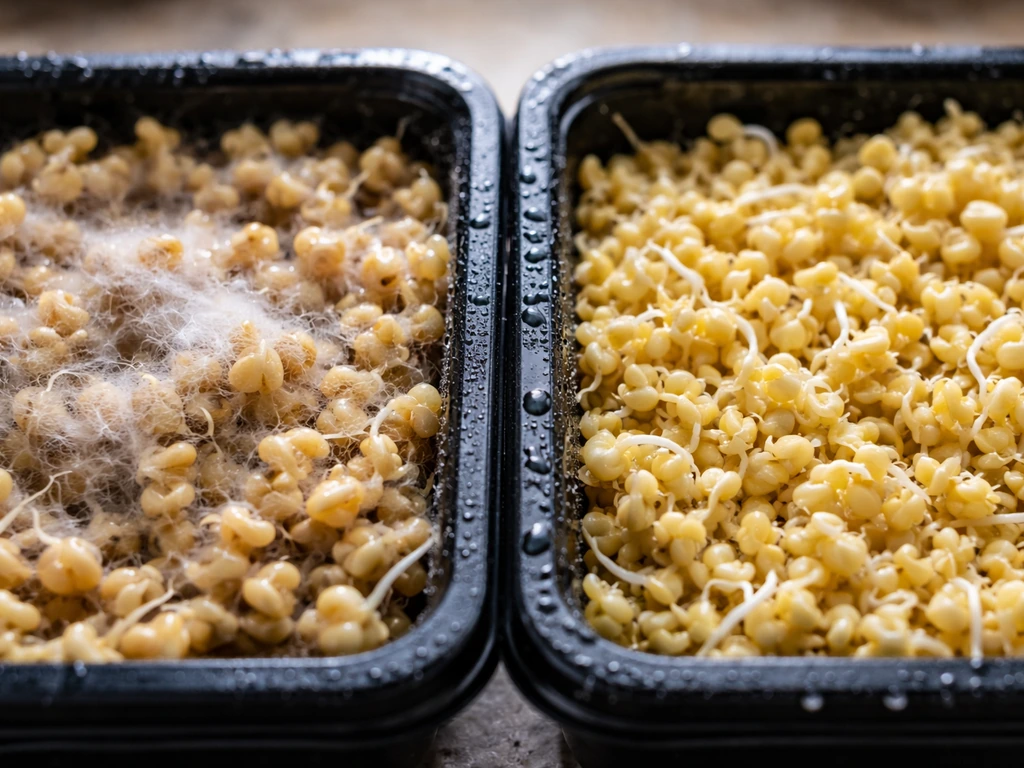
This is the most common failure with millet sprouting, and it almost always comes down to three things: not draining well enough after rinsing, seeds packed too tightly together, or temps that are too warm and humid. Thin, white fuzz on the seeds themselves can sometimes be root hairs (not mold), which look similar but are uniform across seeds and don't smell musty. True mold is patchy, often gray or green, and smells bad. If you have real mold, discard the batch. Don't try to rinse it off and keep going, mold spreads fast and can produce mycotoxins that are harmful to birds and people. To prevent it next time: rinse more frequently, spread seeds in a thinner layer, and improve airflow around the container.
Safety, hygiene, and cleanup when things go wrong
Wet and sprouting seeds are a mold and bacteria risk, especially indoors. A few basic hygiene habits make the difference between a clean project and a mess that contaminates your kitchen counter or feeder.
- Always use clean containers and utensils. Rinse your sprouting jar or tray with hot water between batches, and let it dry fully before reusing.
- Don't let soaking water sit longer than 8 hours. Stagnant water that smells fermented means bacteria are already growing. Drain and rinse immediately.
- Keep sprouting setups away from pet food, bird feeders, and food prep areas until you've confirmed no mold is present.
- If you find mold, seal the contaminated batch in a zip-lock bag before discarding it — don't shake or dump it near your bird feeders, as airborne mold spores can colonize seed in feeders too.
- Wet or sprouted millet that's gone bad should not go in outdoor feeders. Moldy seed is genuinely harmful to birds and can cause aspergillosis, a serious respiratory fungal infection.
- After a failed batch, wash your hands thoroughly and wipe down any surface the wet seed touched with a diluted white vinegar solution (1 part vinegar to 3 parts water).
If your sprouting attempt fails and you're left with a bag of millet you're no longer sure about, the safest move is to check whether the remaining seed is still dry and shows no signs of clumping, off smells, or visible mold. Dry millet that simply didn't sprout in your test can still go in a feeder, birds don't need it to be viable, they just need it to be fresh and mold-free. If you want to know exactly what makes millet bird seed different, see what is millet bird seed and how it’s prepared. Wet or clumped seed that sat too long should be discarded rather than dried out and reused.
If you're exploring sprouted seed as a way to offer birds or backyard chickens something fresh and nutritious, the principle is the same as when testing any seed lot: start with a small batch, keep everything clean, and only offer sprouts that look and smell fresh. Milo in bird seed is typically pearl millet that has been cleaned and sold for feeding birds, so the same sprouting and viability factors apply. Short sprouts with just the root tip showing are safest and least likely to have developed mold compared to longer, older sprouts.
FAQ
Will millet bird seed sprout if it has already been opened and sitting in my pantry for months?
It might, but you should verify with the towel test first. Opened bags often absorb moisture, and warm storage (garage, shed, near a stove) can quickly lower germination even if the bag is dry when you first buy it.
Can I sprout millet if the bag contains other grains mixed in (sunflower, oats, flax, etc.)?
Yes, but expect uneven results because each seed type has different viability and dormancy. If you only care about millet sprouts, sort and test the millet portion separately so you do not misread the overall germination rate.
How can I tell whether dark color in my millet is from roasting or just normal processing?
Roasting usually makes the grain look uniformly darker and can smell slightly toasty. If the aroma is strongly cooked or the seeds seem brittle and very uniform in color compared with fresh raw grain, treat them as likely heat-treated and do not rely on sprouting.
Does millet sprout differently in water versus soil, and which is better for birds?
Millet sprouts grown in water tend to be faster, but they also require strict drainage and frequent rinsing to prevent mold. Soil or a shallow tray can be more forgiving if you keep moisture gentle and avoid standing water, but it takes longer to reach usable root-tip or seedling stages.
If I see fuzzy white material on the seeds, is it always mold?
Not always. Root hairs can look like white fuzz, especially when sprouting is actively progressing and the fuzz is fairly even across seeds. True mold is usually patchy (gray, green, or darker), often spreads quickly, and tends to smell musty, in which case you should discard the batch.
Is it safe to eat sprouted millet if it smells fine but looks slightly clumpy?
Small clumping can happen when seeds are packed too tightly, but you should still prioritize hygiene and airflow. If seeds are slimy, overly wet, or you see any mold spots, do not eat. For any doubt, start over with a fresh, properly drained batch.
What temperature is too cold for millet to sprout reliably?
Below about 15°C (59°F), germination can stall or appear to fail completely. If your room is cool, move the setup to a consistently warmer spot (for example, near a warm appliance but not on a hot surface) and give it an extra day or two before judging.
How long should I wait before concluding the seed is dead?
After 72 hours, if you have no root tips and your towel test shows near-zero germination, it is usually because the seed was heat-treated, too old, or otherwise non-viable. Also consider light dormancy with some proso millet, so if temperatures are right, checking again by day five can prevent a false negative.
Should I remove hulls or husks to improve germination?
If the millet is already hulled, you generally should not expect it to sprout because the protective outer layer is part of what supports germination. If you have intact unhulled millet, do not remove coatings yourself, and instead focus on correct hydration, drainage, and temperature.
Can I dry millet again after a failed sprouting attempt and still use it in a feeder?
Yes, as long as it stayed dry enough to prevent mold. Discard any seed that clumped, developed off smells, or shows visible contamination. Dry, non-sprouted millet can still be fed to birds since viability is not required for feeding.
How do I prevent mold when rinsing sprouting millet indoors?
Drain thoroughly after every rinse and spread seeds in a thinner layer so water does not collect. Too much seed packed tightly together, standing water, or infrequent rinsing are the most common causes. If you ever see true mold, discard immediately rather than trying to rinse it off.
For feeding chickens, is it better to give very short sprouts or longer seedlings?
Short sprouts (root tip stage, harvested earlier) are typically the safest because they are less likely to have developed mold compared with longer, older sprouts. Keep serving batches small and only offer sprouts that smell fresh and look clean.
Next Article
Can You Sprout Bird Seed for Chickens? How to Do It Safely
Learn which bird seed sprout-safe for chickens and how to germinate safely with steps to prevent mold and spoilage.