If your Trill bird seed looks, smells, or feels different from what you bought before, there are two likely explanations: either the seed has been damaged by moisture, heat, or pests during storage, or the product formula or production batch genuinely changed. Both are fixable once you know which one you're dealing with. Run through the checks below and you'll have a clear answer in about five minutes, plus a plan for what to do next.
Trill Bird Seed Has Changed: How to Diagnose and Fix It
Maya Collins
30 May 2026
What "changed" actually looks like
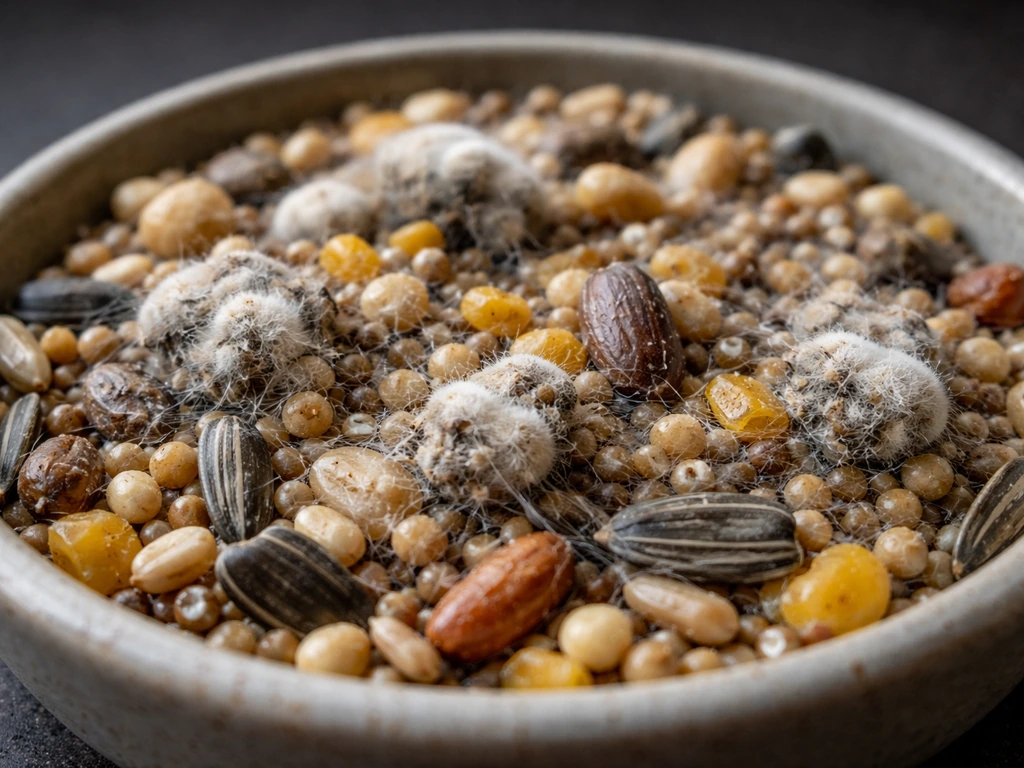
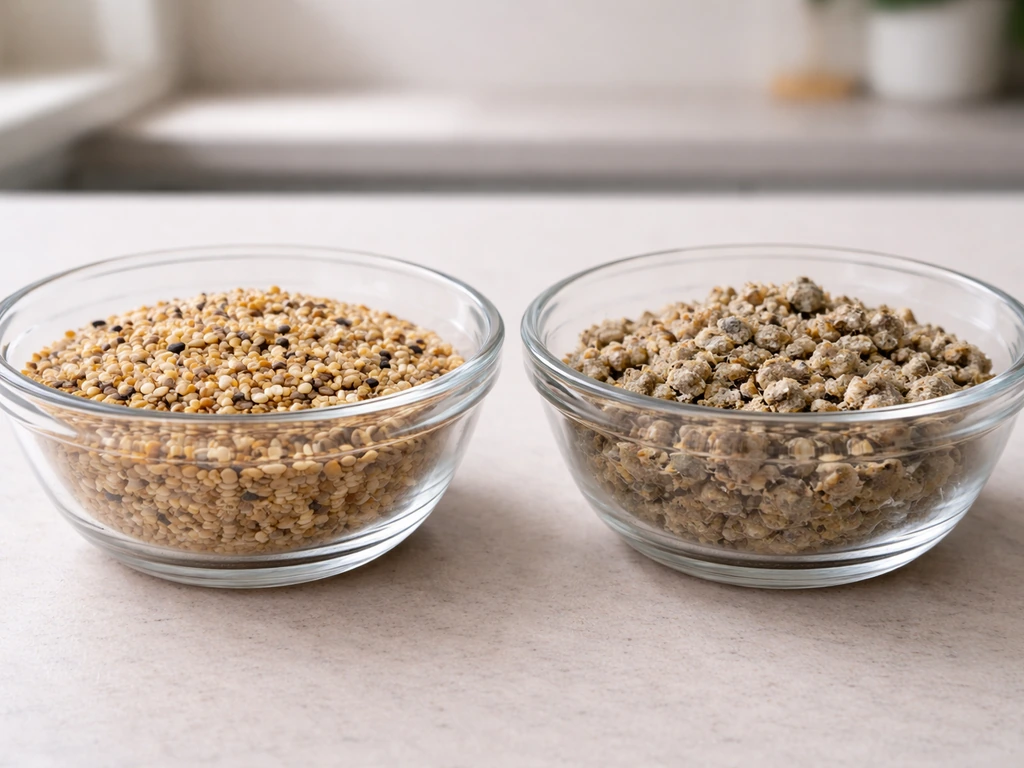
Spoiled or compromised seed tends to show up in predictable ways. Here's what to look for across each sense:
- Visual: clumped or stuck-together seed, fuzzy or powdery patches (mold), discoloration, webbing between seeds, small white cocoons or casings, or visible insects moving through the bag
- Smell: a musty, sour, or stale odor when you open the bag is a strong sign of fungal growth or moisture damage. Fresh seed smells neutral to faintly nutty
- Texture: seed that should feel dry and loose but instead feels damp, compacted, or sticky is a clear warning sign
- Clumping: clumps that don't break apart easily mean moisture has gotten in at some point, even if the bag now seems dry
- Sprouting: if seeds have started to germinate inside the bag or feeder, they got wet and should be treated as spoiled
- Frass and webbing: fine powdery debris mixed in with the seed, combined with webbing or silk threads, usually means stored-product moths or beetles have been active
If the seed looks visually different but doesn't show any of the above, it may just be normal batch variation. Some bird food manufacturers explicitly note that size, color, and texture of components can shift from one production run to the next without affecting the product quality. That's worth keeping in mind before assuming something is wrong.
Quick home checks to diagnose the problem
You don't need any special equipment. Work through these five checks in order and you'll have a reliable diagnosis.
- Visual mold check: Take a handful of seed and spread it on a white paper towel in good light. Look for fuzzy growth, dark patches, or any powdery coating on the seeds. Even a small amount of visible mold is enough to treat the whole batch as unsafe.
- Smell test: Stick your nose close to the open bag or feeder and take a slow breath. Fresh seed smells neutral or faintly earthy. A musty, sour, or ammonia-like odor means microbial activity is underway.
- Moisture and clump check: Pinch a small amount and rub it between your fingers. It should feel dry and separate easily. If it feels damp, sticky, or compresses into a ball, moisture has gotten in.
- Sprout check: Look for any seed that has begun to crack open and show a small root or shoot. Sprouted seeds are wet seeds, and wet seeds go bad quickly.
- Insect evidence check: Look for fine powdery debris (frass), thin silky webbing threading through the seed, or small cocoons stuck to the bag interior. These are signs of stored-product insects, most often Indian meal moths or grain beetles. If you find any of these, the batch is infested.
If any of checks 1 through 5 fail, stop there. The seed is compromised. If everything passes, move on to comparing the label to rule out a formula change.
Bag vs storage: is it a formula change or a storage problem?
This is where people often get confused. The seed may look different because the manufacturer genuinely changed the recipe, or because the batch you have was stored or handled badly. Here's how to tell them apart.
Check the label and lot code
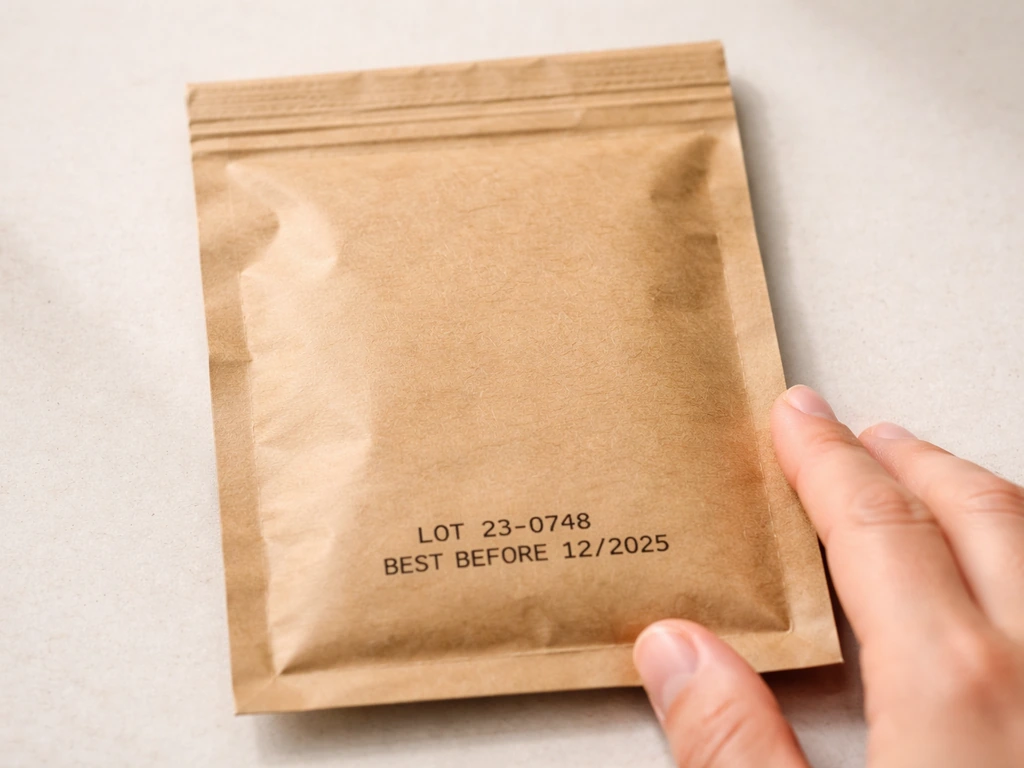
Flip the bag over and find the ingredient list, the best-before or expiry date, and any batch or lot code printed near the bottom or top seam. Trill products list an expiry date, and some retail copies also carry a lot or production code. If you have an old bag (or a photo of one), compare the ingredient list word for word. Pet and bird food brands, including Trill, explicitly warn that ingredients, nutrition, and allergens can change due to reformulation, and the bag you're holding is always the definitive reference. If the ingredient list is identical and the expiry date is still valid, the change you're seeing is almost certainly a storage or handling issue, not a formula change.
Spotting a genuine reformulation
If the ingredient list has changed (different grains listed, a new binder, a different primary seed, or altered proportions), or if the feeding guidance on the pack says something different from what you remember, that's a reformulation. This is less common but does happen. In that case, the "change" is intentional on the manufacturer's side, not a storage problem on yours. The fix there is simply deciding whether the new formula suits your birds, not whether the seed is safe.
| Cause | Key signs | What to do |
|---|---|---|
| Storage damage (moisture, heat) | Clumping, musty smell, mold, sprouting | Discard and clean feeder; fix storage setup |
| Insect infestation | Webbing, frass, cocoons, live insects | Discard, freeze remaining stock if unsure, deep clean storage area |
| Normal batch variation | Different color/size/texture but no odor, no clumping, no pests | Use the seed as normal; birds usually adapt |
| Genuine formula change | Ingredient list on bag differs from prior purchase | Decide if new formula suits your birds; transition gradually if needed |
Should you throw it out or can you salvage it?
The honest answer is: if you found mold, sprouting, or insect activity, throw it out. Insect pest frass or debris and webbing or cocoons are also common at-home indicators of stored-product insect activity in items frass or debris and webbing/cocoons are common indicators of stored-product insect activity. Mold on bird seed can produce mycotoxins that are harmful to birds, and there's no safe way to sort out moldy seeds by hand at home. The risk to birds and to your feeder environment isn't worth the cost of the seed. Bag it up, seal it, and put it in the trash. Don't spread it on the ground.
If the seed passed the visual, smell, moisture, and insect checks but you're still not sure about a suspected low-level insect problem, the UGA Extension recommends placing the sealed bag in a household freezer at 0°F (about -18°C) for at least six days. This kills most stored-product insects and eggs without damaging the seed. After freezing, let the bag return to room temperature before opening (condensation forms on cold seed and will cause moisture problems in your feeder). Then re-inspect before use.
For seed that is simply older but passes all your checks, and the bag is still within its best-before date, it's fine to use. Shelf life for properly stored bird seed typically runs from about 6 months up to 2 years depending on seed type and storage conditions. Thistle (nyjer) seed and oil-based seeds like sunflower tend to go rancid faster than millet or plain grain mixes, so those are worth checking more carefully as they age. Thistle (nyjer) seed is typically sourced from cultivated plants, then cleaned and processed before it reaches the retailer where does thistle bird seed come from. If you are wondering whether will thistle bird seed grow, treat it like a seed viability question and confirm freshness and storage conditions before expecting sprouts. Thistle (nyjer) bird seed is a smaller seed type often sold as nyjer, and its storage and freshness needs can differ from other mixes what is thistle bird seed.
Sorting steps if the damage is minor and localized
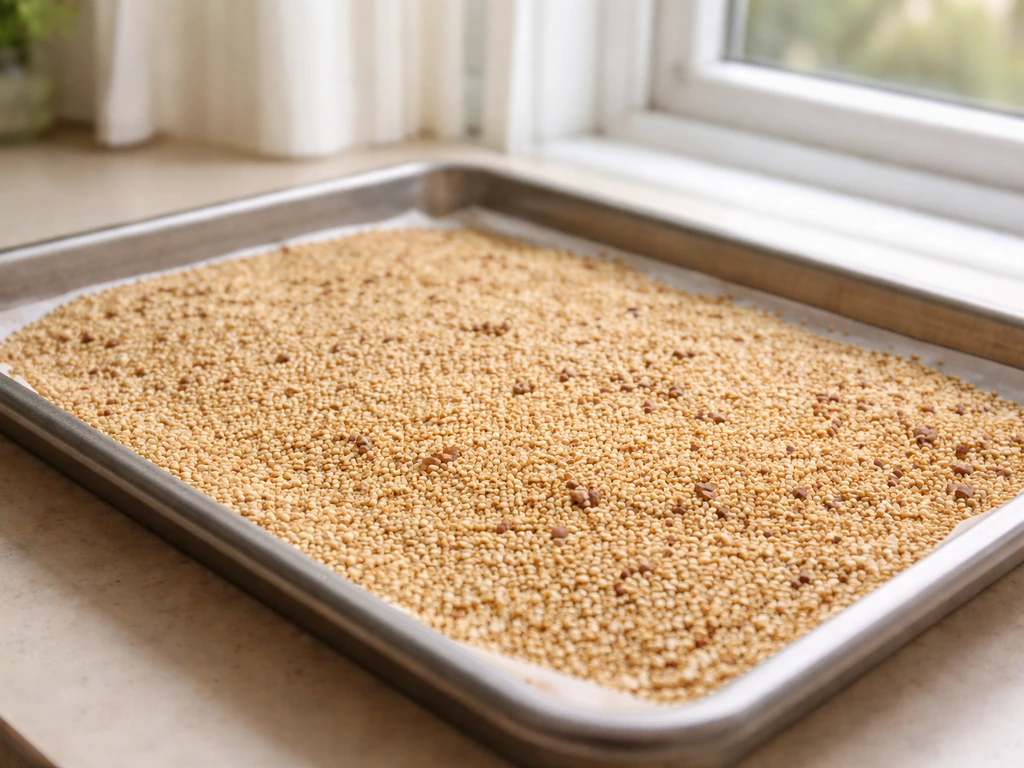
If only a small area of an otherwise large batch looks clumped but passes the smell and mold tests, you can try spreading the seed on a clean baking tray in a dry, well-ventilated area indoors and letting it air-dry for several hours. Do not put it in direct sunlight outdoors, which can attract pests. After drying, re-inspect and discard any clumps that still feel damp or show any discoloration. Store the salvaged portion in an airtight container immediately.
Feeder and area cleanup after wet, moldy, or pest-infested seed
Before you put any fresh seed in your feeder, you need to clean it thoroughly. If you are wondering about adding chia seeds to a bird feeder, make sure you use them in a safe way and avoid creating wet, clumping conditions. Mold spores and insect eggs can survive in feeder crevices and re-infest your next batch within days if you skip this step.
- Empty the feeder completely. Tip all remaining seed into a sealed bag and dispose of it in the trash. Do not shake or blow the feeder clean, as that aerosolizes mold spores and debris.
- Disassemble the feeder as much as possible to reach all crevices, perches, and ports.
- Wash all parts with hot soapy water to remove loose debris and seed residue.
- Soak all feeder parts in a diluted bleach solution of 1 part bleach to 9 parts water for 10 minutes. This is the ratio recommended by Virginia DWR and is strong enough to kill mold and most pathogens without damaging most feeder materials.
- Rinse thoroughly with clean water until no bleach smell remains.
- Allow the feeder to air-dry completely before adding new seed. A damp feeder will spoil fresh seed within days.
- Sweep up all spilled seed, hulls, and debris from the ground under the feeder and dispose of them. Do not leave them to decompose, as wet seed debris on the ground is a mold and rodent magnet.
- If you used a feeder tray or platform, scrub that separately using the same bleach solution.
For routine maintenance when there's no mold involved, a weekly wash with a 4-to-1 vinegar-and-water solution works well and is less harsh on feeders. Reserve the bleach soak for any confirmed mold, illness, or pest situation.
Storage and pest-prevention setup going forward
Most seed problems I see trace back to the same handful of storage mistakes. The original paper or thin plastic bag that bird seed comes in is not a long-term storage container. It lets in moisture, doesn't seal properly after opening, and gives insects easy access. Audubon also advises storing seed in a cool, dry location and drying feeders completely before refilling to help prevent problems from recurring It lets in moisture, doesn't seal properly after opening, and gives insects easy access.. Here's how to set up storage properly from the start.
- Transfer seed to an airtight, hard-sided container (metal or thick plastic with a gasketed lid) as soon as you open the bag. Galvanized metal bins work especially well because rodents can't chew through them.
- Store in a cool, dry location. A garage or shed is fine in mild climates, but if summer temperatures regularly exceed 80°F (27°C) in your storage area, that speeds up seed degradation and makes conditions more favorable for insects. An indoor pantry or basement is better in hot or humid regions.
- Keep the container off the ground on a shelf or pallet to reduce moisture ingress from concrete floors.
- Don't mix new seed on top of old seed. Use up or discard what's in the container before adding a fresh batch, so older seed doesn't stay at the bottom indefinitely.
- Buy in quantities you'll use within 1 to 2 months if your storage conditions aren't ideal, rather than buying in bulk and storing for extended periods.
- Check stored seed monthly: open the container, take a handful, and run the basic checks above. Catching a moisture problem early means you lose a little seed rather than the whole container.
- If you've had a moth or beetle infestation, wipe down the interior of the storage container with the bleach solution before refilling, and consider placing a bay leaf or two inside (an old home method for discouraging stored-product insects, though not a guaranteed fix on its own).
Stored-product pests are almost always introduced via the original packaging, meaning the insects or their eggs were already present when you bought the seed. This is why freezing a new bag for six days before transferring it to storage is a worthwhile habit if you've had recurring infestations.
How birds may react to changed seed and what to adjust
Birds are creatures of habit and can be surprisingly picky. If your Trill mix has genuinely been reformulated or the ratio of components has shifted, some birds may refuse it or visit less frequently for a week or two while they adjust. This is normal and doesn't mean the seed is bad. Sparrows, finches, and doves tend to be the most flexible; smaller specialty birds like budgerigars or canaries (which Trill products are often sold for) can take longer to accept a new formula.
If birds are ignoring the feeder, try these adjustments. Start by offering a smaller amount of the new seed alongside a small amount of a familiar seed type on a flat tray or platform feeder where birds can pick through it freely. This is easier for them than working through a tube feeder where all they get is the new mix. Over several days, gradually shift the ratio toward more of the new mix and less of the old. Most birds will adapt within one to two weeks.
If birds were coming to the feeder before but have completely stopped, rule out spoilage first using the checks above. Birds have a good sense of smell and will often detect musty or rancid seed before you do. Rejection of a familiar feeder is more often a seed-quality signal than a preference signal. Fresh, clean seed of the same type will usually bring them back within a day or two.
One practical hygiene note: if you had a mold or pest outbreak, birds may have been spreading contamination across perches and feeding surfaces. After your full feeder clean, reduce the amount of seed you put out to what birds will eat in about two days. This keeps the feeder cycling through fresh seed and avoids buildup. Dispose of whatever is left at each refill rather than topping up on top of old seed.
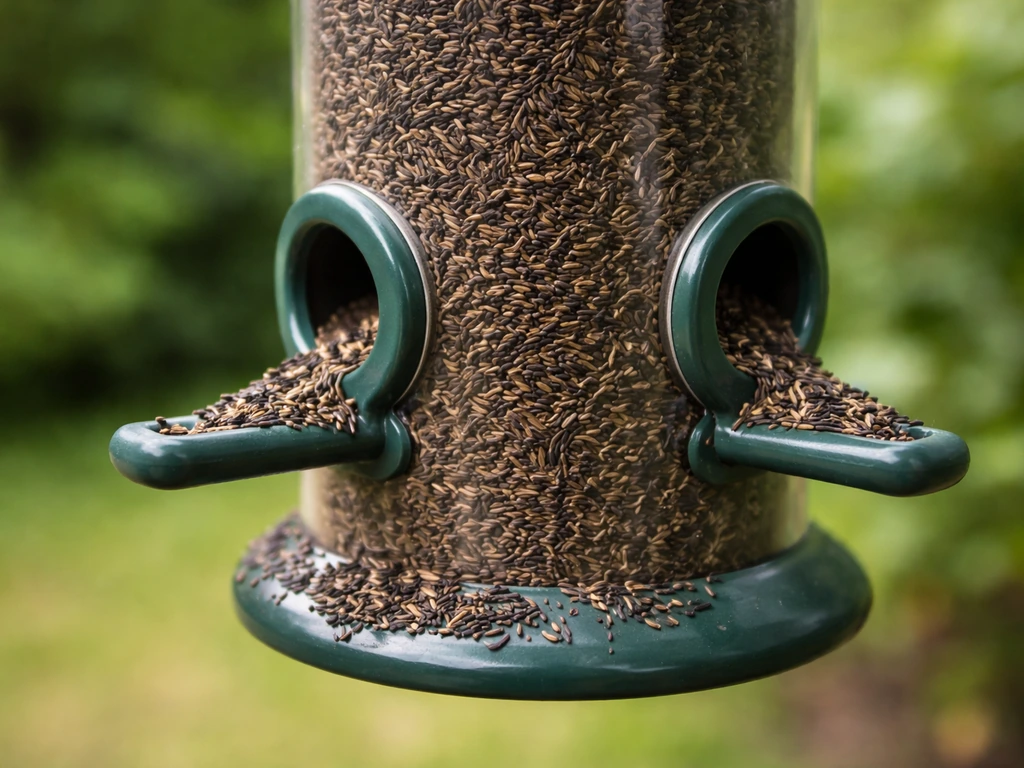
One related area worth being aware of: if you're using a standard tube or hopper feeder with Trill seed, check whether the port size is right for the mix. Thistle, also called nyjer, is often best offered in a feeder designed for small seeds rather than a standard tube or hopper standard tube or hopper feeder. Some reformulated mixes use different seed sizes that can jam smaller ports or fall through oversized ones. A simple tray or platform feeder avoids this problem entirely and gives birds the best access to whatever mix you're offering.
FAQ
What if the bag looks fine, but the seed is clumping or feels oily, is that always spoilage?
Not always. Clumping can happen if humidity got into the bag, even if you do not see mold. Oiliness or a greasy sheen usually points to faster-rancid fats in oil-based components, especially sunflower or similar blends. If the smell is off (musty, sour, or strongly rancid) or clumps feel damp, treat it as compromised and discard rather than “drying it out” and hoping it is safe.
Can I salvage only part of the batch if most of it passes the checks?
Yes, but only under strict conditions. If the problem area is limited and the rest of the seed passes smell, moisture, and insect checks, you can air-dry the affected portion on a tray in a dry, well-ventilated space for several hours, then re-inspect and discard any seed that still shows dampness, discoloration, or odor. Mix the salvaged seed only after you confirm it is visually and olfactorily normal, and store it in an airtight container immediately.
How do I tell storage damage from a true reformulation if I do not have the old bag?
Take a “forensic snapshot” now. Photograph the ingredient list, feeding guidance, and any lot or batch code, then compare it to prior packaging you might have saved, or to the ingredient list shown on a product you previously bought from the same retailer. If you cannot compare to an older reference, use the ingredient list and dates on the current bag as your baseline, then judge spoilage by the five sensory checks (look, smell, moisture, insects, and any visible activity). Reformulation is most likely when the ingredient list word-for-word changes while the seed is still fresh and uncontaminated.
Does freezing the bag guarantee there are no insect eggs left?
Freezing for at least six days at household freezer temperature is effective for killing most stored-product insects and eggs, but it is not a substitute for inspection. After freezing, always let the bag return to room temperature before opening to prevent condensation, then re-check for any webbing, live insects, or remaining dust that looks like frass. If you still see active signs, discard the seed.
What is the safest way to clean my feeder after a mold or pest issue?
Do a full clean, then avoid topping off. After cleaning, add only enough fresh seed for about two days of normal eating, and dispose of leftovers at the next refill instead of adding new seed over old. This prevents leftover contamination from spreading back into the feeder crevices between cleanings.
My birds stopped visiting right after switching seed, could it be the feeder rather than the seed?
Yes. Birds often reject a bad batch, but you should also check the feeder function. If you use a tube or hopper feeder, confirm the port size matches the current seed mix, since smaller seeds like nyjer can require dedicated designs. Also clean the feeder and offer the new seed in a flat tray or platform for easier access while birds adjust.
Is it okay to mix the “new” Trill seed with the “old” seed to help birds transition?
Usually, yes, but only if both portions pass the quality checks. For transitions, start with a small amount of new seed alongside a small amount of familiar seed so birds can pick through naturally. Avoid mixing if either bag smells musty or rancid, shows clumping from moisture, or has any mold or insect activity.
How can I tell if the change is due to rancidity rather than mold?
Rancidity typically presents as a strong, unpleasant oil smell that can feel noticeably greasy or stale, without the visible fuzzy growth or damp, patchy discoloration associated with mold. Mold issues often smell musty and may show spots or growth. If you are unsure, do not “test by feeding,” since bird seed can still be unsafe even when only part of the bag seems affected.
What storage setup reduces the chance of the “trill bird seed has changed” problem coming back?
Move the seed out of the original bag into an airtight container as soon as you open it, and keep it dry. If you have a history of stored-product pests, freeze a new bag for about six days before transferring it to long-term storage, then let it warm up before opening to avoid condensation. Label the container with the purchase date so you can rotate stock before fats turn rancid.
Next Article
Will Thistle Bird Seed Grow? Germination Guide and Fixes
Learn will thistle bird seed grow: germination conditions, wet-seed outcomes, mold checks, and fixes to prevent sproutin