Most thistle bird seed sold in North America is Guizotia abyssinica, a small black oilseed grown primarily in Ethiopia and India, then imported, heat-treated, cleaned, and bagged before it ever reaches your feeder. It has nothing to do with the weedy thistle plant in your garden. Understanding where it comes from and what happens to it before you buy it helps you pick a fresh bag, store it correctly, and catch problems before they harm your birds.
Where Does Thistle Bird Seed Come From and Is It Safe?
Maya Collins
4 Jun 2026
What "thistle bird seed" actually is
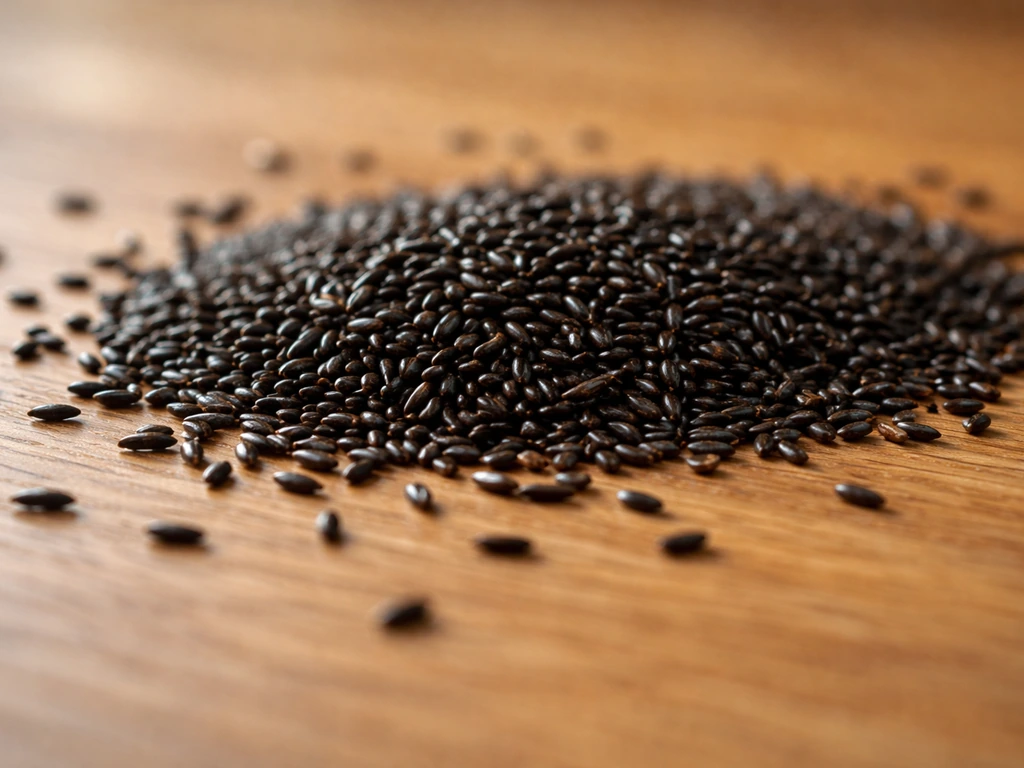
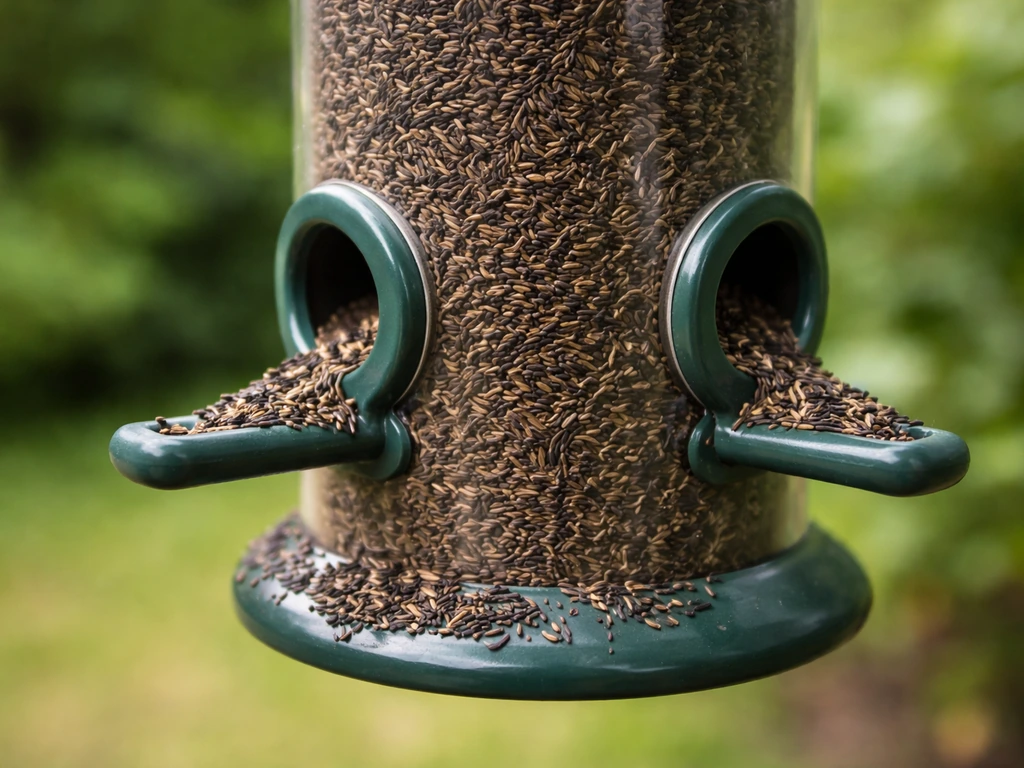
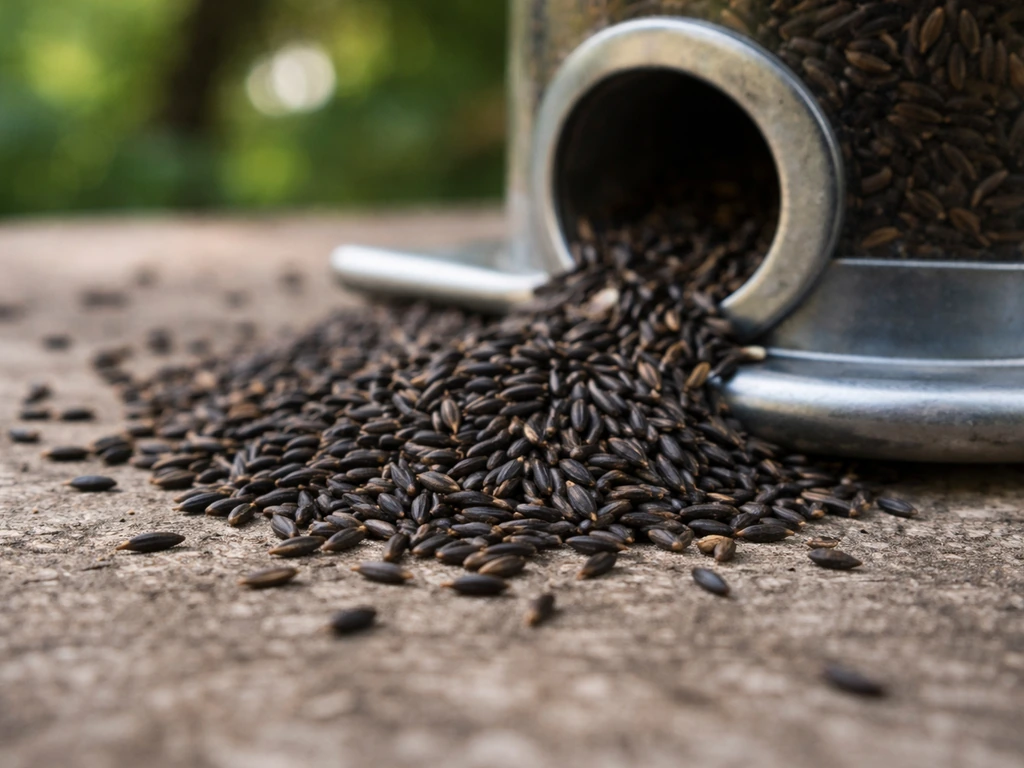
The seed sold under the name "thistle" at most wild bird stores is almost always Nyjer, a registered trademark of the Wild Bird Feeding Institute (WBFI) for Guizotia abyssinica seed. The trademarked name was created specifically to prevent confusion, because the seed looks nothing like common garden thistle and comes from an entirely different plant family. When you see "thistle," "Nyjer," or "niger seed" on a bag marketed for finches, you're looking at the same thing: tiny, slender, black seeds with very high oil content, ideal for goldfinches, pine siskins, redpolls, and similar small birds.
Some mixes labeled "thistle blend" or "finch mix" do include Nyjer alongside millet, canary seed, or fine sunflower chips. If you're buying a blend rather than straight Nyjer, the sourcing and freshness calculus gets more complicated. For this article, the focus is on straight Nyjer/Guizotia abyssinica seed, which is the seed people almost always mean when they ask where thistle bird seed comes from.
Where the seed is grown and harvested
Guizotia abyssinica is grown as an oil crop, not primarily as a birdseed crop. The plant originated in the Ethiopian highlands and has been cultivated there for centuries, pressed for cooking oil and used as a protein-rich food source. India became a major commercial producer over time, and smaller volumes are also grown in Myanmar (Burma) and Nepal. Those four countries, Ethiopia, India, Myanmar, and Nepal, account for essentially all of the Nyjer imported into North America.
The plant takes about 110 to 120 days to mature from planting. It's a seasonal crop, which means supply arrives in batches rather than continuously throughout the year. Harvest timing and local weather conditions in those countries directly affect what ends up in your bag. A season with heavy rains or a delayed harvest can mean seed with higher moisture content or elevated risk of mold spores, and that risk travels all the way through the supply chain to your feeder if processors and distributors don't manage it properly.
How it's processed before it ships
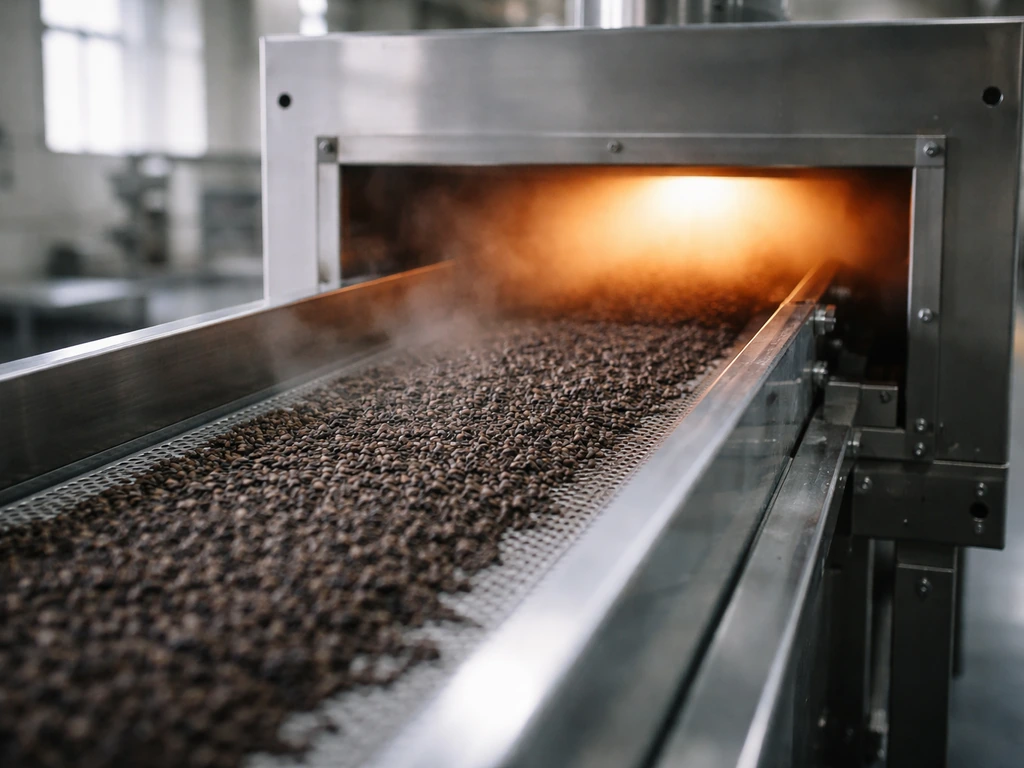
Because Nyjer is imported into the United States, it must meet USDA phytosanitary requirements before it clears customs. The main concern is a parasitic weed called Cuscuta (dodder), which can hitchhike in shipments of small seeds and become a serious agricultural problem if it germinates in American soil. To prevent this, imported Nyjer undergoes mandatory heat treatment. The WBFI cites USDA treatment schedule T412-a: 248°F (120°C) for 15 minutes. That level of heat kills any Cuscuta seeds, pathogens, and insect eggs present in the shipment.
A useful side effect of that heat treatment is that it also renders the Nyjer seed itself unable to germinate. So if you've ever wondered why thistle bird seed doesn't sprout under your feeder the way sunflower or millet does, that's why: the treatment takes care of it before the seed ever leaves the port. After heat treatment, the seed is cleaned and sorted to remove debris, broken seeds, and dust. It's then bagged, usually in mesh or solid bags ranging from 3 to 50 pounds, and sent to distributors.
Why bags from different brands or retailers can look different
Not all Nyjer on store shelves is the same quality, even though it went through the same mandatory treatment process. Here's why that happens:
- Country of origin: Seed from Ethiopia and seed from India can differ slightly in oil content, moisture level at harvest, and overall density. Neither is inherently better, but consistency varies by crop year.
- Age in the supply chain: Nyjer has a relatively short shelf life because of its high oil content. Seed that sat in a warehouse for six months before bagging is noticeably less fresh than seed bagged quickly after processing.
- Storage conditions during transit: Long shipping routes from Ethiopia or India, combined with temperature and humidity swings during ocean freight, can degrade seed quality before it even reaches a US distributor.
- Retailer turnover: A specialty wild bird store with fast inventory turnover will often have fresher seed than a big-box retailer that stores large pallets for months.
- Domestic blending: Some US companies buy processed Nyjer in bulk and repackage it under their own brand. The quality of that seed depends entirely on how fresh the bulk stock was when they received it.
There is no meaningful domestic production of Nyjer in North America. The crop simply doesn't fit economically or climatically into large-scale US or Canadian agriculture, so essentially every bag you buy is imported. That's not a red flag, it just means freshness at the retail level matters more than it might for a locally grown seed.
How to check quality before you buy
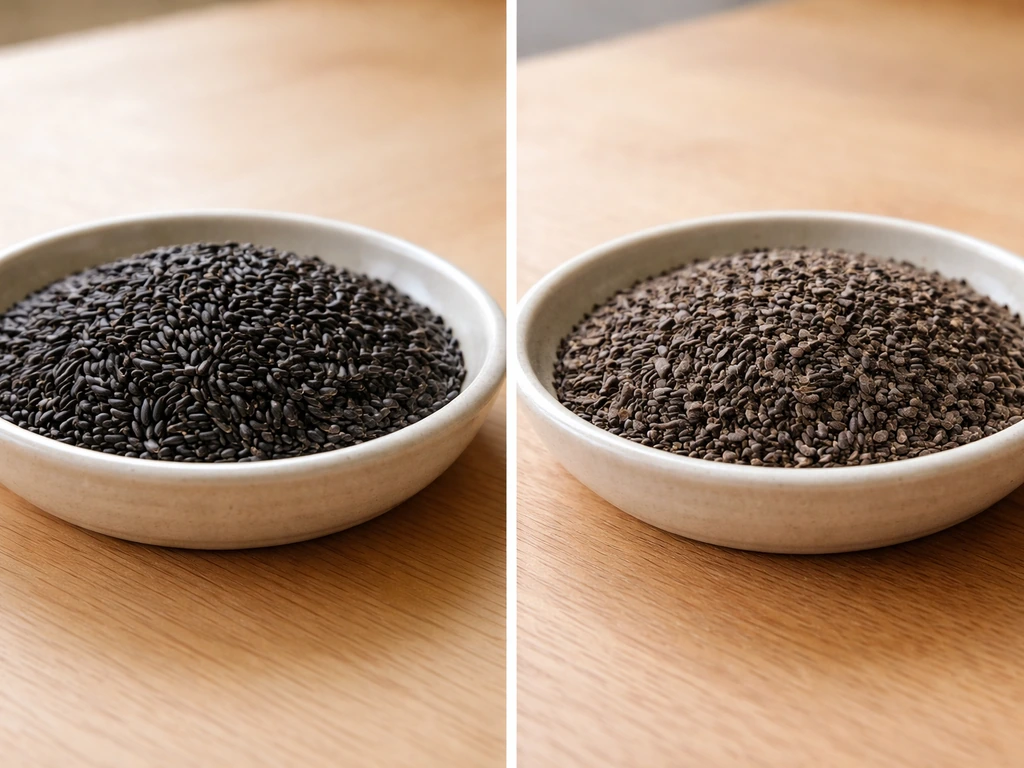
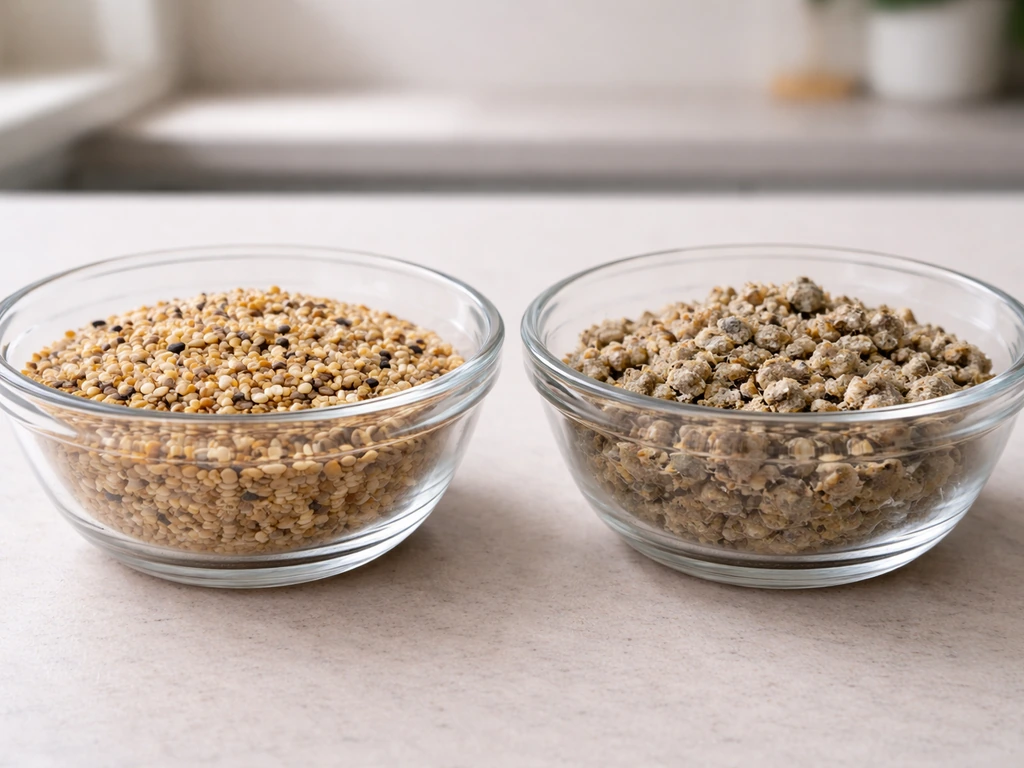
Fresh Nyjer has a faint, pleasant oily smell, almost like a mild vegetable oil. The seeds should be uniformly black and slightly glossy, free of dust clumps, and not sticking together. Here's what to look for and avoid at the store:
| What to check | Good sign | Bad sign |
|---|---|---|
| Smell | Mild, faintly oily or neutral | Sour, musty, or rancid odor |
| Color | Consistent black, slight sheen | Grayish, dusty, or faded |
| Texture/clumping | Seeds move freely | Clumped, sticky, or matted together |
| Dust level | Minimal fine powder in bag | Excessive dust at bag bottom |
| Visible insects or webbing | None | Any webbing, larvae, or live insects |
| Moisture | Dry to the touch | Any damp feel or condensation inside bag |
| Bag condition | Sealed, no tears or punctures | Open seams, water stains, or holes |
If a bag feels heavy for its size but looks damp inside, walk away. Moisture in a sealed Nyjer bag is a mold setup waiting to happen. Also check the packaging date or "best by" date if it's printed. Nyjer older than 12 months from processing is likely past its best oil content, meaning birds will reject it even if it hasn't visibly spoiled.
Storage right after you bring it home
Nyjer is more moisture-sensitive than almost any other common birdseed, and managing that starts the moment you get it home. The high oil content that makes it so attractive to finches also makes it go rancid fast when exposed to heat and oxygen, and grow mold quickly if it gets even slightly damp. Bird Seed Guide notes that Nyjer's high oil content can turn rancid when exposed to heat and oxygen, and it can grow mold quickly if it gets damp Nyjer's high oil content can turn rancid when exposed to heat and oxygen and grow mold quickly if it gets damp.
- Transfer the seed to an airtight container: Metal cans with tight-fitting lids or thick-walled plastic containers with gasket seals work best. Avoid thin plastic bags or loosely sealed buckets.
- Store in a cool, dry location: Ideal storage temperature is below 70°F. A garage, basement, or pantry works well. Avoid storing seed outdoors in summer or anywhere with temperature swings that cause condensation.
- Keep it off the floor: Concrete floors can transmit moisture. Set the container on a shelf or wooden pallet.
- Use it within 4 to 6 weeks of opening: Once a bag is open and exposed to air, the oil in Nyjer degrades relatively quickly. Buy in quantities you can realistically use within that window.
- Never mix old and new seed: Dump, clean, and dry your storage container before adding a new batch. Old seed can introduce mold spores or insects to fresh seed.
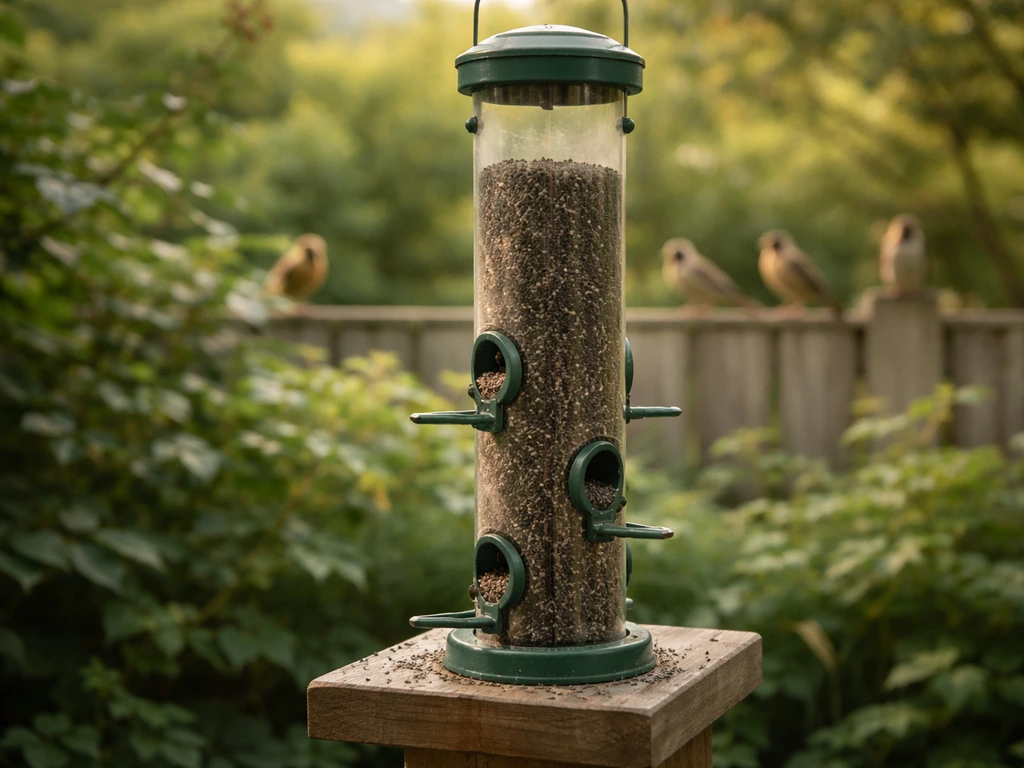
- Fill feeders in small amounts: Put only a few days' worth in the feeder at a time, especially in humid climates or rainy weather. Nyjer sitting in a feeder port can absorb outdoor humidity even without direct rain contact.
In very humid climates like the Gulf Coast, the Pacific Northwest, or anywhere with muggy summers, treat Nyjer almost like a perishable. Small, frequent refills beat loading up a feeder for the week.
Troubleshooting: when the seed looks or smells wrong
Wet or clumped seed
If your seed is clumped or damp, it either got exposed to rain or high humidity in the feeder, or it arrived with excess moisture. Don't try to dry and reuse it. Discard the wet seed, then clean the feeder before refilling. Wet Nyjer can harbor bacteria fast, and birds can get sick from it.
Sprouted seed
Properly heat-treated Nyjer should not sprout. If you see sprouting, it almost certainly means the seed wasn't properly treated, which is uncommon but not unheard of with lower-quality suppliers. Discard sprouted seed from your feeder. If it's happening consistently from one brand, that's worth noting and switching brands. For context on how the heat treatment is supposed to prevent this, the treatment schedule at 248°F for 15 minutes effectively sterilizes the seed.
Mold
Mold on Nyjer appears as grayish-white fuzz, dark discoloration, or a musty smell. Moldy seed can make birds sick and should never be left in a feeder. Remove and discard all affected seed. Then clean the feeder thoroughly: soak it in a solution of 1 part bleach to 9 parts water for at least 10 minutes, scrub all surfaces including ports and perches, rinse thoroughly with clean water, and let it air-dry completely before refilling. Some sources recommend hydrogen peroxide as an alternative if you prefer not to use bleach. The key is that the feeder must be fully dry before new seed goes in, otherwise you're just restarting the mold cycle.
Insects or webbing
Indian meal moths and grain weevils are the most common seed pests. If you see small moths flying near your storage area, sticky webbing in the seed, or tiny larvae, the seed is infested. Seal and discard the affected seed in an outdoor trash bin, not your kitchen bin. Empty and clean your storage container with soapy water, let it dry completely, and inspect for any cracks where larvae could hide. Then clean your feeder using the bleach solution described above. Going forward, storing seed in a metal container with a tight lid makes it much harder for insects to get in.
Rancid or off smell
Rancid Nyjer smells sour or like stale oil, similar to old cooking grease. Birds will often detect this before you do and simply stop visiting the feeder. Don't wait for them to come back. Discard the seed, clean the feeder, and start fresh with a new bag from a different retailer if the current source keeps producing seed that goes off quickly. Rancidity usually means the seed was already old when you bought it, or it was stored improperly somewhere in the supply chain.
The short version: what to remember
Thistle bird seed is Guizotia abyssinica, grown in Ethiopia and India, heat-treated to meet USDA import requirements, and shipped to North American retailers. Its quality when it reaches you depends on how old it was at bagging and how it was stored along the way. Buy from high-turnover retailers, check for freshness by smell and appearance, store it sealed and cool, refill feeders in small amounts, and clean everything immediately if seed goes wet or moldy. If you are wondering whether thistle seed can go in a regular bird feeder, the answer depends on the feeder type and how you prevent moisture and clogging. If you notice that your usual finches are eating less, it may also be because the trill bird seed you bought has changed from one season or brand to the next trill bird seed has changed. That's really the whole playbook.
FAQ
How can I tell for sure if the “thistle” seed in my bag is Nyjer (Guizotia abyssinica)?
Usually it is Guizotia abyssinica (sold as Nyjer or “thistle”), but the only reliable way to confirm is to read the label for “Guizotia abyssinica,” “Nyjer,” or “niger.” “Thistle blend” can also include other ingredients, and those may have different storage and safety behavior than straight Nyjer.
If I drop thistle bird seed on my lawn or in a garden bed, will it grow?
Not in soil. The heat treatment described in the article prevents germination, but the practical risk to your garden is still wet, contaminated seed landing in beds or compost. If you have spill cleanup, sweep up and discard clumps rather than leaving them to sit where moisture can build.
Why does my Nyjer clump even when I store it sealed at home?
Yes, moisture trapped in the feeder is the most common cause of clumping and spoilage. Use a feeder that sheds rain, clean the ports when refilling, and avoid overfilling. If you live in a very humid area, shorter refill cycles help prevent the seed from absorbing ambient moisture.
What should I do if the seed smells off, but my birds are still eating it?
Birds can eat rancid seed, but they usually reduce visits first because the odor changes and the oil degrades. If you notice fewer finches or siskins, don’t “wait it out.” Discard the bag, clean the feeder, and replace with a fresher batch from a higher-turnover retailer.
Can I dry out clumped or moldy Nyjer and keep using it?
No, do not try to salvage moldy or damp Nyjer by drying it. Mold can leave residue, and drying does not remove the biological contamination or off-odors safely. Discard affected seed and fully dry and sanitize the feeder before refilling.
How should I store Nyjer to prevent seed pests like weevils or meal moths from spreading?
The article covers bleach cleaning for the feeder, but for storage you should also prevent cross-contamination. Wipe down the container rim and scoop area, keep seed in a tight-lid metal or hard container, and avoid mixing a new bag with older seed in the same bin.
What if my Nyjer bag doesn’t show a “processing” or “best by” date?
If your bag has no date, use the smell and appearance checks as a proxy, but be more conservative in humid climates. Choose only uniform, glossy black seed, with no dust clumps, and start with small refills. For longer-term storage, keep it cool and sealed, and avoid buying in bulk if you cannot use it quickly.
How many sprouting incidents are “normal,” and when should I switch brands?
If sprouting is occasional, it could be a rare handling or quality lapse, but if it keeps happening with the same brand, switch suppliers. Also consider whether the seed got rewetted in the feeder, since wet conditions can encourage breakdown. Remove sprouted seed every time and clean the feeder before adding new seed.
Do the storage and spoilage rules differ for “thistle blend” or “finch mix” compared with straight Nyjer?
For mixed “finch blends,” the presence of other ingredients can change moisture tolerance and spoilage speed. Keep refills small like you would with straight Nyjer, and inspect the whole mix, not just the Nyjer portion, for clumps, insect activity, or off-smell.