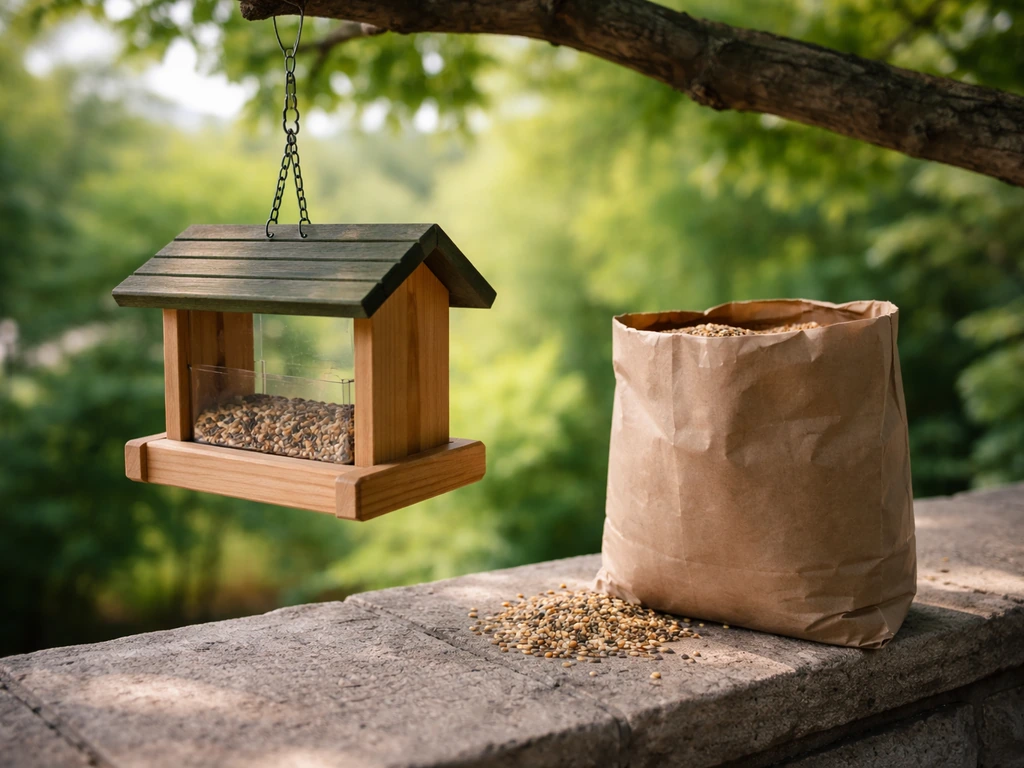
Yes, Food Lion does sell bird seed. If you meant Family Dollar specifically, you can usually find bird seed in the pet supplies section, but availability depends on the store. Their online catalog lists several Companion-brand products including a 5 lb and 10 lb Premium Wild Bird Food mix, a Black Oil Sunflower Seed bag, a Cardinal & Songbird blend, and suet cakes. Whether your specific store has them in stock is a separate question, and the fastest way to check is through the Food Lion app or website before you make a trip.
Does Food Lion Sell Bird Seed? Quick Check and Buy Plan

Maya Collins
3 Jun 2026
Where to check at Food Lion right now

The quickest path is to open the Food Lion app or go to foodlion.com, set your store location by ZIP code, and search for 'bird seed' or navigate to Pets > Bird Care > Bird Food & Seed. The site will show you which items are available for your store specifically, including whether they're available for same-day pickup through Food Lion To-Go. You can also schedule a pickup window up to seven days out if you want to plan ahead.
If you're already in the store, head to the pet care aisle. Bird seed typically sits near other small-animal or wildlife supplies. Aldi often has seasonal pet supplies, so it may be worth checking their in-store or weekly ad listings to confirm Bird seed. If you're having trouble finding it, ask at the customer service desk and reference the Companion brand by name. That brand is what Food Lion stocks under their bird seed category.
Keep in mind that individual store inventory varies. A location in a more suburban or rural area is more likely to have bird seed regularly stocked than a smaller urban store. Calling ahead takes 90 seconds and saves a wasted trip. If you are still comparing stores to find cheaper options, you can also check whether does dollar tree sell bird seed.
What Food Lion's bird seed shelf actually looks like
Food Lion carries a focused selection rather than a wide specialty assortment. Based on their current catalog, here's what you're likely to find:
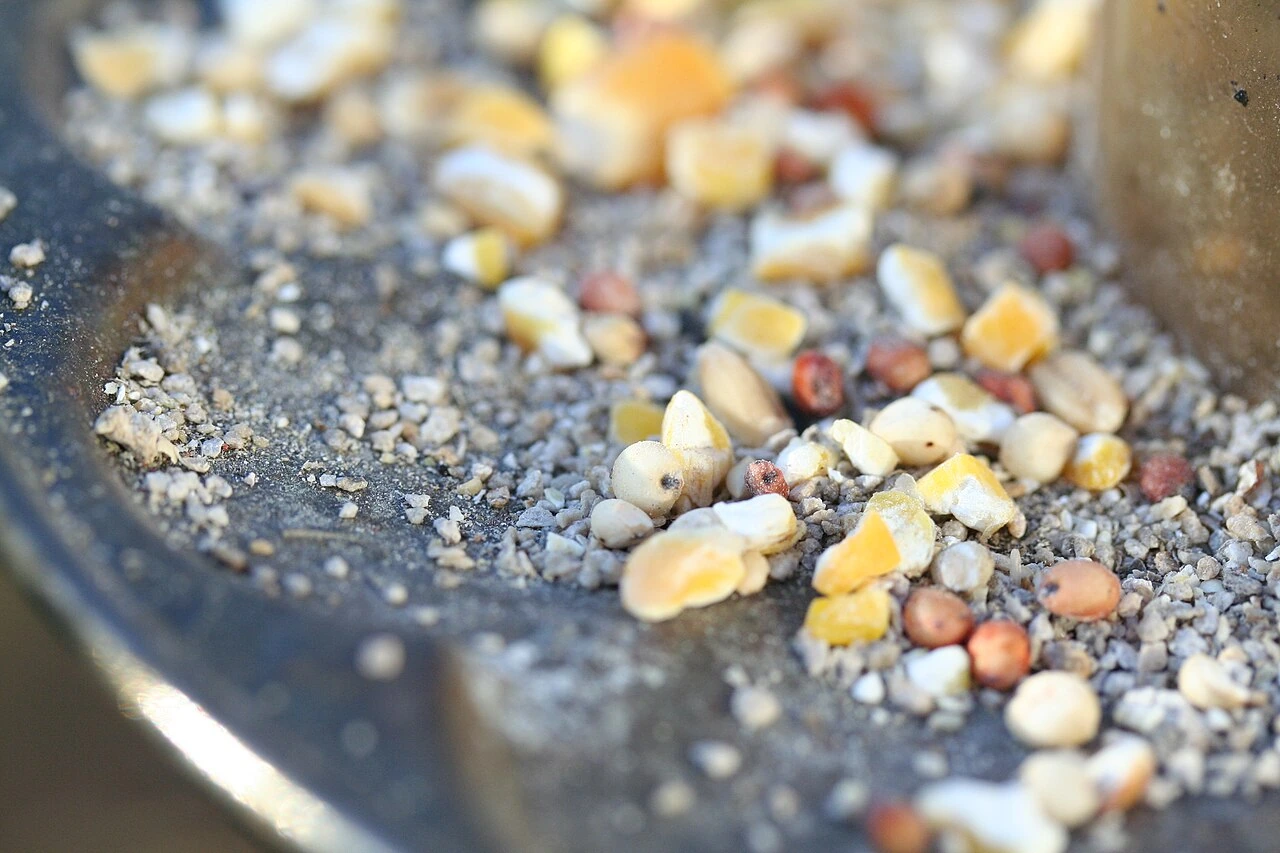
- Companion Premium Wild Bird Food: a mixed seed blend in 5 lb and 10 lb bags containing milo, white proso millet, cracked corn, black oil sunflower seeds, and striped sunflower seeds
- Companion Black Oil Sunflower Seeds: a single-seed 5 lb bag, great if you want to skip the filler and go straight to the most attractive seed for a wide range of species
- Companion Cardinal & Songbird Blend: a 6.5 lb bag aimed at attracting cardinals and similar songbirds
- Suet cakes: Companion Nutty Suet Cake and Companion Sunflower Suet Cake, useful for woodpeckers and winter feeding
This is a practical, get-it-done selection. It won't have nyjer (thistle) seed or highly specialized blends, but it covers the basics well for most backyard feeders.
If your store doesn't have it, here's what to do
If Food Lion is out of stock or your location simply doesn't carry bird seed, you have solid same-trip alternatives. If Food Lion does not have bird seed at your location, Lowe's and most hardware or garden centers are good nearby options to compare. Lowe's typically carries a wider range of wild bird seed including premium blends and nyjer seed.
Some people also ask whether Lowes sells bird seed, and Lowe's often carries a wider wild bird seed selection does Lowes sell bird seed. Dollar General and Family Dollar both carry basic mixed seed bags in most locations, though selection is limited. Dollar Tree may also stock basic bird seed seasonally, but availability can vary by location does dollar tree sell bird seed.
If you are looking for bird seed at a budget store, Dollar General often carries basic mixed seed bags in many locations. Aldi and Lidl sometimes stock bird seed seasonally, so it's hit or miss depending on the time of year. If you need a reliable backup, a hardware store, garden center, or Walmart is almost always a sure thing.
In a pinch, if you genuinely can't find commercial bird seed, plain unsalted, unroasted sunflower seeds from the baking or bulk aisle work well for most backyard songbirds. Plain cracked corn can supplement for ground feeders like doves and blue jays. Avoid anything salted, flavored, roasted, or coated in seasoning. Also skip bread, crackers, and processed foods entirely. They're not substitutes for seed and can actively harm birds.
Picking the right seed for your birds
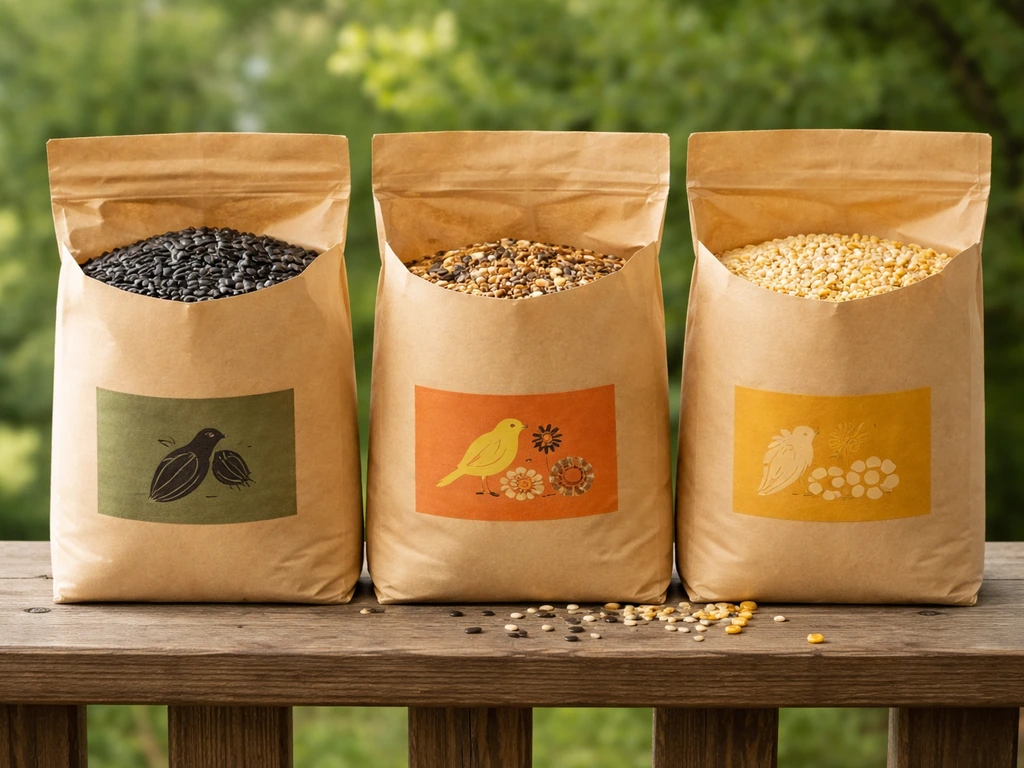
Black oil sunflower seed is the single best starting point if you're not sure what to buy. It attracts the widest variety of birds, including chickadees, finches, nuthatches, and cardinals. The shells are thin enough that even small birds can crack them, and the seed has high fat content that's genuinely useful to birds. If Food Lion has only the mixed bag and you're wondering whether it's worth it, check the label: the Companion Premium mix does contain black oil sunflower seeds, which is a good sign.
The downside of mixed bags is filler. Milo (sorghum) and cracked corn bulk up the weight but many songbirds ignore or toss them out, which means seed piles up under your feeder and creates a mold and pest problem faster. If you're buying a mix, look at the ingredient order on the bag. If milo is listed first or second, the mix is mostly filler. Sunflower seed listed near the top is a better sign.
| Seed Type | Best For | Watch Out For |
|---|---|---|
| Black oil sunflower | Widest variety: finches, chickadees, nuthatches, cardinals | Shells accumulate under feeder; rake regularly |
| White proso millet | Sparrows, juncos, doves (ground feeders) | Can attract rodents if it piles up on the ground |
| Cracked corn | Blue jays, doves, turkeys, squirrels | Molds quickly when wet; use sparingly |
| Milo (sorghum) | Mostly filler; doves and pheasants may eat it | Most songbirds ignore it; avoid bags dominated by milo |
| Nyjer (thistle) | Goldfinches, siskins, redpolls | Needs a specialized feeder with small ports |
| Suet cakes | Woodpeckers, nuthatches, wrens (especially in winter) | Goes rancid fast in heat; switch to no-melt formulas in summer |
For most people starting out or restocking: grab the Companion Black Oil Sunflower bag if it's available, or the Cardinal & Songbird blend as a second choice. Skip the generic mixed bag unless you don't mind more cleanup.
Storing and handling seed at home
How you store seed matters almost as much as what you buy. Seed stored badly goes stale, grows mold, or attracts pests fast, and moldy seed can make birds sick. The bag itself is not sufficient for long-term storage.
- Transfer seed into a hard-sided, airtight container as soon as you get home. A metal garbage can with a tight lid or a heavy-duty plastic bin with a locking lid both work. Metal is better because rodents can chew through plastic.
- Store the container in a cool, dry, dark location. A garage corner, shed, or covered porch works. Avoid anywhere that gets direct sun or moisture.
- Don't mix old seed with new seed in the same container. Use the old seed first, then clean the container before refilling.
- Check the seed every few weeks. If you see clumping, off smell, webbing (pantry moths), or dark spots (mold), discard the affected portion and clean the container before refilling.
- Buy only what you'll use within 4 to 6 weeks during warm months. In cold weather, seed stays fresh longer, but you still want turnover.
Bird seed is a known entry point for pantry pests like grain moths and grain beetles. If you're storing seed in a garage attached to your home, keep it well away from any entry points into the house. An infestation that starts in a seed bin can spread to kitchen dry goods.
Troubleshooting: wet seed, mold, sprouting, pests, and cleanup
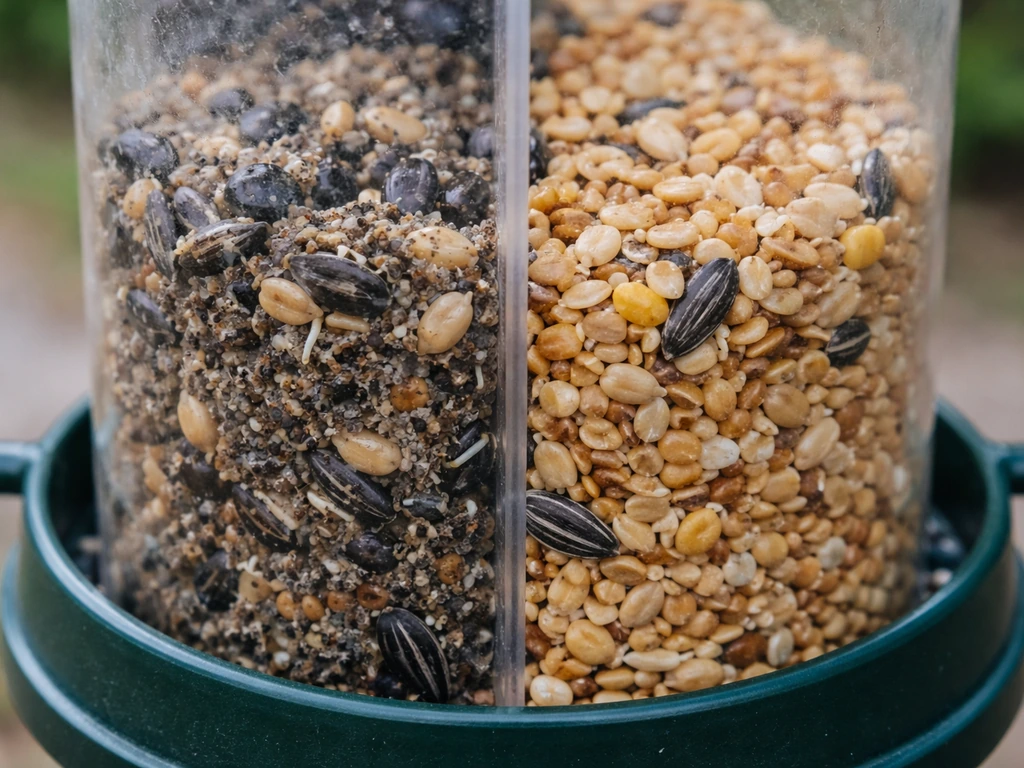
Wet or clumped seed in the feeder
Wet seed is the most common problem. Rain gets into feeders, seed absorbs moisture, and within 24 to 48 hours in warm weather you're looking at a potential mold issue. If seed in your feeder feels damp or clumped, remove it entirely and discard it. Don't dry it and put it back. Once seed has absorbed significant moisture, the mold process has usually started even if you can't see it yet.
To reduce the problem going forward, add a weather baffle or dome above the feeder, use a feeder with drainage holes in the tray, and fill the feeder with only as much seed as birds will eat in 1 to 2 days during rainy or humid weather.
Moldy seed and feeder contamination
If you see dark spots, black fuzz, or a musty smell in your feeder, that's mold. Empty the feeder completely and scrub every surface with a bleach solution: 2 ounces of bleach per 1 gallon of water (roughly 1 part bleach to 9 parts water). Let the solution soak for about 10 minutes, scrub with a bottle brush, rinse thoroughly with clean water, and let the feeder air dry completely before refilling. Putting seed into a damp feeder restarts the mold cycle immediately. Clean feeders at least every two weeks during normal use, and more often during warm or wet conditions.
Sprouting seed under the feeder
Millet and sunflower seeds sprout readily when they hit moist ground. A carpet of seedlings under your feeder looks harmless, but it's a sign that wet, decomposing seed is also accumulating at the base, which attracts rodents and creates a disease reservoir. Rake or sweep the ground under your feeder once a week. If sprouting is persistent, lay a layer of hardware cloth or a catch tray under the feeder to make cleanup easier, or switch to hulled sunflower seeds, which can't sprout.
Pest problems: insects and rodents
Grain moths, grain beetles, and rodents are all attracted to bird seed. If you find webbing or small larvae in your stored seed, that's a pantry pest infestation. Discard the contaminated seed in a sealed bag outside, clean the container with hot soapy water and dry completely, then inspect the surrounding area. For rodents at the feeder itself, switch to a metal pole-mounted feeder with a rodent baffle, stop ground feeding, and reduce the amount of seed you put out at once. Cleaning up spilled seed around the feeder once or twice a week eliminates most of the incentive for rodents to stick around.
General cleanup routine
- Rake or sweep the ground under feeders at least weekly to remove hulls, droppings, and waste seed
- Remove and discard any wet, moldy, or clumped seed from the feeder before refilling
- Deep-clean feeders with diluted bleach solution every two weeks (more often in summer or after disease reports in your area)
- Rinse feeders thoroughly and let them dry completely before adding fresh seed
- Rotate feeding spots on the ground occasionally if you do ground feeding, to prevent buildup of contaminated soil
- Limit how much seed you put out at once during wet or warm periods to reduce spoilage
None of this needs to be complicated. A simple weekly sweep and a biweekly feeder scrub keeps most problems from ever starting. The birds get clean food, you avoid a pest situation, and the whole setup stays low-maintenance.
FAQ
How can I confirm that the bird seed is available at my exact Food Lion store (not just in general)?
Food Lion typically lists bird seed for specific stores through the app or website, so the only reliable way to confirm for your neighborhood is to set your ZIP code and check the store pickup availability for “bird seed.” If you do not see your items there, assume that location is out of stock even if other nearby stores carry it.
Can I order bird seed online from Food Lion for pickup, and is same-day pickup always available?
Yes, you can often buy bird seed online for same-day pickup through Food Lion To-Go when your selected store shows that option for the exact product. If same-day is not offered, switch the search to “pickup window” availability in the app, since some stores only stock certain items on particular days.
If my Food Lion location is out of bird seed, what’s the best alternative to check nearby?
If Food Lion is out of bird seed, your fastest fallback is a nearby garden center or hardware store, since they commonly carry premium wild bird seed and nyjer (thistle). For a very quick stop, Walmart is also a reliable backup because it tends to restock basic seed more consistently than smaller convenience retailers.
Does Food Lion carry specialized seed like nyjer (thistle), or is it mostly basic mixes?
Food Lion’s bird seed selection is usually focused on the basics, so you may not find highly specialized seed types like nyjer (thistle). If your goal is finches and you specifically need nyjer, check the ingredient options on the label at checkout or confirm in the store app before driving over.
When Food Lion is out of bird seed, can I use plain sunflower seeds from the grocery store?
Avoid “bake aisle” sunflower seed if it is salted, roasted, or seasoned, because coatings and added salt can be harmful. Use plain, unsalted, unroasted sunflower seeds as an emergency substitute when you cannot find commercial bird seed.
What should I do if the seed I bought is dusty, clumped, or smells off?
If you find mold or a musty smell, do not try to salvage it by drying. Discard the contaminated seed and clean the feeder thoroughly, then refill only with dry, fresh seed to prevent the mold cycle from restarting.
How do I choose between Food Lion’s mixed seed bag and a sunflower-only option?
If you are buying a mixed bag, check the ingredient order on the label. If milo (sorghum) or cracked corn appears first or near the top, it is likely higher filler, which birds may ignore and which creates more waste under feeders.
Is black oil sunflower seed better than mixed seed for attracting more bird species?
Black oil sunflower seed is the best starter because it attracts a wide range of common backyard birds and is easier for smaller birds to crack. If your store only has mixes, look for black oil sunflower seeds listed near the top of the ingredients to judge quality.
How should I store bird seed bought from Food Lion to prevent pests and spoilage?
The bag is not enough for long storage. For best results, keep seed in a sealed container in a cool, dry place, and avoid storing it near where pests can enter the home, since grain moths and beetles can build up over time.
How do I reduce rodents and mold if I’m feeding in a rainy or humid area?
Clean-up matters, because spilled and wet seed attracts rodents and increases pest pressure. Sweep or rake under the feeder at least weekly, and during rainy or humid weather use less seed so you are not leaving damp seed to sit for days.
If my feeder gets wet, how do I know when to clean it versus just refill?
A damp feeder is often the real trigger, not just the seed. If seed feels damp, clumps, or you see fuzz, empty the feeder, scrub with a bleach solution, rinse well, and fully air dry before refilling.
Next Article
Does Family Dollar Sell Bird Seed? How to Check and Alternatives
Does Family Dollar sell bird seed? Check inventory, call stores, and find substitutes plus seed choice and safe storage