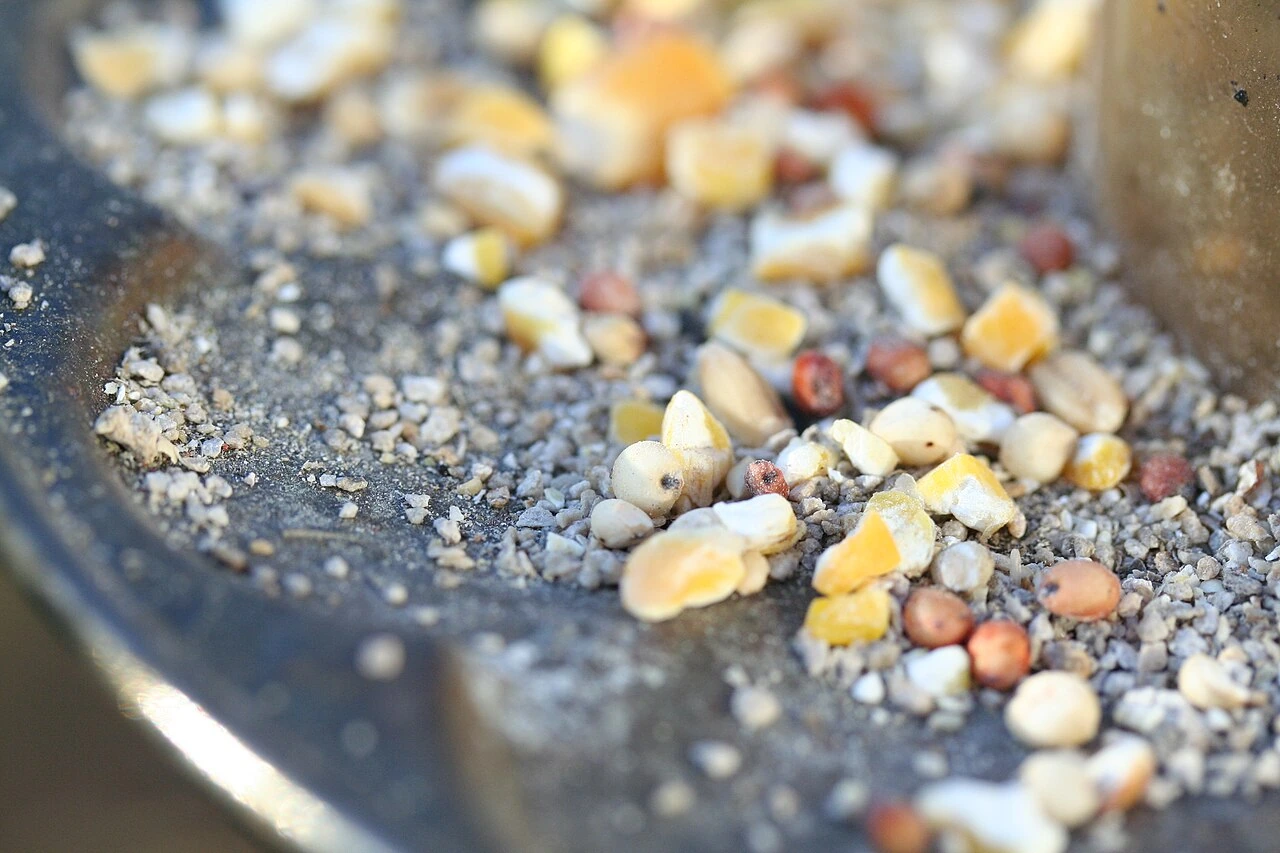
Yes, Lidl does sell bird seed, but availability varies by store, country, and season. If you are wondering about Dollar General, it is worth checking your local store or its online inventory to see whether they stock bird seed at your location does Dollar General sell bird seed. In Ireland and Northern Ireland, Lidl has stocked Erdtmann-branded wild bird seed (including a Summer Wild Bird Seed in roughly 1kg bags and a Classic Wild Bird Food range) as well as pre-made Wild Bird Feed Chains. Lidl GB also carries seed mixes periodically. Because these are often seasonal or promotional items rather than permanent shelf fixtures, the fastest move is to check your specific store before making a trip.
Does Lidl Sell Bird Seed? How to Check Today + Options
Maya Collins
14 Jun 2026
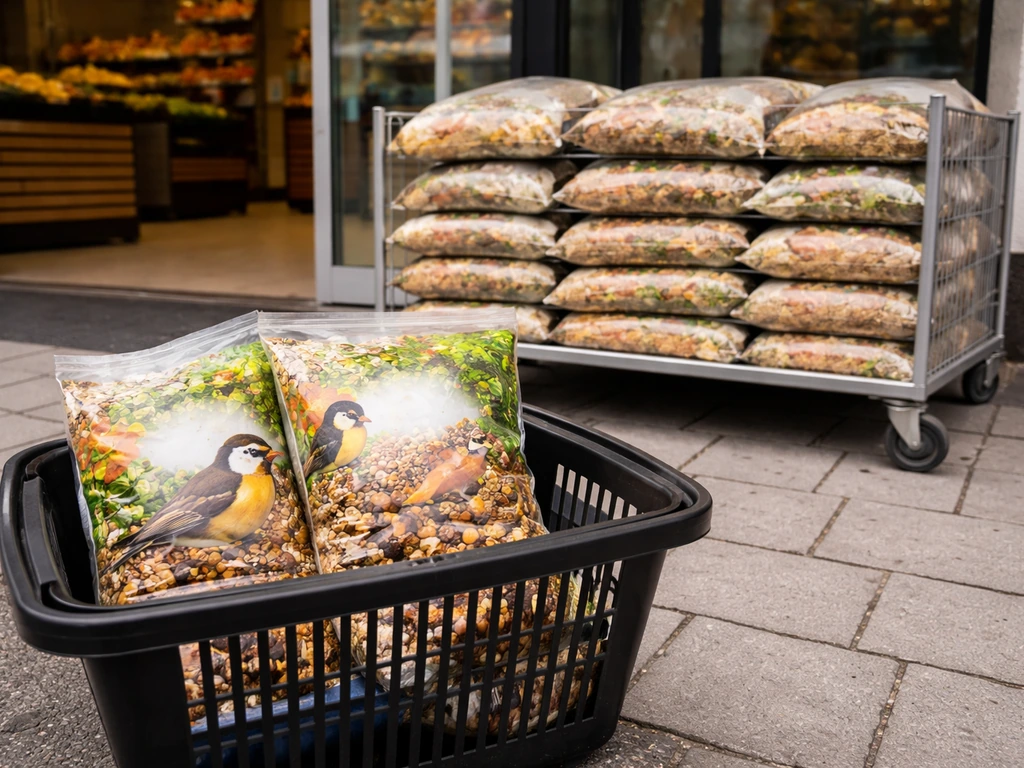
How to check your nearest Lidl for bird seed today
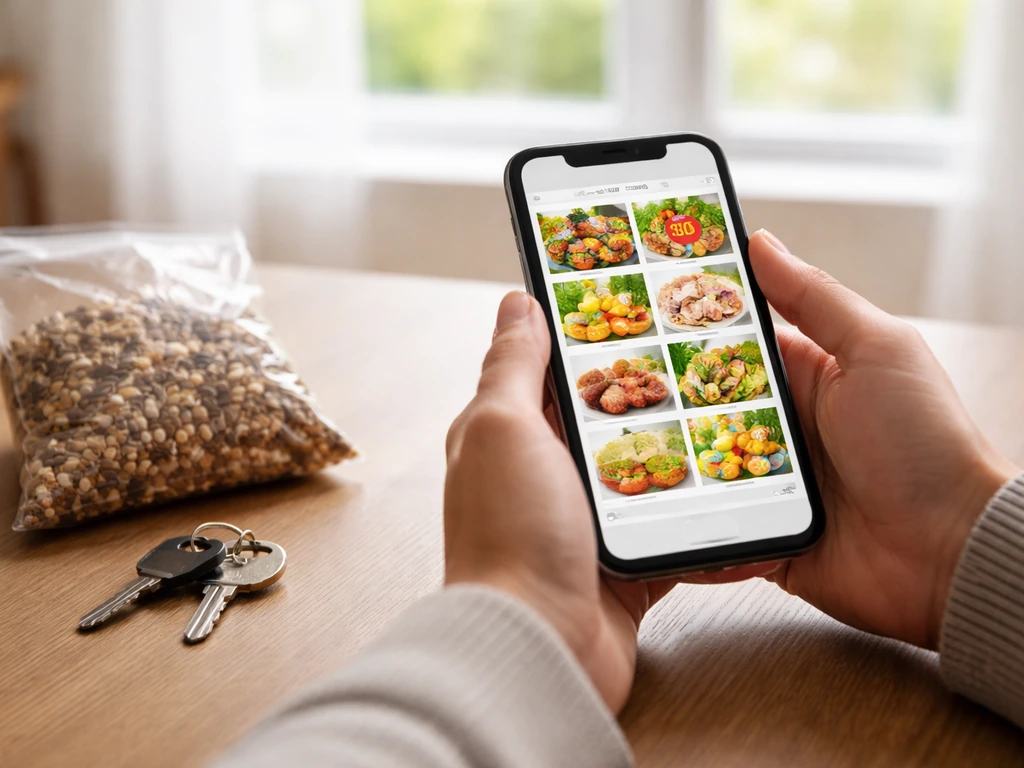
Lidl operates on a rotating promotions model, which means bird seed can appear and disappear from shelves within a week. Here is the quickest way to confirm stock before you leave the house. Lidl Ireland’s store finder advises shoppers to check their nearest store for availability, which is why doing a per-store availability check before you go matters Please check your nearest store for availability.
- Open the Lidl app or go to the Lidl website for your country (Lidl GB, Lidl Ireland, or Lidl Northern Ireland depending on where you are).
- Use the store locator or 'Set my store' feature to select your nearest branch. This is important because promotions and stock are store-specific.
- Check the current weekly leaflet or digital magazine for your store. Seasonal garden and wildlife products, including bird seed, appear here when they are in stock.
- If you are in Ireland, you can also use the Click and Collect flow: selecting your store and browsing available products shows you what is actually on offer that week at that location.
- If bird seed does not appear in the leaflet or online product listings for your store, call the branch directly and ask whether they currently carry wild bird seed or Erdtmann products. Staff can check a live inventory faster than any app.
What to look for on the shelf
Lidl's bird seed products tend to sit in the garden centre or seasonal aisle rather than with pet food. When you are in-store, scan for the Erdtmann brand name, which is the most commonly stocked wild bird seed label at Lidl in Ireland and Northern Ireland. Bags are typically labelled 'Wild Bird Seed,' 'Summer Wild Bird Seed,' or 'Classic Wild Bird Food.' You may also find pre-assembled Wild Bird Feed Chains (seed-encrusted hanging rings or bars) displayed nearby.
If the dedicated bird section is thin, check the seed mix shelf too. Lidl GB has listed an Alesto Seed Mix product, and while that is primarily a snacking or cooking mix, it signals that seed products circulate through the store. If you are wondering whether Aldi sells bird seed, it is best to check Aldi's rotating offers the same way you would for Lidl stock. Occasionally garden bird seed gets grouped with general pet or outdoor living products rather than having its own section, so cast a wide eye across the seasonal aisle.
Where to go if Lidl doesn't have it
Lidl's rotating stock means you will sometimes walk in and find nothing. Do not waste the trip home empty-handed. Dollar Tree is also worth checking in case they carry bird seed at your local store, but stock can vary. Several reliable alternatives carry bird seed consistently, and a few might already be on your route. Several reliable alternatives carry bird seed consistently, and family dollar is one place you can also check if Lidl does not have it. Several reliable alternatives carry bird seed consistently, and a few might already be on your route, like stores such as Dollar General (does Dollar General sell bird seed?).
- Garden centres and farm stores: these carry the widest range of seed types, including straight seeds (sunflower hearts, nyjer, millet) and branded wild bird mixes in bags from 1kg up to 20kg.
- Supermarkets with stable pet/garden aisles: stores like Aldi (a close Lidl sibling in format) often carry wild bird seed in similar seasonal batches, so it is worth checking.
- Hardware and home improvement retailers: these frequently stock bagged wild bird mixes year-round in the garden section.
- Discount variety stores: dollar-format and general merchandise stores sometimes carry smaller bags of seed as filler stock, though selection is limited.
- Online retailers: if you need a specific seed type (nyjer, sunflower hearts) or a large bag, ordering online removes the guesswork entirely and often works out cheaper per kilogram.
How to pick good-quality seed wherever you buy it
Cheap seed is not always bad, but poor-quality seed wastes money and can harm birds. Whether you are buying at Lidl or anywhere else, run through these checks before you commit.
Check the packaging
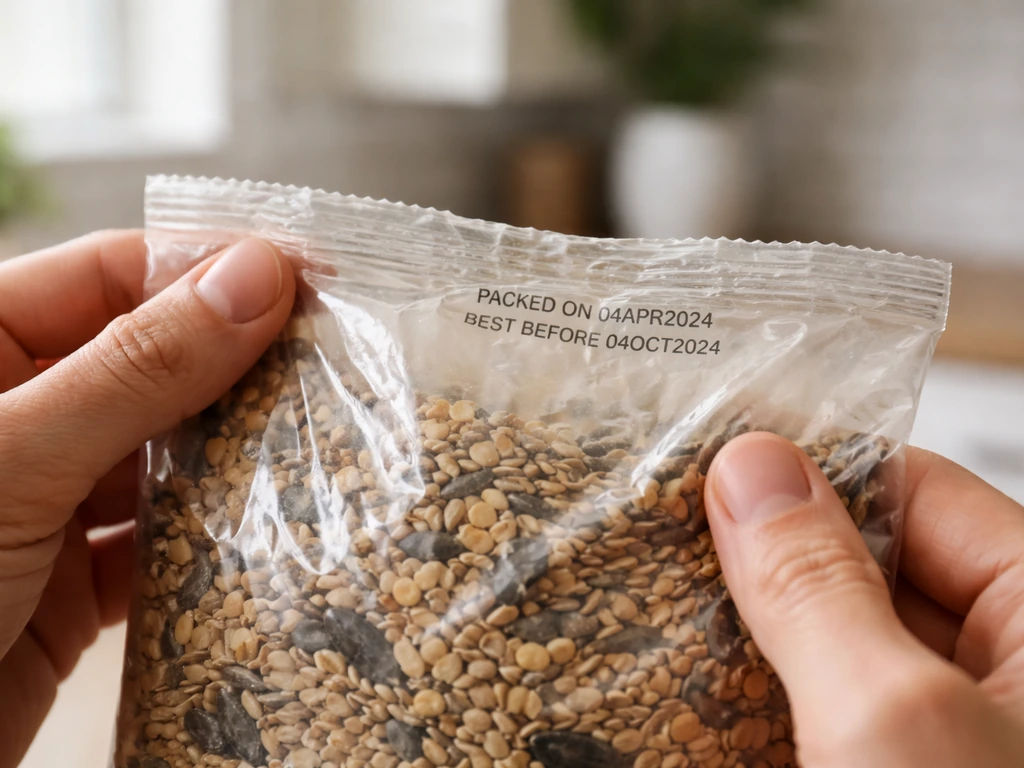
- Look for a clear best-before or packed-on date. Seed older than 12 months is more likely to have gone stale or developed mold internally.
- The bag should feel dry and move freely when you shake it. A clumped, heavy, or unusually light bag can signal moisture damage or poor filling.
- Avoid bags with visible tears, damp spots, or any white or grey powder on the outside, which can indicate mold or grain dust from decomposition.
- A good wild bird mix lists actual seed types on the label (sunflower seeds, millet, nyjer, safflower, hemp) rather than vague 'grain mix' descriptions padded with wheat or rice that most garden birds will ignore.
Check the seed itself if you can
If the bag has a mesh window or you are buying from a bulk bin, smell the seed. Fresh seed has a mild, nutty, slightly oily smell. A sour, musty, or ammonia-like odour means the oils have gone rancid or mold is present. Do not buy it. Good seed should look plump and consistent in colour, not shrivelled, discoloured, or dusty.
Storing seed safely at home
How you store seed at home matters as much as what you buy. Seed stored badly can develop mold within days in warm or humid weather, and it attracts rodents fast if it is not secured properly.
- Transfer seed into a clean, airtight container (a metal bin with a lid, or a hard plastic tub with a tight seal). Avoid cardboard boxes or loosely closed bags left outside.
- Store the container in a cool, dry, shaded spot: a garage, shed, or utility room is ideal. Avoid direct sunlight and damp corners.
- Keep the container off the floor if possible. Rodents are less likely to access a bin on a shelf than one sitting on the ground.
- Use seed within 4 to 6 weeks of opening for best freshness. Whole sunflower seeds in the shell keep longer than shelled sunflower hearts, which go rancid faster because the protective hull is gone.
- Do not top up a fresh bag into a container that still has old seed at the bottom. Empty and rinse the container, let it dry fully, then refill. Old seed residue can contaminate a new batch.
Preventing pests and mold
Rats and mice are attracted to the smell of seed more than almost anything else. A metal container with a proper lid is your first line of defence because rodents can chew through plastic bags and thin plastic tubs in minutes. If you spot droppings near your storage area, move the container immediately, clean the area with a dilute bleach solution, and check the seal on your bin. For mold prevention, the rule is simple: never let moisture into the container. If you scoop seed with a wet hand or wet scoop, moisture enters and mold can follow within 48 hours in warm weather.
Setting up your feeder and getting birds to use it
The seed you bought is only useful if birds actually eat it. Placement and feeder type make a bigger difference than most people expect.
Feeder placement basics
- Position feeders at least 1 to 2 metres away from dense shrubs or fences where cats can hide and ambush birds, but within 3 metres of some cover (a hedge or tree) so birds have a safe perch to watch from before feeding.
- Hanging tube feeders work well for nyjer and sunflower hearts, attracting finches and tits. Open trays or platform feeders suit ground-feeding birds like dunnocks, sparrows, and blackbirds.
- If you are using the Lidl Erdtmann wild bird mix, a hopper-style or open tray feeder handles mixed seed better than a narrow tube, which can clog with larger seeds.
- Wild Bird Feed Chains (the hanging seed bars) can be suspended from a branch or feeder hook and are good low-effort additions, particularly in winter when birds need extra calories.
Common troubleshooting
| Problem | Likely cause | Fix |
|---|---|---|
| Birds not visiting | Feeder too exposed or too close to disturbance | Move feeder closer to cover; reduce foot traffic nearby for a few days |
| Seed disappearing overnight | Rodents or squirrels feeding after dark | Use a squirrel-proof feeder; remove or cover ground trays at dusk |
| Seed going wet and clumping | Rain entering feeder or open tray | Switch to a covered hopper feeder; avoid overfilling open trays |
| Only one species feeding | Seed type suits only that species | Add a second feeder with a different seed (e.g., nyjer alongside a general mix) |
| Seed untouched for days | Seed is stale or rancid | Discard and replace with fresh seed; clean feeder before refilling |
What to do when seed gets wet, sprouts, or turns moldy
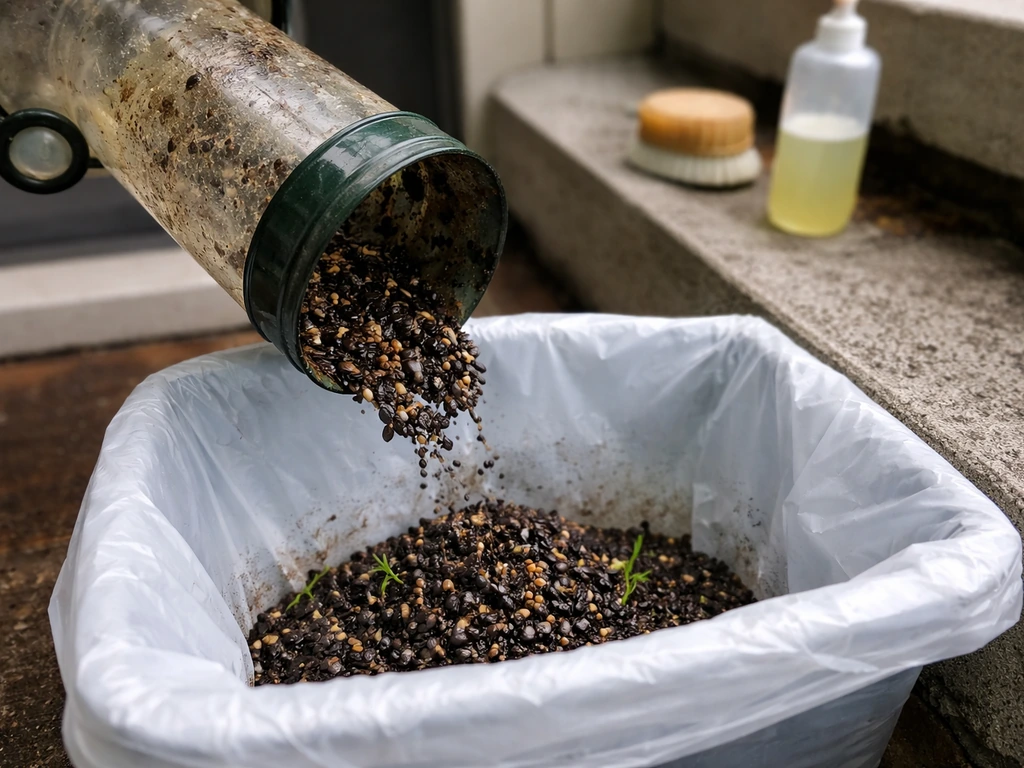
Wet or sprouted seed in a feeder is one of the most common problems backyard birders run into, especially in wet climates or during autumn and winter. The short answer: remove it immediately. Wet seed ferments and moldy seed can cause aspergillosis, a serious fungal respiratory disease in birds. Do not leave damp seed in a feeder hoping birds will eat it before it gets worse.
Step-by-step cleanup after wet, sprouted, or moldy seed
- Empty all remaining seed from the feeder into a bin bag. Do not compost moldy seed.
- Scrape out any caked or clumped seed residue using a stiff brush or old toothbrush.
- Wash the feeder with hot soapy water, scrubbing all surfaces including perches, ports, and the base.
- Disinfect by soaking or wiping down with a solution of 1 part bleach to 9 parts water. Let it sit for 10 minutes.
- Rinse thoroughly with clean water until no bleach smell remains. Any bleach residue can harm birds.
- Allow the feeder to dry completely (air dry, or pat dry then leave in the sun for an hour) before refilling. Refilling a damp feeder restarts the mold cycle immediately.
- If you have a dishwasher-safe feeder, the hot cycle handles disinfection well, but still ensure it is fully dry before use.
The RSPB recommends cleaning feeders at least once a week, and the Cornell Lab and Project FeederWatch align on the 1:9 bleach-to-water ratio with a 10-minute soak as the standard disinfection approach. In warmer months, you may need to clean more frequently because heat accelerates both mold growth and bacterial buildup. Virginia DWR specifically advises stepping up cleaning and water-changing frequency in warm conditions, which is good advice to follow from late spring through early autumn.
Dealing with ground spillage and pest cleanup
Seed husks and dropped seed under a feeder attract rats and mice. Rake or sweep the area under your feeder every few days and bag up the debris. If you are seeing rodent activity, temporarily remove the feeder for a few days, clean the ground thoroughly, and consider switching to a no-mess seed mix (shelled sunflower hearts or nyjer) that leaves very little waste behind. Sprouted seed on the ground is less of a hygiene hazard than moldy seed but can attract unwanted animals and become a slip hazard on hard surfaces, so clear it promptly.
Once you have sorted your storage, feeder setup, and cleaning routine, the bird seed you pick up at Lidl (or wherever you end up buying it) will go a lot further and cause far fewer problems. You might also wonder whether you can find bird seed at Food Lion. If you are wondering about Lowes, the same general idea applies: availability and product selection can vary by store and season, so it is worth checking locally or online before you go. The checking, buying, and maintenance steps above apply regardless of where the bag comes from, so use them as a repeatable system every time you restock.
FAQ
If Lidl sells bird seed, will it be in the pet food aisle year-round?
Usually, yes, but it depends on your local store’s layout and the promotion cycle. Expect it more often in the garden centre, seasonal outdoor aisle, or near items for feeding birds, rather than in the standard pet-food line, so checking those zones saves time.
How can I recognize the exact Lidl bird seed product when the brand or mix changes?
Look for the seed label first (for example, “Wild Bird Seed,” “Summer Wild Bird Seed,” or brand names you see on past bags), and then note the exact product name and weight. If it is a promo item, the next week may have a different mix even if it is still in the same general area.
What’s the best time to check Lidl if bird seed is promotional and runs out quickly?
For best odds, plan around when Lidl restocks seasonal gardening and outdoor displays, typically around new promotion weeks. Even then, stock can sell out fast, so it is smart to call the store and ask whether they have “wild bird seed” in the garden/seasonal aisle today.
What should I do at Lidl if I cannot find bird seed on the shelf?
If you do not see the bird seed, check whether the store has it as a single display pallet or a small endcap rather than a dedicated section, and ask staff if it is in the back. Promotions sometimes run as limited quantities, so a quick staff question can prevent a wasted trip.
Can I buy any seed mix from Lidl as bird food, or are some blends not suitable?
Yes, and the biggest risk is confusion between bird seed and cheaper “mixes” that are not ideal for feeder use. The article guidance focuses on buying quality and avoiding rancid or moldy seed, so at Lidl specifically, also check that the bag is intended for wild birds, not general snacking or cooking.
Is bulk bird seed at Lidl safer to buy than pre-packed bags?
If you find a bulk display, you will often need to judge freshness more carefully than with sealed bags. Smell matters, and you should avoid any seed that looks dusty, discolored, or inconsistent, since bulk bins can be exposed to humidity and take-on moisture quickly.
What if the seed sat in a humid store display, how can I tell once I get home?
If the seed was exposed to moisture before purchase, you might not smell anything strongly, but you can still end up with mold later. Bring it home in a secure container, keep it dry, and if you see clumping, webbing, or an off odour within a day or two, discard it.
Why might birds ignore Lidl seed even when it looks fresh?
Yes. Even if the seed is fresh, feeder placement can cause wetness and fermentation, especially in autumn and winter. If the feeder tray gets damp, switch to a feeder style that sheds rain and remove wet or sprouted seed immediately rather than waiting for birds to clear it.
What is the most common storage mistake people make after buying seed?
A common mistake is storing seed in a way that lets humidity in, such as leaving it in the original bag in a warm cupboard. The article notes rodents can chew through plastic quickly, so using a metal container with a proper lid and keeping moisture out is the key upgrade.
If I notice moldy or wet seed in my feeder, what should I do right away?
Remove it quickly and disinfect or fully clean the feeder, because damp seed can lead to fungal issues in birds. Then dry the feeder components before refilling, and consider adjusting feeding times and location to reduce rain exposure.
What should I do if I see rodents around the feeder after buying seed?
The article mentions rat and mouse attraction, and the decision aid is to reduce waste and improve containment. If you are seeing droppings or chewed packaging, temporarily stop feeding or move to a low-waste option like shelled sunflower hearts or nyjer, and clean the area thoroughly.
Can I mix Lidl bird seed with another brand’s seed, and does hygiene still matter?
If you find seed at Lidl but the mix is not ideal, you can still use it by matching feeder type and bird preferences. However, the hygiene rules still apply, so avoid overfilling and remove any wet or sprouting bits, since those are the main triggers for problems regardless of the brand.
Next Article
Does Food Lion Sell Bird Seed? Quick Check and Buy Plan
Quickly find out if Food Lion sells bird seed, how to locate it, choose the right type, and store it safely.