Yes, corn from bird seed can sprout and grow into real corn plants, but only under the right conditions and only if the kernels in your mix are whole and untreated. Most standard bird seed blends contain whole dried corn kernels that are technically viable seed. The catch is that a lot of variables, including how the seed was processed, how old it is, and how it was stored, can kill that viability before a single root ever forms. If your mix has whole kernels and the bag is reasonably fresh, you have a real shot at growing corn from it. If your goal is how to grow bird seed, the next step is preparing the kernels so they actually germinate growing corn from it.
Can Corn Grow From Bird Seed? How to Test and Plant
Maya Collins
16 May 2026
Will bird seed corn actually sprout?
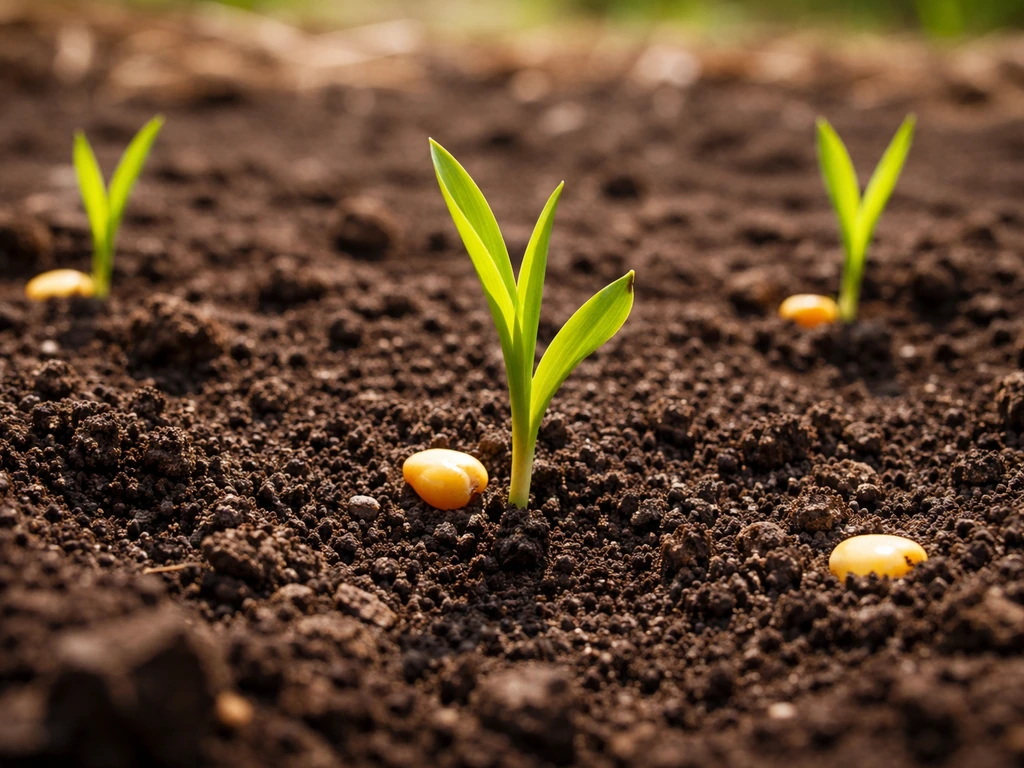
Bird seed mixes routinely include whole dried corn kernels, and those kernels are biologically the same thing as field corn seed. The embryo inside is still alive (assuming proper handling), and given warmth, moisture, and soil, it will germinate. In tests with backyard bird seed, whole corn kernels from fresh, well-stored bags have sprouted reliably. The problem is that germination rate drops fast with age or poor storage. A bag sitting in a hot garage for two summers is unlikely to produce much. A fresh bag stored cool and dry? Those kernels can germinate at rates comparable to inexpensive field corn seed.
One important expectation to set: the corn in bird seed mixes is almost always field corn or dent corn, not sweet corn. Do not expect ears you can eat off the cob at peak summer sweetness. You can grow a corn plant, and it may produce ears, but it will taste starchy and bland like field corn, which is used for grain, silage, and animal feed. If you want sweet corn for eating, you need seed specifically sold as sweet corn varieties.
What in bird seed is actually corn (and what will not grow)
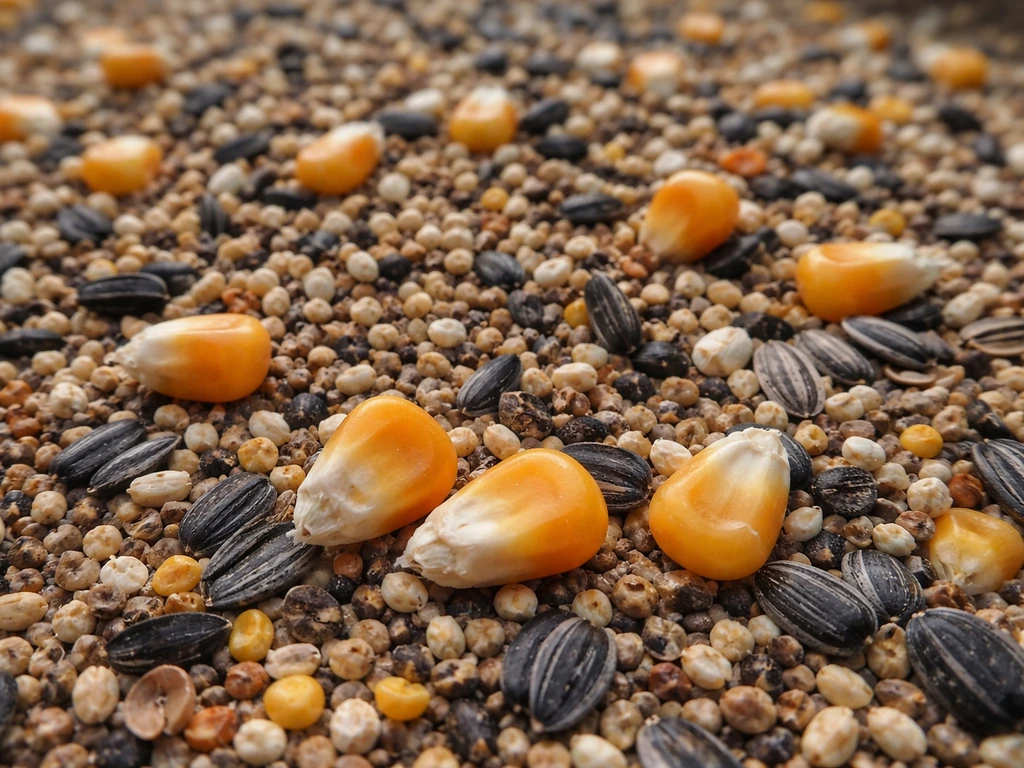
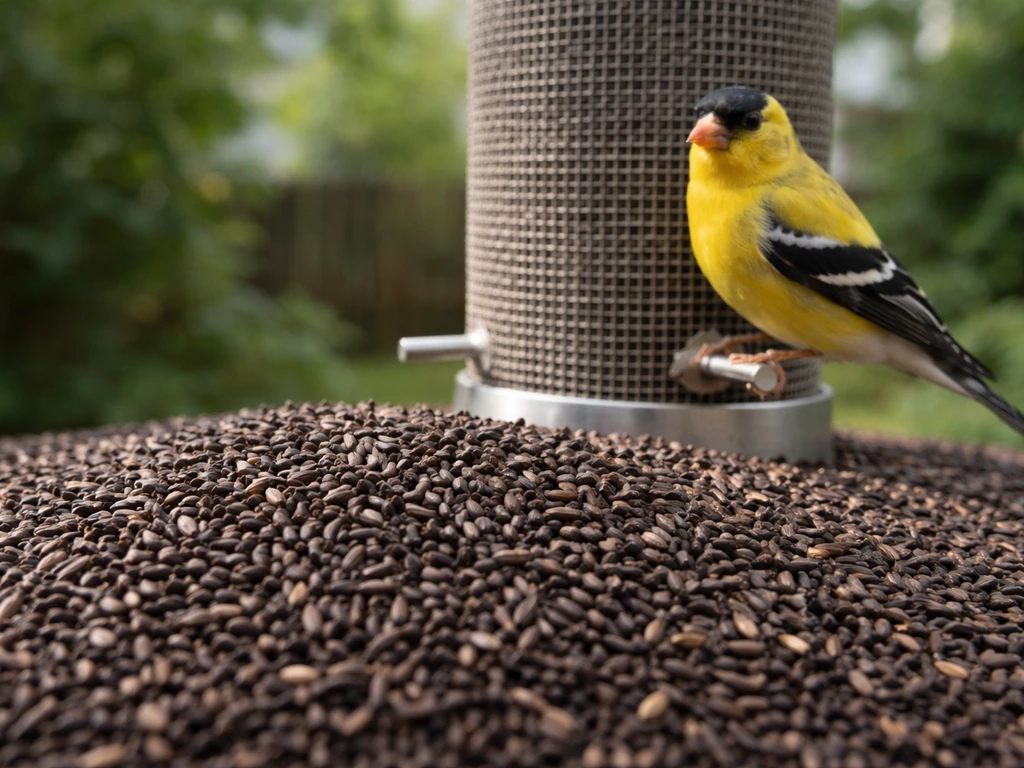
Bird seed bags often use the word 'corn' loosely, so it helps to know what you are actually looking at when you open the bag. For a clear start, you can also review what is Nyjer bird seed and why it is different from corn in most mixes what you are actually looking at.
| What you see in the mix | Will it sprout? | Notes |
|---|---|---|
| Whole corn kernels (yellow or white, intact) | Yes, if viable | Best candidate; look for plump, uncracked kernels |
| Cracked corn | No | The embryo is physically destroyed when the kernel is cracked |
| Milo (grain sorghum, small red-brown round seeds) | Possibly | Not corn, but milo can also sprout if whole and fresh |
| Corn meal or corn flour | No | Fully processed; no intact embryo |
| Dried whole kernel corn (sometimes labeled 'field corn') | Yes, if viable | Same as whole corn kernels above |
| Corn with added oils or preservatives | Unlikely | Chemical treatments often damage viability |
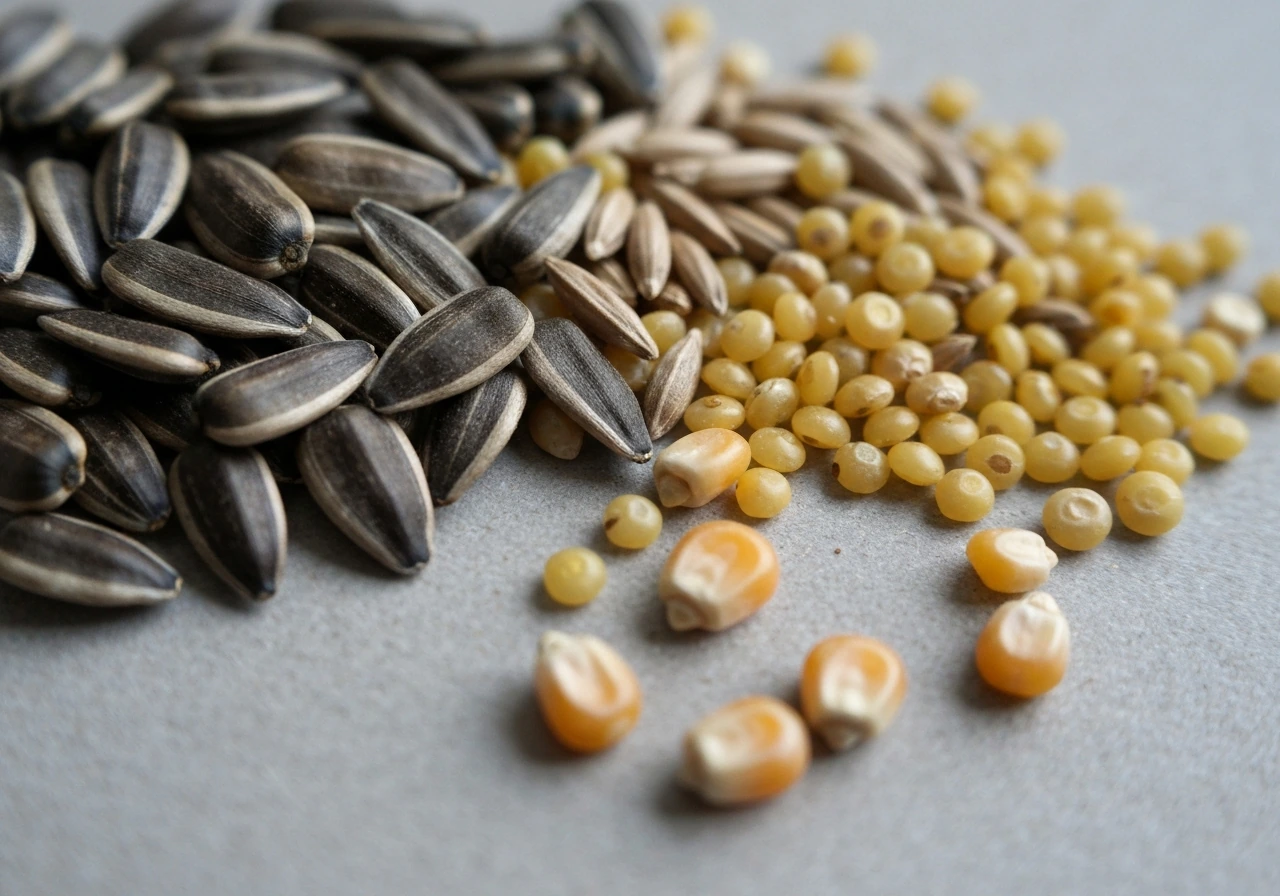
The quick visual test: a whole corn kernel is roughly the size of a large tooth, flat on one side and rounded on the other, with a small white dimple at the base. That dimple is the embryo. If the kernel is split, cracked, shriveled, or coated in visible film or mold, skip it. Only plump, intact kernels with a visible embryo end are worth planting.
Milo is worth mentioning because it is common in cheap bird seed mixes and looks nothing like corn. It is a small, round, reddish-brown seed. It is not corn, but it can sprout if it is whole and fresh. If you are curious about the full range of plants that can emerge from a bird seed mix, that is a broader topic covered elsewhere on this site. If you are wondering what else plants grow from bird seed beyond corn kernels, the same factors like freshness and storage determine what will sprout what plants grow from bird seed.
How to check if your corn kernels are still viable
Start with the bag itself
- Check the 'best by' or manufacture date. Corn kernels stored under ideal conditions can remain viable for 2 to 3 years, but bird seed is often stored in less-than-ideal conditions before it even reaches the store shelf.
- Look for signs of moisture damage: clumping, discoloration, or a sour/musty smell. Any of these suggests the embryos may already be dead or the seed is harboring mold.
- Check for pest damage. Weevils and grain moths leave behind frass (fine powder) and webbing. Heavily infested seed is not worth planting and should be disposed of carefully.
- Avoid any bag that has been sitting open or stored in high heat or humidity. A garage in summer or a shed with temperature swings dramatically shortens viability.
Run a simple germination test before committing to planting
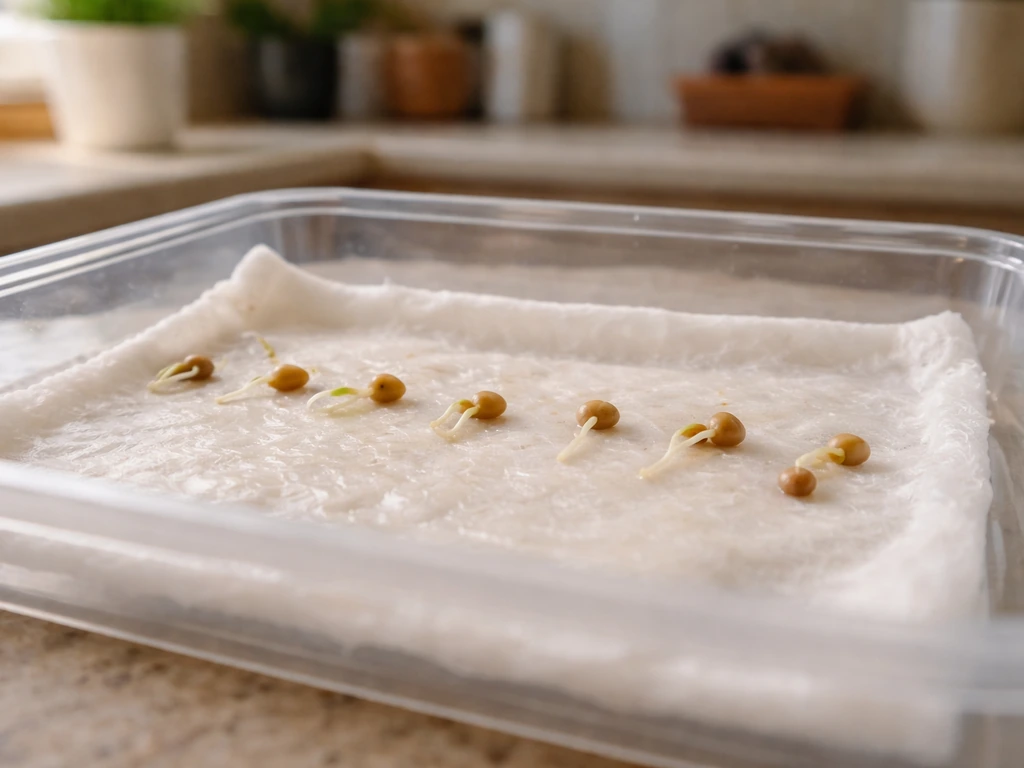
This is the most reliable way to know what you are working with before you plant a whole row. The method recommended by USDA ARS researchers is straightforward and takes about a week. Warm (standard) germination testing for cereals (including corn) is typically done on rolled paper towels for about 7 days, according to Iowa State University Seed Lab blank" rel="noopener noreferrer">warm standard germination testing is typically done on rolled paper towels for about 7 days. Pick 10 kernels at random from the mix, choosing only whole, plump ones. Moisten a paper towel with tap water until it is damp but not dripping (run your fingers across the surface to squeeze out excess water). Place the kernels on one half of the towel, fold the other half over them, and blank" rel="noopener noreferrer">seal the whole thing inside a zip-lock bag or wrap it with plastic wrap to hold moisture. Keep it somewhere warm, around 70 to 75°F.
Check at 7 days and again at 10 to 14 days. Count how many kernels have sprouted a visible root or shoot. If 7 or more out of 10 germinate, you have a good viability rate (70% or better) and the batch is worth planting. If you get 4 to 6, germination will be patchy and you should plant more densely to compensate. Fewer than 4 out of 10 means the seed is mostly dead and planting is unlikely to produce results worth your time.
How to prep and plant corn kernels from bird seed
Sorting and separating kernels
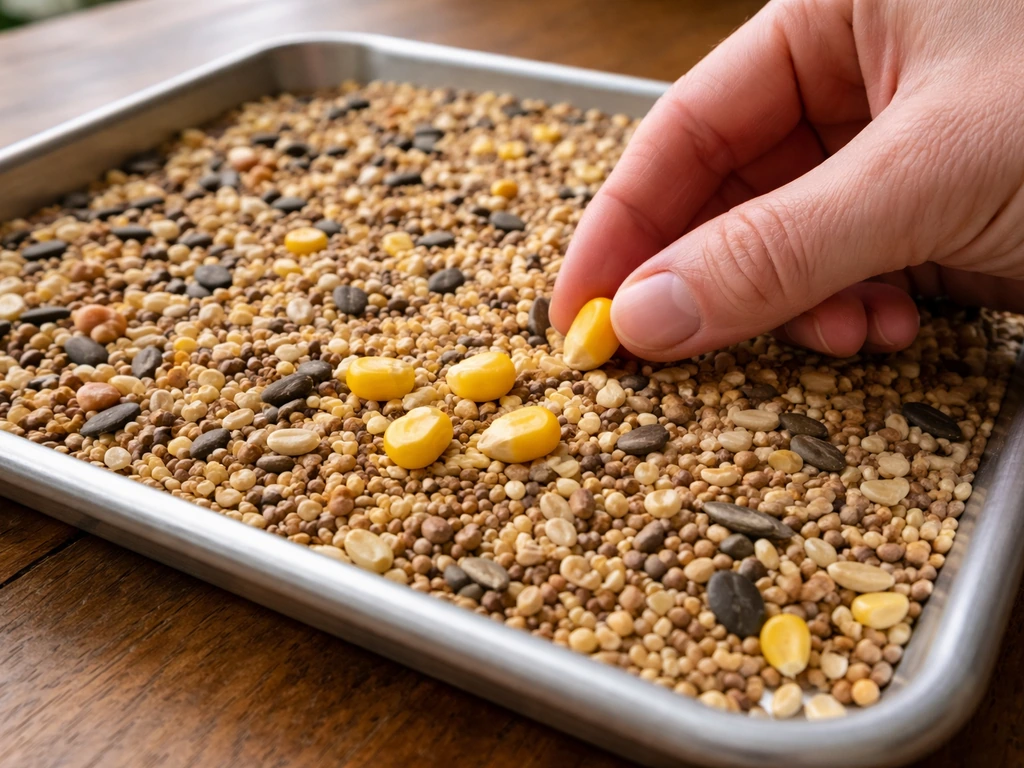
Before planting, separate whole corn kernels from the rest of the mix. Spread the seed on a flat tray or sheet pan and pick out the whole kernels by hand. It is slow but you only need 20 to 30 kernels to plant a meaningful test patch. Discard any that are shriveled, cracked, discolored, or have visible white or green fuzz on them. Only the plump, clean, whole ones go in the ground.
Optional pre-soak
Soaking kernels in plain water for 8 to 12 hours before planting can speed up germination by softening the seed coat and jumpstarting water uptake. Do not soak longer than 24 hours or you risk rotting the embryo before it ever reaches soil. Use room-temperature water with no additives.
Soil temperature is the most important variable
Corn kernels will not germinate reliably in cold soil. According to Utah State University Extension and Clemson Extension, sweet corn needs soil at least 50°F at the 4-inch depth before germination will begin, with 60°F or warmer being optimal. At 60 to 95°F, germination is both faster and more reliable. Field corn (the type most likely in bird seed) follows similar rules. If you plant in soil that is too cold, the kernels sit there, get wet, and rot. Spend a few dollars on a soil thermometer if you are not sure. In most of the US, this means waiting until late April at the earliest in warm regions and late May in cooler northern zones.
Planting depth and spacing
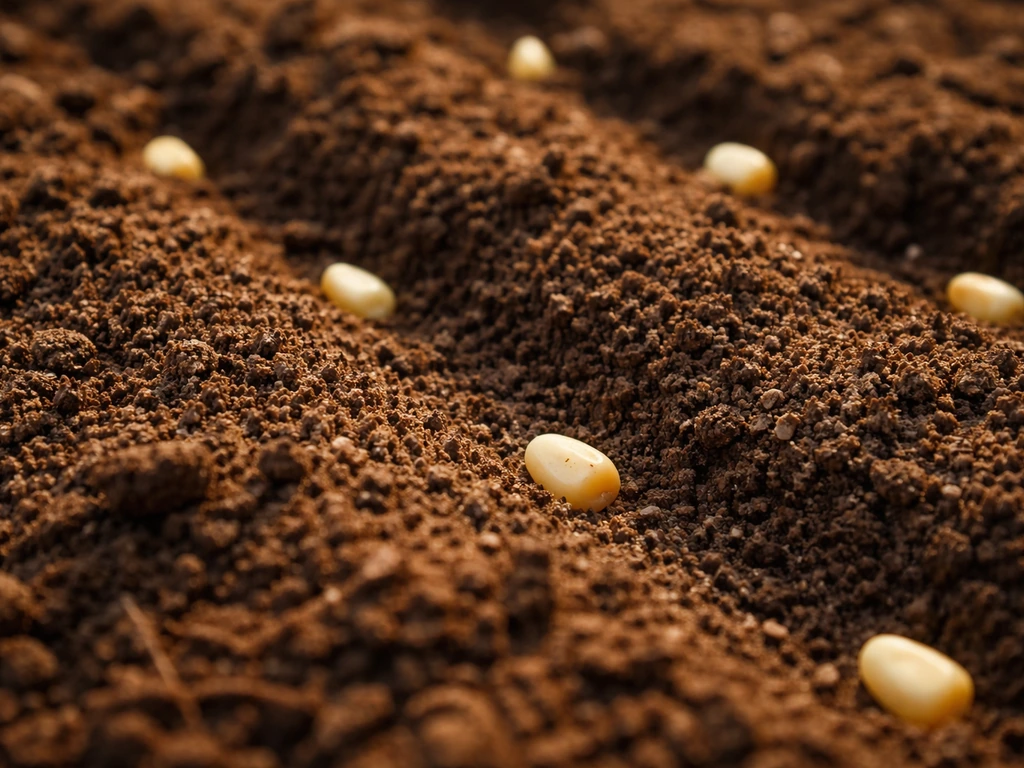
- Plant kernels 1 to 1.5 inches deep in warm, moist soil (1 inch in cooler conditions, up to 2 inches in sandy or fast-draining soils in hot climates).
- Space kernels 8 to 12 inches apart in rows, with rows about 30 to 36 inches apart.
- Corn pollinates by wind, so plant in a block of at least 3 to 4 rows side by side rather than a single long row. A single row often produces poorly filled ears or no ears at all.
- Full sun is non-negotiable. Corn wants 8 or more hours of direct sunlight per day.
- Work compost into the top 6 inches of soil before planting. Corn is a heavy feeder.
Getting corn from sprout to early growth
Germination timing
At optimal soil temperatures (65 to 85°F), corn kernels typically emerge in 7 to 10 days. In cooler soil around 55 to 60°F, expect 10 to 14 days or longer. If nothing has emerged after 3 weeks, dig up a kernel or two and check: a swollen but not rotted kernel means it is still trying; a mushy, discolored kernel is dead.
Watering
After planting, water gently to moisten the top 2 to 3 inches of soil. Do not soak the bed so heavily that it becomes waterlogged, especially in the first week when the embryo is most vulnerable to rot. From germination through early growth, corn likes consistent moisture at around 1 inch of water per week, either from rain or irrigation. Let the top inch dry slightly between waterings, but never let the soil crack from drought.
Early seedling care
Once seedlings are 4 to 6 inches tall, thin them so they stand at least 8 inches apart (keeping the strongest seedling in each spot). Side-dress with a nitrogen-heavy fertilizer, like a balanced 10-10-10 granular fertilizer, when plants reach about 12 inches tall. Corn grows fast in warm weather; a healthy plant can put on 2 to 3 inches of height per day in peak summer conditions.
Regional timing notes
In the Southeast and Southwest (USDA zones 7 and warmer), soil reaches planting temperature by late March to mid-April. In the Midwest and Mid-Atlantic, late April through mid-May is typical. In the Northern Plains, Upper Midwest, and New England, wait until late May to early June. Planting too early in cold, wet soil is the most common reason corn kernels from bird seed fail entirely.
When it does not work: troubleshooting germination failures
| Problem | Likely cause | Fix or prevention |
|---|---|---|
| No germination after 14+ days | Cold soil, dead seed, or planted too deep | Check soil temp (needs 55°F+), reduce depth to 1 inch, test seed viability before planting |
| Kernels germinated but seedlings are yellow or stunted | Poor soil nutrition or overwatering | Add nitrogen fertilizer and improve drainage; ensure full sun |
| Seeds rotted in the ground | Soil too cold and wet, or seed was already compromised | Wait for warmer soil; only plant visually sound kernels |
| Germination rate below 40% | Old or improperly stored seed | Run a germination test first; source fresher seed from a farm supply store if results are poor |
| Seedlings emerge then topple (damping off) | Fungal rot at the soil line, often from overwatering | Water less frequently; improve air circulation; do not mulch heavily around young stems |
| Critters digging up planted kernels | Squirrels, crows, or chipmunks detecting buried seed | Cover planted area with hardware cloth or netting until seedlings are established |
One often-overlooked failure point is using cracked corn or processed corn from the bird seed mix by mistake. If you are getting zero germination from seed that looks fresh, double-check that you are actually planting whole, intact kernels and not milo, cracked pieces, or compressed corn meal. Those will never sprout no matter how good your soil conditions are.
Safety, hygiene, and storage if things go sideways
Mold risk in old or wet seed
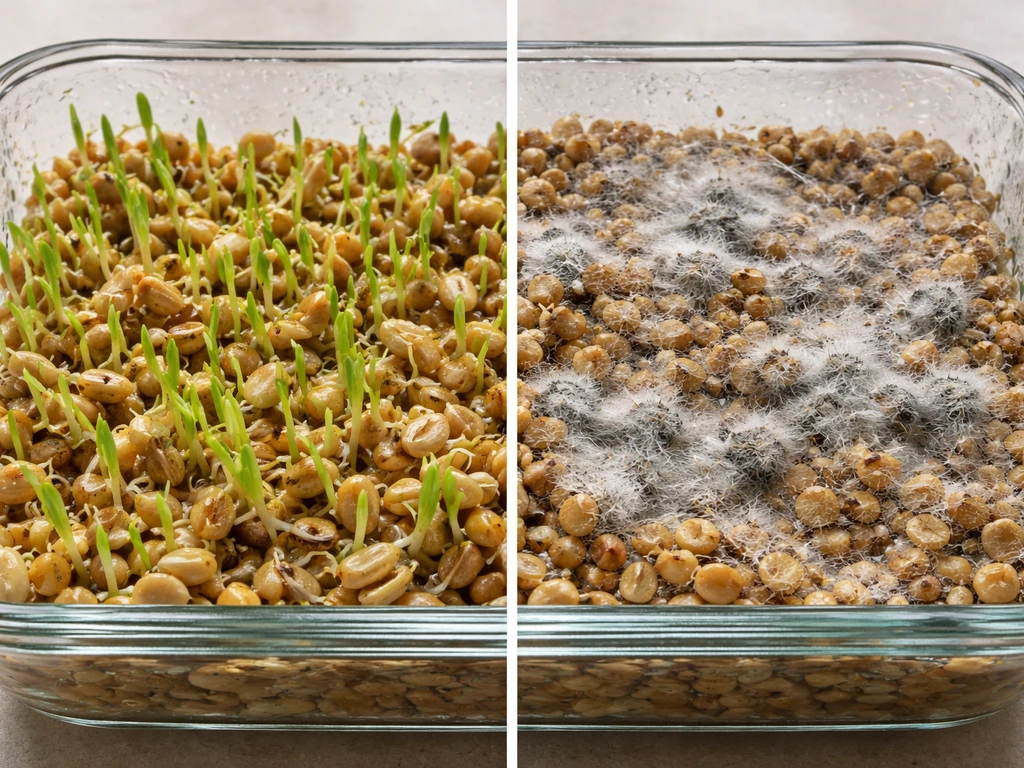
Bird seed that has been exposed to moisture can develop aflatoxin-producing molds, particularly Aspergillus species, within 24 to 48 hours in warm conditions. This is dangerous for birds, mammals, and humans who handle the seed. If your seed smells musty, sour, or like a wet basement, or if you see any fuzzy growth on the kernels, do not plant it and do not put it out for birds. Seal it in a plastic bag and dispose of it in the trash.
Handling hygiene
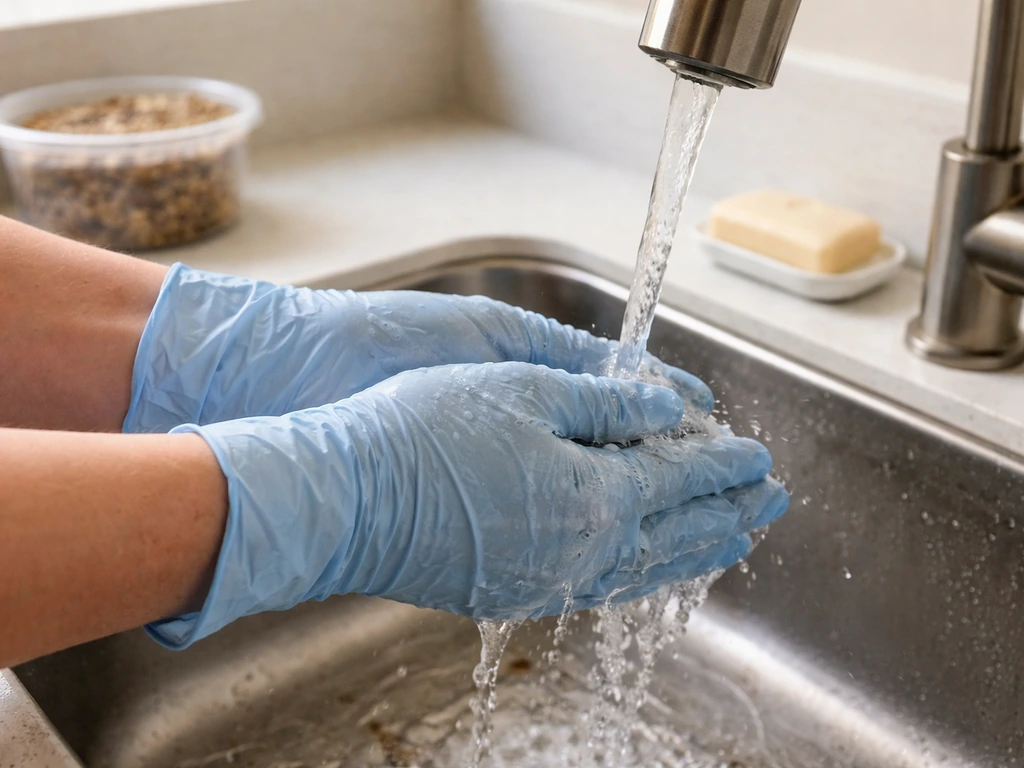
- Wash your hands with soap and water after handling bird seed, especially before eating or touching your face.
- Use gloves when sorting through seed that may be moldy, damp, or pest-infested.
- Do not sort seed on kitchen surfaces. Use a dedicated tray or work outdoors.
- If you run a germination test indoors, keep the paper towel packets away from food prep areas and wash any containers used.
Storing leftover seed properly
If you have bird seed left over after sorting out kernels for planting, store it in a sealed hard-sided container (metal or thick plastic) in a cool, dry location. Avoid storing bird seed in a garage or shed that gets hot in summer, as heat above 80°F accelerates the death of viable embryos and encourages mold growth. A cool basement or climate-controlled space keeps seed in usable condition significantly longer. Most whole-corn-containing bird seed stays viable for feeding birds for 6 to 12 months when stored properly, though germination viability may decline faster than palatability.
Cleanup if seed has sprouted under your feeder
Corn kernels that spill under a bird feeder will often sprout if the conditions are right, especially after spring rains. If you let kernels sprout under a feeder, what you see is typically small green shoots and early roots before it grows into a full corn plant how corn from sprouting looks. If you want to prevent this, rake up spilled seed promptly and dispose of it, or switch to a tray feeder with drainage holes to reduce the moisture buildup that triggers sprouting. Letting spilled corn sprout under a feeder creates a damp mat of decaying plant material that encourages mold, attracts rodents, and can become a hygiene problem. Sprouted seed that is still green and above ground is easy to pull by hand; once the roots are established it takes more effort.
If you are curious whether you want to intentionally grow what sprouts from your feeder spill, the answer with corn is: yes, you can let it go and it may produce a corn plant, but expect field corn quality, not sweet corn. Yes, you can grow what grows from bird seed into real plants if the kernels are whole, untreated, and you meet basic germination needs. The same curiosity often comes up with other seeds in mixed blends, and the answers vary quite a bit depending on what your specific mix contains.
FAQ
How can I tell if the corn in my bird seed is untreated, or if it might be coated with chemicals?
Look for obvious colored dust, film, or pellet-like coatings on kernels, not just natural dried surfaces. If the bag lists treated seed or insecticide, do not plant it. Also avoid any batch that smells strongly of chemicals or has a slick, oily feel, since you want plain kernels that can safely germinate.
Can I grow corn from bird seed if the kernels are mixed with sunflower, millet, or other seeds?
Yes, but only the whole corn kernels will grow into corn. Other seeds can sprout too, so your sprouting tray or test patch may include mixed seedlings. Sort and separate the kernels before planting so you can evaluate corn viability and manage spacing correctly.
Is it better to start corn from bird seed indoors or plant directly in the garden?
Direct planting works if soil is warm enough, since corn dislikes transplant stress. If your spring is cool, you can start a small test indoors using damp (not soggy) media and transplant after warmth arrives, but keep handling minimal and avoid root disturbance.
Why did my kernels swell in the germination test but nothing emerged in the soil?
Swelling can mean the embryo is alive but the seed got too cold, too wet, or oxygen-starved. Common causes are planting in waterlogged ground, heavy mulch that stays saturated, or planting too shallow so they dry out and then re-wet unevenly. Re-check soil temperature and watering patterns.
What planting depth should I use for corn kernels saved from bird seed?
As a baseline, plant around 1.5 to 2 inches deep in typical garden soil. Too shallow can dry out or expose kernels to birds, and too deep can slow emergence. If your soil tends to stay wet, lean slightly shallower within that range.
Can I plant sprouted corn from spilled kernels, or will I damage it?
You can usually pull and replant if the roots are small and you transplant quickly, keeping the root ball intact. Once roots are longer and tangled in a damp mat, replanting causes stress and gaps. If you want to control it, thin and transplant early rather than waiting until it looks like established grass.
How dense should I plant if my germination test was only 40 to 60 percent?
If only about half the kernels are viable, plant at roughly double the intended final stand rate. Then thin aggressively after seedlings emerge and are sturdy, so spacing ends up near the target (about 8 inches apart) for healthy growth.
Is the USDA ARS germination test reliable for every bird seed mix?
It is a good viability screen for whole kernels, but it assumes the mix actually contains intact corn kernels. If your mix includes a lot of milo or broken pieces, your sample may overestimate failure. Take kernels randomly from multiple spots in the bag, not just from one handful.
What should I do if I see fuzzy mold or notice a musty smell after soaking kernels?
Do not plant those kernels. Fungal growth can start quickly when moisture and warmth combine. Discard the affected kernels and rinse any tools used in soaking, then start with a fresh, dry portion of the seed.
Can I use leftover sorted kernels for bird feeding after I test them?
Avoid feeding kernels that were soaked for the germination test or exposed to moisture, especially if there is any mold or sour odor. Moisture increases aflatoxin risk for birds and mammals. If they stayed dry and clean during handling, you can feed them, but if you are unsure, discard.
Do I need to fertilize differently when my corn came from bird seed kernels?
The fertilization needs are the same, since it is still corn plants. A key difference is that weak germination often produces uneven stands, so side-dressing nitrogen can be delayed until plants are established and spaced, to avoid over-fertilizing sparse areas.
How long should I wait before concluding the kernels are dead in the garden?
If soil temperatures were in the expected range, check after about 2 to 3 weeks. If nothing emerges by roughly 21 days, dig up a couple kernels to confirm whether they were swollen but alive or decomposed. If they rotted, adjust warmth, depth, and drainage before replanting.