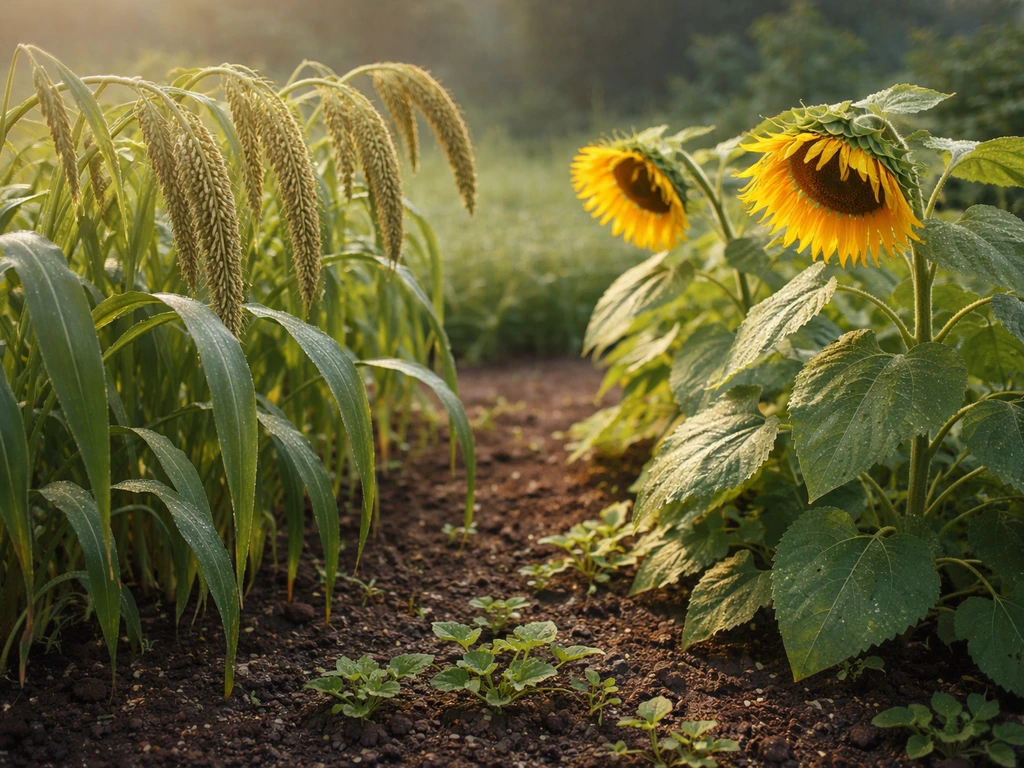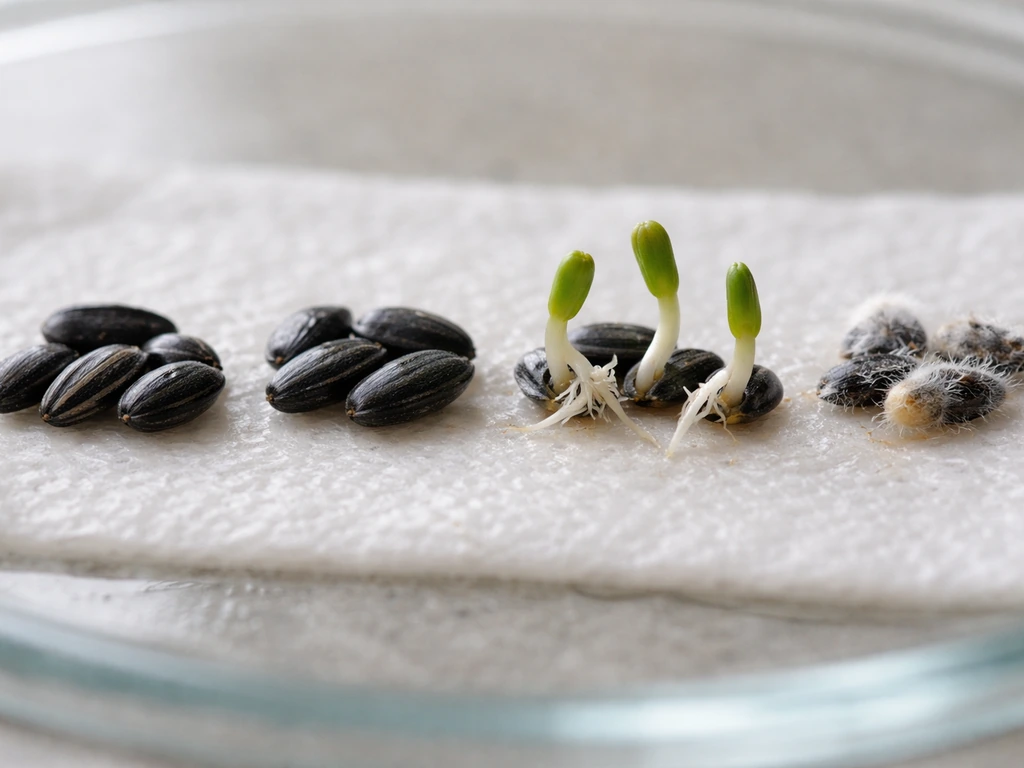
Bird seed kept indoors will do one of three things: sprout into seedlings if it's viable and gets enough moisture, grow mold or fungus if it gets damp without airflow, or attract and feed insects (most often Indian meal moth larvae) and sometimes rodents if it's left out spilled or stored poorly. Which outcome you're dealing with right now depends mostly on how wet the seed got and how long it sat. Sprouts are manageable or even intentional. Mold and pests are a hygiene problem you need to address today.
What Does Bird Seed Grow Into Indoors? Sprout or Mold
Maya Collins
29 May 2026
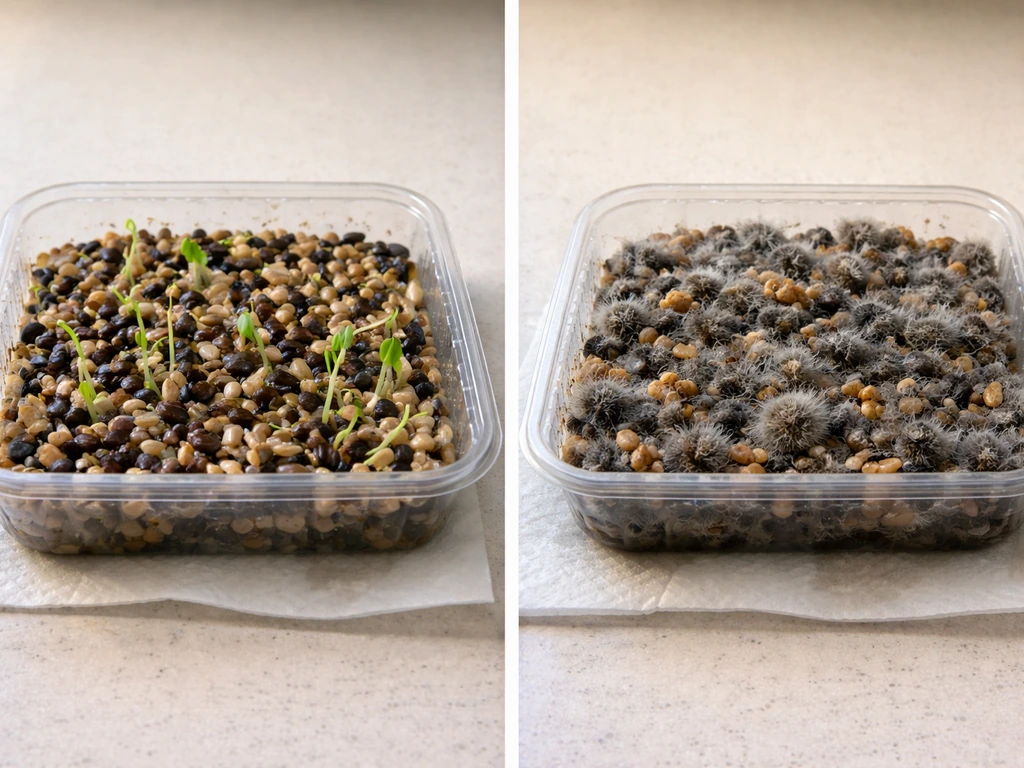
What bird seed actually turns into indoors
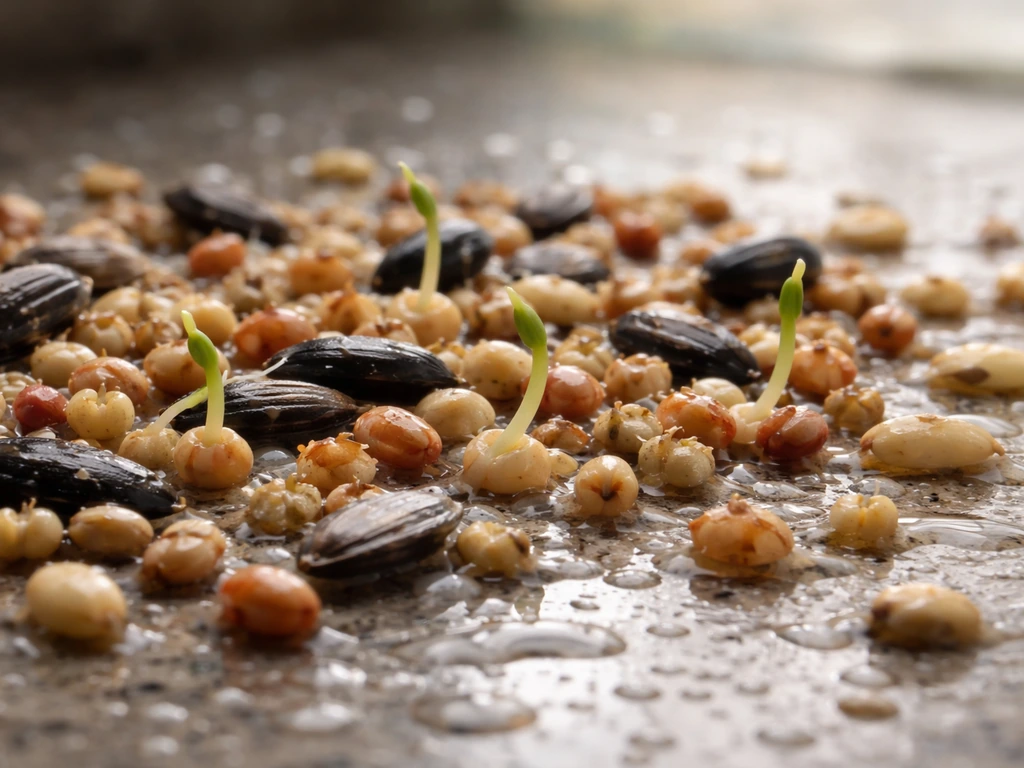
Most commercial bird seed mixes contain viable seeds, meaning seeds that still have live embryos capable of germinating. When those seeds get moisture and warmth, germination kicks off automatically. That's how you can end up with small green shoots sprouting from a spilled bag on a humid garage floor, or from a feeder that got left inside after rain. Small green shoots from bird seed are often millet, especially after spilled seed gets moisture and warmth. But that same combination of warmth and moisture, without the airflow or drainage that a sprouting seed needs, tips things toward mold instead. Mold doesn't need much: damp seed sitting in a closed bin or a plastic bag at room temperature is basically an ideal environment for fungal growth.
The third outcome, pests, is a separate track. Insects like the Indian meal moth (Plodia interpunctella) are commonly introduced into homes through bags of bird seed, grains, or pet food. Their larvae feed on the seed and can establish a full infestation if the bag is left open or improperly stored. Rodents follow the same logic: open or accessible seed indoors is a food source. You don't need moisture for pests to appear. You just need seed left accessible long enough.
Why it happens: moisture, temperature, and seed viability
Seed viability is the first factor. Fresh, quality bird seed from reputable suppliers usually contains a mix of viable seeds that will sprout given the right conditions. Older seed or heat-treated seed (some commercial mixes are sterilized to prevent germination) is far less likely to sprout but can still mold. If you've had a bag for more than a year or stored it somewhere hot and humid, viability drops but mold risk doesn't.
Temperature and moisture are the real triggers indoors. Room temperature, roughly 65 to 75 degrees Fahrenheit, is close to ideal for both germination and mold growth. Add any moisture: a spill, condensation in a storage bin, a humid basement, or water from cleaning, and you've created the conditions. Seed that stays dry and cool stays dormant. The moment that changes, the clock starts. Mold can establish on damp seed within 24 to 48 hours, which is why speed matters if something got wet.
Safe indoor sprouting on purpose
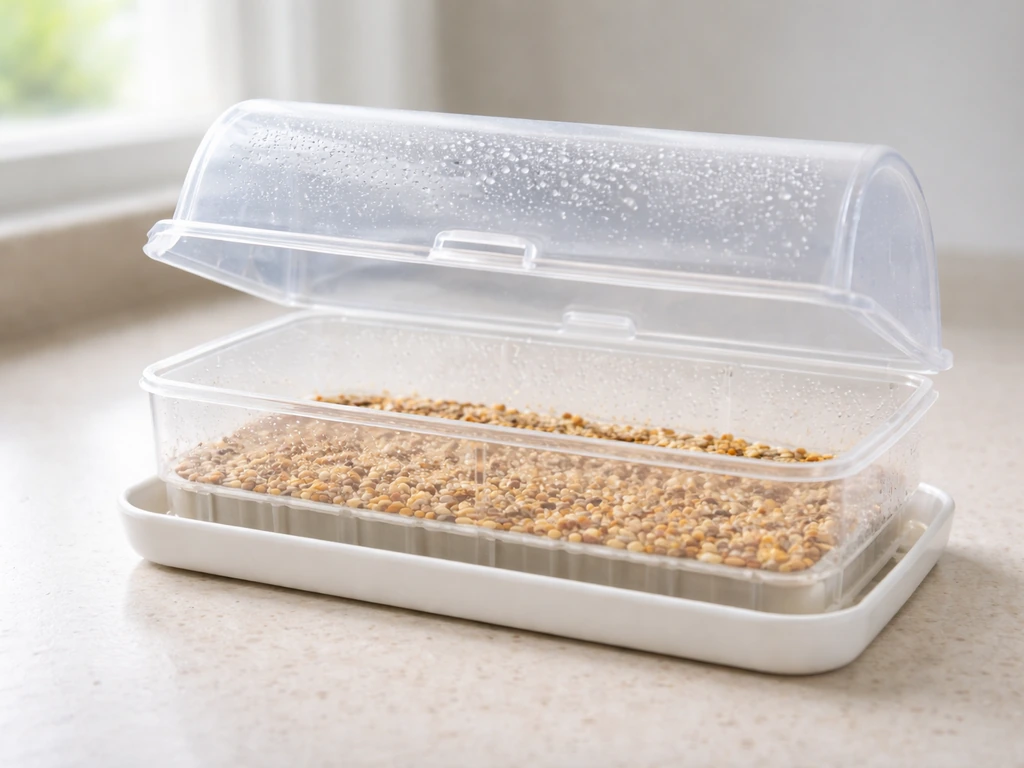
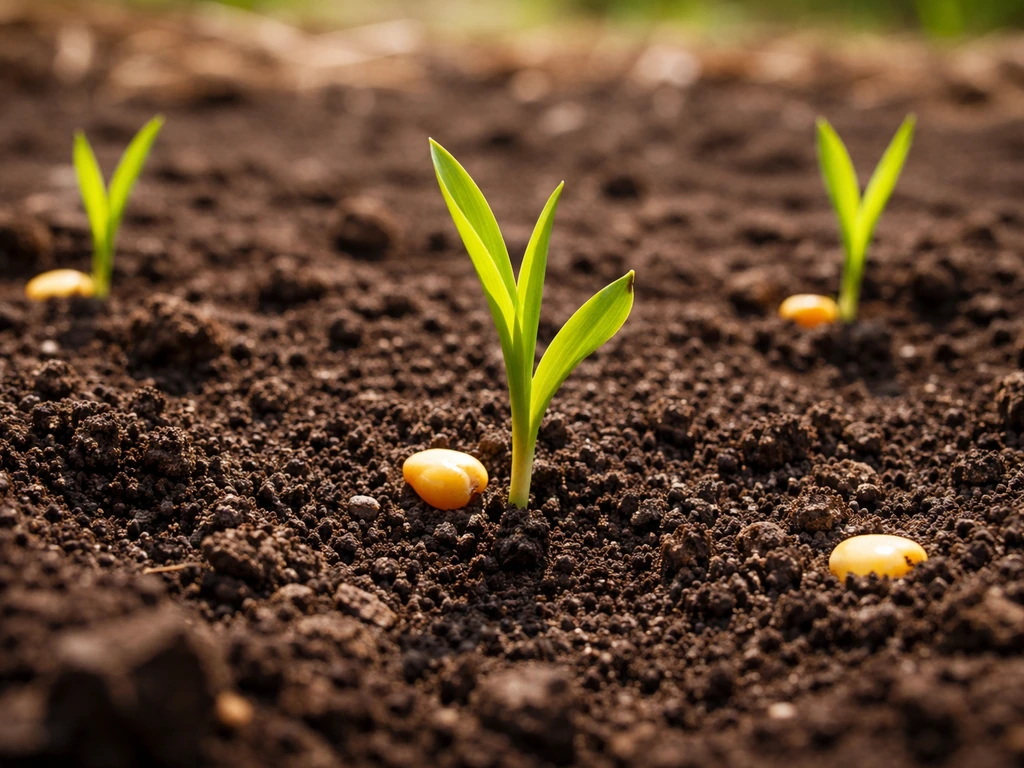
If you're curious whether you can intentionally sprout bird seed indoors, the honest answer is: sometimes, but with important limits. If you mean can corn grow from bird seed specifically, corn kernels need proper moisture and warmth, but many mixes use heat-sterilized corn or seeds that may not be viable intentionally sprout bird seed. Many bird seed ingredients like millet, sunflower (hulled), and whole grains can be sprouted and fed back to birds as a nutritious treat. However, blank" rel="noopener noreferrer">sprouting conditions are also ideal for pathogen growth if hygiene isn't controlled, so the process requires attention. Don't try this with a moldy or off-smelling seed lot, and don't treat this the same as sprouting culinary-grade seeds for human consumption, since bird seed isn't held to food-grade standards.
How to do it cleanly
- Start with fresh, clean seed from a sealed bag. Discard any seed that smells musty, looks clumped, or shows any fuzzy growth before you begin.
- Rinse the seed thoroughly in a clean mason jar or sprouting jar, then soak it for 8 to 12 hours at room temperature.
- After soaking, drain completely and rinse again. Tilt the jar upside down in a bowl so it can continue draining. Trapped water is how mold starts.
- Rinse and drain thoroughly every 8 to 12 hours for three to six days until small sprouts appear.
- Keep the jar in a spot with good airflow and indirect light. Avoid sealed containers or plastic bags during sprouting.
- Discard immediately if sprouts look slimy, limp, or develop any off odor. Do not offer these to birds.
The two most common problems with indoor sprouting are poor airflow and insufficient drainage. If you see fuzzy growth on the seeds at any point, the batch is done. Rinse it into the trash or compost outdoors, don't leave it sitting in the sink or on a counter.
The real risks: mold, toxins, insects, and rodents
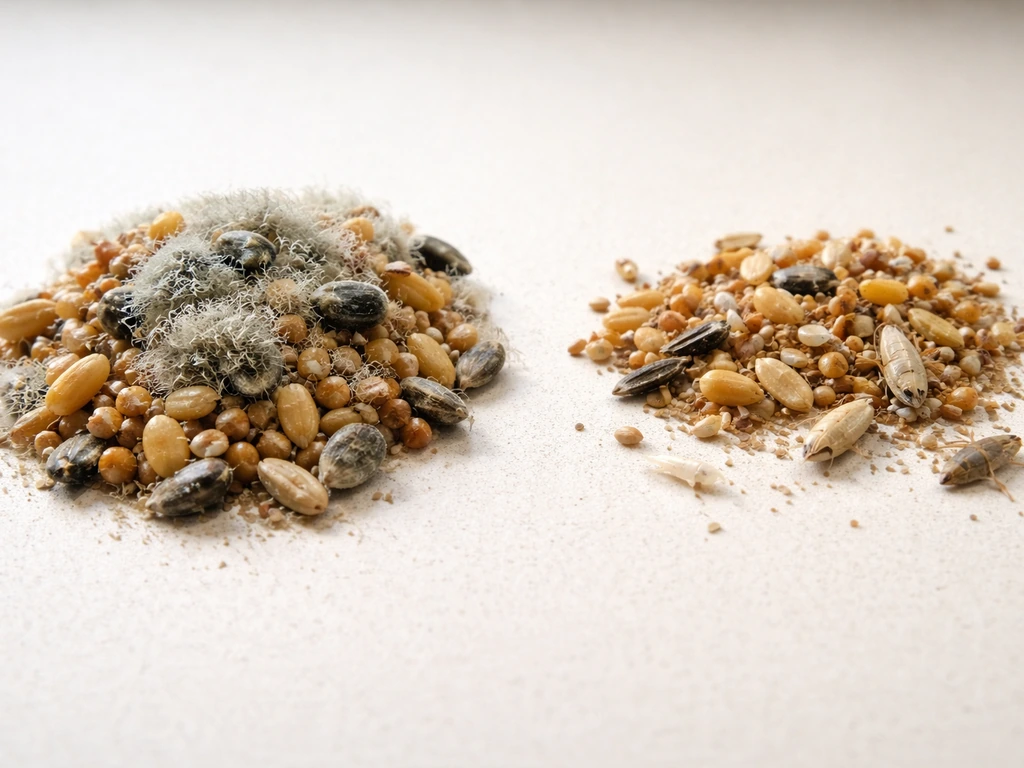
Mold on bird seed isn't just cosmetic. Some molds produce mycotoxins that can be harmful to birds and to people handling contaminated seed, especially with repeated exposure. The risk goes up when seed is left damp in an enclosed space like a closed storage bin, a shed in summer, or a garage. You're also more exposed during cleanup: disturbing dry, moldy material releases spores into the air, which is why protective equipment matters before you start scrubbing.
On the pest side, Indian meal moths are the most common indoor culprit with bird seed. They're brought in with the seed itself, often as eggs or larvae that aren't visible in the bag. Given warmth and time, they establish and spread to other pantry items. Rodents are less about the seed type and more about access: any bird seed left accessible in a garage, laundry room, or kitchen is a potential attractant.
Troubleshooting: seed that already sprouted, smells, or got wet
Here's how to read what you're looking at and what to do about it right now.
| What you're seeing | What it means | What to do today |
|---|---|---|
| Small green shoots on spilled seed | Seed is viable and germinated; minimal hygiene risk if no mold present | Sweep up, check for moisture source, dry the area |
| Fuzzy white, gray, or green growth on seed | Active mold; potential mycotoxin risk | Discard the seed, clean the surface with bleach solution, wear gloves and mask |
| Musty, sour, or off smell from the bag | Mold or microbial growth inside the bag | Discard the entire bag; do not offer to birds |
| Webbing or small larvae visible in seed | Indian meal moth infestation | Discard seed in a sealed bag, inspect nearby pantry items, clean storage area |
| Seed clumped together in the bag | Moisture got in; early mold risk even if not visible yet | Spread seed on a tray to inspect; discard if any odor or visible mold |
| Seed wet from a spill less than 24 hours ago | Not yet moldy if acted on quickly | Dry within 24–48 hours; spread thin on a tray with airflow, or discard if large volume |
The 24 to 48 hour window is the key threshold. If seed got wet and you can dry it thoroughly within that window, mold may not establish. If it's been damp longer than 48 hours, or you're already seeing visible growth or smelling something off, the safest call is to discard rather than try to salvage. Clemson notes that sprouts should not be bought or consumed if they are limp, slimy, moldy, or have an off odor, which aligns with discarding after dampness beyond 48 hours or when off signs appear damp longer than 48 hours, or visible growth or an off odor.
Cleanup, storage, and prevention
Cleaning up mold or spilled contaminated seed
- Before you start: put on gloves, an N95 or P100 respirator if the mold area is large, and protect your eyes. Disturbing dry mold sends spores airborne.
- Contain the spill first. Dampen the area lightly before sweeping to keep spores from spreading, then sweep into a sealed bag for disposal.
- Wipe down any hard surfaces (shelving, bins, floors) with a bleach solution: no more than 1 cup of household bleach per 1 gallon of water. Let it sit for a few minutes before wiping.
- HEPA vacuuming is more effective than a standard vacuum for picking up mold spores from hard surfaces before disinfecting.
- Fix the moisture source before restoring anything to the area. Cleaning mold without stopping the moisture just means it comes back.
Porous materials like cardboard boxes, fabric bags, or wood shelving that can't be dried within 48 hours and still smell of mold should be discarded. You can't fully decontaminate those surfaces with bleach alone.
Preventing the problem going forward
- Store bird seed in airtight, hard-sided containers: metal or thick plastic bins with locking lids are best, since they're harder for rodents to access and keep moisture out.
- Keep storage areas dry and cool. A climate-controlled indoor space is better than a humid garage or basement in summer.
- Buy in quantities you'll use within 4 to 6 weeks to keep seed fresh and reduce long-term storage risk.
- Inspect every new bag when you bring it home. If it smells musty or shows clumping, return it or discard it before storing.
- Check stored seed monthly for clumping, odor, or evidence of insect activity (webbing, fine frass/dust, larvae).
- Place a bay leaf or two in the storage bin: a traditional deterrent for pantry moths that some people find helpful, though it's not a substitute for a sealed container.
Which seeds will actually sprout: sunflower, millet, and mixed seed
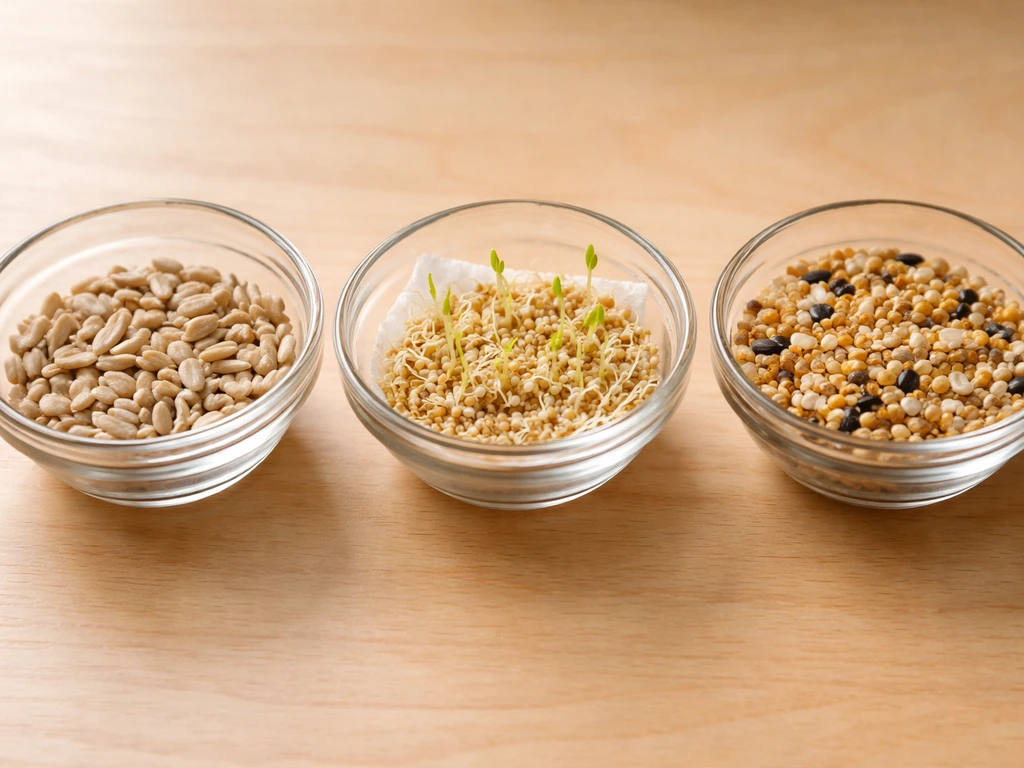
Not all bird seed ingredients behave the same way indoors. Knowing which components in your mix are viable sprouts helps you assess what you're dealing with.
| Seed type | Sprouting likelihood | Notes |
|---|---|---|
| White or red proso millet | High | Sprouts readily and quickly; very common in mixed seed and the most likely culprit in a spontaneous sprout situation |
| Hulled black oil sunflower seed | Moderate | Will sprout if intact; shells slow germination but whole seeds can germinate given enough moisture |
| Safflower seed | Moderate | Viable and can sprout; less common in low-cost mixes |
| Nyjer (thistle) seed | Low to none (usually sterilized) | Most commercial nyjer is heat-sterilized and won't germinate; worth verifying with your supplier |
| Cracked corn | None | Processed; won't sprout but can mold rapidly when wet |
| Mixed seed blends | Variable | Depends on what's in the blend; millet and sunflower are the most likely sprouters in a typical mix |
Millet is the most important one to watch. It's in nearly every standard mix and it germinates fast. If you've spilled mixed seed somewhere damp and see small grass-like shoots coming up, that's almost certainly millet. Nyjer (thistle) seed is a different situation worth noting: most commercial nyjer is heat-sterilized before sale specifically so it doesn't sprout. If you're wondering what is nyjer bird seed and how it behaves, note that most commercial nyjer is heat-sterilized before sale specifically so it doesn't sprout. Whether nyjer will actually grow is a common question, and in most cases the answer is no, though the answer depends on the specific product.
When to discard and when to call it quits
There's a tendency to want to salvage seed because it's not cheap. But some situations are clear discard calls. Offering moldy or pest-infested seed to birds is harmful to them, not just inconvenient for you. Here's a simple decision framework.
- Discard if: you see any fuzzy mold growth, regardless of color or size of the affected area.
- Discard if: the seed smells musty, sour, or fermented. Smell is an early warning sign even before visible mold appears.
- Discard if: you find webbing, larvae, or small moths in or around the seed bag.
- Discard if: seed has been wet for more than 48 hours and you can't confirm it's fully dried.
- Discard if: the bag has been open and unprotected in a humid environment (garage, basement) for several months.
- Keep if: seed looks clean, smells fresh or neutral, shows no clumping or pest evidence, and has been stored dry and sealed.
When discarding, seal the seed in a heavy-duty plastic bag before putting it in the trash, especially if there's any evidence of insects. This stops any larvae from escaping and finding their way into your pantry. Dispose of it in an outdoor bin, not a kitchen trash can.
If you've had a repeat mold or pest problem indoors, the fix is almost always storage, not seed quality. Get a sealed, hard-sided container, keep it in a dry location, and buy smaller quantities more often. If you want the best results, use the same dry, temperature-controlled approach described here as you learn how to grow bird seed. That single change eliminates most of the indoor bird seed problems people run into.
FAQ
If my indoor bird seed got damp, can I dry it and use it again for birds?
No. Any seed lot that smells musty, looks fuzzy, or has visible growth should be discarded rather than “dried and reused,” because spores can spread during handling and some molds can persist even after drying. If you only had a brief spill and it stayed clean-looking and dry quickly, you can dry it completely and monitor it instead.
Is it safe to intentionally sprout bird seed indoors and feed the sprouts back to birds?
Even if you manage to sprout it, treat it as a hygiene-sensitive batch. Use small test amounts first, wash sprout containers thoroughly after each use, and avoid sprouting when the original seed smells off or shows any mold. Also, never feed sprouts to birds that are ill, and don’t keep sprouts at room temperature longer than necessary.
How can I tell which seeds in my mix are actually growing indoors?
Millet is the most common sprout in typical mixes, and nyjer often will not sprout because many products are heat-sterilized. That said, if your mix includes other viable grains or treats like whole sunflower, you may see different leaf shapes, so use the appearance and viability test (moisture, time, and whether anything grows) rather than guessing.
My bird seed container sweats or develops condensation, what does that mean and what should I do?
If condensation is forming on the storage container, the problem is your storage environment, not the seeds. Move the container to a drier, temperature-stable area, make sure it is fully sealed, and consider adding a moisture-absorbing desiccant in a sealed container. Persistent condensation usually means high indoor humidity or storing the container in a cold damp room.
Can I disinfect moldy bird seed or the storage bin with bleach and keep using the container?
Bleach is not a reliable fix for porous materials (cardboard, fabric, wood) because mold can colonize deeper than the surface. For non-porous containers, clean with a detergent first, then use an appropriate disinfectant, and let everything fully dry before refilling. If the area smells moldy after cleaning, replace the item.
What is the real cutoff for deciding discard vs try to salvage a wet batch?
Yes, but the threshold matters. If seed has been damp longer than about 48 hours, if it already shows visible growth, or if you cannot dry it quickly, discard the lot. “Drying” after heavy dampness often only reduces moisture, it does not make the batch safe.
I saw fuzz on the seeds, should I throw everything away or can I remove the bad part?
If you see fuzzy growth at any point, discard immediately. Wear a mask or at least avoid breathing dust, wipe surrounding areas, and check nearby pantry items, since meal moth infestations can spread from a single infested bag. Don’t vacuum moldy material dry unless your vacuum is designed for fine particulates, because it can aerosolize spores.
How do I handle it if the issue is Indian meal moth larvae instead of mold?
If you suspect meal moths, empty the bag into a sealed trash bag, then inspect surrounding dry goods for webbing, larvae, or casings, especially other grains and pet food. Use sealed containers for anything you keep, and consider cleaning pantry edges and pulling out infested items immediately to stop the life cycle.
If I’m seeing rodents, is it because the seed is moldy or because I stored it poorly?
Rodents usually come from access, not seed moisture. Clean up spilled seed right away, keep seed in hard-sided sealed containers, and eliminate openings around garages, laundry rooms, and kitchens. If you find droppings or gnaw marks, treat it as a pest control issue, not a seed storage issue.
When cleaning an indoor feeder, can I pour leftovers back into the bag to save money?
If you are replacing seed in a feeder, do not pour remaining seed back into the original bag. Any contamination is mixed in, and it can reintroduce pests or mold to the new supply. Instead, start with a clean bin and only pour from the feeder into a sealed waste bag when discarding.
What storage setup reduces both mold and insect problems the most?
Start with a sealed hard-sided container, keep it in the most consistently dry room, and buy smaller quantities so long storage periods are less likely. If you have had repeat problems, this storage change usually prevents both mold and meal moth issues because moisture and exposure are the key triggers.