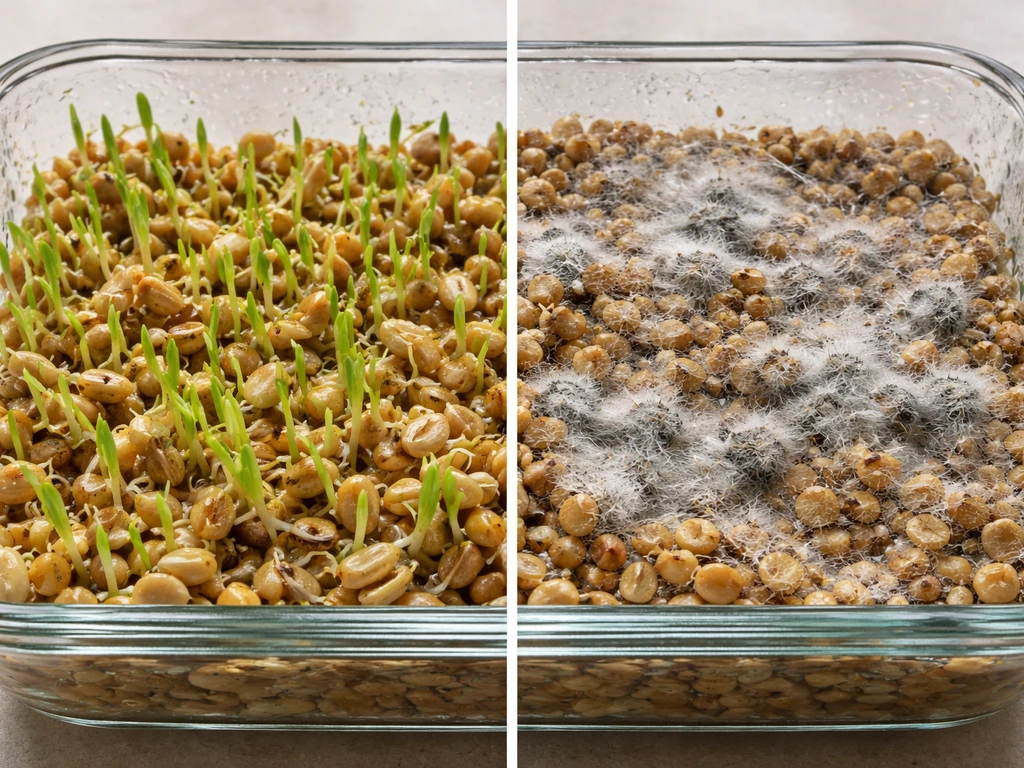
If something is growing from your bird seed, it's most likely one of four things: sprouted seedlings (green shoots with visible roots), mold or fungus (fuzzy, dusty, or slimy growth, usually grey, blue, green, or black), a pantry-moth or weevil infestation (webbing, tiny larvae, or powdery frass), or simple clumping from moisture that looks alarming but may not be biological yet. If you want to compare sprouted seedlings to mold or pests, it's helpful to know what bird seed looks like when it grows what does bird seed look like when it grows. If you are wondering what Nyjer bird seed is and why it behaves the way it does when it gets damp, that can help you respond faster. Each one needs a different response, and getting this right matters because moldy seed in particular can seriously harm the birds you're trying to feed.
What Grows From Bird Seed: Mold, Sprouts, Bugs, Fixes
Quick identification: sprouts vs mold vs pests
Before you do anything else, look closely at what you're actually dealing with. The texture, color, smell, and structure of the growth will tell you almost everything you need to know.
Sprouted seed
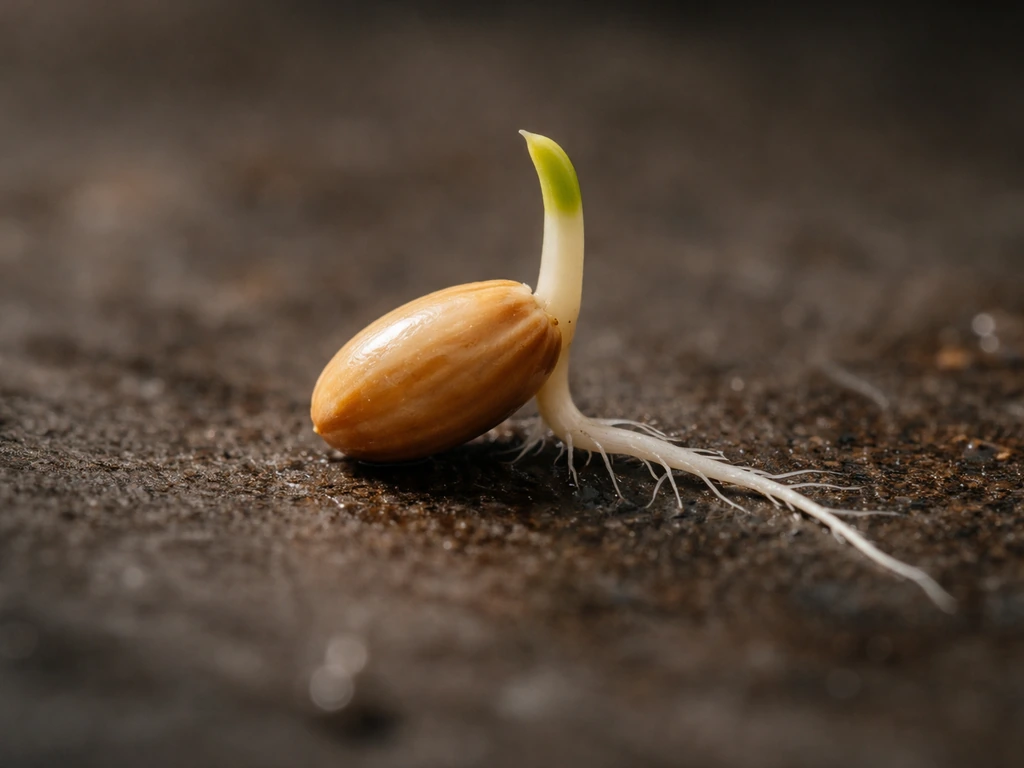
Sprouted seed looks exactly like you'd expect: a tiny green or pale yellow shoot emerging from the seed, often with a fine white root underneath. The seed itself is firm and intact. There's no bad smell. This happens most often in tray feeders or on the ground where seed has gotten damp and settled. Fresh sprouts in isolation are not dangerous to birds and some birds will actually eat them, but if the sprouted seed sits long enough in a warm, wet tray it will start to mold, so you still need to deal with it.
Mold and fungus
Mold is the serious one. The giveaways are: a musty or sour smell, seed that clumps together into a solid mass, and fuzzy or dusty surface growth. Colors range from white and grey in early stages to blue-green, black, or a chalky grey-blue as spores mature. That dusty grey-blue appearance is characteristic of Aspergillus, the mold most associated with avian respiratory disease. If your seed smells off and looks clumped or fuzzy, treat it as moldy regardless of color.
Insect infestation
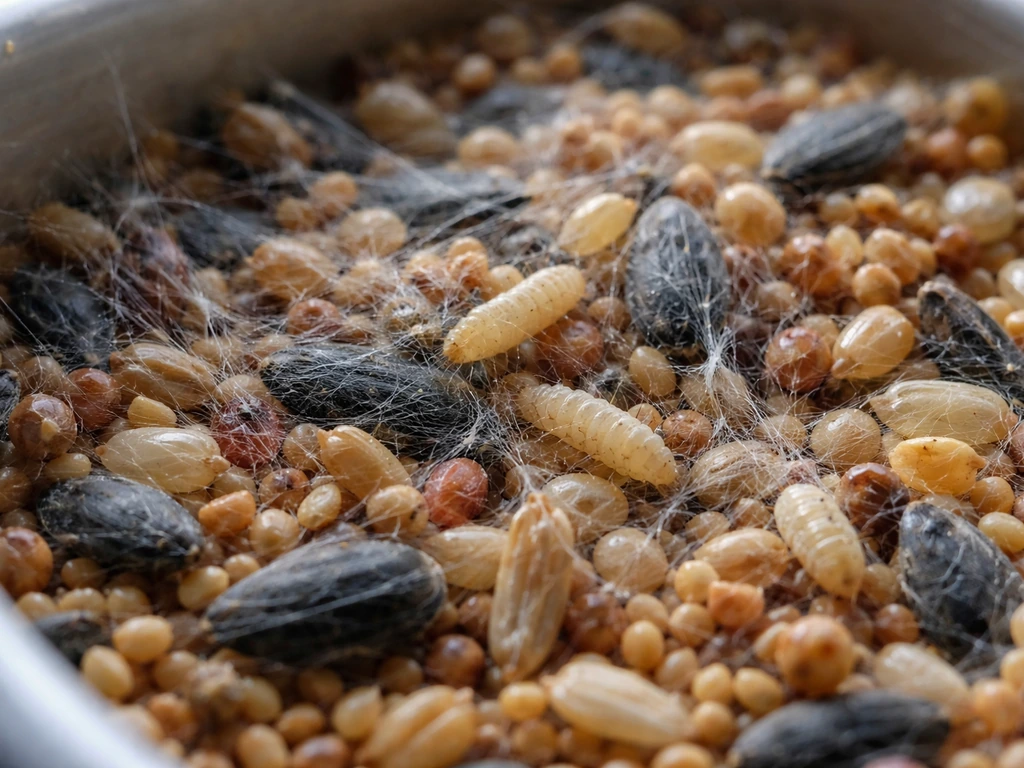
Pantry moths (Indianmeal moths) and grain weevils are the most common insects found in stored bird seed. The Indianmeal moth (Plodia interpunctella) is a common stored-food pest that can infest birdseed, and its larvae spin silk or webbing in the food Indianmeal moths (Plodia interpunctella) infesting birdseed. Look for fine silky webbing threading through the seed, small cream-colored larvae, tiny exit holes bored into individual seeds, and frass, which is a powdery or granular insect waste that looks like fine sawdust or dark specks scattered through the seed. If you see any combination of webbing, larvae, holes, and frass, you have an insect problem, not a sprouting one.
| What you see | Likely cause | Smell | Safe to feed? |
|---|---|---|---|
| Green shoots, white roots, firm seed | Sprouted seed | None or fresh/earthy | Discard if tray has been wet a while; fresh sprouts are low risk |
| Fuzzy/dusty grey, blue-green, or black patches, clumped seed | Mold / fungus | Musty, sour, or off | No. Discard immediately |
| Webbing, tiny larvae, holes in seeds, powdery frass | Pantry moths or weevils | Mild musty or stale | No. Discard and clean storage area |
| Seed stuck together, damp but no visible growth yet | Moisture/clumping, early stage | Slightly stale | No. Discard and dry the container |
Why this is happening
The root cause in almost every case is moisture. Mold spores are everywhere in the environment; they just need dampness and warmth to take hold. Spilled seed sitting in a tray after rain, seed stored in a shed or garage where humidity fluctuates, a feeder without drainage holes, or a bag stored directly on a concrete floor where condensation collects underneath, these are all prime conditions. Hot, humid summers accelerate the problem significantly, so if you're in the southeastern US or any region with long humid seasons, you'll need to be more aggressive about drying and rotating your seed.
Old seed is the other major factor. Seed that's been sitting in a container for months, especially if it was opened, loses its protective hull integrity and becomes far more susceptible to moisture absorption. A bag of mixed seed left half-open in a warm garage through a rainy spring is almost guaranteed to develop mold or attract moths. Insect infestations tend to arrive either in seed that was already lightly infested at the store or via moths that found their way into your storage space and laid eggs.
What to do right now with the affected seed
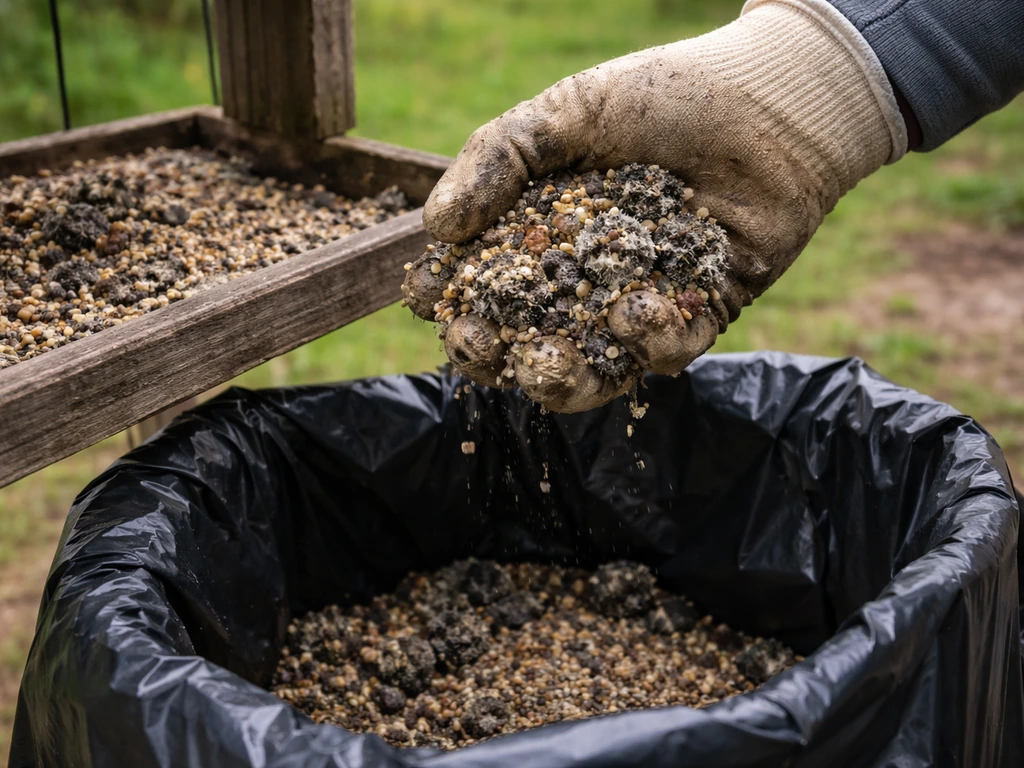
Don't try to salvage moldy seed. This is the one firm rule. The guidance from bird welfare organizations and wildlife agencies is consistent: never put visibly moldy seed back out for birds. Mold can carry mycotoxins and Aspergillus spores that cause serious respiratory disease in birds. If you're unsure whether a batch is truly moldy or just slightly damp, smell it. If it smells off at all, discard it.
- Remove the seed from the feeder, tray, or storage container right away. Don't leave it sitting while you decide what to do.
- Seal the discarded seed in a plastic bag before putting it in your outdoor trash. This contains mold spores and prevents insects from escaping into your home or yard.
- If the seed is sprouted but otherwise fresh-smelling and not clumped or fuzzy, you can compost it or scatter a small amount in an open dry area away from your main feeding zone. Fresh sprouts are not harmful, but soggy sprouted seed in a tray quickly becomes a mold problem.
- For insect-infested seed: seal and discard all affected seed immediately. Check every other seed container in the same storage area because moths and weevils spread quickly between bags.
- Do not put infested or moldy seed back in any feeder, even 'just to use it up.'
Safe cleanup and hygiene for feeders, trays, and the surrounding area
Once you've removed the bad seed, the feeder and any surfaces that contacted it need to be cleaned properly. Wiping down with water alone is not enough if mold was present. Contaminated or moldy birdseed and dirty feeders can make birds sick, so keep feeders clean and discard wet or moldy feed.
Cleaning the feeder
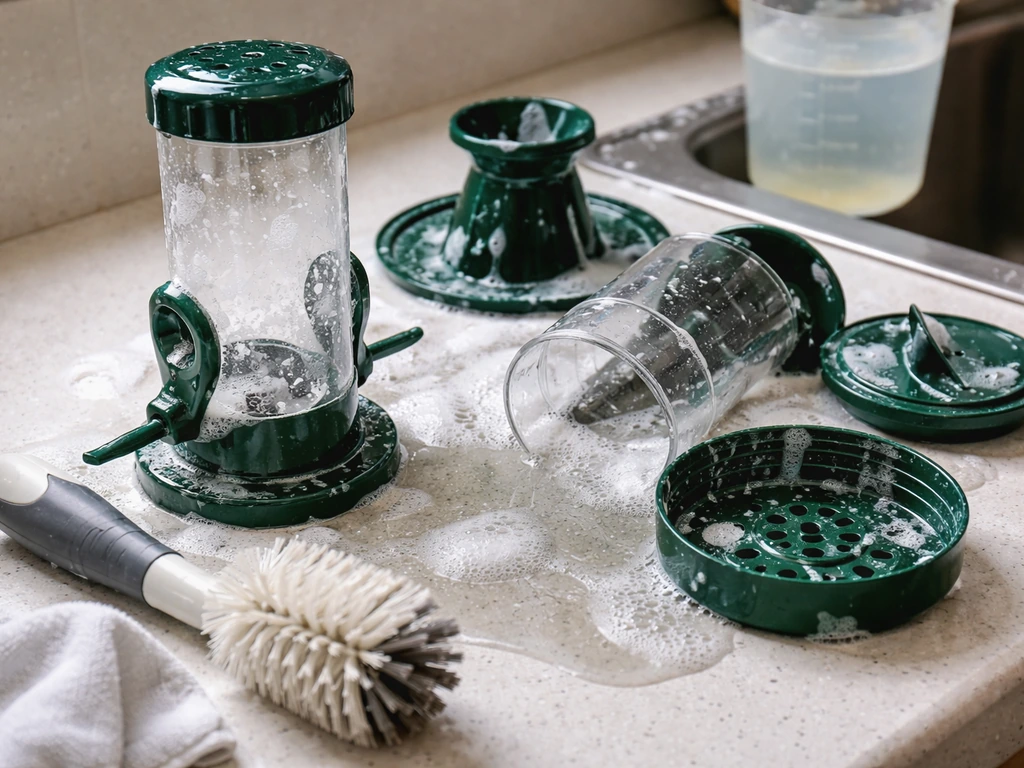
- Empty the feeder completely and remove any remaining debris by hand or with a stiff brush.
- Scrub all surfaces with hot soapy water, paying attention to crevices, drainage holes, and perches where wet seed accumulates.
- Prepare a disinfection solution of 1 part bleach to 9 parts water (a 10% bleach solution). This is the ratio recommended by multiple bird organizations and extension services.
- Submerge or soak the feeder in this solution for 10 minutes.
- Rinse thoroughly with clean water until there's no bleach smell remaining.
- Allow the feeder to dry completely before refilling. This step is non-negotiable. Refilling a damp feeder is what starts the mold cycle over again.
Cleaning trays and ground areas
Spilled seed and hulls on the ground or in tray feeders are a major mold source that most people overlook. Sweep or rake up all seed debris from the ground beneath your feeder. If mold was visible, treat the ground surface with the same 1:9 bleach solution, let it sit for a few minutes, then rinse. For wooden or plastic trays, scrub with the bleach solution and rinse well. Wash your hands thoroughly after handling any potentially moldy seed or contaminated feeder equipment.
Prevention: storage, handling, and moisture control
Most mold and pest problems are completely avoidable with the right storage setup. The goal is to keep seed dry, airtight, and rotated so it never sits long enough to degrade. After you have the moisture under control, you can start focusing on how to grow bird seed properly by choosing the right seed and keeping it hydrated just enough to sprout without going moldy.
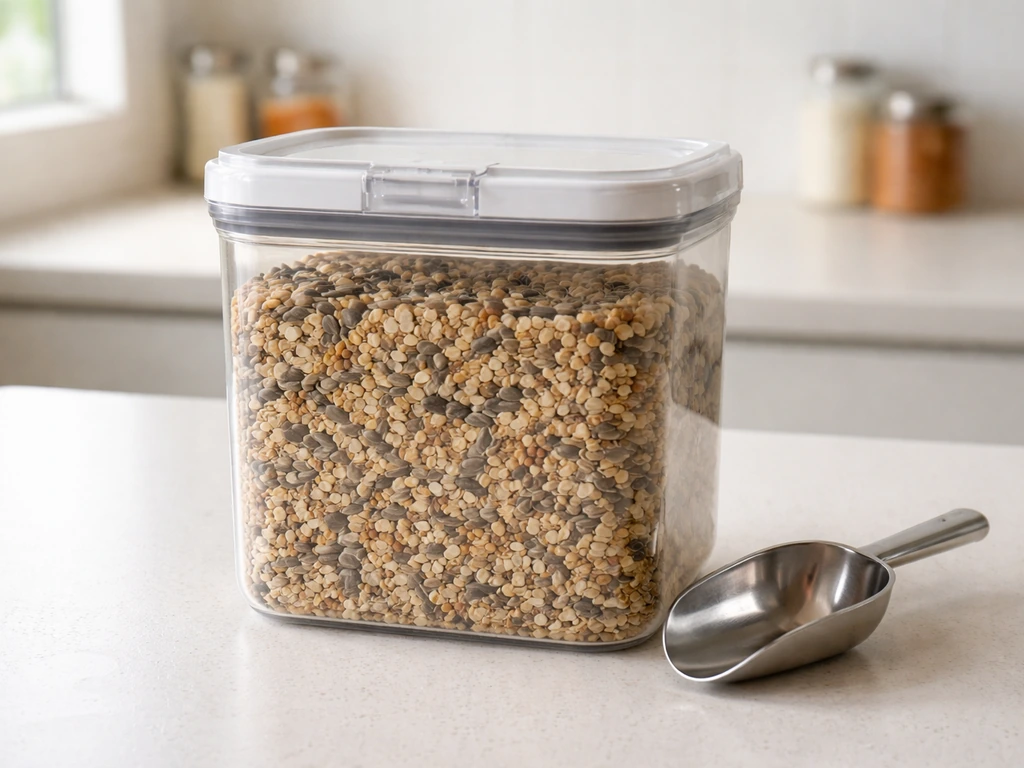
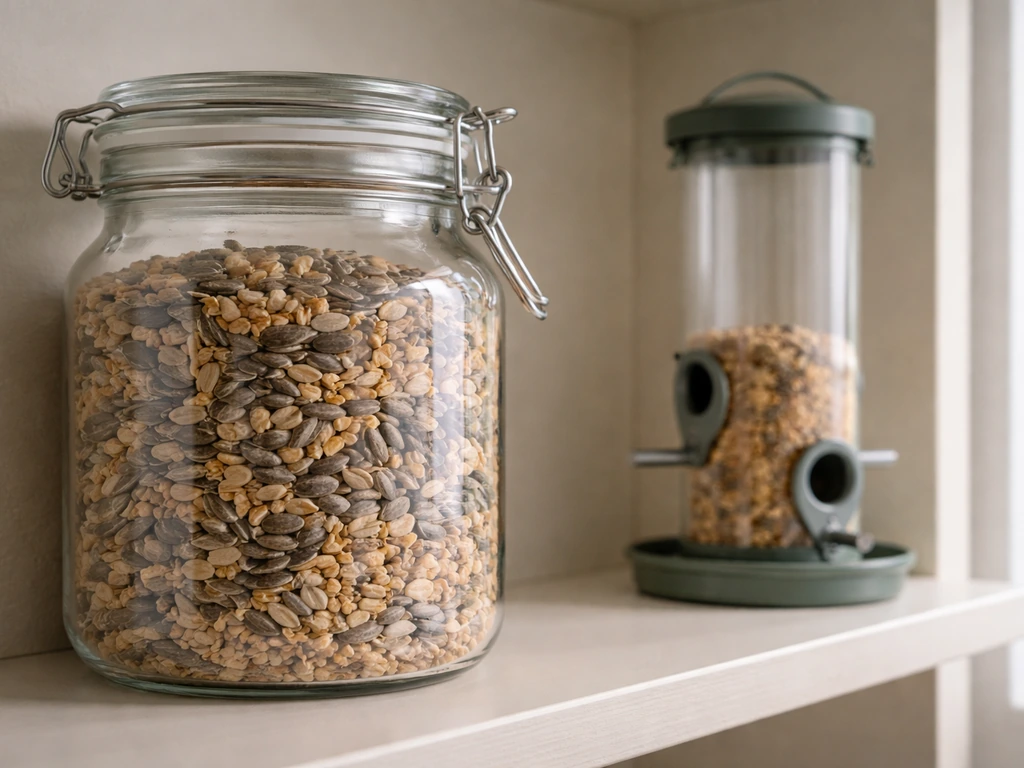
- Store seed in a hard-sided, airtight container (metal or thick plastic with a locking lid). Paper bags and thin plastic bags let moisture in and offer no protection against moths or rodents.
- Keep the container off the floor, especially concrete. Even a few inches of elevation prevents condensation from wicking up through the bottom.
- Store seed in a cool, dry location. A climate-controlled garage, shed with good ventilation, or interior closet works better than a hot, damp outbuilding in summer.
- Buy seed in quantities you'll use within 4 to 6 weeks. Larger bags seem economical but often lead to long storage times and degraded seed.
- Check the bag for signs of infestation before bringing it into your home or storage area. Look for webbing near the seams and any powdery residue.
- In humid climates, consider adding a small silica gel desiccant packet inside your storage container to absorb excess moisture.
- Rotate stock: use older seed first before opening a new bag.
Pest and mold prevention in feeders and seed areas
Even with good storage, your feeders and the area around them need regular maintenance to stay clean. A clean feeder is genuinely one of the most important things you can do for backyard bird health.
- Clean feeders with the 1: 9 bleach solution roughly once a month under normal conditions, and immediately any time you see mold, debris buildup, or wet seed.
- Choose feeders with drainage holes in trays so water doesn't pool after rain. If your current feeder doesn't have them, drilling a few small holes is a straightforward fix.
- Only fill feeders with as much seed as birds will eat in 2 to 3 days, especially in summer or wet weather. A feeder that empties quickly is a cleaner feeder.
- Rake or sweep the ground under feeders at least weekly. Seed hulls and spilled seed on the ground decay and mold quickly, creating a localized mold and pest reservoir even when your feeder is clean.
- Avoid platform or tray feeders during extended rainy periods unless you can cover them or are willing to empty and dry them after every rain.
- If you've had a moth infestation, clean the entire storage area, not just the seed container. Check shelving, wall corners, and any other nearby dry goods because larvae can spread several feet from the original food source.
When to worry: bird health signs and what to avoid
If birds have been eating moldy seed before you caught the problem, watch for warning signs over the following days. Aspergillosis, the fungal respiratory disease most commonly linked to contaminated seed, can cause labored or open-mouth breathing, lethargy, fluffed-up posture, loss of coordination, or digestive symptoms. If you notice multiple birds at your feeder showing similar signs at the same time, that pattern is a genuine red flag. A cluster of sick birds after a period when you were unknowingly offering moldy seed is exactly the scenario that warrants taking your feeder down temporarily and doing a full clean before putting it back up.
For your own health: Aspergillus is a common environmental mold and poses minimal risk to healthy adults, but you should still handle moldy seed with care. Wear gloves when cleaning contaminated feeders or disposing of bad seed, and avoid doing it in an enclosed space where you'd be breathing concentrated spores. If you're immunocompromised, wear a mask as well.
A few things to specifically avoid: never try to dry out moldy seed and reuse it, don't brush visible mold off seed and feed the rest, and don't add new seed on top of old seed in a feeder without checking what's at the bottom first. That last habit is one of the most common reasons feeders develop chronic mold problems, because old wet seed at the base of the feeder seeds the new batch immediately. Empty and inspect before every refill, and you'll stay ahead of almost all of these issues.
If you're also curious about which specific seeds are most likely to sprout into recognizable plants (sunflowers, millet, corn), or whether particular seeds like nyjer can actually germinate at all, those questions have their own answers worth looking into since the sprouting behavior varies quite a bit by seed type and matters for what ends up growing under your feeder.
In general, the plants you see coming from bird seed depend on what the seed mix contains and whether it gets damp enough to sprout which specific seeds are most likely to sprout. Nyjer is unlikely to sprout into healthy plants under typical feeder conditions, so focus on preventing mold instead Nyjer bird seed.
If you want to intentionally grow bird seed, focus on choosing the right type of seed and providing the moisture and light levels it needs which specific seeds are most likely to sprout. Corn can grow from bird seed in some cases, but it depends on whether the kernels are viable and get enough moisture and warmth.
If you want to know what plants grow from bird seed, the best starting point is the type of seed you use and how it reacts to moisture and warmth. If you are trying to figure out what does bird seed grow into indoors, the same “type of seed plus moisture and warmth” logic applies so you know what to expect before you start growing what plants grow from bird seed.
FAQ
If some of my bird seed is “growing,” does that always mean the seed has sprouted?
No. What you described can come from stored-seed insects, clumped damp seed, or early mold. A quick check is the structure: sprouting shows a distinct green or pale shoot with a small white root, while mold tends to look like surface growth (fuzzy, dusty, chalky) and often comes with an off or musty smell.
What if the growth doesn’t look like the “classic” mold colors, but it smells off?
If you see any fuzzy, dusty, slimy, clumped, or discolored growth plus a musty, sour, or “wet basement” smell, treat it as mold, even if the color is not blue-green or black. Mold spores can still be present in early stages, and birds can be affected from small amounts.
Can I dry moldy bird seed and keep using it for birds?
Not safely. Drying at home does not reliably remove mold or mycotoxins once contamination has started. The safer rule is discard visibly moldy seed and do a full feeder clean, then switch to dry, rotated seed from an unopened or well-stored batch.
Is it okay to vacuum up moldy seed and debris?
Vacuuming can spread spores into the air if mold was present, especially in a garage or enclosed area. If you need to remove seed debris, use a broom and dustpan or disposable paper towels, then bag and dispose. For feeder cleaning, use the bleach-rinse approach and wash hands thoroughly afterward.
Why does mold keep coming back even when I wipe down the feeder?
You should look underneath and at tray edges for wet pockets. Many feeders accumulate damp seed at the base or in corners even when the top looks fine. Empty the feeder, inspect the bottom, and remove any seed that looks clumped or smells off before refilling.
How can I tell the difference between insects and mold when both are possible?
Yes, and it can be subtle. If you notice webbing, tiny larvae, bored seed holes, or powdery frass among the seed, assume insects even if you also see some damp clumping. Insect activity often starts inside the bag or in storage, then spreads as the infested seed is poured into the feeder area.
If only a little seed got moldy, should I still worry about bird illness?
For birds, the biggest risk is repeated exposure, not one short session. If only a small amount was affected, remove and discard the contaminated portion, stop using the feeder until it is cleaned, and monitor birds for several days for open-mouth breathing, lethargy, or loss of coordination.
How long should the feeder be dried after using bleach to clean mold?
After cleaning, let the feeder dry fully before refilling. Moisture remaining in crevices can restart the problem quickly, especially in humid climates. Also rinse thoroughly after bleach so there is no residue that could irritate birds.
What should I do first if multiple birds get sick around the same time?
If you are seeing sick birds, take the feeder down immediately to stop exposure, then clean the feeder and surrounding area. If many birds show similar respiratory signs at the same time, contact a local wildlife rehabilitator or veterinarian for guidance rather than continuing to test by swapping seed batches.
Are there special precautions for cleaning moldy seed if someone in my household is immunocompromised?
If you have immunocompromised household members, use extra protection. Wear gloves, consider a mask when handling contaminated seed or cleaning, and avoid shaking seed containers, which can aerosolize spores.
What storage change gives the biggest improvement in preventing moisture and infestations?
Start by checking the storage bag and container. Use airtight containers, keep seed off concrete floors, and store away from temperature swings. Once opened, use a tighter rotation schedule, and never keep seed half-open for weeks in humid seasons.
Can damp seed look like sprouts even if it is not healthy growth?
Yes, some “sprouts” can be misleading. If the growth forms a solid clump, dusts off, or spreads like a patch on the surface, it is more likely mold than true seedling growth. True sprouts should look like an identifiable stem with a root and usually come from intact seeds.
What personal safety steps matter most when disposing of bad bird seed?
For your own health, treat handling as higher-risk if the seed is visibly moldy. Gloves reduce skin contact, and a mask helps if you are cleaning in a space where spores can concentrate. Wash hands after disposal, and avoid eating or touching your face during cleanup.