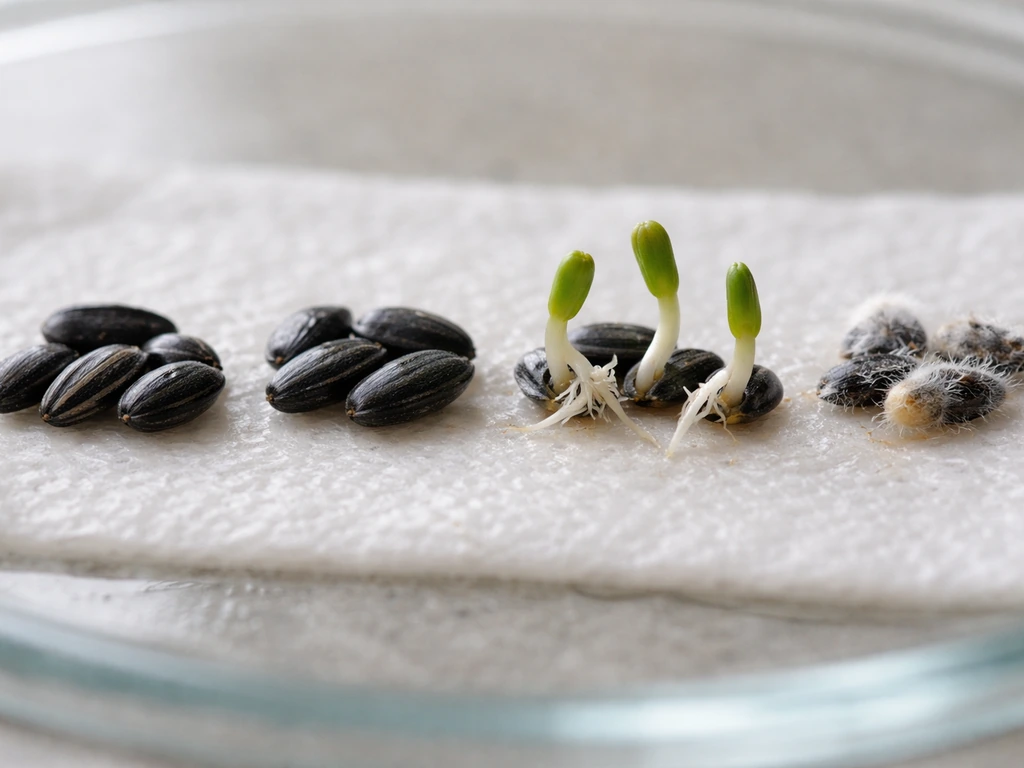
You can grow your own bird seed by planting a handful of well-chosen crops, mainly sunflowers, millet, and niger (nyjer), then harvesting and drying the seed heads before processing them for feeder use. Done right, a small backyard plot or even a few large containers can supply several months of fresh, high-quality seed that birds prefer over stale store-bought mix, and you control exactly what goes into the feeder. What grows from bird seed depends on what kind of seed you plant, since different crops germinate, grow, and mature at different rates.
How to Grow Bird Seed: Plant, Harvest, Dry, and Store
Maya Collins
20 May 2026
Choosing the right plants to grow

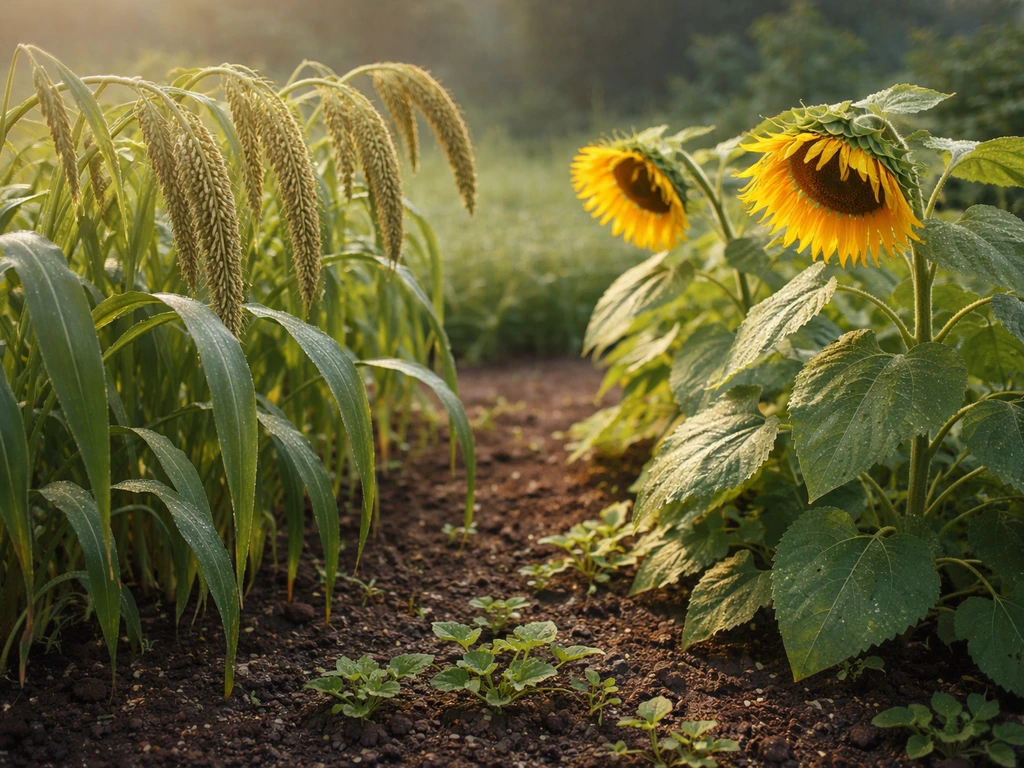
Not every seed in a commercial mix is worth growing at home. Stick to species that produce heavy yields, tolerate average garden conditions, and match what birds in your yard actually eat. Here are the best candidates.
| Plant | Seed type | Best for | Yield per plant (approx.) | Growing notes |
|---|---|---|---|---|
| Oilseed sunflower (Helianthus annuus) | Black-oil sunflower seed | Chickadees, nuthatches, finches, cardinals, jays | Up to 1–2 oz of seed per large head | Annual; direct sow; very easy; full sun |
| White proso millet (Panicum miliaceum) | Small round white seed | Juncos, doves, sparrows, towhees | Several oz per plant cluster | Annual; fast-growing; tolerates poor soil |
| Nyjer / niger (Guizotia abyssinica) | Tiny black oilseed | Goldfinches, siskins, redpolls | Low yield; better as supplement | Tropical annual; needs long warm season; tricky outside South/Southwest |
| Safflower (Carthamus tinctorius) | White oval seed | Cardinals, doves, chickadees | Moderate yield per head | Annual; drought-tolerant; deer-resistant |
| Annual coneflower / purple coneflower (Echinacea purpurea) | Small dark seed | Goldfinches, chickadees | Light yield; mainly ornamental benefit | Perennial; low maintenance; self-sows |
Oilseed sunflowers are the clear star for most backyard growers. OSU Extension guidance describes sunflower (Helianthus annuus) as an blank" rel="noopener noreferrer">annual oilseed sunflower grown for bird seed, making it a backyard-feasible match to feeder seed. They are direct descendants of the same variety in most feeder mixes, they yield heavily, they are photoperiod-insensitive (meaning you do not need to time planting around day length), and they grow in virtually every U.S. climate. If you only have space for one crop, grow sunflowers. White proso millet is a close second because it germinates fast, grows in tight spaces, and ground-feeding birds go through it constantly. Nyjer is worth attempting if you live in a warm-summer region, but the yield is modest and birds visiting your nyjer feeder are often more selective than you expect. Nyjer, often sold as bird seed, only grows reliably in warm-summer conditions, so it helps to confirm your climate before planting whether nyjer actually is. There is a fuller breakdown of what nyjer actually is and whether it will reliably grow for you in the related topics on this site. Nyjer is also called thistle seed, and it helps to know what plants grow from bird seed so you can choose the right seed for your climate.
Site setup and planting timeline
Ground beds vs. containers

Sunflowers need at least a 5-gallon container per plant, but they do much better in ground beds with 12 to 18 inches of spacing. Millet can go into raised beds, ground rows, or large planters (at least 12 inches deep). Safflower and coneflower are flexible. For any seed crop, the priority is full sun (6 or more hours daily) and well-drained soil. Waterlogged roots kill these plants before they set seed.
Timing by region
Soil temperature is your main trigger, not the calendar date. Direct-sow sunflower and millet once soil hits 50°F consistently, usually 2 weeks after your last frost date. In practice this breaks down roughly as follows:
- Pacific Northwest (Willamette Valley, Coast): April through June for sunflowers per OSU Extension guidance; June for Central and Eastern Oregon where frost lingers
- Midwest and mid-Atlantic: late April to mid-May
- Southeast and Gulf Coast: March to April
- Mountain West / high elevation: mid-May to June at the earliest
- Southwest (low elevation): February to March for a spring crop or August for a fall crop
West Virginia University Extension recommends succession planting sunflowers every 2 to 3 weeks to spread out your harvest window. West Virginia University Extension also recommends succession planting oilseed sunflowers every 2, 3 weeks to spread maturity for seed production, including for sunflower oil and bird seed succession planting sunflowers every 2 to 3 weeks. This is genuinely useful: instead of having 40 seed heads all ready on the same Tuesday in September, you get a rolling harvest from late August through October. That is much easier to dry and process in batches, and it keeps fresh seed available longer.
Soil and spacing

Loosen the soil 12 inches deep and work in a couple of inches of compost if you have it. Sunflowers are heavy feeders, but they do not need rich soil to germinate. Plant seeds 1 inch deep. Thin to 12 inches apart for standard-size heads, or 18 to 24 inches for giant varieties. Millet can be broadcast-sown thinly and thinned to 6 inches. Keep the bed weed-free for the first 3 to 4 weeks while seedlings establish.
How to harvest, dry, and process seed for bird feeding
Knowing when to harvest
This is the step most backyard growers get wrong. Harvest too early and the seed has too much moisture to store safely. Harvest too late and birds, squirrels, or mold beat you to it. For sunflowers, look for the back of the seed head to turn from green to yellow-brown, the petals to fully drop, and the seeds to feel firm when you press them. As it grows, bird seed heads develop noticeable color changes and firm kernels you can use as a visual harvest guide what does bird seed look like when it grows. You do not need to wait for the head to go completely dry on the plant. For millet, wait until the seed heads turn from green to tan and the tiny seeds rub off easily between your fingers.
Cutting and initial drying
- Cut sunflower heads with 12 inches of stem attached so you can hang them.
- Bundle millet stalks loosely (5 to 8 stems per bundle) and secure with twine.
- Hang heads and bundles upside down in a dry, well-ventilated space: a garage, shed, or covered porch all work. Avoid anywhere humid or unventilated.
- Slip a paper bag or old pillowcase loosely over each sunflower head to catch seeds that drop as it dries. Do not use plastic bags as they trap moisture.
- Allow 2 to 4 weeks of hanging time. Seeds should feel completely hard and dry, not at all pliable.
Processing the dried seed

Once dry, rub sunflower heads over a wire mesh screen or hardware cloth (1/4-inch mesh works well) to knock the seeds loose. A stiff brush helps. For millet, thresh the heads by rubbing them between your palms over a bucket or tarp. Winnow out the chaff by pouring seed from one container to another outdoors with a light breeze, or use a small fan on low. You do not need perfectly clean seed for bird feeding, but removing most of the chaff prevents mold from developing in storage and in the feeder.
Feeder and tray setup to avoid waste and pests
How you present homegrown seed matters as much as the quality of the seed itself. A poorly set-up feeder wastes seed, encourages mold, and invites rodents, which is a problem for household hygiene and bird health alike.
- Use a tube feeder with a catch tray for sunflower seed. The tray catches dropped seeds before they hit the ground and decay.
- For millet, a low platform tray or ground feeder works well because sparrows, juncos, and doves prefer feeding at or near ground level. Use a mesh-bottom tray so water drains through rather than pooling under the seed.
- Fill feeders in smaller amounts (1 to 2 days' worth) rather than topping them up once a week. Homegrown seed has no preservatives, so it can go rancid or moldy faster than treated commercial seed in warm, humid conditions.
- Position feeders at least 10 feet from brush piles, woodpiles, or dense shrubs to reduce rat and mouse access. Mounting on a smooth metal pole with a baffle is the most effective pest deterrent.
- Avoid scattering loose seed on bare soil directly under feeders. Use a catch tray or sweep up daily. Wet seed on the ground is a fast route to mold and rodent attraction.
- Clean feeders every 1 to 2 weeks with a 9: 1 water-to-bleach solution. Rinse thoroughly and dry completely before refilling.
Storage, sprouting control, and spoilage prevention
Properly dried homegrown seed stores very well. The goal is moisture below 10 percent and a cool, dark, pest-free environment. Get those three things right and seed keeps for 12 months without significant nutrient or viability loss.
Best storage containers and conditions
- Use airtight food-grade containers: gallon glass jars, food-safe plastic bins with locking lids, or metal tins with tight-fitting lids. Avoid cardboard or open bags.
- Store in a cool, dry location: a basement, garage shelf (not against an exterior wall in freezing climates), or interior pantry shelf. Ideal temperature is below 70°F.
- Keep out of direct sunlight, which degrades oils in sunflower seed especially.
- Label each batch with the seed type and harvest date. Rotate stock so oldest seed gets used first.
Preventing sprouting and mold in storage
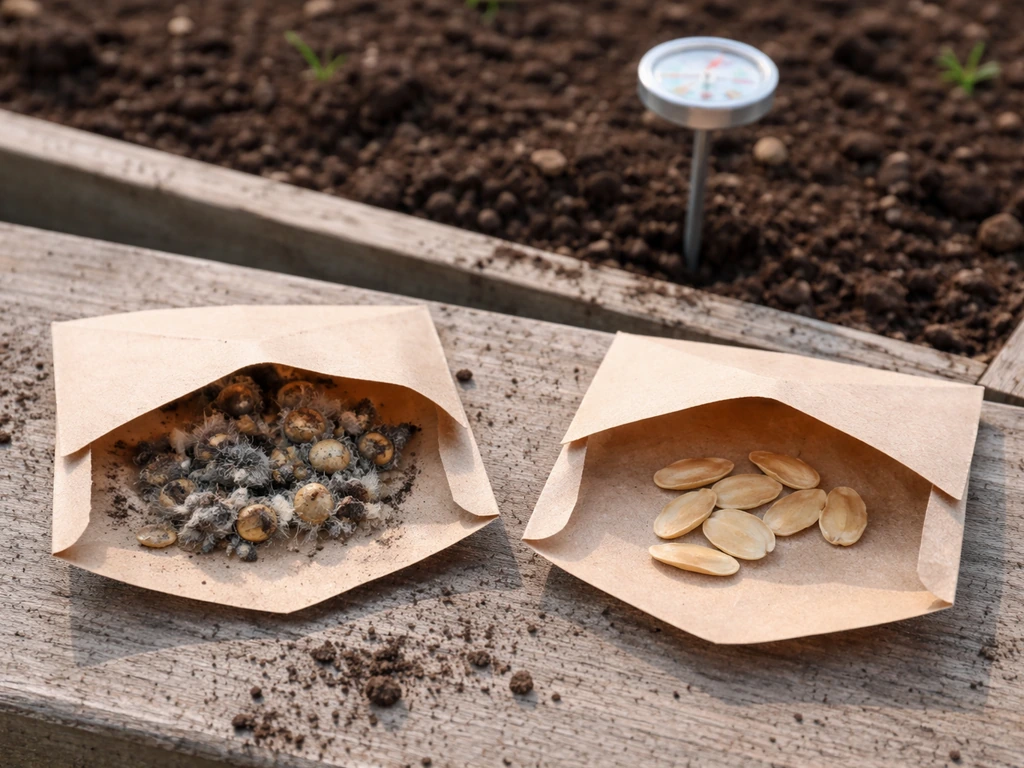
Seed sprouts in storage when moisture is too high. If your dried seed smells earthy, musty, or fermented after a few weeks in the container, it was not dry enough before storage. The fix is to spread it on a screen in a single layer for another week before resealing. Mold is a step beyond sprouting: visible fuzzy growth or a distinctly sour smell means the batch is compromised. Do not feed moldy seed to birds. Aflatoxins from mold on seeds, especially corn and peanuts, are genuinely toxic to birds. Compost or trash the affected seed and sanitize the storage container before reuse. Sprouting in the feeder is a separate issue covered in troubleshooting below.
Troubleshooting germination, mold, pests, and wet seed
| Problem | Likely cause | Fix | Prevention |
|---|---|---|---|
| Seeds not germinating in garden | Soil too cold, planted too deep, or seed too old | Check soil temp (needs 50°F+); replant at 1 inch depth; test seed viability in a damp paper towel first | Wait until after last frost; use fresh seed each season |
| Seed heads going moldy on the plant before harvest | Wet weather at maturity; heads too dense | Harvest at yellow-brown stage before full dry-down; dry indoors | Choose open-pollinated varieties; time planting to avoid late-season wet spells |
| Seed sprouting in the feeder | Seed sitting in damp conditions too long | Refill in smaller amounts; switch to mesh-bottom trays | Fill daily in wet weather; store extra seed indoors |
| Wet or clumped seed in storage | Inadequate drying before sealing | Spread seed on a screen for 1 more week; discard any moldy portions | Use a moisture meter (target below 10%) before sealing containers |
| Mold on stored seed | Moisture above 12–14%; warm storage | Discard affected seed; sanitize container with bleach solution | Dry thoroughly; store cool and airtight; check batches monthly |
| Rodents at or under feeders | Spilled seed on ground; low feeder position | Install baffle; sweep ground daily; use catch trays | Do not overfill; store seed in rodent-proof metal bins |
| Insects in stored seed | Weevils or grain moths already in seed at harvest | Freeze seed at 0°F for 4 days to kill insect eggs before storage | Inspect seed heads before bringing indoors; use airtight containers |
| Birds ignoring the feeder | Wrong seed for local species; seed gone stale or rancid | Smell test the seed: stale oil has a sharp rancid odor; replace if off | Match seed type to species present; keep batches fresh and rotating |
Species-specific tips and cleanup basics
Matching your crop to your visitors
Before you decide what to grow, spend a few mornings noting which birds actually use your yard. Growing a large millet crop when your yard is dominated by woodpeckers and nuthatches (who strongly prefer sunflower and suet) is a waste of space. Here is a quick species-to-seed reference for common backyard birds:
| Bird | Preferred homegrown seed | Feeder/tray style | Notes |
|---|---|---|---|
| Black-capped / Carolina chickadee | Black-oil sunflower | Tube feeder or small platform | Will cache seed; high feeder traffic year-round |
| American goldfinch | Nyjer, sunflower chips, coneflower seed | Nyjer tube feeder; platform for sunflower chips | Prefers fresh seed strongly; rejects rancid batches quickly |
| Northern cardinal | Sunflower, safflower | Platform tray or hopper feeder with wide ledge | Safflower deters squirrels and starlings without deterring cardinals |
| Dark-eyed junco | White proso millet, sunflower chips | Ground tray or low platform | Ground feeder; scattered seed suits them but attracts rodents |
| Mourning dove | Millet, safflower, sunflower | Ground or low platform | Heavy feeder; pair with catch tray to reduce seed waste |
| House / purple finch | Sunflower, nyjer | Tube feeder | Prefers elevated feeders; rejects damp or sprouted seed |
| White-throated / white-crowned sparrow | Millet, sunflower chips | Ground tray | Common fall and winter visitors in most of North America |
| Blue jay | Whole sunflower seed | Open platform or hopper | Caches seed in soil; may bury some near your garden beds |
Regional behavior notes
In the Pacific Northwest, wet winters mean seed in open trays can go soggy within hours. Use covered platform feeders or tube feeders and check for wet clumps daily from October through April. In the Southeast, high summer humidity is the main storage enemy: keep dried seed in the coolest indoor spot you have and check monthly for mold. In the Midwest and Northeast, seed in outdoor feeders during January thaw events gets wet and can refreeze into a solid block, which birds cannot access. Empty and refill feeders after any rain-or-freeze cycle.
Cleanup and food-safety basics
Feeder areas accumulate shells, hulls, feces, and spilled seed, all of which can harbor Salmonella, Aspergillus mold, and other pathogens that harm birds and, less commonly, humans who handle the feeders. Keep children and pets away from the ground directly under feeders. Wear gloves when cleaning feeders or sweeping up shells. Wash hands thoroughly afterward. Rake or shovel shell debris weekly in active feeding seasons. If you find a dead bird under or near your feeder, remove it with a bag over your hand, seal and dispose of it in the trash, and clean the feeder area with a bleach solution before birds return. These are not extreme precautions, just basic hygiene that keeps your feeding setup safe and sustainable long-term.
Your next steps
If you are starting now in late May, you still have a good window to direct-sow sunflowers and millet in most of the U.S. Pick up oilseed sunflower seed (not ornamental giant types, which have lower seed density) and white proso millet from a garden center or online. Get a bed or large containers ready this week, sow your first succession, and plan a second sow 3 weeks later. While you wait for harvest, it is worth reading up on what birds in your region are most likely to visit and whether nyjer seed is worth attempting for your climate. If you are trying to figure out what bird seed grows into indoors, you will usually need to choose sprout-friendly seed and provide proper light and moisture, because many types are designed for outdoor growing. Nyjer (nyjer bird seed) is also known as thistle seed, and it is commonly used for finches in specialized feeders nyjer seed. If you are wondering can corn grow from bird seed, the answer depends on whether the kernels are meant for planting and whether they have been processed or treated. The setup you build this summer, from garden bed to feeder to airtight storage bin, becomes a repeatable, low-cost system you can run every season.
FAQ
How much bird seed can I realistically harvest from a small plot or containers?
Yields depend mostly on sunflower spacing and plant maturity, but you can plan around succession plantings. If you stagger sunflowers every 2 to 3 weeks, you will harvest in waves, which makes it easier to process and keep seed fresh. Start with a volume you can dry within 24 hours to avoid moisture problems after harvest.
Can I grow bird seed indoors or on a windowsill to get earlier harvests?
You can start some crops indoors, but most backyard growers get better results with outdoor, sun-driven growth because seed set needs strong light and good airflow. If you try indoor growing, prioritize supplemental grow lights and use pots sized for the mature root needs, especially sunflowers, then plan on moving plants outdoors once temperatures are safe.
Do I need to wash or rinse homegrown seed before storing it?
No, rinsing often increases the moisture problem and can delay proper drying. After threshing, spread the seed in a single layer in a dry, airy area until it is fully dry to the touch, then store in a sealed container in a cool, dark spot to stay below the moisture level you need.
What’s the simplest way to tell if the seed is dry enough before storage?
Use smell and handling together. Properly dried seed should not smell musty or fermented, and the kernels should feel firm rather than damp or sticky. If there is any earthy or sour odor after a couple weeks, spread the seed out again in a single layer and reseal only after the odor and moisture behavior improve.
Can I plant the hulls and chaff from my harvest back into the garden?
It is not recommended. Hulls and chaff can carry mold, and many bird-seed “species” may have inconsistent germination because of processing or storage conditions. For regrowth, save clean, whole seeds only, and keep them dry in storage until planting.
How do I handle birds and squirrels during the final weeks before harvest?
You do not need to wait for complete head dryness, but you do need to harvest before wildlife strips the heads. For sunflowers, harvest as soon as seeds are firm and the head shows the right color change, then dry and process quickly. Using mesh or temporary netting over the crop can reduce losses right at the maturity window.
Is it safe to feed seed that is slightly dusty with hulls and debris?
A little chaff is usually fine, but the risk is moisture and mold growth. If your seed has any musty smell, visible fuzzy growth, or feels clumped from humidity, do not feed it. Removing most chaff before storage and using a dry feeder setup reduces mold risk and keeps hull buildup from spiking.
My sunflower seeds sprout in the storage bin. What exactly should I do next?
If they sprout, moisture was too high. Spread the seed on a screen in a single layer and let it dry for another week in a dry, ventilated area, then repackage in airtight storage once odor and texture are normal. Also check your storage container for lingering moisture sources before reusing it.
What feeder type works best for storing seed outdoors in cold regions?
In freezing-and-thawing climates, choose feeders that reduce soaking, and empty and refill after rain or freeze events. Tube feeders or covered platform feeders help prevent seed from sitting wet and turning into a hard, inaccessible block during thaw refreeze cycles.
How often should I clean homegrown seed and feeder areas to prevent disease?
During active feeding seasons, clean based on what you see: raked or swept shell buildup weekly, and immediate cleanup of spilled seed and droppings under feeders. If you handle dead birds or heavy contamination, wear gloves, bag and dispose properly, then sanitize the feeder area before birds return.
Next Article
What Bird Seed Looks Like When It Grows (Germinates)
See bird seed from dry to sprouted stages, spot healthy growth vs mold or pests, and fix wet seed safely.