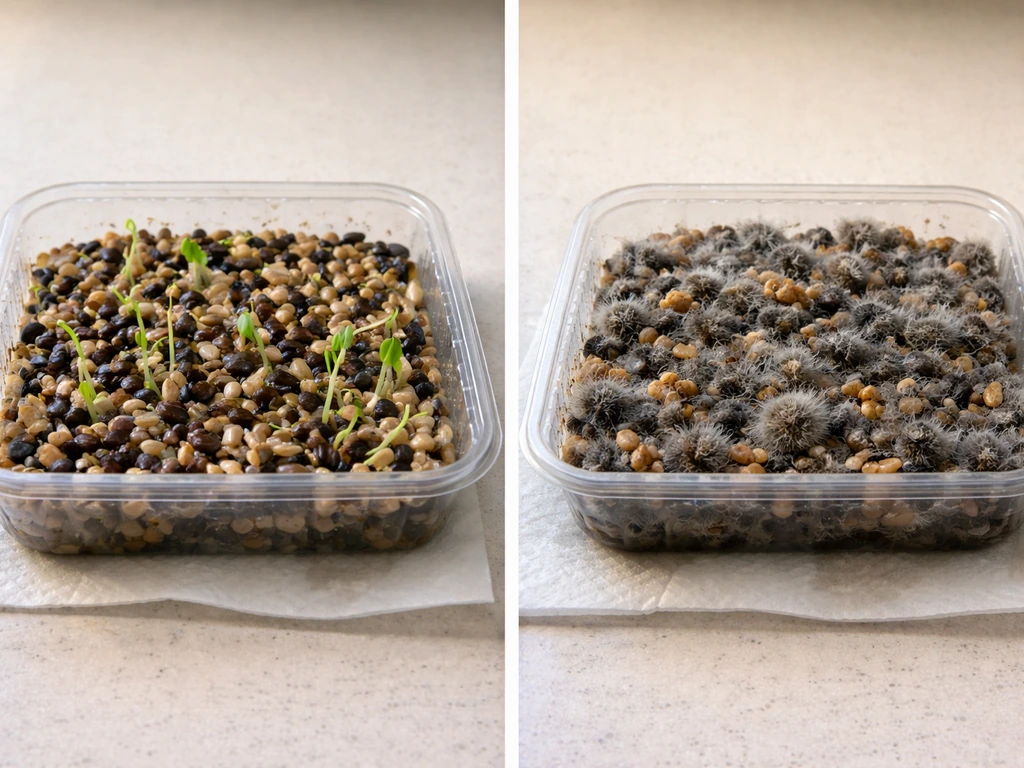
Most nyjer bird seed sold in the U.S. will not sprout or grow, even when it gets wet. Commercial Nyjer® seed is heat-treated at high temperatures specifically to devitalize it, which means the embryo inside the seed is killed before it ever reaches your feeder. That said, heat treatment is not 100% foolproof, and untreated or poorly processed seed can germinate under the right conditions. So the practical answer is: commercially sold Nyjer® is extremely unlikely to sprout, but wet nyjer in a feeder is still a real problem because mold, spoilage, and bacterial growth happen fast regardless of whether the seed actually germinates.
Will Nyjer Bird Seed Grow? Germination Tests and Setup
Maya Collins
15 Jun 2026
Does nyjer seed actually sprout? The real story
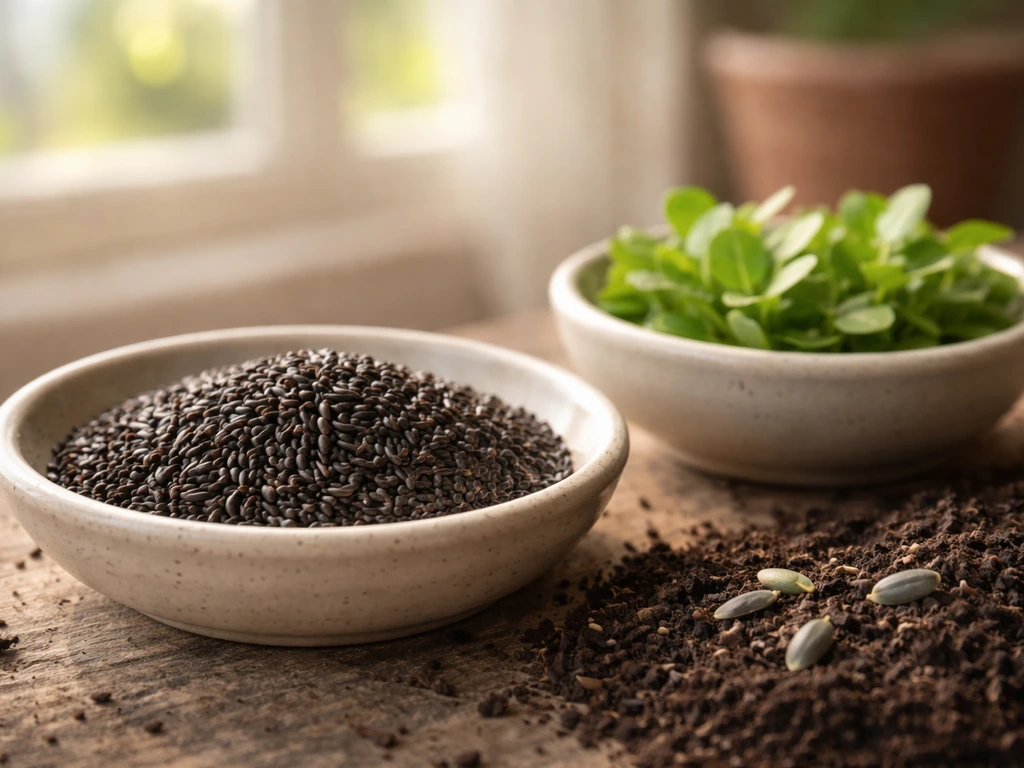
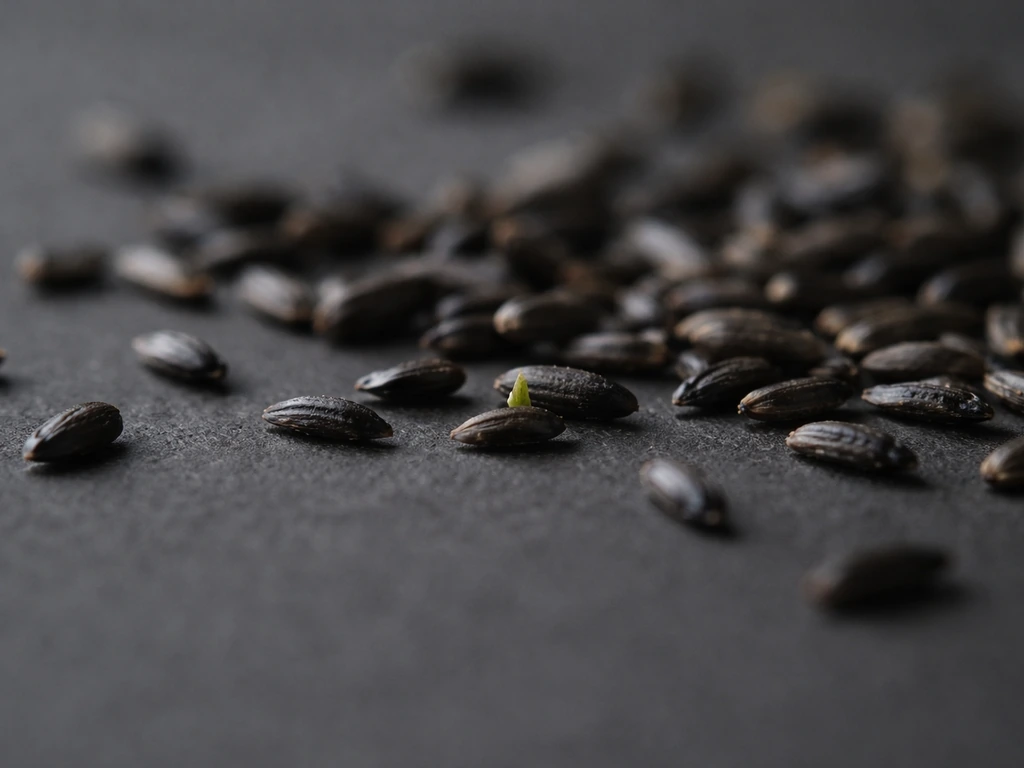
Nyjer is the trademarked name for Guizotia abyssinica, an oilseed crop from Ethiopia and India. It is not derived from thistle plants at all. The name 'Nyjer' was introduced partly to avoid confusion with noxious thistle species. When imported into the U.S., Nyjer® seed is required by the Wild Bird Feeding Institute's standards to be heat-sterilized to prevent germination of any weed seeds mixed in with the lot. This high-heat sterilization step is the key reason fresh, commercial nyjer almost never sprouts.
Research on Guizotia abyssinica germination shows that untreated seed can germinate, but it needs specific conditions: consistent moisture, temperatures in the range of 20–30°C (68–86°F), and adequate light. Alternating temperature cycles with both light and dark periods can actually improve germination rates in viable seed. The moment you apply sustained high heat during processing, though, that potential is gone. Think of it like a hard-boiled egg: it looks the same on the outside, but the biology inside has changed permanently.
What conditions would nyjer need to germinate
If you ever encounter nyjer that was not properly heat-treated (say, from a less reputable supplier or an international source), here is what it would need to actually sprout. Understanding these conditions also helps you recognize why standard feeder environments are not great for germination, and what to avoid if you want to keep your feeder zone clean.
| Condition | What Viable Nyjer Needs | Typical Feeder Environment |
|---|---|---|
| Moisture | Consistent dampness, not saturated | Wet from rain or splashing: possible |
| Temperature | 20–30°C (68–86°F), ideally alternating | Variable, often achieved in summer |
| Light | Continuous light or defined light/dark cycles | Exposed feeders get adequate light |
| Soil contact | Direct contact with growing medium | Usually absent in tube feeders |
| Time | Several days of stable conditions | Seed is often replaced before this |
The main reason you rarely see nyjer sprout under feeders is the soil contact issue. Seed sitting in a tube feeder or on a tray does not have stable contact with soil, and it dries out or gets eaten long before conditions become right. On the ground below feeders, it is more possible, but again, devitalized commercial seed stops the process before it begins.
How to safely test whether your nyjer seed is viable
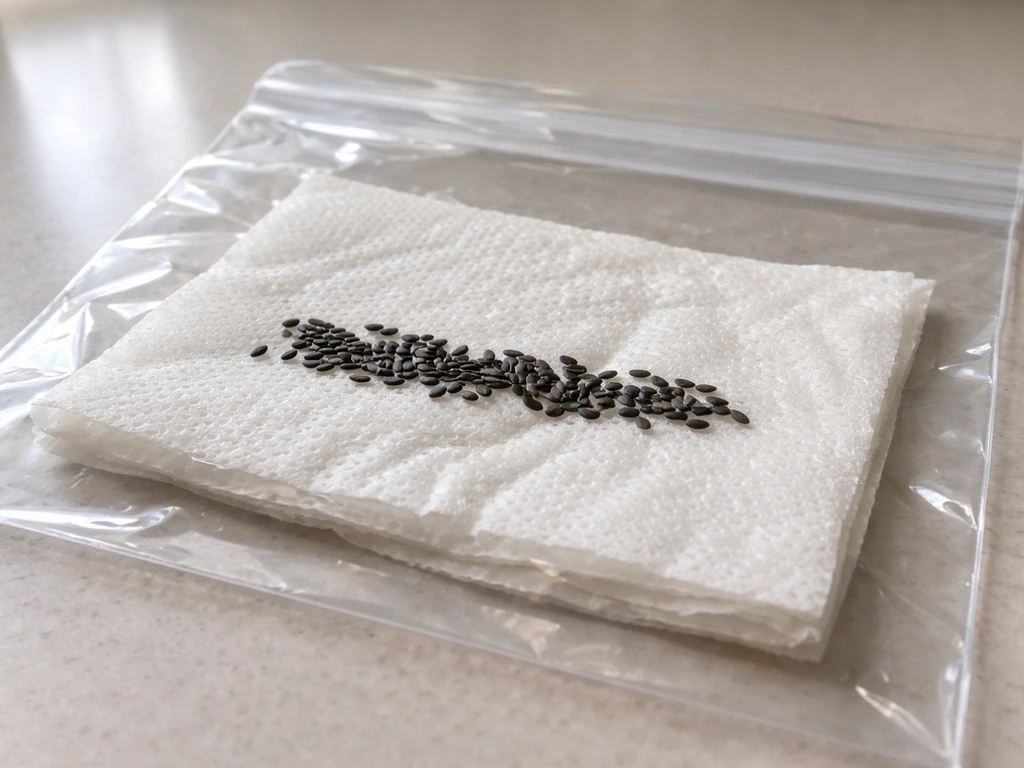
If you are curious whether a batch of nyjer you have will sprout (useful for checking seed quality or freshness), you can do a simple germination test at home without risking your yard or spreading anything outdoors. This method is controlled, low-mess, and gives you a clear answer in about a week.
- Count out 20–25 nyjer seeds from the bag you want to test.
- Dampen a paper towel so it is moist but not dripping. Fold it in half.
- Place the seeds between the layers of the damp paper towel.
- Slip the paper towel into a zip-lock bag and seal it loosely (leave a small air gap).
- Set the bag somewhere warm, around 20–25°C (68–77°F), near a window with indirect light.
- Check it daily. Re-moisten the towel if it starts to dry out.
- After 7–10 days, count how many seeds have a visible sprout or root tip. This is your germination rate.
If fewer than 5 out of 25 seeds sprout (a 20% germination rate or below), the seed is either properly devitalized or too old to be viable. Properly treated commercial Nyjer® will show zero or near-zero germination. If you see a higher rate, the batch may not have been adequately heat-treated, and you will want to be cautious about leaving it in wet conditions outdoors. Discard any sprouted seed from the test into the trash, not compost or garden beds.
Germination control vs. intentionally growing nyjer in your backyard
Most backyard birders are dealing with this question from the prevention side: they found wet or clumped nyjer in a feeder and want to know if it is going to sprout and make a mess. A smaller group actually wants to grow Guizotia abyssinica as a garden plant to attract birds naturally. These are two very different goals with different strategies. What grows from bird seed is usually determined by the type of seed in the mix, plus moisture, temperature, and light.
If you want to prevent sprouting and keep things tidy
- Buy only Nyjer® branded seed from reputable suppliers that follow heat-treatment protocols.
- Store unused seed in an airtight container in a cool, dry place. Do not store it in a hot garage or shed in summer.
- Use tube feeders with small ports specifically designed for nyjer. The tight ports reduce spillage onto the ground where wet soil contact could occur.
- Move feeders away from birdbaths or sprinkler splash zones to keep seed dry.
- Clean tube feeders every one to two weeks, and more often during wet weather. Damp seed left in feeders for more than a day or two will spoil even if it cannot sprout.
- Put only as much seed in the feeder as birds will eat in two to three days during summer, and four to five days in dry winter conditions.
If you actually want to grow nyjer as a plant
Growing Guizotia abyssinica intentionally requires untreated seed, which means the standard bag of Nyjer® from a bird supply store will not work. You would need to source agricultural seed specifically sold for planting. If you’re wondering what bird seed can grow into indoors, the answer depends on the type of seed mix and whether it’s been processed to stop germination.
If you can get viable seed, plant it after your last frost in a sunny spot with well-drained soil, once temperatures are consistently above 20°C (68°F). The plant grows to about 1–2 meters tall and produces yellow daisy-like flowers. For most backyard birders in the U. S.
, though, growing it intentionally is more of a garden project than a practical bird-feeding strategy, and sourcing viable seed takes extra effort.
Why sprouting failed: troubleshooting common mistakes
If you ran the paper towel test and got zero germination, or you tried planting nyjer from a feeder bag and nothing happened, here are the most likely reasons.
| Problem | Likely Cause | Fix or Prevention |
|---|---|---|
| Zero germination in paper towel test | Seed was properly heat-treated (expected) | Use seed as bird feed; it is working as intended |
| Old seed that still will not sprout | Viability drops sharply after 1–2 years even in untreated seed | Buy fresh seed; check the bag's pack date |
| Seeds rotted before sprouting | Paper towel was too wet or bag was fully sealed (no airflow) | Use damp, not soaking, towel and leave a small air gap |
| Some seeds sprouted but died quickly | Temperature too low (below 18°C) or inconsistent | Move to a consistently warmer spot, avoid air-conditioned rooms |
| Mold appeared but no germination | Seed was contaminated or the test environment was too humid | Discard, clean container, and try again with fresh seed |
| Planted outdoors but nothing grew | Commercial nyjer is devitalized; outdoor soil conditions also vary | Source unsterilized agricultural Guizotia seed for planting |
Mold, pests, and keeping things hygienic when seed gets wet
Even though commercial nyjer will not sprout, wet nyjer is still a genuine problem. Project FeederWatch notes that nyjer seed is so small that it requires a special feeder with very small feeding ports to prevent spillage blank" rel="noopener noreferrer">wet nyjer is still a genuine problem. Nyjer is an oily, fine seed that compacts easily when damp, and it spoils faster than shelled sunflower. Mold can develop within 24–48 hours during warm, humid weather. Birds, especially finches, will often refuse to eat clumped or off-smelling seed, which means it just sits there and gets worse.
Signs of spoiled or moldy nyjer
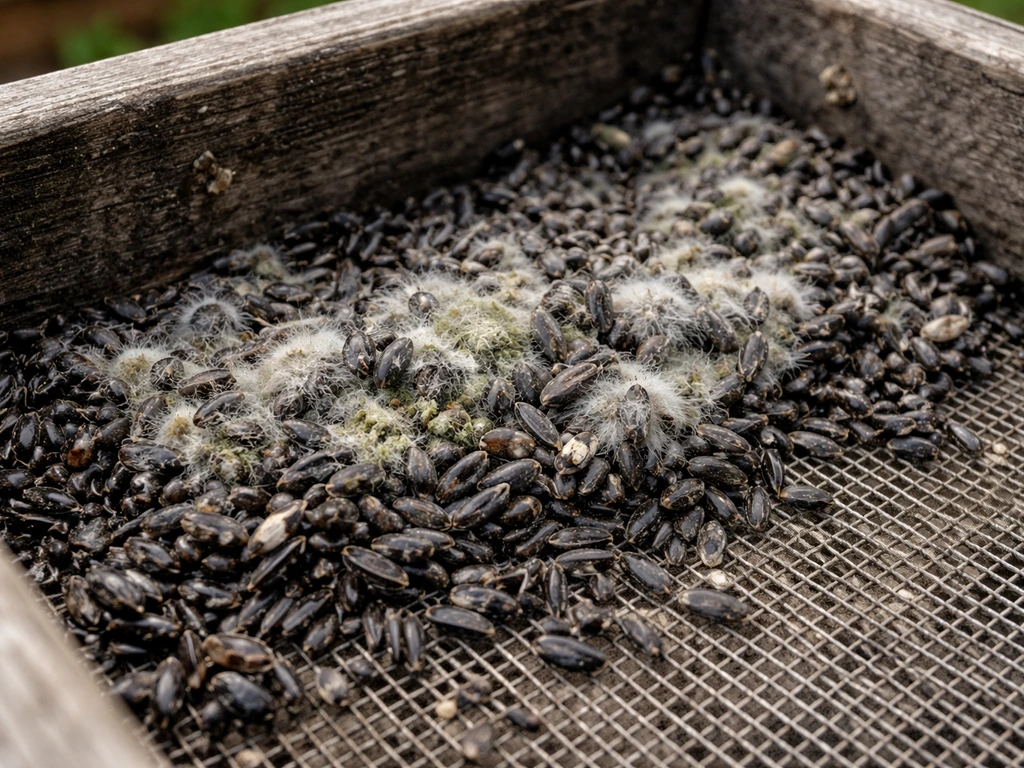
- Seeds clump or mat together in the feeder tube or tray.
- Visible gray, white, or green fuzz on or between seeds.
- A musty or sour smell when you open the feeder.
- Seed has darkened or turned from its normal black/dark gray color.
- Birds that were regularly visiting stop coming.
Cleaning up wet or moldy nyjer safely
- Empty the feeder completely. Put all seed in a sealed bag and discard it in the trash.
- Disassemble the feeder and rinse with hot water to loosen compacted seed.
- Scrub all surfaces with a dilute bleach solution (1 part bleach to 9 parts water) or white vinegar. A bottle brush works well inside tube feeders.
- Rinse thoroughly with clean water and let the feeder air-dry completely before refilling. This step matters: refilling a damp feeder defeats the purpose.
- Wipe down any surrounding tray, pole, or hook where seed or debris landed.
- Check the ground below the feeder. Rake up any fallen nyjer and dispose of it. Damp seed on soil is more likely to attract rodents and insects than to sprout, but either way it should go.
Pest risks from wet seed
Wet, decomposing seed under feeders attracts insects, particularly fungus gnats and small beetles, and can draw in mice or voles looking for easy calories. In warmer climates or during summer months, a single week of neglect can create a visible pest problem. Keeping the area under feeders raked, and not letting waste seed accumulate, is the most effective prevention. If you use a catch tray under a tube feeder, clean and dry it every few days in summer, not just weekly.
What finches and other birds do around sprouted or wet seed
American Goldfinches are the most common visitors to nyjer feeders, and they are reliably picky. Goldfinches will turn their beaks up at wet, clumped, or stale nyjer and simply move on to a neighbor's cleaner feeder. Their diet is almost entirely seeds, and nyjer is a high-energy favorite during migration and breeding season, so losing their visits because of spoiled seed is a real consequence worth avoiding.
House Finches and Purple Finches also use nyjer feeders, though they are a bit more tolerant of slightly older seed. Pine Siskins, common winter visitors in much of the U.S., are avid nyjer eaters and will sometimes clean out a feeder surprisingly fast. All of these species strongly prefer fresh, dry seed over anything damp or matted.
If nyjer has partially sprouted (which again is rare with commercial seed but possible with improperly treated batches), birds may or may not eat it. A very early sprout, where just the seed coat has cracked and a tiny root tip is visible, is generally not harmful to birds. But at that stage the seed is already degrading in nutritional quality and will mold quickly. The safe call is to discard and replace it rather than leave sprouted seed out. Do not try to dry and re-feed partially sprouted seed.
Feeder setup tips to keep finches happy and seed dry
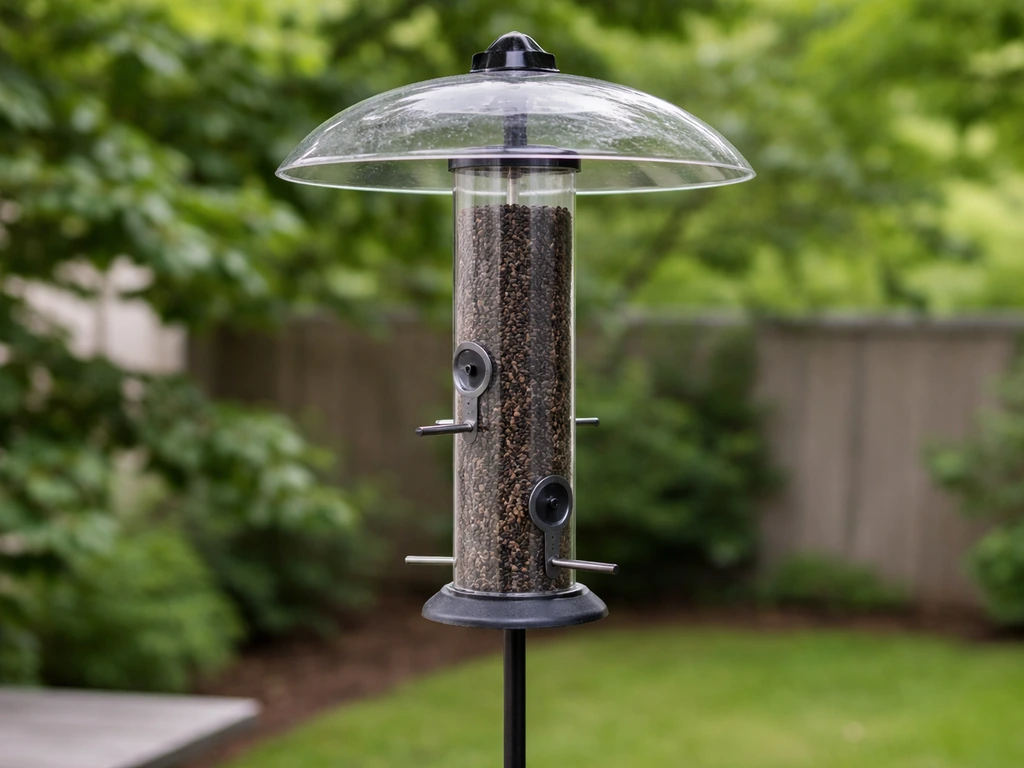
- Use a tube feeder with tiny ports designed specifically for nyjer. This reduces spillage and keeps seed inside the tube, away from weather.
- Choose feeders with a weather guard or dome above the feeding ports if you live in a rainy climate.
- Hang feeders under a roof overhang or tree canopy to reduce direct rain exposure.
- Keep feeders at least 3 feet away from birdbaths and sprinklers to avoid splash contamination.
- In hot and humid summers (particularly in the Southeast and Gulf Coast), reduce the amount you fill feeders and refresh seed every two to three days.
- In dry climates or winter, seed lasts longer, but still check for any condensation or moisture inside the tube after cold snaps.
If you are interested in how nyjer compares to other seeds that are more likely to sprout under feeders, or what other plants commonly grow from scattered bird seed, those are separate but related questions worth looking into. However, it is not the typical bird-seed use case to get actual sprouts or to see what bird seed looks like when it grows, since nyjer is often heat-treated to prevent germination.
Some gardeners wonder what plants grow from bird seed, and the answer depends on the type of seed and the conditions around it what other plants commonly grow from scattered bird seed. Other common plants that grow from scattered bird seed depend on the type of seed, the weather, and whether the seed is viable.
Nyjer is one of the least likely seeds to cause a sprouting problem precisely because of the heat-treatment step, which is a real advantage over mixes containing millet, sunflower, or corn.
FAQ
If my Nyjer gets wet in the feeder, will it grow in my yard?
Not usually. Most commercially sold Nyjer is heat-treated so the embryo cannot develop, so even if it gets wet it is very unlikely to sprout. The practical risk is spoilage instead, mold and bacteria can build up fast in warm, humid weather, even without visible germination.
Can improperly heat-treated Nyjer actually sprout?
Yes, but only if the seed is untreated or improperly processed. A batch with viable seed can germinate when moisture is consistent and temperatures are roughly in the 68 to 86°F range, especially with light exposure. If you want to be sure, run a small germination test first rather than leaving it outside.
What should I do with sprouted seeds from my paper towel germination test?
Do not reuse it outdoors. If your test shows any sprouting, throw the sprouted seeds away in the trash, and clean the test setup. Composting can still spread viable seed depending on how hot your compost reaches, so it is safer to discard.
How can I tell whether wet Nyjer is spoiled even if nothing has sprouted?
If you see clumping or a sour or musty smell, treat it as spoiled. Even without germination, oily fine seeds like Nyjer compact when damp, and mold can develop in 24 to 48 hours in warm weather. Remove the wet batch and replace with fresh, dry seed.
What cleaning schedule prevents Nyjer spoilage under feeders?
A very common mistake is leaving a catch tray or ground area damp. For feeders with trays, clean and dry on a short cycle in summer, every few days rather than weekly, and rake up waste underneath. This cuts down both spoilage and insect attraction.
Is there a safe way to check Nyjer freshness or viability without risking my yard?
If you want a quick quality check, it is better to test a small batch indoors than to try to “test by feeding.” Also avoid adding fertilizer, using soil, or keeping it in the open outdoors because those conditions can accidentally create the exact moisture and light pattern viable seed needs.
Should I dry and re-feed Nyjer that started to sprout?
Yes. If any seeds partially sprout, birds may still eat them, but the nutritional value is already declining and they will mold quickly. The safest approach is to discard sprouted seed promptly and replace with dry seed rather than trying to dry it and re-feed.
Why do my finches stop eating even though the seed is Nyjer?
Heat-treated seed can still compact and cake when damp, which can lead to birds rejecting it. If your feeder ports clog or seed looks matted, clean the feeder, remove the caked layer, and refill with fresh dry Nyjer to keep finches feeding.
If some Nyjer is viable, will birds spread it around and cause plants?
Yes, birds can spread leftover viable seed, but the bigger concern is you will not get reliable growth from treated Nyjer. If you are testing for viability, do it indoors in a controlled setup, keep the area enclosed, and prevent any spilled seeds from reaching soil.
Do I need to use different seed or methods depending on whether I want birds versus actual plants?
The most effective next step is to separate the two goals. For feeding, prioritize dryness, frequent waste cleanup, and fast feeder sanitation. For growing Guizotia abyssinica, you need agricultural planting seed sold for propagation, not standard bagged Nyjer, and you should plant after your last frost in well-drained sun.
Next Article
What Does Bird Seed Grow Into Indoors? Sprout or Mold
How birdseed changes indoors: sprout with moisture or mold and pests if damp. Safety tips, cleanup, and safe storage.