If you have backyard ducks or are offering seed as an occasional supplement to wild mallards, this guide will tell you exactly what is safe, what to skip, and how to do it without creating a mess, a pest problem, or a health risk for the birds.
Which bird seeds are safe for ducks (including wild ducks and mallards)
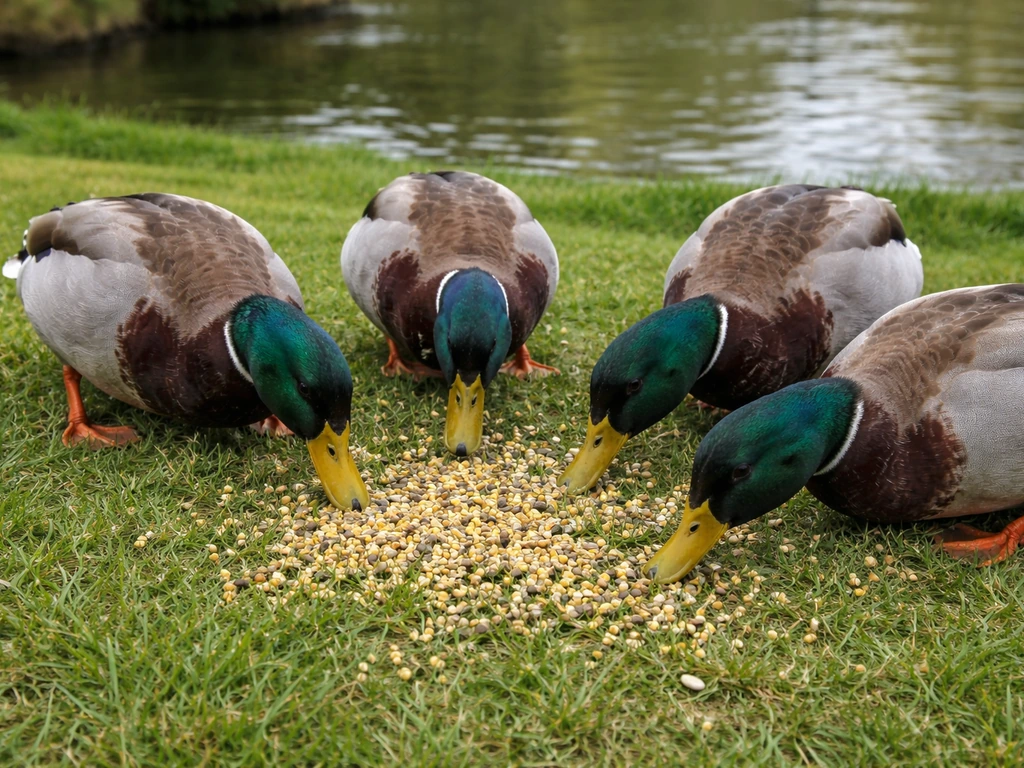
Not all seed types are equal for ducks. The seeds that work best are whole, unprocessed, and easy for a duck to swallow without choking. Cracked corn is probably the single most duck-friendly option in most standard bird seed mixes: it is energy-dense, inexpensive, and both wild mallards and domestic ducks eat it readily. Plain millet (white or red) is another solid choice. Whole sunflower seeds (with or without shells) are fine for adult ducks in moderation, though hulled sunflower chips are easier for them to manage. Plain oats, barley, and wheat are all acceptable whole grains that ducks handle well.
The seeds to be cautious about are the heavily salted or flavored varieties you sometimes find in mixed bags, and any seed that has been treated with pesticides or fungicide coatings (common in agricultural seed stock, not typical retail bird seed, but worth checking the bag). Standard wild bird seed mixes marketed for songbirds often contain a lot of nyjer (thistle) seed and safflower, which ducks will eat but find less palatable and less nutritious compared to grains. A mix built around cracked corn, millet, and sunflower seed is the most duck-appropriate blend you can buy off the shelf.
One thing to watch: Audubon's feeding guidance notes that birds frequently toss unwanted seed to the ground when foraging through a mix. With ducks this happens a lot, and rejected seed sitting on wet ground near water becomes a spoilage problem fast. Keep that in mind when you choose your mix and set up your feeding area.
| Seed Type | Safe for Ducks? | Notes |
|---|
| Cracked corn | Yes | Best option; energy-dense and easy to eat |
| White or red millet | Yes | Good secondary grain |
| Hulled sunflower chips | Yes | Easier than whole seeds for ducks to manage |
| Whole sunflower seeds | Yes (in moderation) | Fine for adults; harder for ducklings |
| Oats (plain, uncooked) | Yes | Good whole grain supplement |
| Nyjer (thistle) | Acceptable | Low palatability for ducks; not a primary food |
| Safflower | Acceptable | Ducks will eat it but rarely prefer it |
| Salted or flavored seeds | No | Salt is harmful to ducks in excess |
| Treated/coated seed | No | Pesticide or fungicide coatings are toxic |
Ducklings vs adult ducks: what to feed and what to avoid
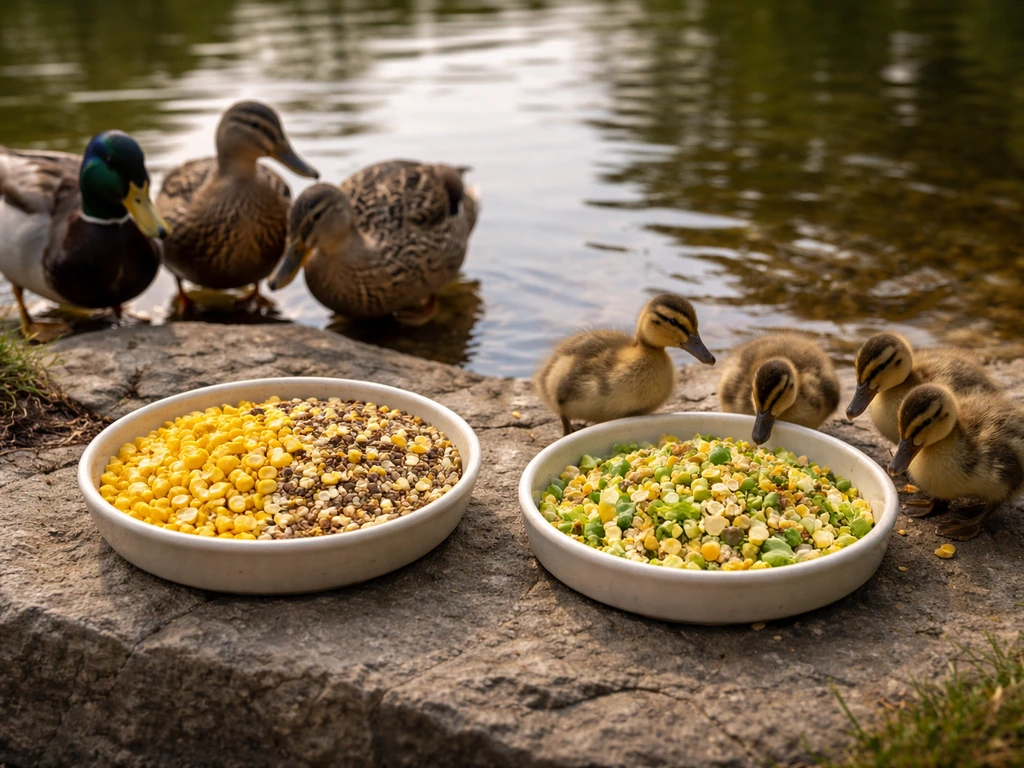
Adult ducks can handle a wider range of seed types and sizes than ducklings can. For ducklings under about 4 weeks old, whole sunflower seeds and large kernel corn are genuine choking hazards. If you are feeding young ducks, stick to finely cracked corn, small millet, and oats that have been softened slightly in water. Ducklings also have higher protein requirements than adults during their growth phase, so seed alone is not an adequate diet for them. Supplementing with a proper waterfowl starter feed (typically 20 to 22 percent protein) is much better if you are raising ducklings at home.
For wild ducklings you encounter at a pond, the honest advice is to hold back on the seed entirely. Wild ducklings are foraging insects, aquatic invertebrates, and soft plant matter from their first days of life. Seed is not harmful in tiny amounts, but it displaces those nutrient-dense natural foods. If you feel compelled to offer something, a very small amount of plain cracked corn or millet scattered at the water's edge is the least disruptive option. Do not offer bread, crackers, chips, or any processed human food, which are genuinely harmful to ducklings and adults alike.
Adult ducks, including wild mallards, are much more resilient and can handle the same seed types covered in the section above. The key limits for adults are salt (keep it zero), mold (discard anything that smells off or looks discolored), and quantity. Treat seed as a supplement, not the primary diet, even for backyard flocks that also graze pasture.
Feeding methods: how to offer seed safely
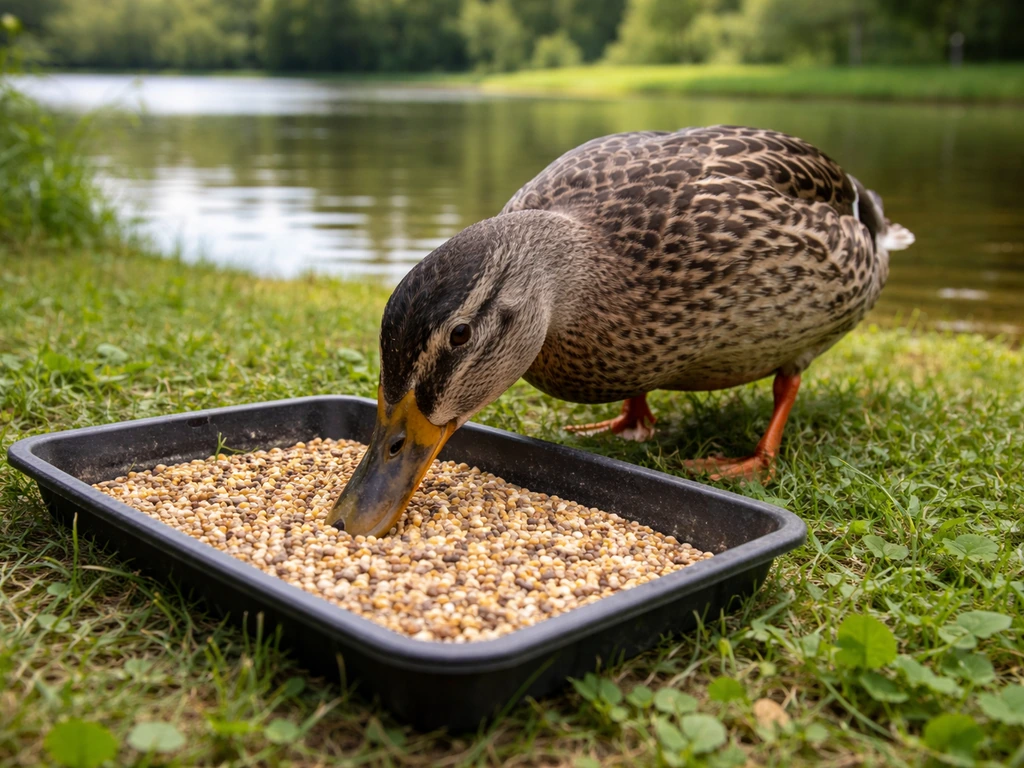
How you offer the seed matters just as much as what you offer. Ducks do not use hanging tube feeders designed for songbirds. They are ground feeders by nature, so your best options are a wide, flat tray at ground level or simply scattering seed directly on a clean, dry surface. If you are feeding near a pond or stream, scatter seed a few feet back from the water's edge rather than right at the shoreline. This keeps uneaten seed from washing directly into the water, where it rots quickly and contributes to algae and bacterial growth.
For backyard ducks, a shallow rubber or plastic tray works well. Aim for no more than a quarter cup of seed per adult duck per feeding session, offered once or twice a day. This keeps consumption manageable and reduces the amount of leftover seed sitting on the ground. For wild ducks at a park or pond, keep portions even smaller: a small handful total is enough.
Overfeeding wild waterfowl is one of the issues wildlife agencies flag most often. MassWildlife and similar state agencies point out that supplemental feeding of wildlife can attract much larger numbers of animals than intended, including predators, which changes flock behavior and local habitat in ways that are hard to reverse. MassWildlife and similar state agencies caution that [supplemental feeding of wildlife](https://www. mass.
gov/info-details/avoid-feeding-wildlife) can attract far more animals than intended, including predators, and can increase competition and risk.
If you keep both domestic poultry and wild birds in your yard, you may already be mixing feeds for different species. The same logic that applies when you feed chickens bird seed applies here: always check that whatever mix you use lacks additives harmful to poultry and waterfowl, and keep feeding stations species-specific when practical.
Seed spoilage troubleshooting: wet, sprouted, and moldy seed
Wet seed is the number one problem when feeding ducks, because ducks live near water and often drag seed toward wet areas or dip seed-covered bills directly into their water dish. Wet seed clumps and begins to ferment within 24 hours in warm weather (above 60 degrees Fahrenheit), and within 48 to 72 hours in cooler conditions. If the seed smells sour, feels slimy, or has visible clumping, discard it. Do not try to dry it and reuse it.
The question of whether birds will eat wet bird seed has a short answer: some will, but that does not make it safe, and ducks are especially likely to consume contaminated seed because they forage at ground level where wet seed accumulates.
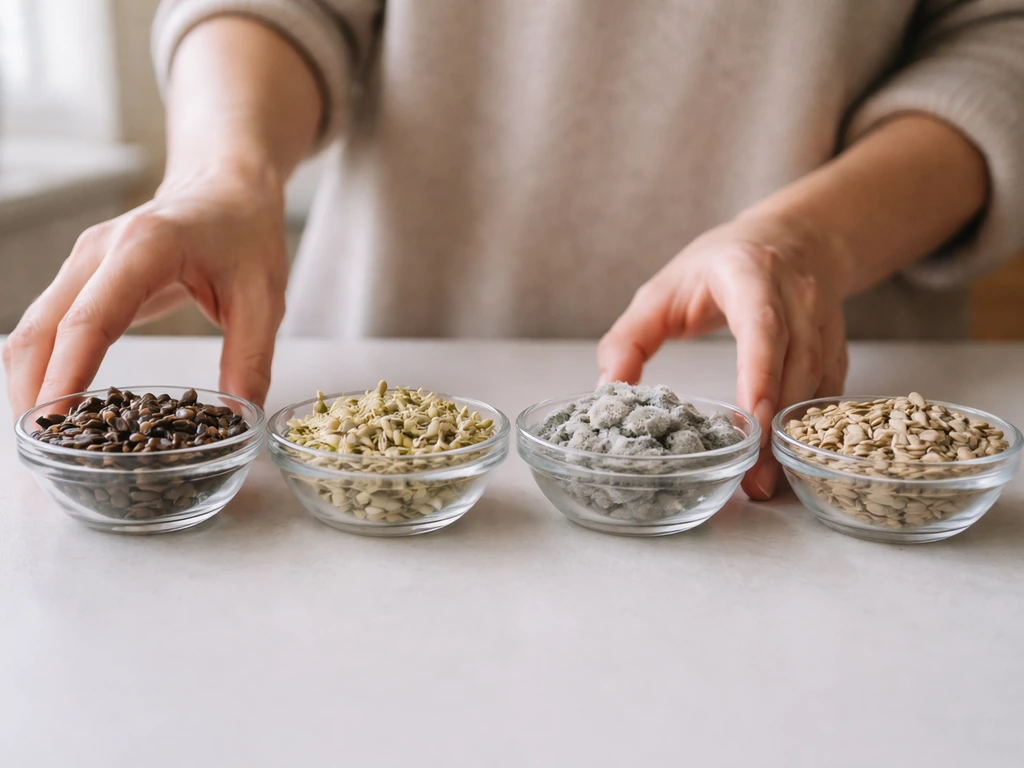
Sprouted seed is a separate category. If seed has been damp long enough to germinate, the sprouts themselves are not toxic to ducks. In fact, lightly sprouted grain is often more digestible and has slightly higher bioavailability of certain nutrients. The risk is what comes with the sprouting environment: moisture, warmth, and organic material make an ideal setting for mold.
Inspect sprouted seed carefully. If you see any gray, green, or black fuzz, or if it smells musty, throw it out. If the sprouts are clean and white and the seed smells fresh, ducks can eat it. You can also intentionally sprout clean seed in a jar, rinse it daily, and offer it as a supplement after 2 to 3 days.
Moldy seed is a hard no for ducks, full stop. Aflatoxins produced by Aspergillus molds (common in corn and sunflower seed stored in humid conditions) are highly toxic to waterfowl. Signs of mold include visible fuzzy growth, a musty or ammonia-like smell, and seed that has clumped into solid masses. There is no safe way to salvage moldy seed. Bag it, seal it, and dispose of it in an outdoor bin away from animals.
Here is a quick cause-fix-prevention breakdown for the three most common spoilage scenarios:
- Wet seed: cause is rain, duck bill contact, or proximity to water. Fix: discard and replace immediately. Prevention: use covered trays, offer smaller portions, and position feeding areas away from water's edge.
- Sprouted seed: cause is sustained moisture over 24 to 48 hours. Fix: inspect carefully; use clean sprouts, discard any with mold. Prevention: feed smaller portions and remove leftovers within an hour of offering.
- Moldy seed: cause is humidity during storage or prolonged wet exposure. Fix: discard the entire batch. Prevention: store seed in airtight containers in a cool, dry location and inspect before every feeding.
Storage, pests, and exclusion tips to keep seed fresh and clean
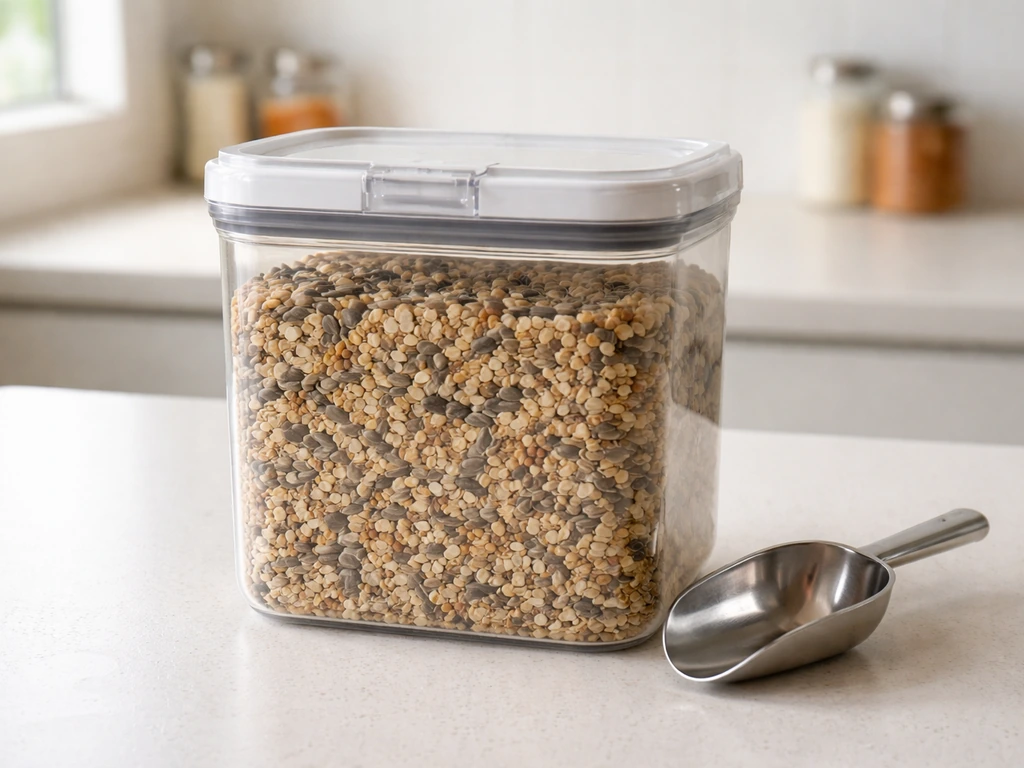
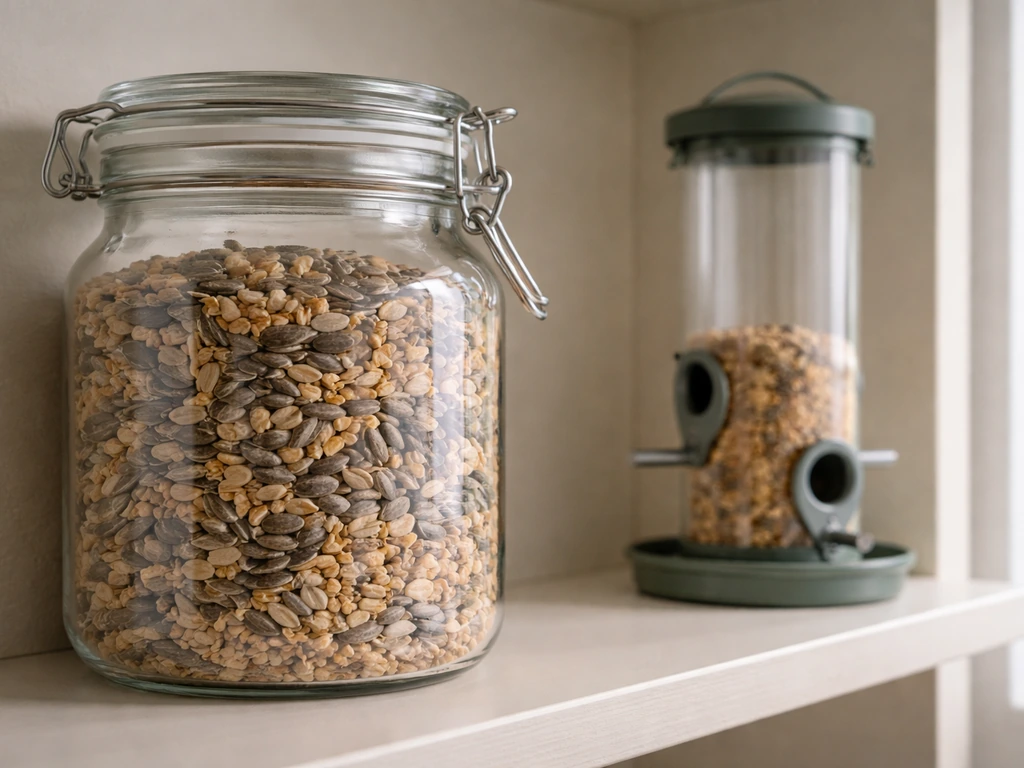
Proper storage is the single biggest factor in seed quality over time. The baseline rule is airtight, rodent-proof containers in a cool, dry space. Metal galvanized cans with locking lids are the gold standard because rodents cannot chew through them and they seal out moisture. A 20-gallon metal can holds roughly 50 pounds of seed and is enough for most backyard setups. Plastic bins work in a pinch but are more vulnerable to both moisture and pests. Avoid storing seed in paper bags or open buckets under any circumstances.
Temperature matters: seed stored above 70 degrees Fahrenheit for extended periods loses nutritional value faster and becomes more vulnerable to mold and insect infestation. A garage, shed, or basement that stays below 65 degrees is ideal. In humid climates (the southeastern US, Pacific Northwest, coastal areas), consider adding a small desiccant pack inside the storage container and replacing it monthly.
Common pests attracted to stored seed include mice, rats, squirrels, weevils, and moth larvae. If you open a bag and see small moths, webbing, or tiny beetles, the seed is infested. Discard it and clean the container with a diluted bleach solution (1 tablespoon bleach per gallon of water), rinse thoroughly, and let it dry completely before refilling. For ongoing pest exclusion: keep storage containers off the floor on a shelf or pallet, inspect incoming seed bags before pouring them into storage, and do not store seed near compost or garbage bins that attract rodents.
It is worth noting that seed mixes with a lot of milo or filler grains tend to generate more waste because birds and ducks reject them, and rejected seed on the ground is a direct invitation for rodents. Choosing a cleaner mix with cracked corn, millet, and sunflower reduces waste and reduces the pest footprint around your feeding area.
Cleanup and safety: hygiene, leftovers, and discouraging unwanted pests
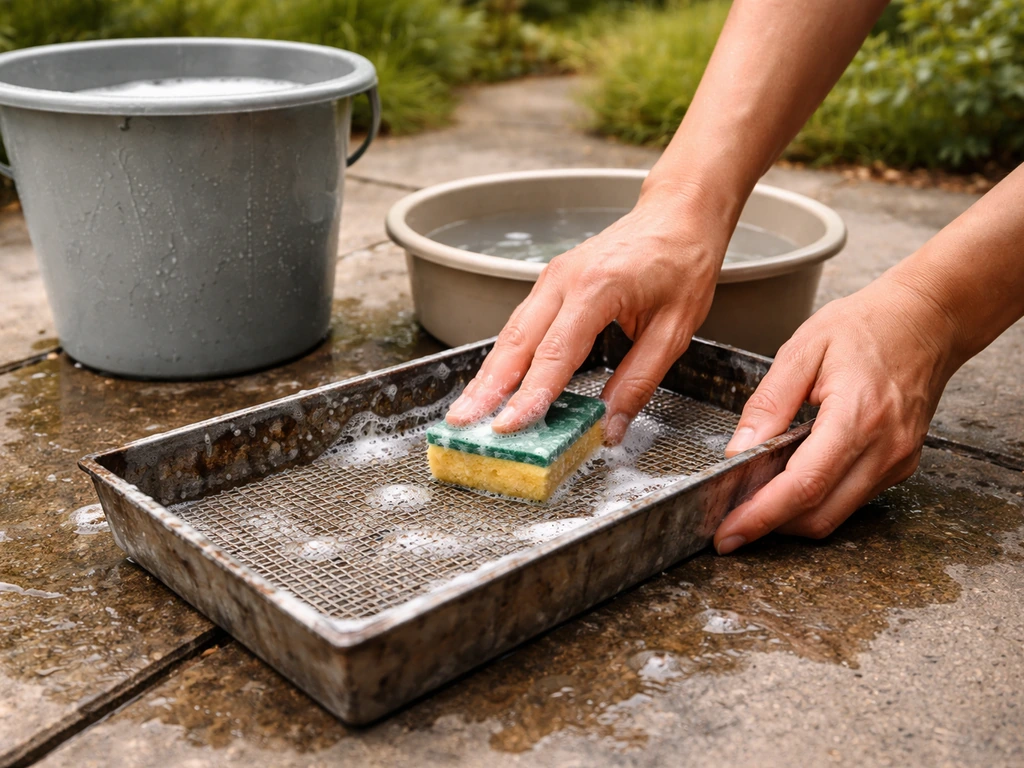
Feeding ducks creates more mess than feeding songbirds at a hanging feeder. Ducks scatter seed, leave droppings in high concentrations, and can contaminate a feeding area quickly if you are not staying on top of cleanup. The practical minimum is to remove all uneaten seed within 1 hour of feeding in warm weather and within 2 to 3 hours in cold weather. Use a flat scoop or dustpan to collect leftover seed and droppings, and dispose of it in a sealed outdoor bin or compost pile away from your feeding station.
Scrub feeding trays every 3 to 5 days with the same diluted bleach solution used for storage containers. Rinse thoroughly and allow to air dry before the next use. Duck droppings carry Salmonella and other pathogens, so always wash your hands after handling trays, scooping seed, or cleaning the feeding area. This is basic hygiene that protects you and prevents disease from cycling back into your flock.
If you are feeding near a shared pond or public green space, be mindful that large seed deposits attract more than just ducks. Rats, crows, geese, and gulls all respond to reliable food sources. USDA APHIS guidance specifically discourages feeding wildlife, partly because of this cascade effect where feeding one species draws in many others and shifts local wildlife behavior in lasting ways. Keeping portions small, cleaning up promptly, and avoiding daily feeding at the same spot are the most effective ways to minimize this dynamic while still being able to offer seed occasionally.
For anyone curious about the seed itself beyond just feeding wildlife, there is interesting crossover with questions like whether you can eat bird seeds yourself or whether bird seed is edible for humans, since many of the same whole grains (sunflower, millet, oats) are indeed food-grade ingredients in other contexts. The short version: plain, untreated seed from a reputable supplier is generally fine, but that is a separate conversation from what belongs in a duck's diet.
If you want to add variety to what you are offering at the feeding station, you can also look at combining seed with protein sources. Mixing mealworms with bird seed is a popular option for backyard bird feeders, and ducks do eat mealworms readily, especially during breeding season when protein demand is higher. Just keep quantities modest and do not let the mealworm-seed mix sit in wet conditions, as the protein content accelerates spoilage.
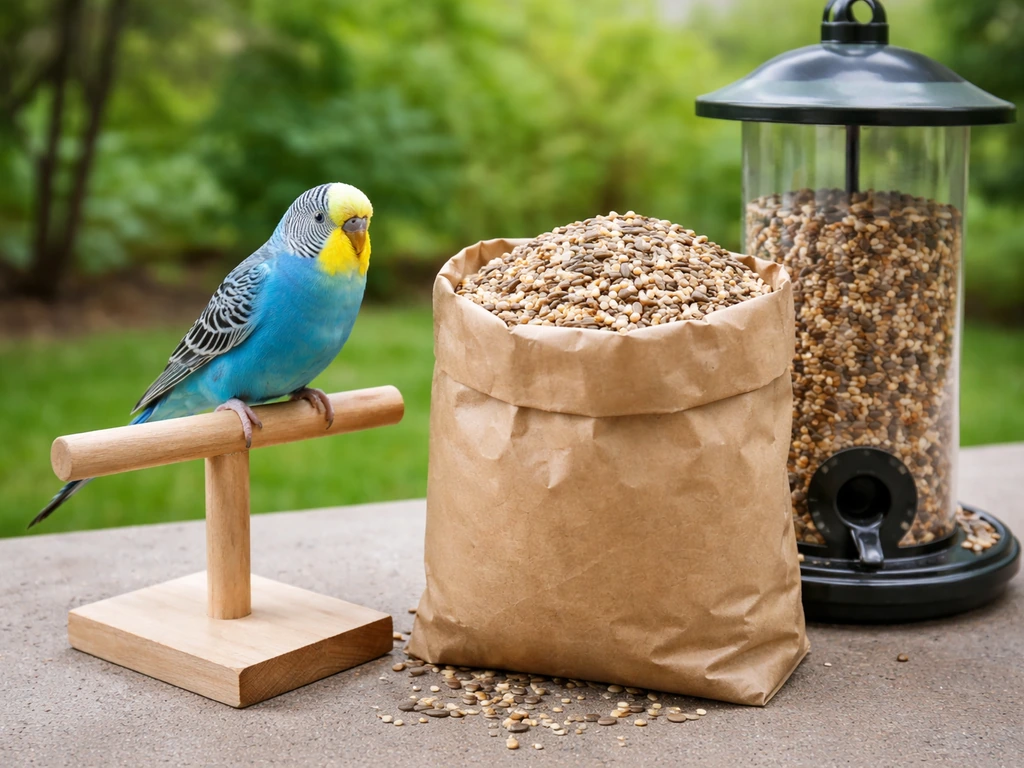
One final note on pet birds and seed crossover: if you keep caged birds alongside backyard ducks, be aware that not all seed marketed for wild birds is appropriate across the board. The same seed safety questions that come up when asking whether budgies can eat wild bird seed illustrate this point well: species-specific nutrition matters, and a mix designed for songbirds is not optimized for every bird in your care. For ducks, the baseline is always whole grains, low salt, no mold, and fresh water nearby.