Yes, technically you can eat bird seed and not immediately drop dead, but that doesn't mean it's safe or a good idea. The short answer depends heavily on what kind of bird seed you're talking about. Plain, untreated sunflower seeds from a bird seed bag are essentially the same species of seed as the ones sold for human snacking, just not processed to food-grade standards. Mixed bird seed blends, though, are a different story: they often contain ingredients that weren't selected with human digestion in mind, and the storage and handling conditions they go through create real contamination risks. So before you pop a handful, here's what you actually need to know.
Can You Eat Bird Seed? Safety, Risks, and Safer Alternatives
Maya Collins
7 Apr 2026
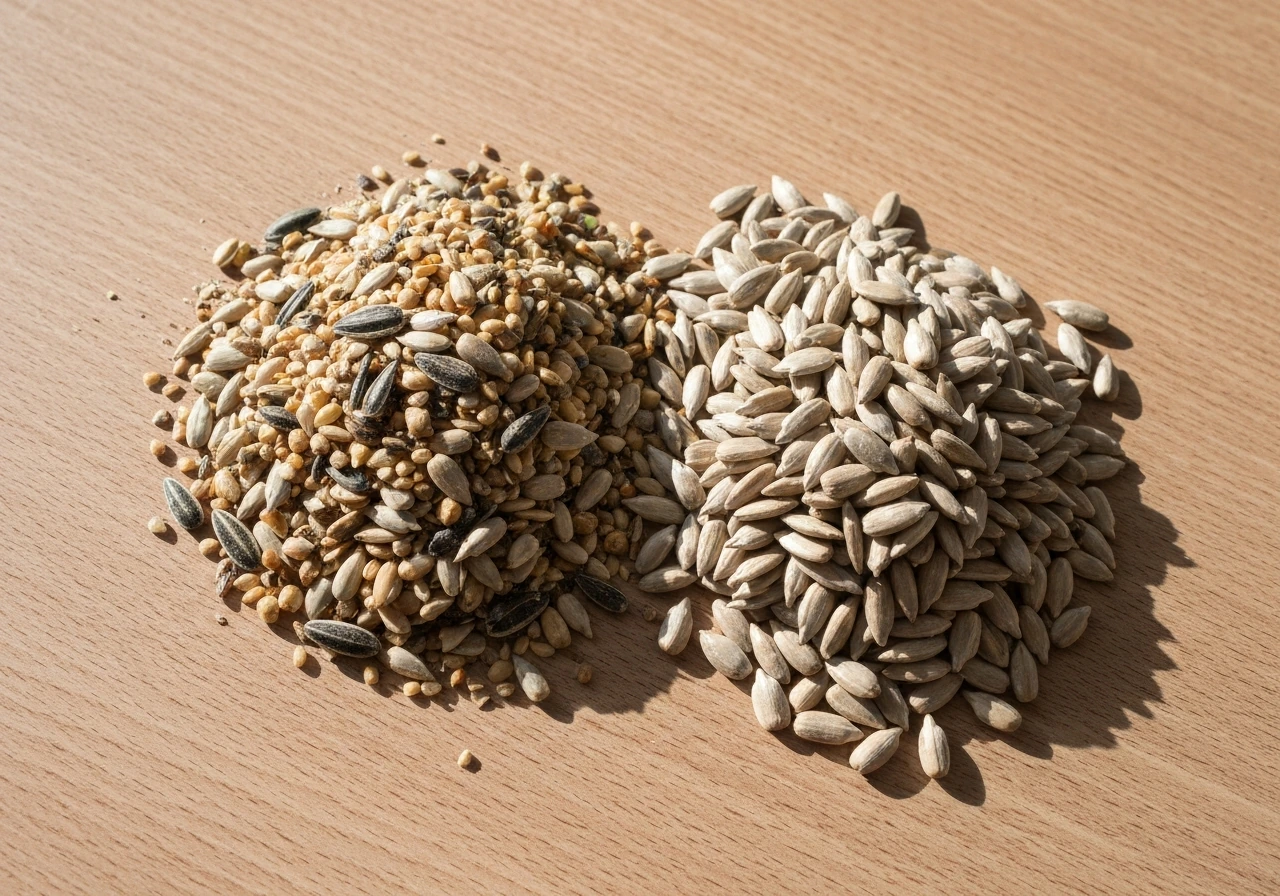
Bird seed vs. bird sunflower seeds: the key difference
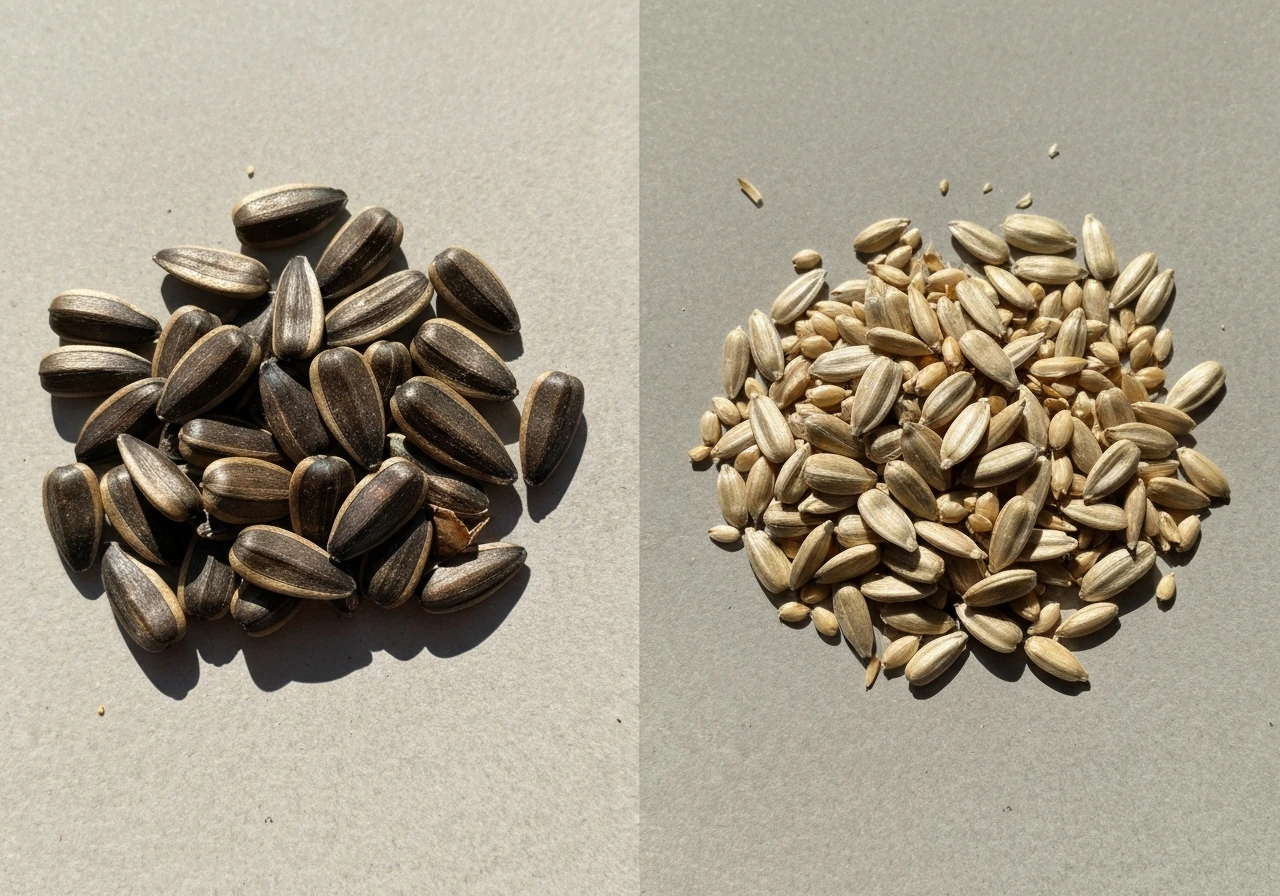
A lot of people searching this question are specifically wondering about the sunflower seeds they see in bird seed blends, sometimes labeled 'black oil sunflower seeds.' These are the same species (Helianthus annuus) as the sunflower seeds sold in the snack aisle. In that narrow sense, the seed itself is not toxic. But 'bird sunflower seeds' are not the same as food-grade sunflower seeds, and that gap matters a lot. Food-grade sunflower seeds are cleaned, tested, and stored under conditions that meet human food safety standards. Bird seed is not held to those same standards: it may contain dust, hull debris, insect fragments, rodent traces, or fungal contamination that a food producer would screen out. The seeds are also often sourced and stored in bulk without the humidity controls that protect human food from mold.
Mixed bird seed blends add another layer of complexity. They typically combine sunflower seeds with milo, millet, cracked corn, safflower, nyjer (thistle), and sometimes dried fruit or peanut pieces. Cracked corn and peanuts in particular are high-risk items for aflatoxin contamination when stored in damp conditions, and the blend isn't formulated for human nutrition. So when people ask 'can you eat bird seed,' the answer splits: the sunflower seeds inside the bag are lowest-risk, but eating a scoop of mixed bird seed is a much bigger gamble.
What's actually in bird seed and how it differs from human food
Bird seed ingredients are not mystery items. Most blends are made from recognizable agricultural crops. What separates bird seed from human food is the grade and the processing. Human-grade seeds go through cleaning, drying, sorting, and often roasting or salting steps that also kill surface pathogens. Bird seed skips most of that. The seeds may carry field soil, pesticide residues from the growing process, and storage contaminants picked up in large commercial bins or bags.
Some bird seed is also chemically treated before sale. Under 7 CFR § 201.31a, treated seed must carry a label indicating what treatment was used, and seed treated with highly toxic substances must display a skull-and-crossbones symbol and wording like 'Treated with Poison.' These treatments are designed to prevent fungal disease on the seed or to deter rodents from raiding planted seed in a field. If you're looking at a bag of bird seed and it has any treatment warnings on the label, do not eat it, period. Even a small amount of some seed treatments can be harmful to humans.
There's also the wildlife contamination angle. Once bird seed sits in a feeder outdoors, it gets contacted by bird droppings, saliva, and sometimes rodent activity. That's separate from whatever was in the bag to begin with. Wet bird seed left in a feeder for more than a few days is particularly problematic because moisture activates mold growth and creates conditions that can concentrate harmful microbial loads on the seeds. If you're considering eating seed that came out of a feeder rather than a sealed bag, skip it entirely.
The real health risks: mold, contamination, treatments, and pests
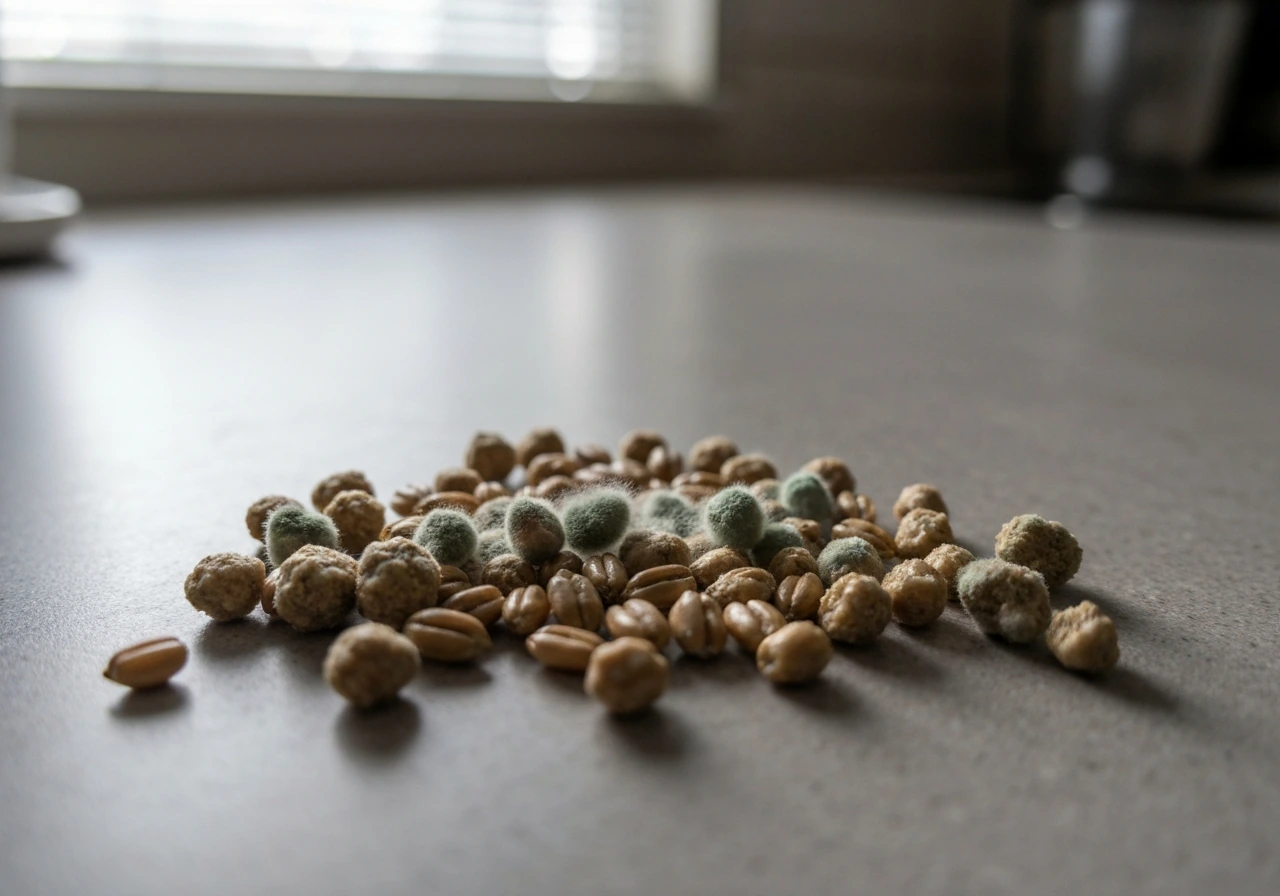
Mold and mycotoxins
This is the biggest risk with bird seed. Cereal grains and seeds are highly susceptible to fungal growth when exposed to humidity, rain, or even morning dew over time. USDA FSIS also notes that mold can produce mycotoxins, so foods with mold-producing conditions should be discarded depending on moisture level and the type of food Cereal grains and seeds are highly susceptible to fungal growth when exposed to humidity, rain, or even morning dew over time.. Texas Parks and Wildlife has flagged that seeds left in feeders for a week or more under damp conditions carry a significantly higher risk of mold and aflatoxin accumulation. Aflatoxin is produced by Aspergillus molds and is one of the most potent naturally occurring carcinogens known. The FDA sets an action level of 20 parts per billion for aflatoxin in certain animal feed ingredients and human food commodities, and it considers mycotoxins including aflatoxins, deoxynivalenol (DON), fumonisins, ochratoxin A, and others as serious food safety concerns. Temperature and humidity during storage are the primary factors the FDA highlights as driving whether mold will grow and whether toxins will form. Bird seed, often stored in garages, sheds, or outdoors, is rarely kept under the climate-controlled conditions that keep these risks low.
People with weakened immune systems or underlying lung conditions face a higher risk from Aspergillus exposure specifically. The CDC notes this group should take extra precautions to avoid breathing in Aspergillus spores, which means even handling moldy bird seed is a concern for them, let alone eating it. The WHO also classifies mycotoxin risk in food as a serious hazard warranting risk management, not something to shrug off.
Chemical treatments
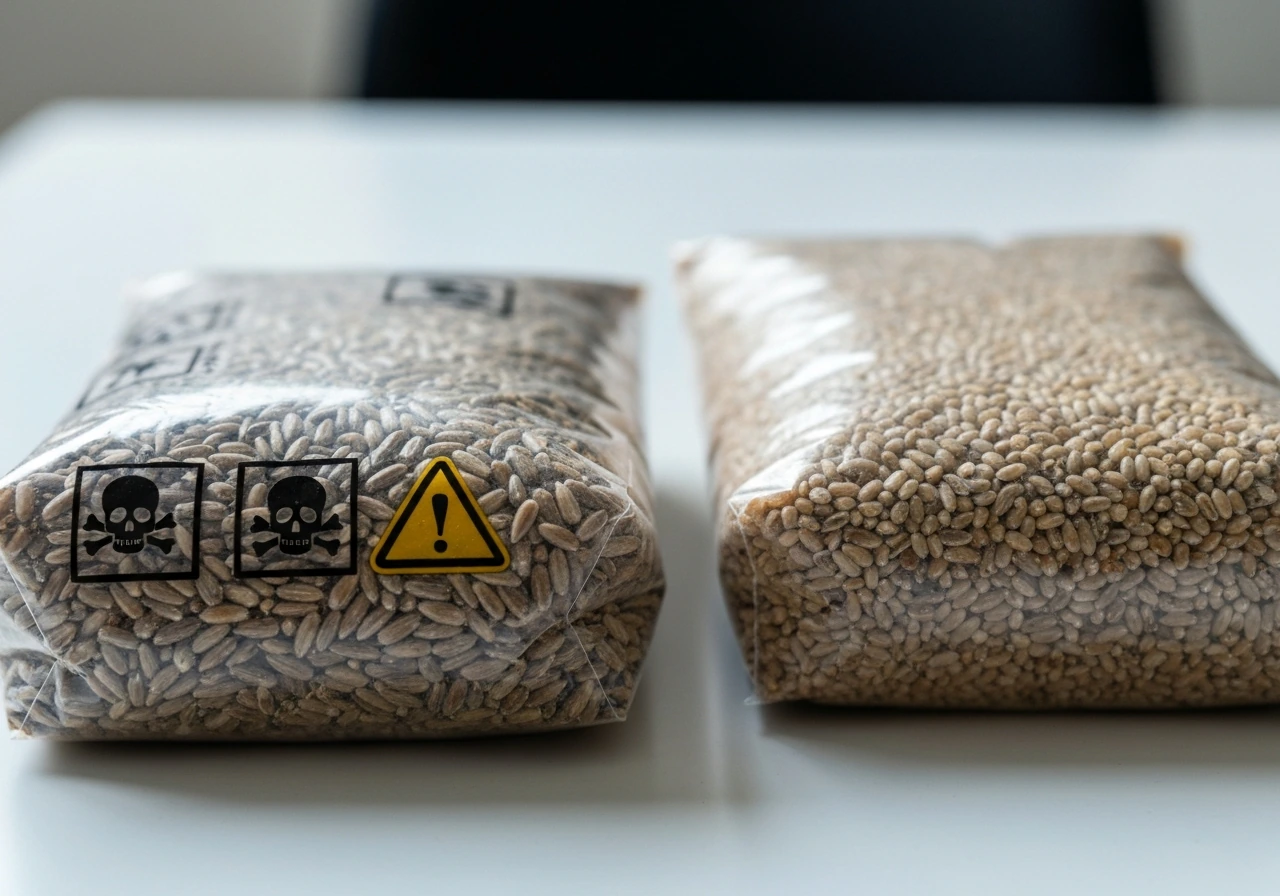
Not all bird seed is treated, but some is, especially seed sold for gardening purposes or in agricultural feed contexts. USDA Agricultural Marketing Service labeling requirements for chemically treated seed require clear disclosure of what treatment was applied. If a bag has any warning language, treatment disclosures, or chemical product names listed on the label alongside seed ingredients, treat that as a hard stop. Don't eat it, and wash your hands thoroughly after handling it.
Bacterial contamination and pest exposure
Bird feeders attract a wide range of animals beyond the intended birds. Squirrels, mice, and rats regularly visit feeders and seed storage areas. Their droppings can contaminate seed with Salmonella, E. coli, and other pathogens. Even a sealed bag can be contaminated if the warehouse or retail environment had pest activity. This is one area where bird seed is genuinely different from food-grade product: the supply chain doesn't include the food safety checkpoints that would catch this.
Choking and nutritional fit
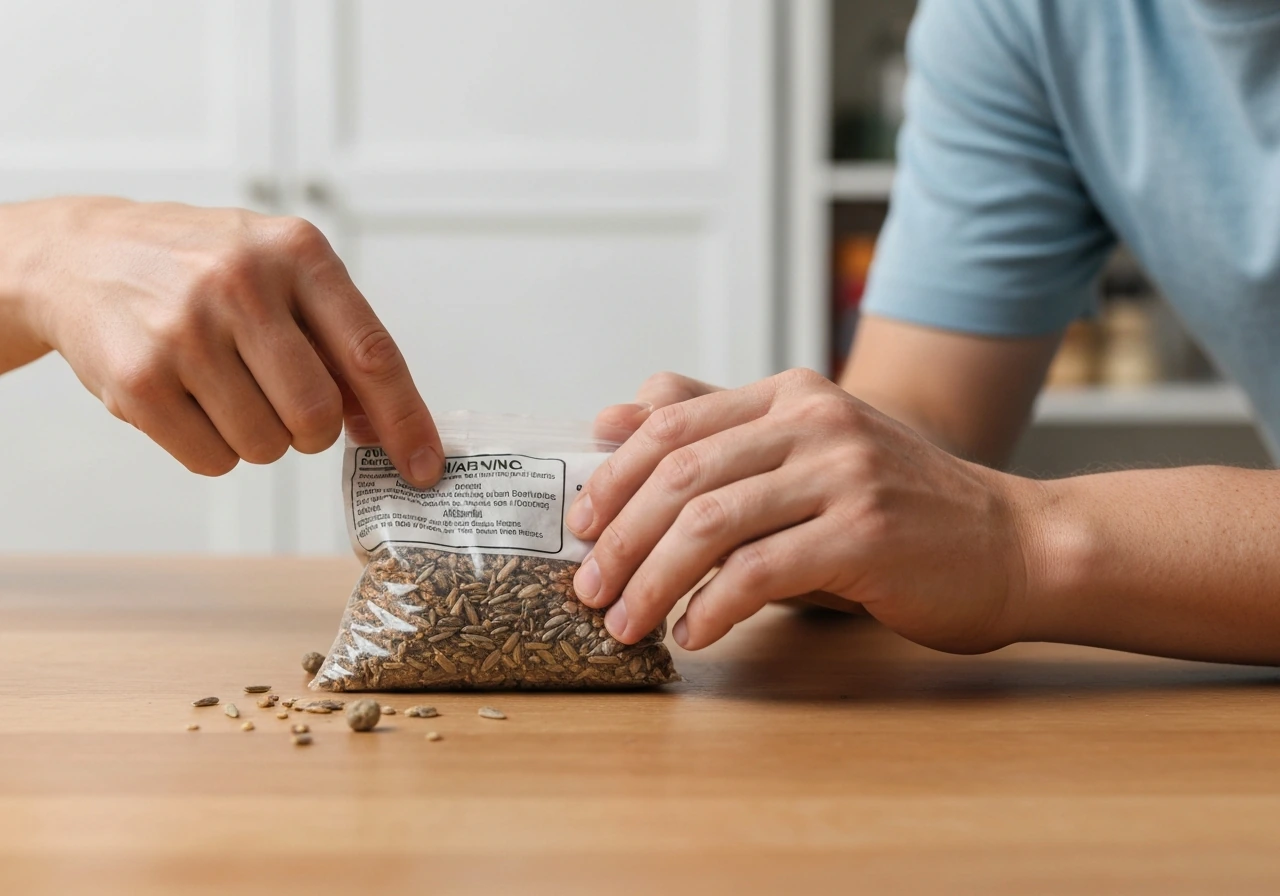
Some bird seed components like whole dried corn, large peanut pieces in shell fragments, and sharp hull debris are not prepared with human anatomy in mind. They're not sized or softened for easy chewing and swallowing. Eating them raw and dry carries a choking risk, especially for children. Bird seed also has no particular nutritional benefit for humans compared to food-grade alternatives: the caloric content is real, but it comes packaged with all the risks above and none of the food safety guarantees.
How to evaluate a specific bag or batch before eating
If you or someone in your household has already eaten bird seed, or you're seriously considering it, here's how to assess the specific bag or batch you're dealing with.
- Check the label for treatment warnings first. Look for skull-and-crossbones symbols, any mention of fungicide, insecticide, rodenticide, or chemical treatment, or the words 'Treated with Poison.' If any of these appear, stop here.
- Smell the bag. Fresh, uncontaminated bird seed should smell faintly nutty or grain-like. A musty, sour, or chemical smell is a sign of mold or treatment contamination.
- Look for visible mold. White, gray, blue, green, or black dusty patches on seeds, or seeds clumped together in a way that suggests moisture exposure, are clear disqualifiers.
- Check storage conditions. Was this bag stored in a dry, cool area and kept sealed? Or has it been sitting in a humid garage, exposed to outdoor moisture, or open for weeks? Poor storage dramatically increases mycotoxin risk.
- Look at the age of the bag. Bird seed doesn't have the same shelf-life labeling requirements as human food, but older seed that's been stored improperly is far riskier than recently purchased, sealed seed.
- Check whether it came from a feeder rather than a sealed bag. Seed from an outdoor feeder should be considered contaminated regardless of its appearance, given bird and pest contact.
Even if a bag passes all of those checks, you're still eating a product not intended for human consumption. A small accidental taste from a sealed, untreated bag of plain sunflower seeds is a very different risk level than eating a cupful of old mixed seed from a damp storage bin. The difference between a nibble and a meal matters here, not because small tastes are officially 'safe,' but because dose is a real factor in how mycotoxins and contaminants affect the body.
If you already ate bird seed: what to do right now
First, don't panic based on the act of eating it alone. If you ate a small amount of plain, untreated bird seed from what appears to be a properly stored, uncontaminated bag, your risk of serious immediate harm is low. But you should still take the following steps.
- Remove anything remaining in your mouth and rinse with water.
- If the seed was from a treated bag (any treatment warning labels were present), call Poison Control immediately at 1-800-222-1222. This line is staffed 24/7 and the experts there will tell you exactly what to do based on what treatment was used and how much was eaten.
- If the person who ate it is unconscious, convulsing, or having trouble breathing, call 911, not Poison Control. America's Poison Centers is clear that those symptoms require emergency services first.
- If there are no immediate symptoms but you're concerned (for example, the seed was moldy, came from a feeder, or you're unsure whether it was treated), call Poison Control anyway. Their guidance: call even if there are no symptoms yet, because symptoms from some contaminants are delayed.
- Watch for symptoms over the next few hours: nausea, vomiting, abdominal cramping, diarrhea, or signs of allergic reaction. If any of these appear, seek medical care and tell the provider what you ate.
- If a child ate bird seed, call Poison Control right away regardless of the amount, since children are more vulnerable to lower doses of contaminants.
Mayo Clinic's poisoning first-aid guidance also recommends not inducing vomiting unless specifically instructed by a medical professional or Poison Control, since vomiting can sometimes worsen exposure to certain substances. Let the experts guide your next steps once you've called.
Safe alternatives: how to eat sunflower seeds the right way
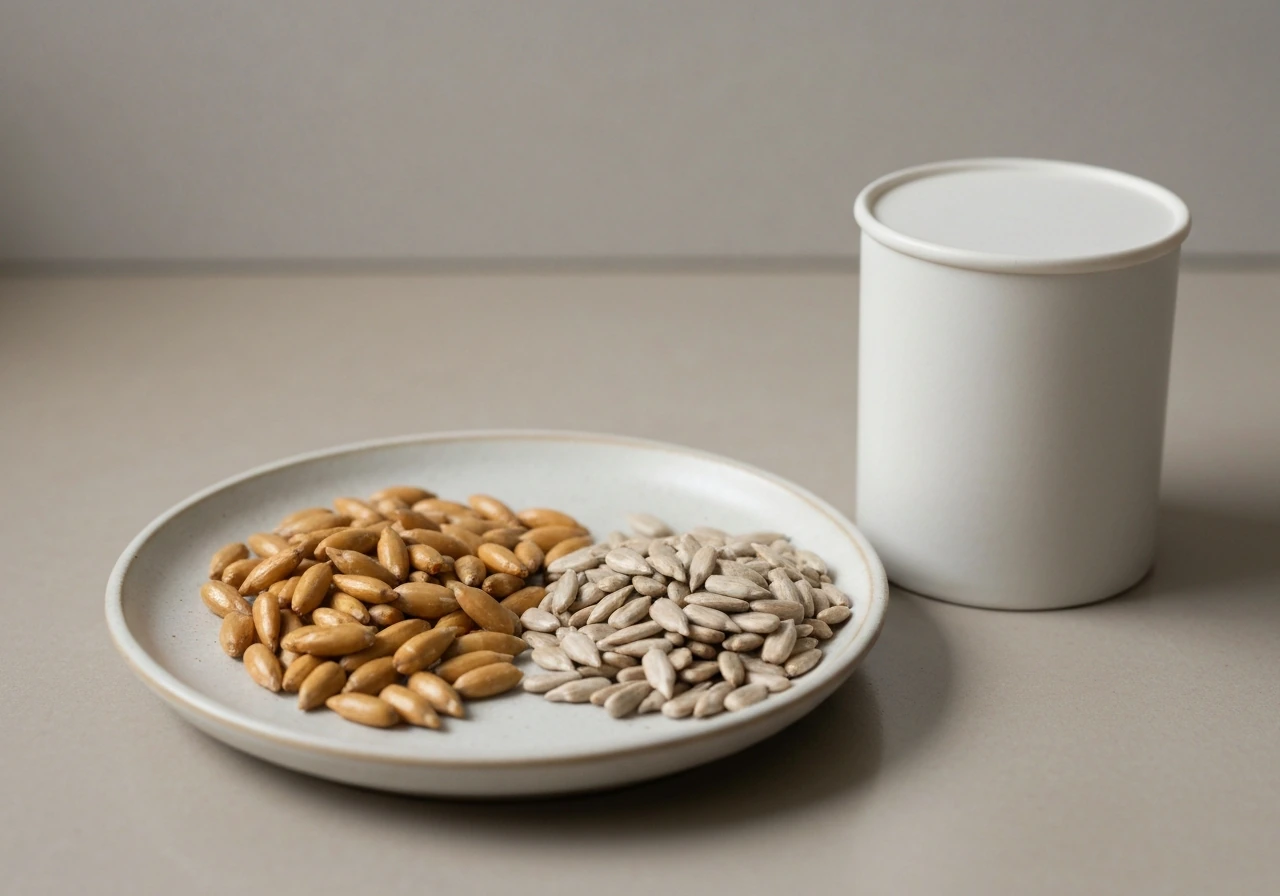
If you want to eat sunflower seeds, there's a simple solution: buy food-grade sunflower seeds. These are widely available in grocery stores, health food stores, and online in roasted, raw, shelled, or in-shell formats. The seed variety is often the same as what goes into bird seed (black oil sunflower seeds are actually sometimes preferred for snacking in parts of Europe and Asia), but the processing makes all the difference. Food-grade sunflower seeds are cleaned, inspected, and packaged under food safety regulations.
You can also buy raw, unsalted, shelled sunflower seeds and use them exactly like any other nut or seed in cooking: add them to salads, trail mix, granola, or baked goods. If you want the whole seed experience, roasted in-shell sunflower seeds (the kind sold at baseball games and grocery stores) are the direct human-food equivalent of what's in a bird seed bag. They're just cleaned, dried, and sometimes salted before packaging.
One thing worth knowing: bird seed edibility for humans is a topic with a lot of confusion online, partly because many of the individual ingredients in bird seed (sunflower seeds, millet, safflower) are technically edible plants. The issue is never the plant species. It's the grade, the storage, and the processing, or lack thereof. Stick to food-grade sources and you sidestep the whole problem.
Keeping your household safe: storage, feeders, and cleanup
Even if you're never planning to eat bird seed yourself, proper handling matters for household hygiene and for the birds you're feeding. Wet, moldy, or contaminated seed is dangerous for birds too, and the conditions that create bad seed also create pest and mold risks in your storage area.
Storing bird seed properly
- Store seed in airtight, hard-sided containers (metal or heavy plastic) that pests can't chew through. Avoid leaving seed in the original paper or thin plastic bag in a garage or shed.
- Keep storage areas dry and cool. Heat and humidity are the primary drivers of mold growth and mycotoxin formation.
- Don't store more seed than you'll use in 4 to 6 weeks during warm months, or 2 to 3 months in cold, dry conditions. Old seed is higher-risk seed.
- Inspect the bag before adding new seed to an existing container. Look and smell for any signs of spoilage before mixing batches.
- Keep storage containers off the ground to reduce moisture contact and make it harder for rodents to access them.
Feeder hygiene
Cleaning and refilling feeders with fresh seed on a regular schedule is one of the most effective ways to prevent mold buildup and mycotoxin accumulation. The OIE (World Organisation for Animal Health) recommends routine cleaning and fresh-seed replacement as a core mold-prevention strategy. In practice, that means emptying and scrubbing feeders every 1 to 2 weeks in warm or humid conditions, and letting them dry completely before refilling. A 10 percent bleach solution (1 part bleach to 9 parts water) is effective for disinfecting plastic and metal feeders.
Don't top off feeders without first removing old or wet seed from the bottom. Wet seed clumped at the bottom of a tube feeder is a mold incubator. Dump it, scrub the feeder, dry it, and then add fresh seed. This also reduces the bacterial load from bird droppings, which accumulate on feeder surfaces and perches over time.
Dealing with spilled and sprouted seed
Seed that falls under a feeder and sits on damp ground will sprout or mold quickly. Rake it up and dispose of it rather than letting it accumulate. Sprouted seed isn't automatically toxic, but it's a sign that moisture and warmth are present, the same conditions that accelerate mold growth in the rest of your seed supply. If you notice a lot of sprouting under your feeder, it's a good prompt to check whether your stored seed is also being exposed to humidity.
Thinking about which animals eat from your feeder
Different animals interact with bird seed in different ways, and that affects the contamination picture. If you're also feeding backyard poultry, it's worth knowing that chickens can eat bird seed under certain conditions, but the same mold and contamination concerns apply to them as to wild birds. Similarly, if you've been considering feeding ducks bird seed, the wet environment near water makes moldy seed an even bigger risk. If you keep pet birds at home, the question of whether budgies can eat wild bird seed is worth understanding before sharing your backyard supply with your indoor birds. And for those who supplement bird seed with protein sources, understanding how to mix mealworms with bird seed properly also matters for keeping your feeder setup hygienic and safe.
Bird seed vs. food-grade seeds at a glance
| Factor | Bird Seed | Food-Grade Seeds (Human) |
|---|---|---|
| Safety standards | Agricultural grade, no human food requirements | FDA food safety regulations apply |
| Cleaning and processing | Minimal, not designed for human consumption | Cleaned, sorted, inspected |
| Mold/mycotoxin risk | Higher: often stored in humid conditions | Lower: humidity-controlled storage and testing |
| Chemical treatments | Possible (must be labeled, but easy to miss) | Not permitted for human food products |
| Pest contamination risk | Higher: warehouse and retail contact | Lower: food-safe supply chain |
| Nutritional suitability | Not formulated for humans | Processed and sometimes fortified for consumption |
| Cost and availability | Cheap and widely available at garden/farm stores | Slightly more expensive, available at grocery stores |
| Recommendation | Avoid eating; handle with hygiene precautions | Safe to eat per package instructions |
The bottom line is simple: bird seed ingredients are not inherently poisonous, but bird seed as a product is not food for humans. The risks, especially from mold, mycotoxins, and chemical treatments, are real and not worth taking when food-grade alternatives are cheap and easy to find. If something has already been eaten, use the Poison Control line (1-800-222-1222) as your first call, and don't wait for symptoms to appear if you have any doubt about what was in the bag.
FAQ
If I already ate a little bird seed, when should I worry enough to call Poison Control again?
Call Poison Control if the person who ate it is a child, has symptoms (vomiting, diarrhea, abdominal pain, trouble breathing, coughing, wheezing), or if you cannot tell whether the seed was treated, mixed with high-risk ingredients (like cracked corn or peanuts), or exposed to moisture or mold. If symptoms are delayed, treat it as a prompt to follow Poison Control guidance rather than waiting it out.
Does rinsing bird seed make it safer to eat?
Rinsing can reduce surface dust and some debris, but it will not reliably remove mold growth or mycotoxins formed inside or deep in the seed. If there is any sign of moldy odor, clumping, or visible fungal growth, discard it instead of trying to wash it.
Can I safely eat only the sunflower kernels from a mixed bird seed blend?
That lowers some risk, but it does not eliminate the big variables, like whether the batch was stored in humid conditions or whether the blend included components prone to mycotoxins (for example cracked corn or peanut pieces). If you want sunflower kernels, the most reliable option is buying food-grade sunflower seeds and not trying to sort them from an unknown blend.
What labels should make me avoid the bag entirely?
Avoid any bag that indicates chemical treatment, pest-control additives, or “treated with” warnings. Also treat as a red flag any label that mentions poison, skull-and-crossbones, or chemical product names applied to the seed, even if the ingredients look like common crops.
Is bird seed generally more dangerous for children than adults?
Yes. The choking risk from dry whole grains, hull debris, or large nut-like pieces is higher in kids, and children can become more affected by contaminants at lower doses. If a child ate bird seed, it is especially important to contact Poison Control for tailored advice, even if the amount seemed small.
Is it okay to taste bird seed if it looks clean and comes from a sealed bag?
A one-time taste is lower risk than eating a larger amount, but “clean-looking” does not confirm it is free of storage contaminants, insect debris, or low-level mold. If you are doing this out of curiosity, use the safer approach of buying food-grade sunflower seeds instead of testing the bag.
What should I do with bird seed that got wet or sat in a feeder for days?
Discard it. Wet, moldy seed is not something to “salvage” for eating or feeding. For hygiene, empty the feeder, scrub it, and let it dry completely before refilling, and remove fallen seed from the ground so it does not keep providing moisture and mold conditions.
Can moldy bird seed be harmful to breathe in, even if I do not eat it?
Yes. Aspergillus spores can become airborne when handling dusty or moldy seed, which matters most for people with asthma, chronic lung disease, or weakened immune systems. If you notice mold, avoid shaking the seed, wear a mask if you must handle it, and consider having someone else clean it.
Is bird seed safer for humans if it is sold as feed for animals rather than “bird food”?
Not necessarily. Animal feed can also carry mycotoxin risks, and feed labeling still may not meet human food safety standards. If you want a similar ingredient, choose food-grade products intended for human consumption rather than relying on the marketing category.
Next Articles
Can I Feed Ducks Bird Seed? What to Feed Safely
Yes, ducks may eat some bird seed. Learn what seed to use, what to avoid, and how to feed safely and clean up.
Can Budgies Eat Wild Bird Seed Safely? Key Risks and Rules
Can budgies eat wild bird seed? Learn risks from mixed seed, mold, pests, and safer feeding rules plus handling tips.
How to Make Bird Seed Last Longer: Storage and Fixes
Learn how to make bird seed last longer with proper storage, humidity control, pest prevention, and fixing wet or moldy