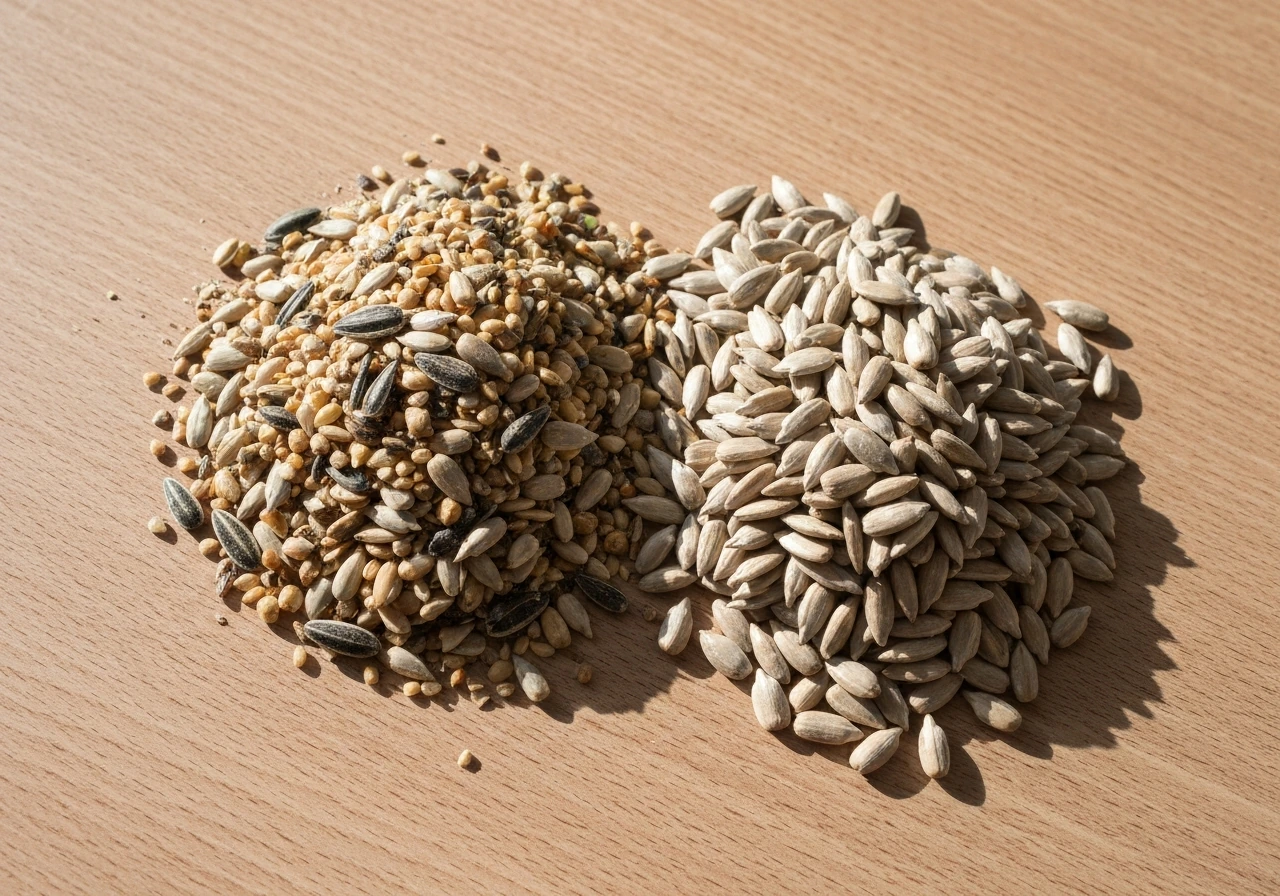
Yes, chickens can eat bird seed, but with limits
The short answer is yes, you can feed chickens bird seed, and it will not hurt them in a single sitting. Bird seed is made up of grains and seeds that chickens recognize as food and will eat happily. The problem is not toxicity, it is nutrition. Bird seed is not formulated to meet a laying hen's needs, so if it becomes a regular substitute for proper layer feed, you will start seeing issues: dropped egg production, soft-shelled eggs, and sluggish birds. Use it as an occasional supplement or emergency stopgap, not a staple, and you will be fine.
What is actually in bird seed and why it matters for chickens
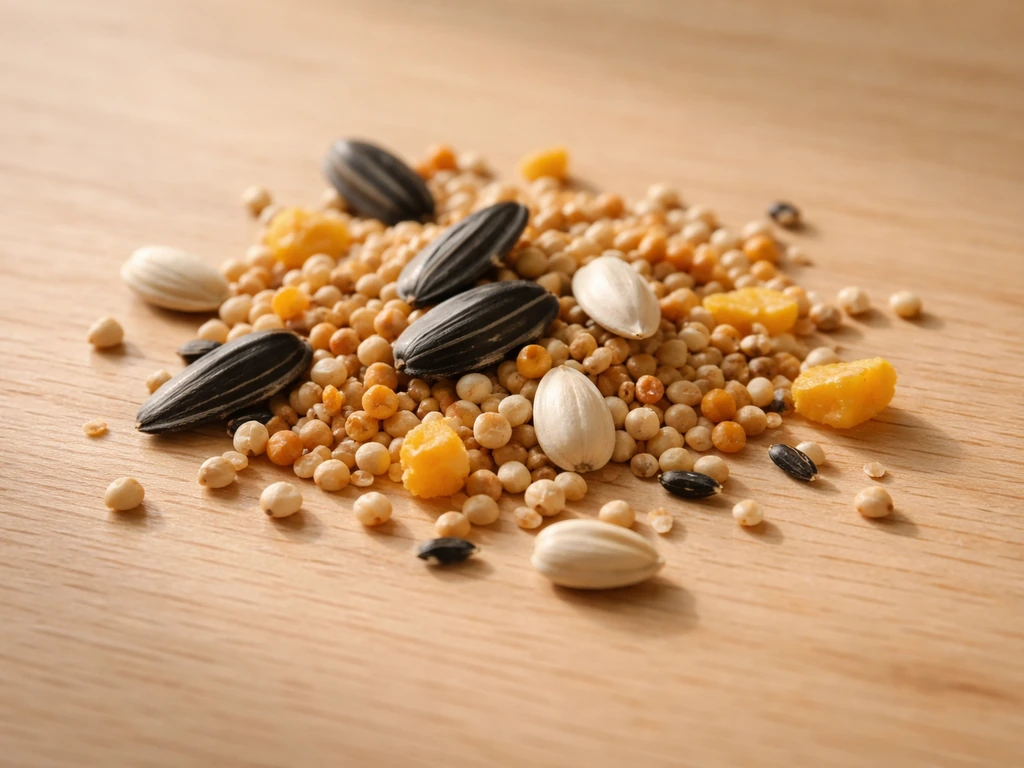
Most commercial wild bird seed mixes contain some combination of black oil sunflower seeds, millet, milo, safflower, nyjer (thistle), cracked corn, and sometimes peanut pieces. Sunflower seeds are often the dominant ingredient because songbirds love them, but they are high in fat and low in the protein and calcium that laying hens need. A complete layer feed typically provides 16–18% protein and around 3.5–4.5% calcium to support egg production. Bird seed delivers neither at those levels.
Calcium is the big gap. Laying hens need substantial calcium every single day to form eggshells, and bird seed contains almost none. A hen running on bird seed as her main food source will start pulling calcium from her own bones, which leads to brittle legs and poor shell quality fast. That is why it is worth keeping oyster shell in a separate free-choice feeder alongside any treat feeding, so hens can top themselves up as needed.
The fat content is also worth noting. Seed-heavy diets tend to be much higher in fat than a formulated ration, which can contribute to obesity in confined hens over time. If you have ever wondered whether humans can eat bird seeds from the same bag, the answer reveals something useful: these seeds are edible whole foods, just not nutritionally balanced for anything relying on them as a sole diet.
How much bird seed to offer and how to mix it safely
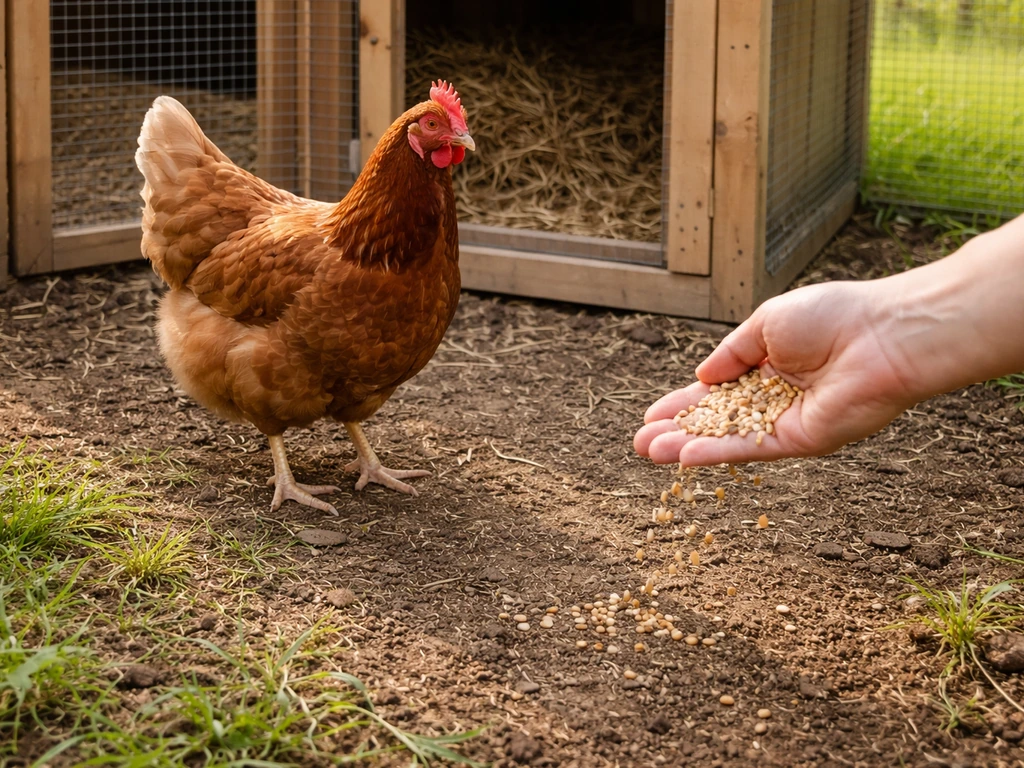
Treat bird seed the same way you treat scratch grains, because nutritionally it sits in the same category. Oregon State University Extension recommends limiting scratch-style grains to about 10–15% of total daily food intake, and a reliable rule of thumb is to offer only as much as the flock can clean up in about 20 minutes. For a small backyard flock of four to six hens, a small handful (roughly 1/4 cup) tossed on the ground once a day is plenty.
If you are using bird seed as an emergency bridge because you ran out of layer feed, you can increase the proportion temporarily, but get proper layer feed within a day or two. Do not let it stretch longer than 48–72 hours as the main ration. Mix whatever layer feed you have left with the bird seed to stretch it, keeping layer feed as at least 80–85% of the mix.
Avoid offering nyjer (thistle) seed in large quantities. It is very fine, the hulls can be hard for chickens to process in volume, and it provides little nutritional value for them. Black oil sunflower and cracked corn are the most chicken-friendly ingredients in a typical mix and the ones they will go for first anyway.
Storing bird seed safely around chickens
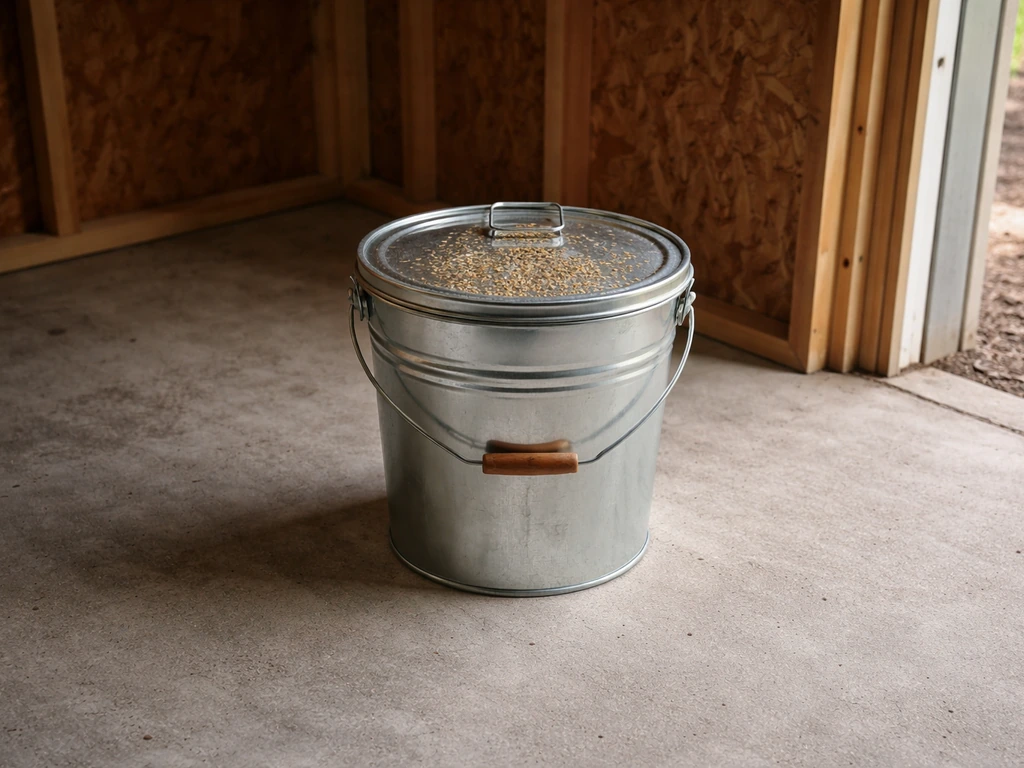
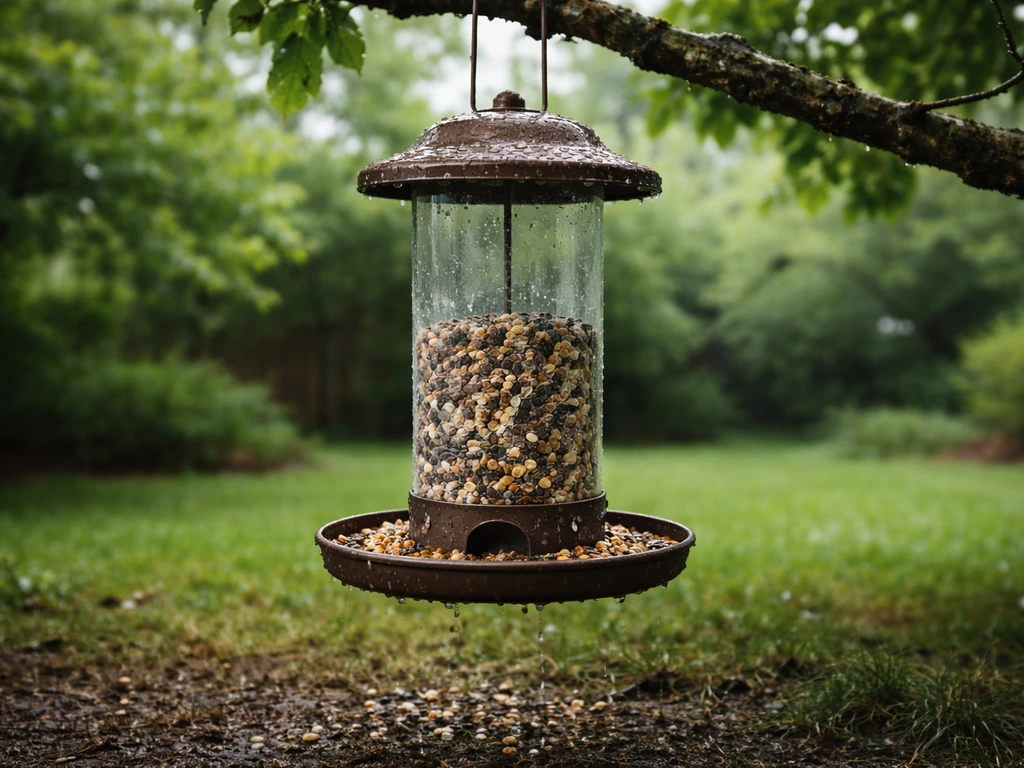
Storage is where a lot of backyard keepers run into trouble. Bird seed and chicken feed need to be kept in cool, dry conditions in sealed, rodent-proof containers, ideally metal or thick hard plastic with tight-fitting lids. Moisture is the enemy. Once seed gets wet, mold can develop within 24–48 hours in warm weather, and moldy grain produces mycotoxins, which are genuinely dangerous.
NC State Extension identifies aflatoxin as a serious animal feed safety hazard, noting that molds including Aspergillus, Fusarium, and Penicillium can all contaminate grain during storage. The risk is higher with animals than with wild birds at a feeder because chickens follow a single diet and any contaminated batch affects every meal. Keep bags off concrete floors (use a pallet or shelf to allow airflow), and rotate stock so you are always feeding older seed first.
If you already have bird seed that has been sitting in a feeder outdoors and it has gotten damp, think carefully before scooping it into the chicken run. Wet bird seed can harbor mold fast, and what looks like a minor clump could already be producing toxins. When in doubt, discard it. A few dollars of seed is not worth a sick flock.
- Store seed in a sealed metal or hard plastic container with a lid that snaps or locks shut.
- Keep the container in a cool, shaded spot, away from direct sunlight and moisture.
- Do not store seed in cloth bags or the original paper packaging long-term.
- Check seed every week: smell it, look for clumping, discoloration, or visible mold.
- Discard any seed that smells rancid, sour, or musty, even if it looks okay.
- Use older stock first and do not let a bag sit for more than 3–4 months in warm climates.
Managing pests and keeping the feeding area clean
Bird seed scattered around a chicken run is an open invitation to rodents. Mice and rats are drawn to spilled grain, and once they establish a presence near your coop, they are hard to evict. MassWildlife notes that seeds at feeding stations can attract small mammals like mice and squirrels, increasing both nuisance and disease risk. With chickens, the stakes are higher because rodents can introduce pathogens directly into the flock's environment.
The fix is simple but requires discipline. Only scatter or serve as much bird seed as the flock will eat in one session (that 20-minute rule again). Do not leave seed in open trays overnight. Use a shallow, easy-to-clean tray feeder rather than tossing seed on bare ground, and rinse it every few days. Cornell Lab's Project FeederWatch recommends cleaning seed feeders about every two weeks, and more often in warm or wet weather. Apply the same standard to anything you use to serve seed to chickens.
Wild birds are the other pest concern, and this one is more serious than it sounds. University of Georgia research found that contact between wild birds and backyard chickens creates a real pathway for pathogen transmission. Wild birds visiting your chicken run to share spilled seed can carry avian influenza and other diseases.
NC State Extension and the University of Maryland Extension both explicitly advise backyard poultry owners to reduce wild bird contact and avoid shared feeding equipment as a basic biosecurity measure. If you are scattering bird seed in or near your run, you are essentially inviting wild birds in. Keep feeding contained, clean up spillage promptly, and consider covered trays or feeders that limit access to the chickens only.
Bird seed vs. other chicken-appropriate supplements
| Option | Protein | Calcium | Fat | Best use |
|---|
| Complete layer feed | 16–18% | 3.5–4.5% | Low-moderate | Daily staple, foundation of the diet |
| Mixed bird seed | Low (varies) | Very low | High (sunflower-heavy) | Occasional treat, max 10–15% of intake |
| Scratch grains (corn/wheat/oats) | Low (~8–10%) | Very low | Moderate | Occasional treat, same limits as bird seed |
| Mealworms (dried) | ~50%+ protein | Low | Moderate | High-protein treat, small amounts only |
| Oyster shell (free-choice) | None | 38%+ calcium | None | Calcium supplement, always available separately |
If you are looking to add variety beyond the basics, mixing mealworms with bird seed is one way to boost the protein content of a treat offering and make it more nutritionally useful for chickens than plain bird seed alone. It does not fix the calcium gap, but it brings the protein closer to a useful range for a small supplemental portion.
A note on other birds you might be feeding
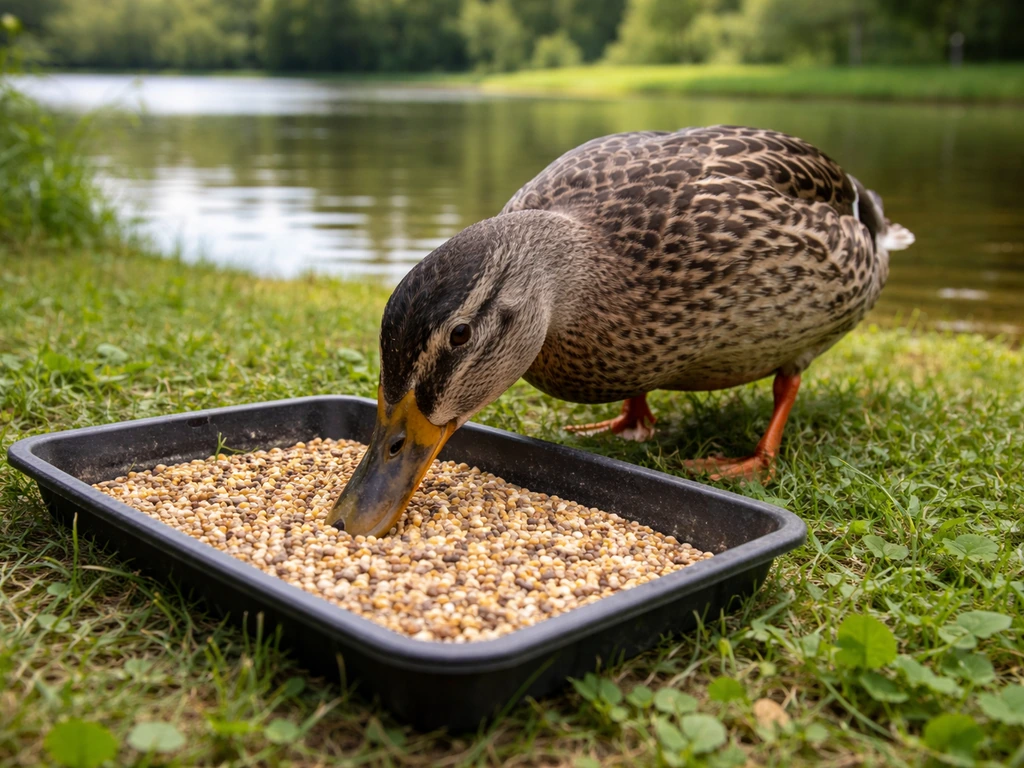
If you keep mixed species or have questions about other birds interacting with your bird seed supply, the rules differ. For example, feeding ducks bird seed comes with its own set of considerations around nutrition and water access that are different from backyard chickens. And if you keep pet birds like budgerigars, it is worth knowing that budgies and wild bird seed is not always a straightforward yes, since the seed composition and potential pesticide residues vary between products designed for wild feeders versus those formulated for caged birds.
What to watch for after feeding bird seed
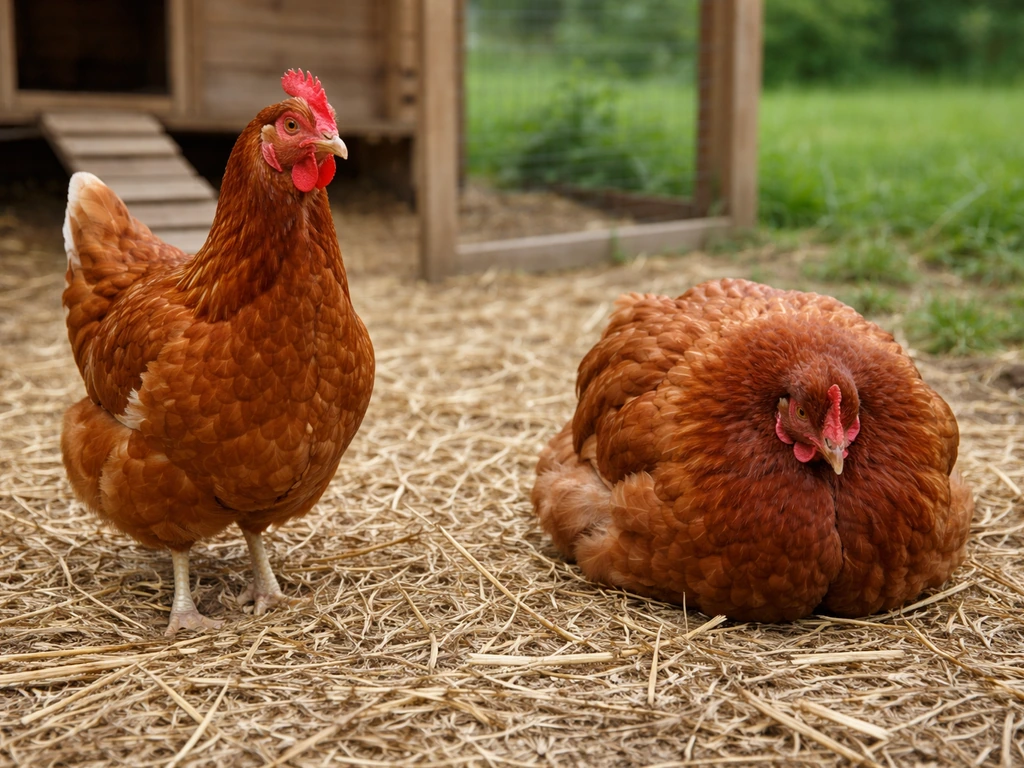
Most of the time, chickens eat a handful of bird seed and nothing happens. But if you are feeding an unfamiliar batch, or you are not certain of how the seed was stored, keep an eye on the flock for 24–48 hours. The warning signs that something is wrong are not subtle.
- Sudden lethargy or hens sitting hunched with puffed feathers when they were active before
- Loss of appetite, especially refusing feed they usually eat readily
- Loose or discolored droppings, particularly greenish or watery
- Signs consistent with aflatoxin poisoning: sluggishness, reduced coordination, or visible distress
- Drop in egg production or a run of soft-shelled or shell-less eggs within a few days
- Any bird that stops eating entirely or appears to be in pain
If you see any of those signs after introducing a new seed source, stop feeding it immediately and remove any remaining seed from the run. Offer fresh water and go back to their normal layer feed. If more than one bird is affected or symptoms are severe, contact a poultry vet. The FDA notes that aflatoxin poisoning signs in animals include sluggishness, loss of appetite, and jaundice, and that it can occur when animals eat moldy grain. This is not a situation to wait out.
There is also an edge case worth mentioning: if you are curious about the seeds themselves and whether bird seed is edible for humans, the same quality and storage standards that protect your chickens protect you. Moldy or rancid seed is unsafe for everyone.
Quick decision checklist: safe to use or skip it?
Run through this before you scatter any bird seed in the chicken run.
- Does it smell normal? Fresh seed smells nutty or neutral. Musty, sour, or rancid means discard it.
- Is there any visible mold, clumping, or dark discoloration? If yes, discard, no exceptions.
- Has it been stored sealed, off the ground, and away from moisture? If you are not sure, err on the side of caution.
- Will you limit it to 10–15% of the day's food intake and remove leftovers within 20–30 minutes? If yes, proceed.
- Is your layer feed still available as the main ration? Bird seed is a supplement, not a replacement.
- Are there wild birds currently visiting the area where you plan to feed? If yes, use a covered tray and clean up promptly to avoid attracting them to the flock.
If you can check every box above, a small amount of bird seed is a perfectly reasonable occasional treat for backyard chickens. Keep it to a minor role in their diet, store it properly, and clean up after every feeding session. The chickens will enjoy it, and you will not be dealing with pests, mold problems, or nutritional deficiencies down the track.