Bird seed is technically edible in the sense that most of its ingredients, sunflower seeds, millet, safflower, peanuts, and cracked corn, are things humans eat every day. But the seed sitting in your feeder or storage bag is almost certainly not safe to eat. It is not processed, stored, or regulated to human-food standards, and the real hazards, mold toxins, pest contamination, chemical treatments, and accumulated droppings, are serious enough that you should not eat it on purpose and should take simple precautions if you accidentally ingested some.
Is Bird Seed Edible for Humans? Safety and What to Do
Maya Collins
2 May 2026
What bird seed actually contains
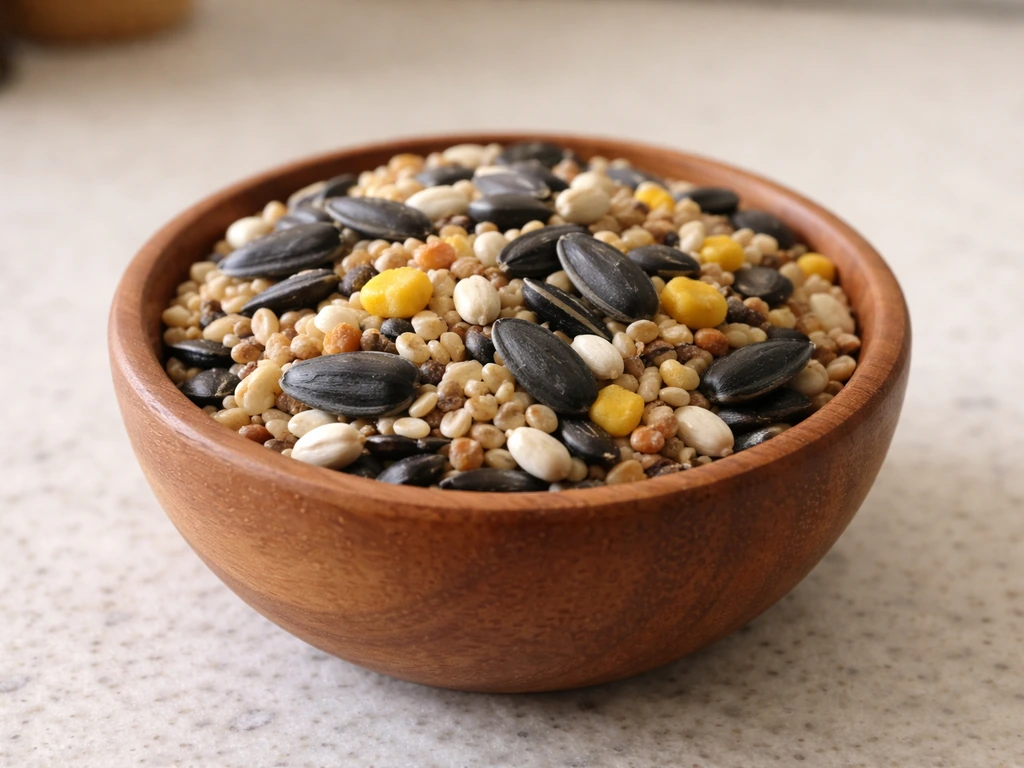
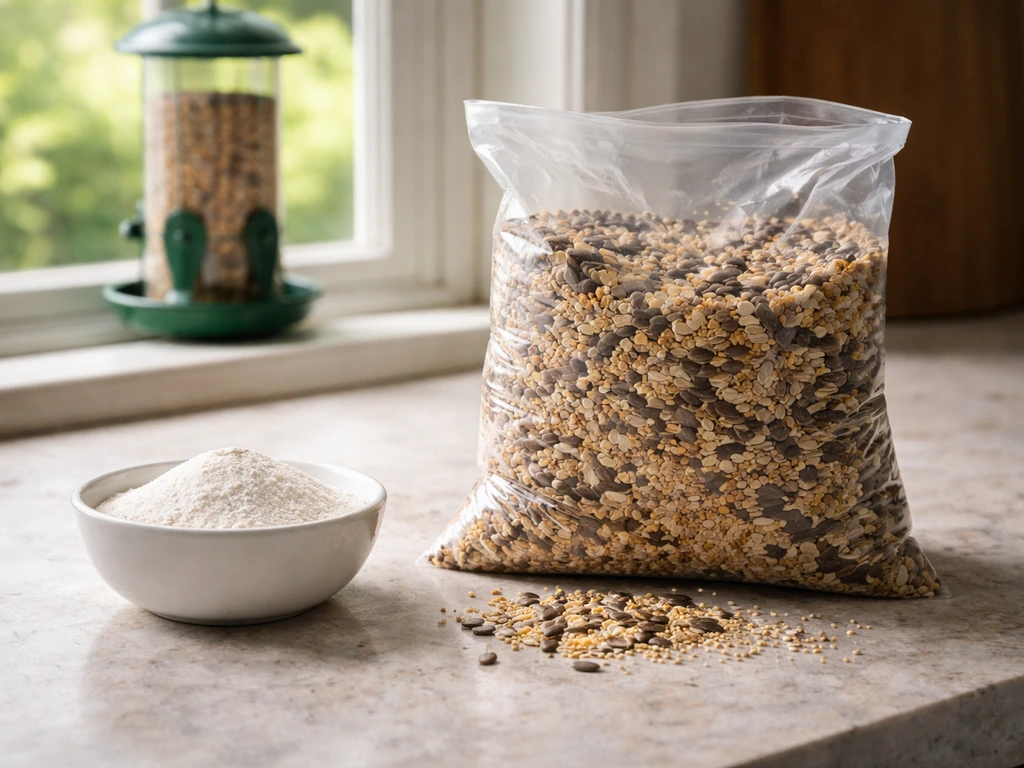
Most commercial wild bird seed blends are built around a handful of common grains and seeds: black-oil sunflower seeds, white proso millet, safflower, Nyjer (thistle), cracked corn, peanut pieces, and sometimes dried fruit or suet nuggets. All of those base ingredients are the same species you would find in a grocery store. That is where the similarity to human food ends.
Bird seed is not manufactured or stored under the same food-safety rules that govern human food. The FDA's food safety standards for human consumption do not apply to wild bird seed the way they do to a bag of sunflower seeds sold for snacking. That matters because the grain can be older, more exposed to moisture during harvest and shipping, and less carefully inspected for mold or pest contamination before it reaches store shelves.
Some blends also contain additives that are fine for birds but not tested or approved for human consumption. Feed preservatives such as ethoxyquin, an antioxidant used in animal feed, can appear in ingredients. Coatings, dyes, or pest-deterrent treatments are sometimes applied to seed, especially safflower or corn products. If you pick up a bag and the label does not say it is human food grade, you simply cannot assume the ingredients meet that standard.
The real risks: mold, pests, droppings, dust, and treated seed
The biggest health concern with bird seed is mold, specifically mycotoxins like aflatoxins. These are toxic compounds produced by certain fungi (mainly Aspergillus species) that grow on grain when moisture and temperature combine badly during storage. A peer-reviewed survey of wild bird seed purchased in Texas found measurable aflatoxin contamination in commercial bird seed products. The FDA has strict action levels for aflatoxins in human food because of their link to liver damage and, with repeated exposure, increased liver cancer risk. Bird seed does not have to meet those action levels. You can not see or smell aflatoxins. Visibly moldy seed is a red flag, but even seed that looks fine can carry low levels of mycotoxins if it was stored in warm, damp conditions.
Pest contamination is the second big hazard. Seed stored in sheds, garages, or outdoor bins is a magnet for rodents and insects. Rodent urine and droppings can carry hantavirus, salmonella, and leptospirosis. Feeder areas accumulate bird droppings, and disturbing dried droppings can release spores of Histoplasma capsulatum, the fungus that causes histoplasmosis, a serious lung infection. The CDC is clear that the main route of histoplasmosis exposure is inhaling spores when droppings are disturbed, not ingestion, but handling contaminated seed still puts those spores in the air around your face.
Dust from bird seed is its own issue. Fine particulates from dry seed, hulls, and dried droppings can irritate the respiratory tract, and people with asthma or dust allergies can have reactions even from normal handling. Finally, some seed is treated with pesticides or fungicides before or after harvest to prevent pest damage in storage. Unless the product is explicitly labeled food-grade or organic for human use, there is no guarantee the chemical load is within human-safe limits.
What to do if someone accidentally ate bird seed
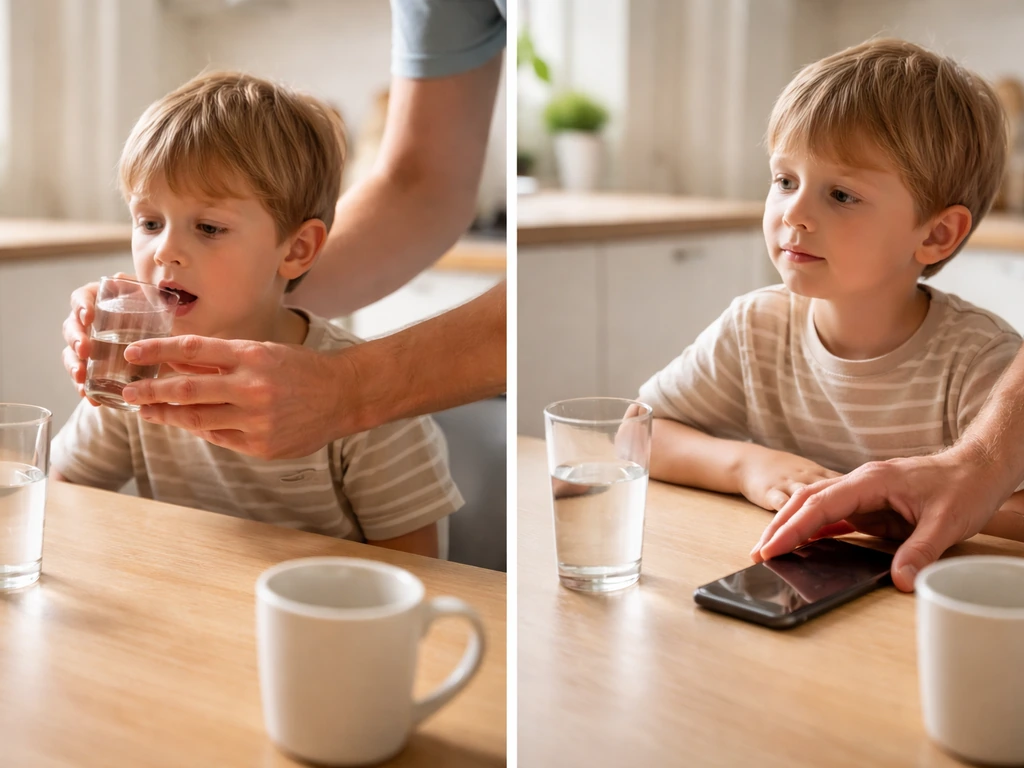
First: do not panic, but do act quickly. A small accidental mouthful of plain, dry, visibly clean bird seed is unlikely to cause serious harm, but the right first step is to rinse the mouth thoroughly with water. Do not induce vomiting. Both Poison Control and MedlinePlus are explicit that inducing vomiting after ingestion is not recommended unless a clinician specifically tells you to.
Call Poison Control right away. In the U.S., the number is 1-800-222-1222, staffed 24/7 by trained clinicians. You can also use webPOISONCONTROL online, which walks you through age, amount ingested, symptoms, and time since exposure to give you case-specific guidance. Have the seed bag handy so you can read the ingredient and treatment information to the clinician.
Watch for these warning signs and escalate to emergency care if any appear:
- Difficulty breathing or throat tightening
- Nausea, vomiting, or severe stomach cramps
- Dizziness or loss of consciousness
- Mouth, throat, or eye irritation that persists after rinsing
- Allergic reactions: hives, swelling, or rash
If the seed was visibly moldy, had an unusual smell, or came from a feeder area with visible droppings, tell the clinician that specifically. Mycotoxin and microbial contamination raises the concern level significantly compared to plain, dry seed straight from a sealed bag.
How to check seed quality before handling it
Before you fill a feeder, scoop from a storage bin, or deal with any seed that has been sitting out, do a quick quality check. It takes about 30 seconds and tells you a lot.
Smell it
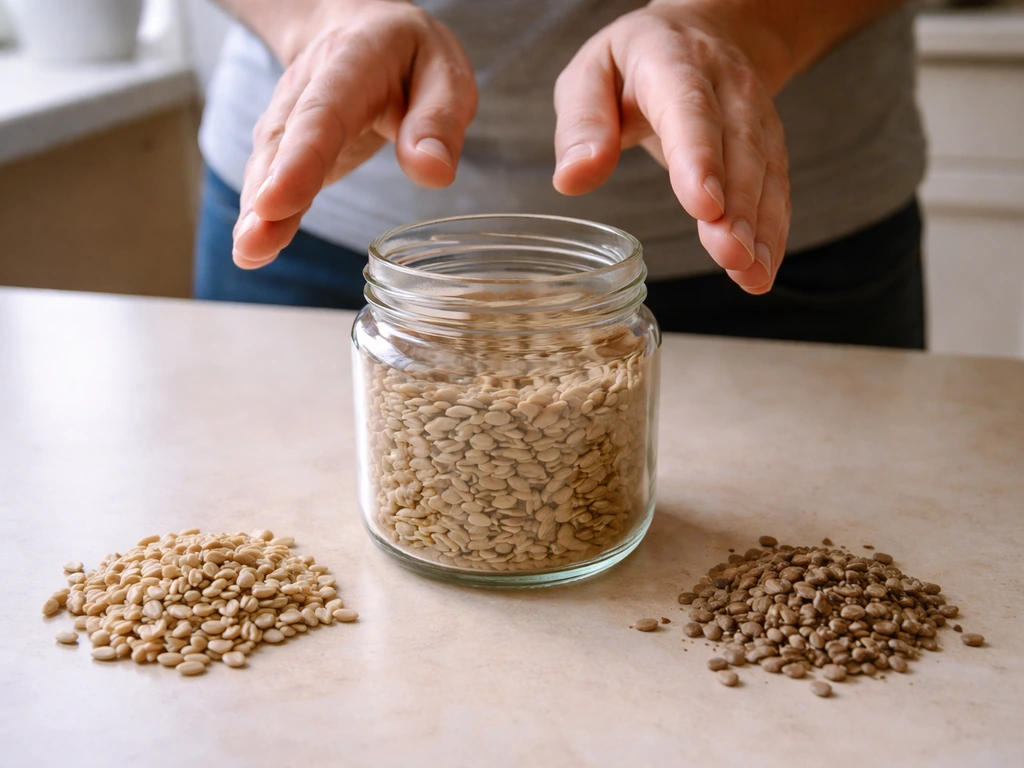
Fresh, dry seed should smell faintly nutty or neutral. If you get a musty, sour, or fermented smell, that is mold or yeast activity. An ammonia smell means bird or rodent waste contamination. Either one means the seed should go in the trash, not the feeder and definitely not near your face.
Look at it
Check for clumping, which indicates moisture exposure. Look for visible mold, which appears as white, gray, green, or black fuzzy patches. Discolored, shriveled, or unusually dark seeds are a warning sign for aflatoxin-producing mold, the same visual cue the NCI recommends using to reduce aflatoxin exposure with nuts. Any insect activity, webbing, larvae, or rodent droppings in or around the seed is also a discard signal.
Check for moisture and sprouting
Squeeze a small handful. Dry seed flows freely and does not clump. Damp seed sticks together and may feel warm, a sign of microbial activity already underway. Sprouted seeds in a feeder or storage container mean the seed has been wet long enough for germination, which also means it has been wet long enough for mold. Sprouted seed should be removed from the feeder and the feeder cleaned before refilling.
Safe handling and storage to protect yourself
Handling bird seed regularly means regular low-level exposure to dust, potential mold spores, and trace contaminants. A few straightforward habits eliminate most of the risk.
- Wash your hands with soap and water for at least 20 seconds after handling seed, filling feeders, or cleaning feeder areas. Do not touch your face while handling seed.
- Store seed in a sealed, hard-sided container (metal or thick plastic) in a cool, dry location. Temperature swings and humidity are the two main drivers of mold growth. A cool garage or shed corner is better than a warm outdoor bin in direct sun.
- Buy seed in quantities you can use within four to six weeks. Seed sitting in storage for months is more likely to accumulate moisture and develop mold, especially in humid climates.
- Keep the storage area rodent-proof. Hard-sided metal cans with locking lids are far more effective than bags or soft plastic bins for excluding mice and rats.
- Wear a dust mask or N95 respirator when pouring large quantities of seed or cleaning out dusty storage containers, particularly if the seed is old or you have respiratory sensitivities.
- Never store seed in the same space as human food. Cross-contamination from rodent activity, dust, or mold spores is a real concern.
Cleaning up feeders and seed areas
Feeder hygiene is the main line of defense against mold, pests, and the buildup of droppings that turn the whole feeding area into a contamination risk. The U.S. Fish and Wildlife Service recommends cleaning feeders at least once every two weeks. If you have had wet weather, or if seed has clumped or sprouted in the feeder, clean it immediately regardless of the schedule.
How to clean a feeder
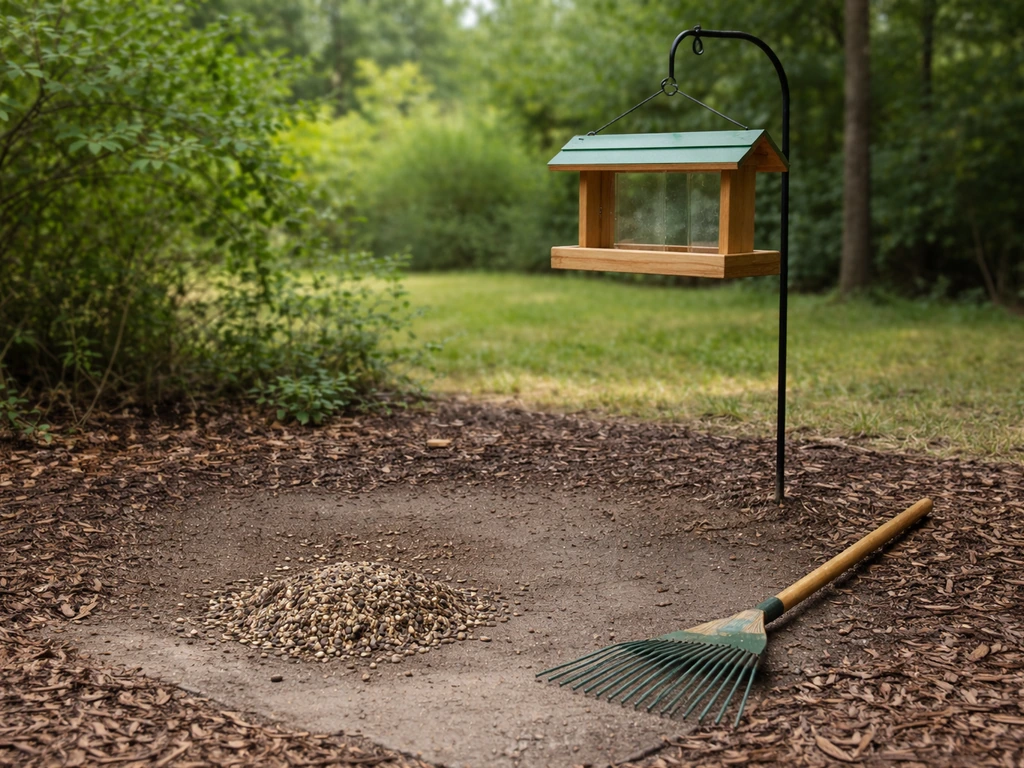
- Empty all remaining seed. Do not leave old seed in the feeder when refilling.
- Scrub the feeder with warm, soapy water to remove debris, hulls, and droppings.
- Soak or rinse the feeder in a dilute bleach solution: 1 part bleach to 9 parts water. Let it soak for 10 minutes.
- Rinse thoroughly with clean water. Bleach residue can harm birds.
- Allow the feeder to dry completely before refilling. Adding dry seed to a damp feeder restarts the mold cycle immediately.
Cleaning up the ground below feeders
The ground beneath a feeder accumulates hulls, uneaten seed, droppings, and moisture, which is where mold and rodent activity concentrate. Rake or sweep the area regularly to remove debris. Do not blow it with a leaf blower, which aerosolizes spores and dust. If you see evidence of rodent droppings in the area, follow CDC rodent-cleanup guidance: wet the area with a disinfectant spray first (a dilute bleach solution works), let it soak for several minutes to avoid kicking up dried material, then wipe up with paper towels and dispose of them in a sealed bag. CDC also warns that histoplasmosis is acquired by inhaling spores from environments contaminated with bird or bat droppings. Wear gloves and a mask for this task.
Dealing with moldy or wet seed specifically
If seed in a feeder or storage container has gotten wet and is clumped, sprouted, or visibly moldy, do not try to dry it out and reuse it. If bird seed has gotten wet, especially in warm weather, treat it as unsafe and discard or replace it rather than trying to use it again wet bird seed. Mold penetrates seed well before it is visible on the surface, and drying does not eliminate mycotoxins that have already formed. Bag the contaminated seed, seal the bag, and put it in an outdoor trash can. Clean the container with the bleach solution described above before adding fresh seed. The same principle applies to feeders after heavy rain: if the seed inside got wet, it comes out, the feeder gets cleaned, and then it gets refilled with dry seed.
Bird seed vs. human food: why the difference matters
| Factor | Human food-grade seed | Wild bird seed |
|---|---|---|
| FDA food safety standards | Required | Not required |
| Aflatoxin/mycotoxin limits | Regulated action levels | No human-food limits |
| Pesticide/chemical treatment disclosure | Regulated labeling | May not specify human-safe limits |
| Storage and handling standards | Human-food sanitation rules | Animal feed standards |
| Typical shelf life (proper storage) | Up to 12 months | 4–6 weeks once opened (best practice) |
| Pest contamination screening | Human food inspection standards | Not held to the same standard |
The key takeaway from that comparison is not that bird seed is inherently poison, it is that it was never designed with your digestive system in mind. The same sunflower seed that is perfectly safe in a trail mix has gone through very different processing, testing, and storage handling than the one in your feeder bag. That is the gap that creates the risk.
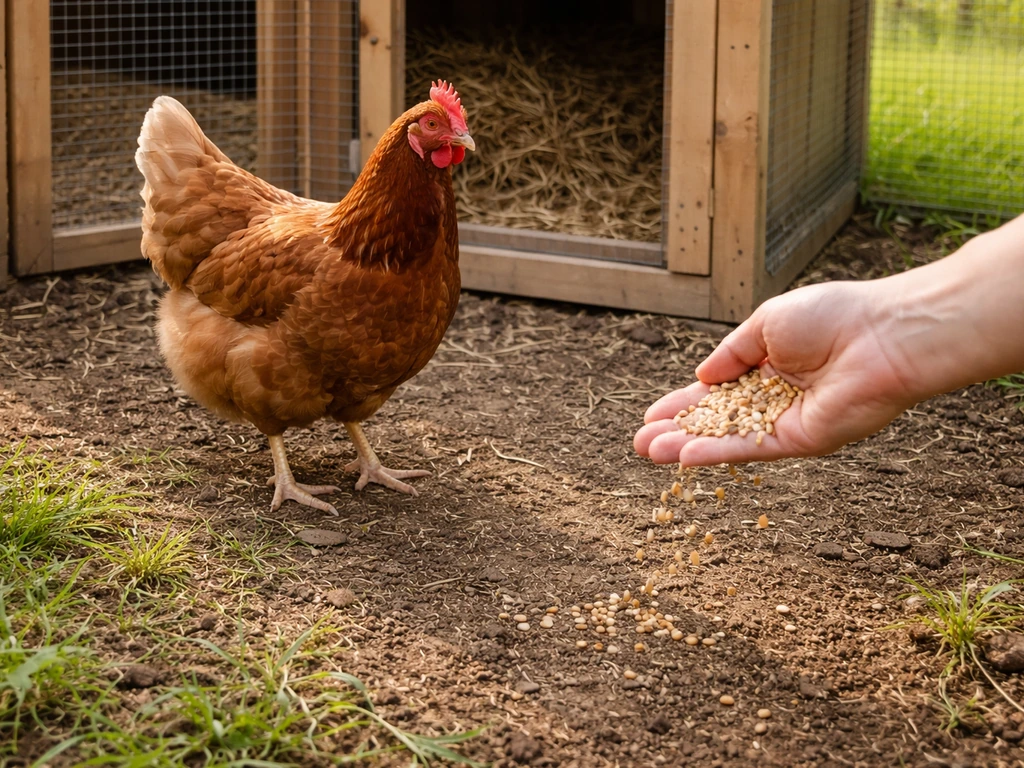
It is worth noting that this question of what is safe for one species and not another comes up elsewhere in backyard feeding. If you are feeding chickens, bird seed is still not a substitute for proper chicken feed, since it may be unsafe if it has been stored improperly backyard feeding. Whether you are asking about feeding seed to ducks, chickens, or pet budgies, the ingredient list is only part of the story. Contaminant load, preparation, and intended use all shape whether a seed product is actually safe for the creature eating it.
The bottom line on eating bird seed
Do not eat bird seed on purpose. A small accidental mouthful of clean, dry seed straight from a sealed bag is unlikely to cause serious harm, but there is no upside to eating it and there are real risks, particularly with seed that has been stored improperly, exposed to moisture, or sitting in or near a feeder. If you are wondering about specific ingredients like wild bird seed, the safest approach is to avoid eating it and use it only for feeding birds. If you or someone else did eat some, rinse the mouth with water, do not induce vomiting, and call Poison Control at 1-800-222-1222 or use webPOISONCONTROL for case-specific guidance. For everyday handling, wash your hands, store seed in sealed metal containers, clean your feeders every two weeks, and discard anything that smells musty, looks clumped, or shows any signs of mold. Do not mix mealworms with bird seed, since it can further spread contaminants and is unnecessary for safe backyard feeding. Those habits protect you and the birds.
FAQ
If bird seed is “edible” in the ingredient sense, can I eat a small amount from a sealed store-bought bag?
Even then, it is not intended as human food, so the key question is safety of processing and storage, not whether the grains are human foods. If you choose to eat it accidentally or in a pinch, keep it to a very small amount, rinse your mouth, avoid further eating, and call Poison Control if you develop symptoms or if the bag is old, damp, clumped, or smells musty.
How long after eating bird seed should I watch for symptoms?
For mycotoxin and irritant exposures, symptoms can appear within hours, and some infectious exposures from contaminated dust or droppings may develop over days. If you have vomiting, fever, severe diarrhea, trouble breathing, wheezing, or chest tightness, treat it as urgent and seek care rather than waiting.
Does rinsing my mouth with water fully prevent problems after accidental ingestion?
It helps remove remaining particles, but it does not guarantee complete prevention, especially if a larger amount was swallowed. If anyone swallowed more than a few kernels, is a child, has liver disease, is immunocompromised, or develops symptoms, Poison Control guidance is still the right next step.
What should I tell Poison Control if I ate bird seed but threw away the bag?
Describe the blend as closely as you can (sunflower, millet, corn, thistle, peanuts, dried fruit), estimate the amount, note whether it was from a feeder or a sealed bag, and mention any visible mold, musty smell, or clumping. If you can, take a photo of the container or label before discarding it next time, because it helps clinicians assess treatment risk.
Is it safer to eat bird seed that birds already ate or dropped?
No. Once seed is in a feeder area, it is exposed to droppings, dust, moisture, and pests, which increases both microbial and irritant risk. If you find dropped seed on the ground, treat it as contaminated and do not eat it.
Can people with asthma or allergies handle bird seed without problems?
They may still react to dust and fine hull particles, even when seed looks clean. Use eye protection, a properly fitted mask (such as an N95), avoid sweeping or shaking over your face, and consider having someone else fill feeders if symptoms are triggered easily.
What’s the difference between “moldy” and “not moldy but still unsafe” bird seed?
Mycotoxin contamination can be present even when mold is not obvious. That is why smells (musty, sour, fermented) and moisture signs (clumping, warmth, sprouting) matter, not just visible fuzzy growth.
Should I try to dry clumped bird seed and reuse it?
Do not. Drying after moisture exposure does not reliably remove mycotoxins, and mold can already have developed inside the kernels. Discard the seed, clean the container, and refill with dry seed only.
Is it okay to store bird seed in a plastic bin or does it matter?
It matters if the seal is imperfect or humidity gets in. Use a tightly sealed container, keep it dry, and if you notice any dampness, clumping, or odor, discard rather than attempting to “air it out.”
Can I use bird seed to feed pets or chickens?
Do not assume it is safe as animal feed either. Some pets and livestock require specific nutrition and may have different sensitivity to mold, additives, or pesticides. If you are feeding chickens, use proper chicken feed, and if you are feeding any pet, follow the species-appropriate diet rather than using bird seed blends.
What’s the safest way to clean up bird seed area droppings and dust at home?
Avoid dry sweeping or leaf blowing. Wet disinfectant first, let it soak so dust settles, then wipe up with disposable paper towels, seal waste in a bag, and wear gloves and a mask. If there is heavy droppings buildup, consider professional help, especially for people with lung conditions.
Next Article
Can You Feed Chickens Bird Seed? Safe Use and Limits
Yes, but only in small, occasional amounts. Learn safe feeding limits, spoilage signs, and storage to prevent mold and p