Yes, slugs do eat bird seed. They're not picky eaters, and bird seed, especially spilled or wet seed on the ground, is exactly the kind of soft, moist, energy-rich food they go after. If you want to consider other backyard seed-eaters, do snails eat bird seed? is another related question worth checking. If you're finding seed disappearing overnight, slime trails near your feeder, or a suspicious mess around ground trays, slugs are a very real suspect. Purdue Extension notes that slugs leave visible slime trails on walls, floors, walks, and even plant leaves, and that they depend on moisture to access and feed at ground level slime trails near your feeder. The good news is you can confirm them quickly and stop them without harming your birds.
Do Slugs Eat Bird Seed? How to Stop Seed Loss

What slugs actually eat and why bird seed qualifies
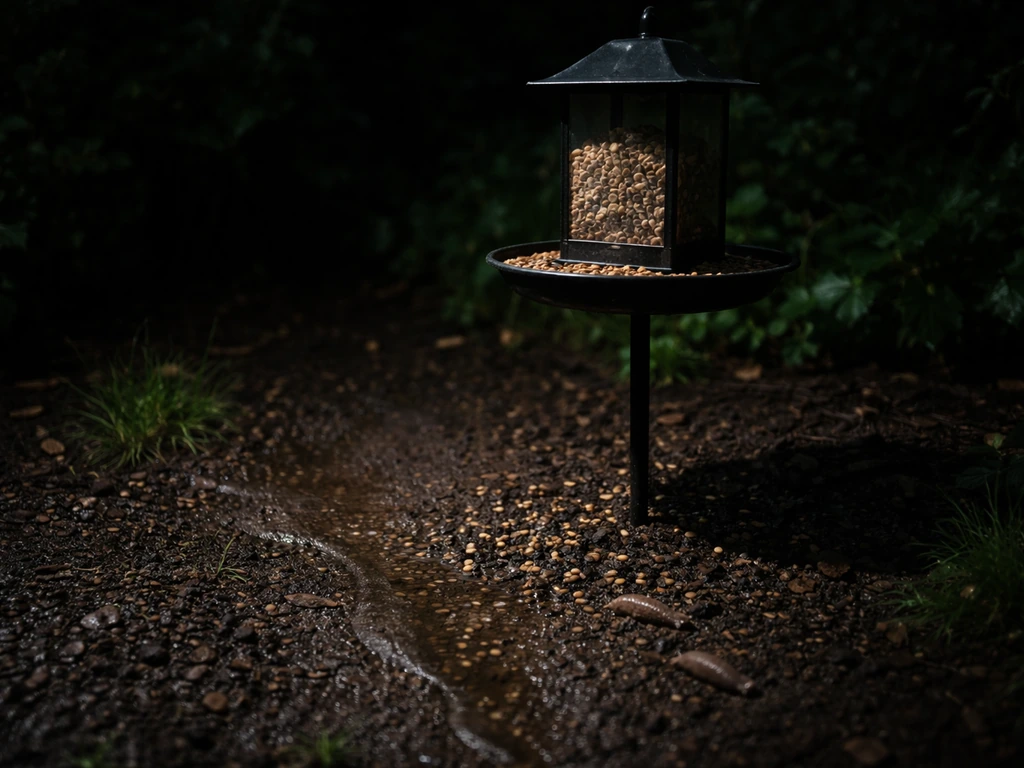
Slugs are opportunistic feeders. They'll eat decaying plant matter, fungi, and living vegetation, but they'll also go straight for accessible, energy-dense food like seed. Bird seed, particularly millet, milo, sunflower chips, and cracked corn, is soft enough for slugs to rasp through, especially once it's been sitting on the ground and has absorbed moisture. Roadrunners also forage for easy food near people, so bird seed may be on their menu at times do roadrunners eat bird seed. They're most active at night and during wet or overcast periods, which is why you often don't catch them in the act. By morning, they've fed and retreated to shelter, leaving only the evidence behind. Ground feeders and open trays are the most vulnerable setups. A hanging feeder with minimal spillage is much less likely to attract slugs than a platform tray or scattered seed on bare soil.
What draws slugs to your feeder area
Three things pull slugs toward a bird-feeding area: moisture, food, and shelter. If all three are present within a few feet of your feeder, you're essentially setting the table for them.
- Moisture: Slugs are soft-bodied and completely moisture-dependent — they dry out and die in hot, dry conditions. Wet soil, soggy spilled seed, and damp mulch around a feeder base are major attractants. Watering schedules that keep the ground beneath feeders constantly damp make things worse.
- Food access: Spilled seed on the ground is the primary draw. Seed that's gotten wet and started to clump or sprout is even more appealing because it's soft, easy to rasp through, and ferments slightly, producing smells that attract slugs.
- Shelter: Leaf litter, dense groundcover, weeds, and decorative stones or logs near feeders give slugs somewhere to hide during the day. The closer that cover is to a food source, the shorter their commute at night.
It's worth noting that snails share many of the same habits and attractants as slugs, so if you're seeing shelled visitors alongside slugs, the same fixes apply to both.
How to confirm it's actually slugs
Before you act, make sure you're dealing with slugs and not another pest like mice, voles, or squirrels. Before you act, make sure you're dealing with slugs and not another pest like mice, do moles eat bird seed, or squirrels voles. If you suspect voles too, it helps to know what they eat, since they can also be interested in spilled bird seed do water voles eat bird seed. Voles can also be tempted by spilled bird seed, so it's worth ruling them out if you notice seed vanishing overnight mice, voles, or squirrels. The signs are fairly distinct once you know what to look for.
What to look for
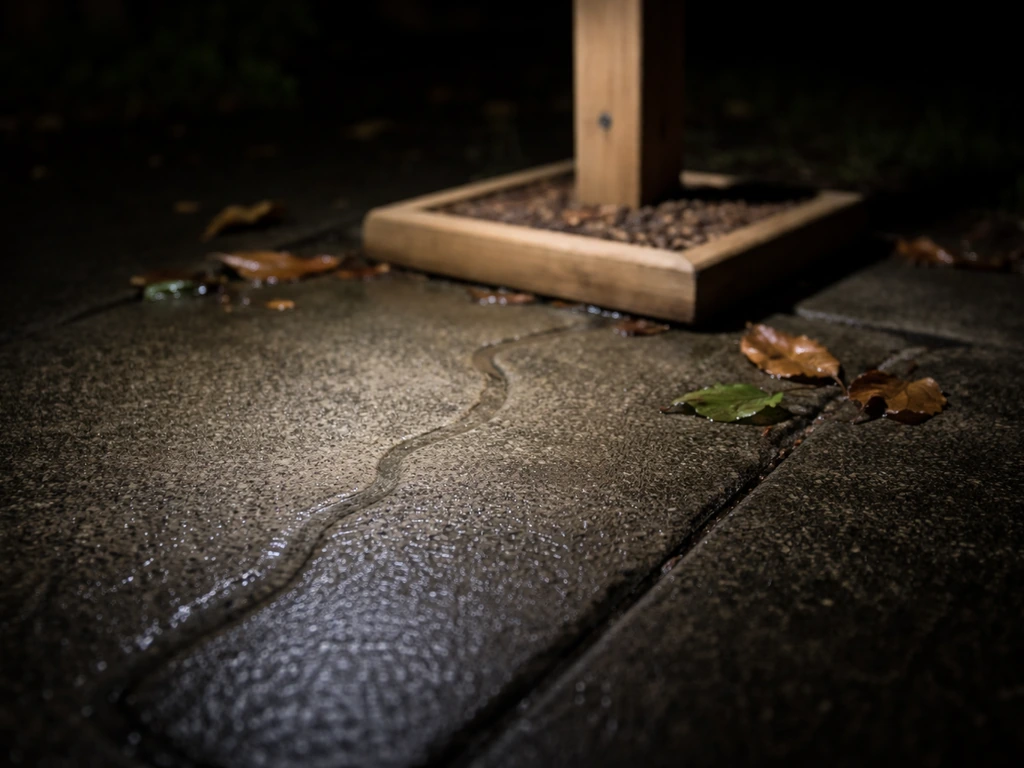
- Slime trails: The clearest sign. Dried slime looks like a faint, silvery or clear streak on hard surfaces — feeder poles, the base of trays, patio pavers, and nearby plant leaves. Fresh trails are sticky and translucent.
- Seed disappearance at night with no scatter pattern: Squirrels and birds leave shells and debris. Slugs rasp through soft seed cleanly and leave little behind except slime.
- Partially eaten or hollowed seed husks: Look for seed that's been chewed from the inside rather than cracked open.
- Feeding damage concentrated at ground level: Slugs rarely climb more than a foot or two, so feeding signs near the base of a feeder stand or in the lowest sections of a ground tray point to slugs rather than birds or rodents.
The torch test
Go out 1 to 2 hours after dark with a flashlight and check the area around and beneath your feeder. Slugs are nocturnal and will be actively feeding. If you see them directly on or near seed, you have your answer. If the area is empty but slime trails are present, check again during or just after rain, that's their peak activity window.
Use a simple trap to confirm
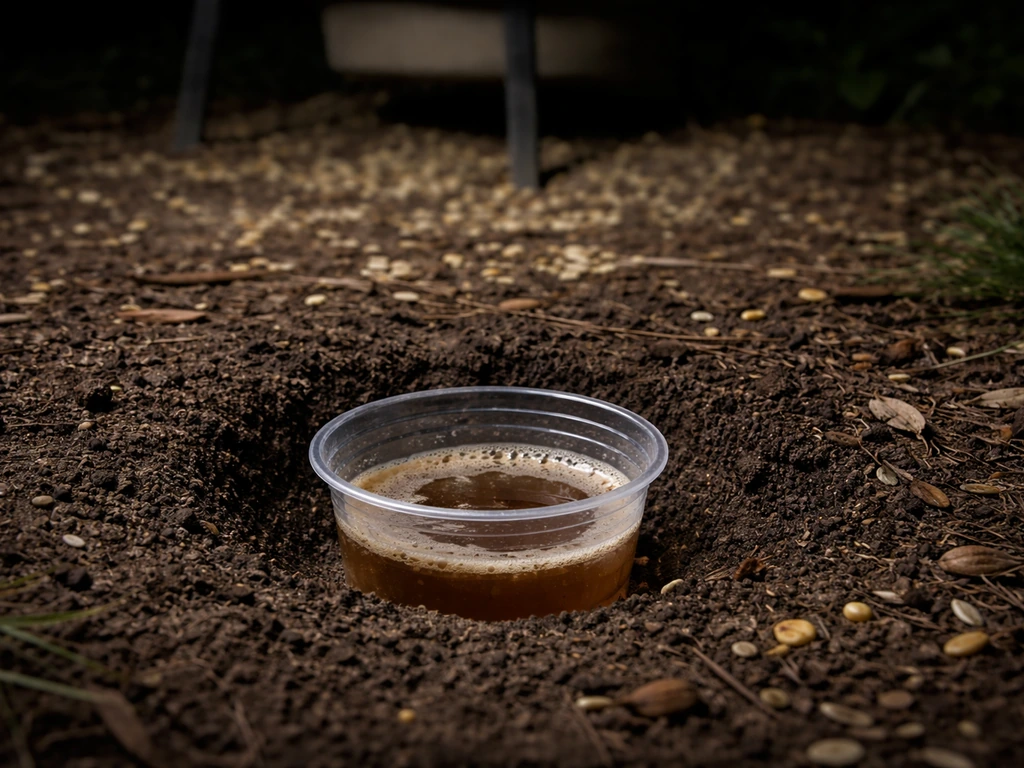
A beer trap works well for both confirming a slug problem and reducing numbers. Use a shallow container (a tuna can works perfectly), sink it into the soil so the rim is at ground level, and fill it halfway with beer or a water-and-yeast mixture. Slugs are attracted to the fermentation smell, crawl in, and drown. Check it the next morning. If you're pulling out slugs, that confirms the infestation and also starts addressing it. Position these traps a foot or two away from your feeder area, not directly under it.
Practical changes to stop slugs from reaching your bird seed
Switch or reposition your feeder
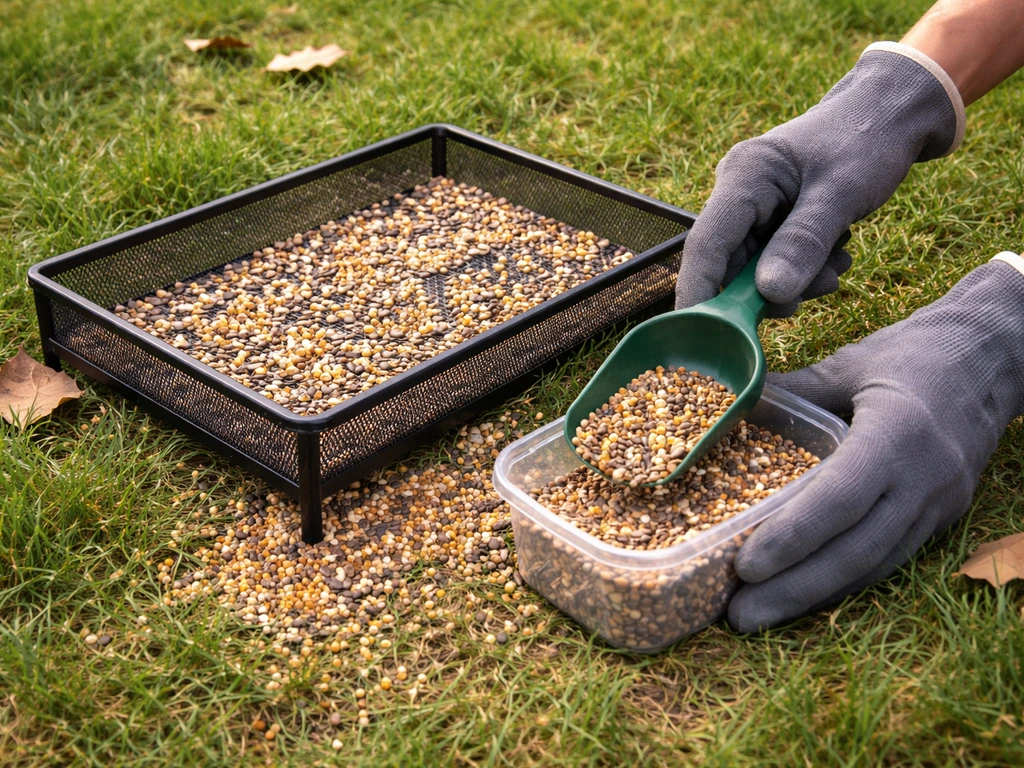
If you're using a ground-level tray or platform feeder, that's your biggest vulnerability. Switching to a hanging feeder or elevating a platform feeder onto a pole at least 3 to 4 feet off the ground eliminates slug access almost entirely, they can climb poles in some cases, but it's far less common than ground feeding. If you want to keep a ground setup for doves or other low-feeding birds, try placing the tray on a hard, dry surface like a patio slab rather than on grass or soil, and bring it in at night.
Reduce spillage
Spilled seed is the main meal for ground-dwelling pests including slugs. Do doves eat bird seed too, so keeping seed clean and dry can help protect both ground birds and your feeder area. Use feeders with seed-catching trays and check them daily. Rake up or sweep any fallen seed every evening before dark. That one habit alone removes the overnight food source and makes your yard dramatically less attractive to slugs, as well as to mice and voles.
Use a pole baffle
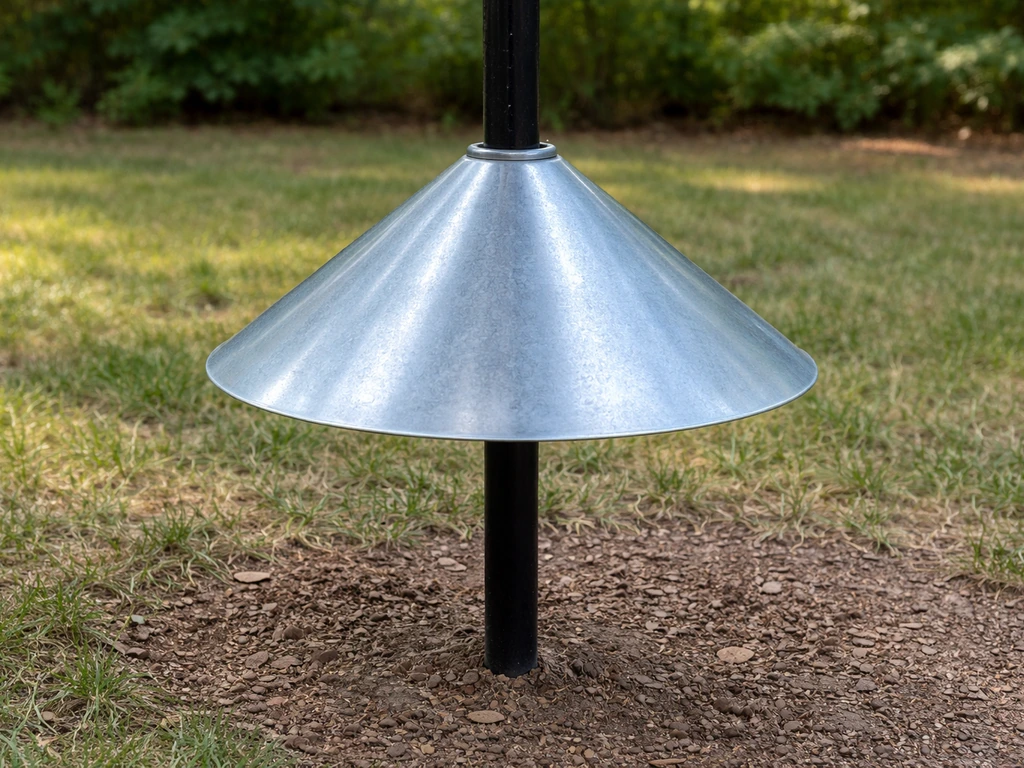
A smooth metal baffle on a feeder pole creates a physical barrier slugs struggle to get past. Position it 12 to 18 inches above ground level. Combined with keeping the area beneath the feeder clean of debris and seed, this makes it very difficult for slugs to reach the seed even if they're present in the yard.
Reducing moisture and habitat near your feeder
This is where long-term prevention lives. Cutting off moisture and shelter near the feeding area makes it much less hospitable for slugs, regardless of whether seed is available.
- Clear leaf litter, weeds, and dense groundcover within 3 to 4 feet of your feeder. Slugs need daytime cover, and removing it forces them to travel further and risk drying out.
- Avoid watering directly around the feeder base. If you're using sprinklers, adjust the spray pattern so the soil beneath your feeder dries out between watering sessions. Drip irrigation or soaker hoses elsewhere in the garden keep other areas wet without turning your feeder zone into slug territory.
- Let the soil surface dry out. Slugs are far less active when the top inch of soil is dry. Hot, dry conditions are genuinely unfavorable to them — this isn't just theory, it's the mechanism behind most slug-control recommendations.
- Remove decorative elements like stacked stones, logs, or dense low plantings immediately around feeders. These make ideal daytime slug refuges.
- If you're in a consistently wet climate (Pacific Northwest, UK, parts of the Southeast), expect to need multiple overlapping strategies rather than one fix.
Seed hygiene and storage to reduce slug activity
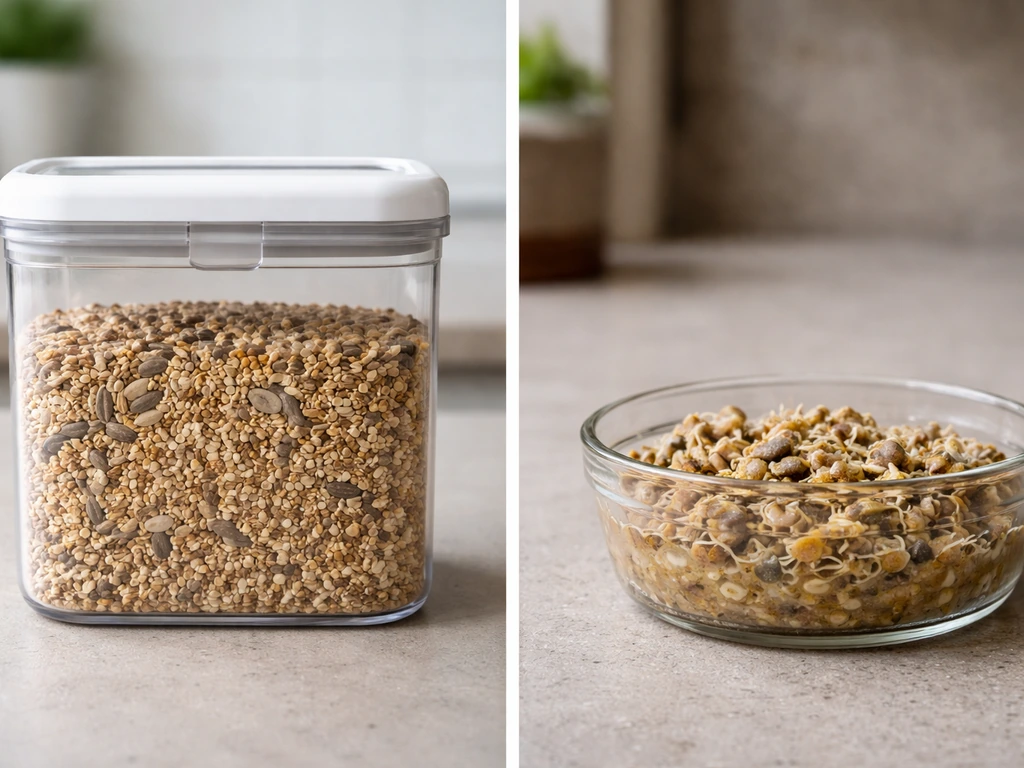
Wet and sprouted seed is a slug magnet. Once seed gets damp, it clumps, starts to ferment, and becomes much easier for slugs to eat. It also grows mold rapidly, which is bad for birds. Keeping your seed dry and fresh is one of the most effective pest-prevention steps you can take.
- Store seed in a sealed, airtight container in a cool, dry location — never in a bag left open or in a shed that gets humid. A metal bin with a locking lid works well and keeps out rodents too.
- Never put out more seed than birds will eat in a day or two. Leftover seed left in an open tray overnight is exactly what slugs are looking for.
- If seed has gotten wet or you notice any clumping or mold, discard it completely. Moldy seed should never go back into a feeder — it's harmful to birds and the decomposing mass just draws more pests.
- During rainy periods, consider using a covered feeder or bringing trays indoors in the evening. Seed that stays dry stays less attractive to slugs.
- Clean feeders and trays weekly during warm, wet months. A buildup of old seed debris at the base creates exactly the moist, fermenting material slugs are drawn to.
Non-lethal options, traps, and where chemical controls fit in
Start with barriers
Copper tape or copper mesh creates a mild electrical deterrent for slugs. Wrapping the base of a feeder pole or the rim of a ground tray in copper tape can discourage slugs from crossing. It's not 100% effective in all conditions, wet weather reduces the deterrent effect, but it's completely safe for birds and worth trying as part of a layered approach. Diatomaceous earth (food-grade) sprinkled in a ring around a feeder base also works as a physical barrier: the sharp particles damage slug tissue and dry them out. Reapply after rain. Keep diatomaceous earth away from areas where birds walk or forage, as inhaling the dust isn't good for them.
Beer and yeast traps
As mentioned above, beer traps set near (not directly under) the feeder are an effective, non-toxic way to catch slugs. Empty and reset them every 2 to 3 days. Place them in the slug's travel path rather than at the food source, you want to intercept them before they reach the seed, not create a competing attraction right next to the feeder.
If you're considering slug pellets or bait
This is where you need to be careful. Traditional metaldehyde-based slug pellets are toxic to birds and should not be used anywhere near a bird-feeding area. Iron phosphate-based pellets (commonly sold as a wildlife-safe alternative) are less toxic and break down into iron and phosphate in the soil, but even these should be used with caution around actively-used feeding areas. If you use any bait product, position it away from the feeder and seed zone, use the minimum labeled amount, and avoid placing it anywhere birds might pick up and eat the pellets directly. When in doubt, stick with physical barriers and traps in the immediate feeder area and reserve any chemical options for the broader garden perimeter.
Cleanup after slug activity and keeping them away long-term
Once you've confirmed slug activity, clean the area thoroughly before setting up any prevention measures. Remove all existing spilled or wet seed, wipe down feeder surfaces and poles to remove slime trails, and rake or sweep the ground under and around the feeder. Slime trails can guide other slugs to a food source, so removing them breaks that chemical cue.
For ongoing prevention, here's a checklist you can actually use:
- Sweep up spilled seed every evening, especially during warm, wet months.
- Store all seed in sealed, dry containers and discard any that's wet or moldy.
- Clear leaf litter and debris from the area within 4 feet of feeders at least weekly.
- Avoid overwatering the soil around feeder bases.
- Use a baffle on pole feeders and consider bringing ground trays inside at night.
- Set beer traps during peak slug season (spring and early fall in most regions) and check them every 2 to 3 days.
- Apply copper tape or food-grade diatomaceous earth as a barrier if slugs keep returning.
- Check for slime trails and live slugs with a flashlight after dark following rain events.
Slugs are persistent, but they're also predictable. Remove their three requirements, moisture, food, and shelter, and they'll move on to easier territory. Most people see a significant reduction in slug activity within a week of making feeder placement, spillage control, and habitat changes. The key is being consistent, particularly during wet periods in spring and fall when slug populations peak.
FAQ
How can I tell if the seed loss is slugs versus birds just knocking it down?
Look for slime residue, shiny wet streaks, or seed that looks rasped open rather than scattered in a rough arc from perching. If the feeder area is intact but you find small holes in seed kernels, you likely have slug feeding rather than bird spillage.
Will slugs eat seed from a covered feeder, or only from open trays?
Slugs need ground access and moisture. A covered or well-seated feeder that minimizes exposed seed and keeps the tray surface dry is much less attractive, but if seed spills onto soil or a low tray beneath the cover, slugs can still target that dropped seed.
Is it safe to use diatomaceous earth if I have ground-feeding birds?
Be cautious. Only apply it as a narrow ring at the feeder base and keep it away from areas where birds regularly forage or walk. Use food-grade diatomaceous earth, and avoid heavy applications that create drifting dust during windy or wet conditions.
Do I need to reapply copper tape and diatomaceous earth after rain and watering?
Yes for both. Copper deterrents can lose effectiveness when heavily wet, and diatomaceous earth clumps or becomes ineffective once saturated. Recheck after rain, then renew or adjust so the barrier remains dry and continuous.
How far from the feeder should I place beer traps, and how many do I need?
Place traps about a foot or two away in the slug travel path, not directly under the seed source. Start with one or two near likely entry routes (edges of beds, under shrubs), then add more if you still see active feeding signs the next morning.
What time is best for finding slugs if I keep missing them?
Go shortly after dark when they begin actively feeding, then do a second check after rain or during overcast weather. If you only check early morning, you may miss the main window because they often retreat before full daylight.
Can I use both bait traps and physical barriers together?
Yes, they work well as a layered approach. Use physical barriers and cleanup to prevent access, while traps intercept slugs that still make it into the area. Just keep traps away from where birds can drink from them or knock them over.
Are slugs attracted more to wet seed or to dry spilled seed?
Wet seed is the bigger attractant because it becomes softer, clumps, and is easier to rasp through. That said, any consistent spill in sheltered, damp spots can still draw them, so daily cleanup matters even on dry days.
Why do slugs leave slime trails near the feeder, and do those trails matter for prevention?
Slime trails help slugs navigate and can signal a useful route to other slugs. Cleaning and wiping trails off the pole and tray reduces the likelihood that additional slugs follow the same path back to food.
If I use iron phosphate pellets, are they really safe around bird feeders?
They’re less hazardous than metaldehyde, but they are not “risk-free” near active feeding areas. If you ever use them, keep pellets far from the feeder and seed zone, use the minimum labeled amount, and prevent bird access by choosing bait application points outside the birds’ reach.
What should I do the next day after I confirm slugs, beyond setting traps?
Do a full sweep and wipe-down: remove all fallen seed, rinse or wipe feeder components, and eliminate any remaining wet or sprouted kernels. Then reset traps and check again the following night, since you may catch only part of the population on the first pass.