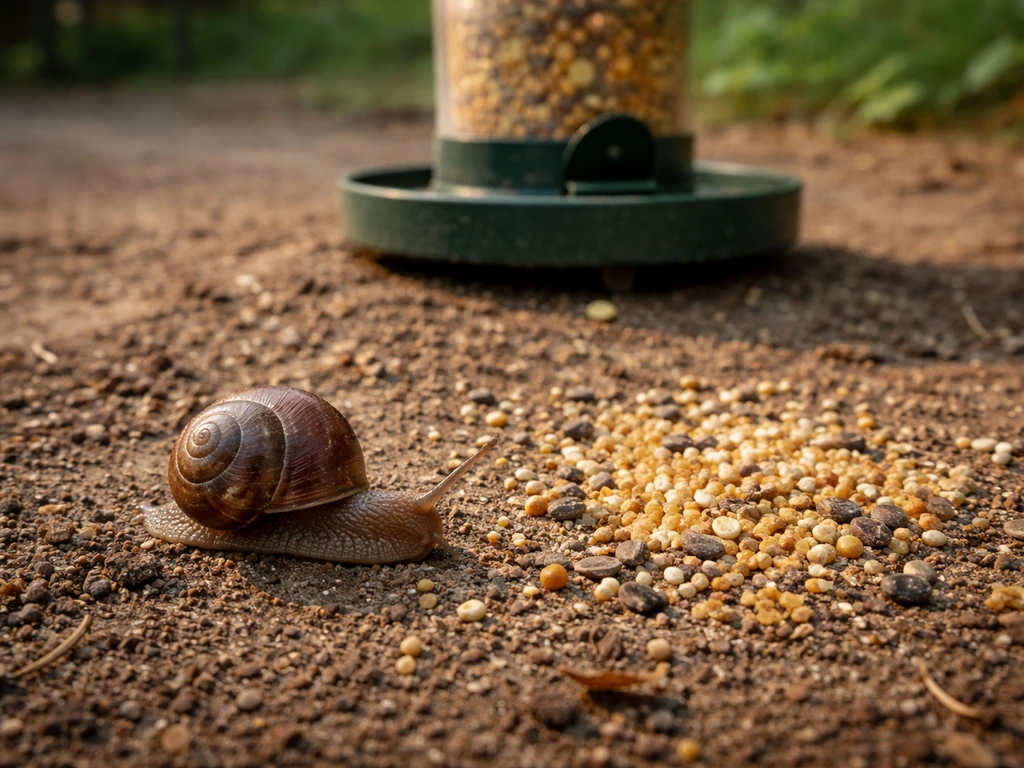
Yes, snails will eat bird seed, but they're not after the seed itself the way a squirrel or mouse is. What draws them in is moisture and decay. Spilled seed that's been rained on, sprouted millet clumping on the ground, or moldy hulls sitting under a feeder are exactly what snails are looking for. Dry seed sitting in a raised feeder? Lizards may also investigate scattered seed, though they do not primarily seek bird seed the way rodents do do lizards eat bird seed. They'll generally ignore it. The fix is less about keeping snails "away" and more about keeping your seed dry, cleaning up spills fast, and cutting off the damp, decaying conditions they need to thrive.
Do Snails Eat Bird Seed? How to Stop It Safely

Maya Collins
11 Jun 2026
Will snails actually eat bird seed?
Snails are generalist feeders. They'll consume living plant tissue, decaying organic matter, mold, and fungi. That last part is the key detail: wet or rotting bird seed is effectively a buffet for them. Millet, milo, sunflower hulls, and cracked corn (common components in most backyard seed mixes) become soft and begin to mold within hours in wet conditions. That fermenting, decaying material is exactly the kind of food snails seek out, the same reason you'll find them in compost heaps.
So yes, snails eat bird seed, but the conditions have to be right. Runners and other birds may still pick out seed, but wet, decaying seed is what draws snails in do roadrunners eat bird seed. Dry seed in a hanging feeder is not an accessible target. Ground-spilled seed that got rained on overnight? That's a real draw. Sprouted seed sitting in a damp tray? Even more so. The common thread is moisture and decomposition, not a snail preference for sunflower kernels specifically.
How snails feed and what they'll target near your feeder
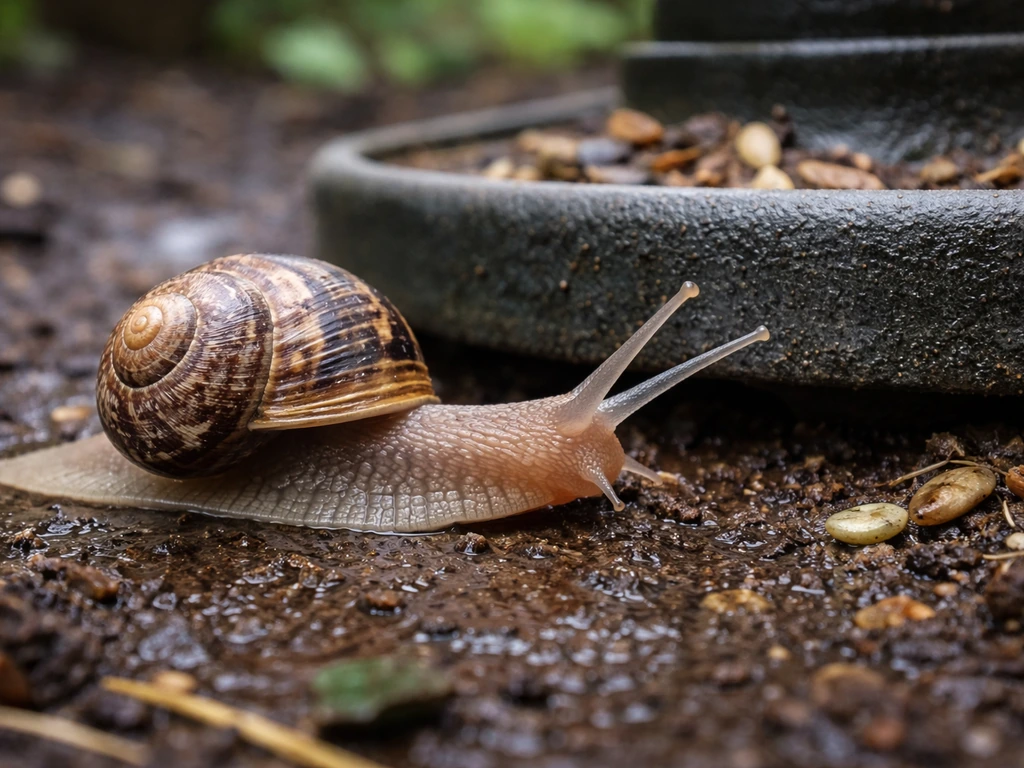
Snails are nocturnal and most active on damp nights, which is why you often don't see them in action. They move across surfaces using a muscular foot and feed by rasping material with a tongue-like structure called a radula. They don't crack hard shells, so whole, dry sunflower seeds are pretty much off the menu. What they can work with is seed that's already softened by water, started to sprout, or begun to break down.
Ground level is where snails operate. A raised tube feeder, especially one hung 5 feet or more above the ground, is effectively inaccessible to them. The risk zone is directly below your feeder: the patch of soil, mulch, or concrete where hulls and seed land every time birds feed. If that area stays moist and has seed buildup, snails will work it over at night. Slugs behave the same way and are worth mentioning here since they share the same preferences and show up under the same conditions.
Signs snails are visiting your feeder area
The most reliable confirmation is slime trails. Snails leave a distinctive silvery mucus track on hard surfaces like concrete, flagstone, plastic feeder trays, and the ground. Look for these early in the morning before they dry up. If you're finding trails around your feeder base, on the pole, or across the ground below the feeder, gastropods are almost certainly the culprit.
- Silvery, dried slime trails on hard surfaces near the feeder base or pole
- Irregular scraping or pitting on soft, wet seed or sprouted seed clusters
- Seed clumps disturbed or partially consumed overnight
- Small, dark fecal deposits on feeder trays or the ground
- Shell fragments from the brown garden snail (Cornu aspersum), a common backyard species across much of the U.S.
One thing worth checking: slime trails help you rule out other seed predators. Voles chew and create runway paths through ground cover. If you suspect voles near the feeder, the next question is whether they’ll also go after bird seed Voles chew and create runway paths through ground cover. .
Voles can also chew through stored seed and may leave runway paths near bird feeders. Voles can also be mistaken for other small pests when you notice damage around seed, but moles and their feeding habits are different voles chew and create runway paths through ground cover. Mice leave small droppings and gnaw marks. Doves and other ground-feeding birds leave feather fragments or footprints.
If you're not seeing slime, look at those other possibilities before assuming snails are the problem. Confirming the real culprit saves you a lot of wasted effort.
How to keep snails away without harming birds
The good news is that most effective snail exclusion around a bird feeder is completely bird-safe because it focuses on physical barriers and habitat changes rather than chemicals. Here's what actually works.
Raise and reposition your feeder
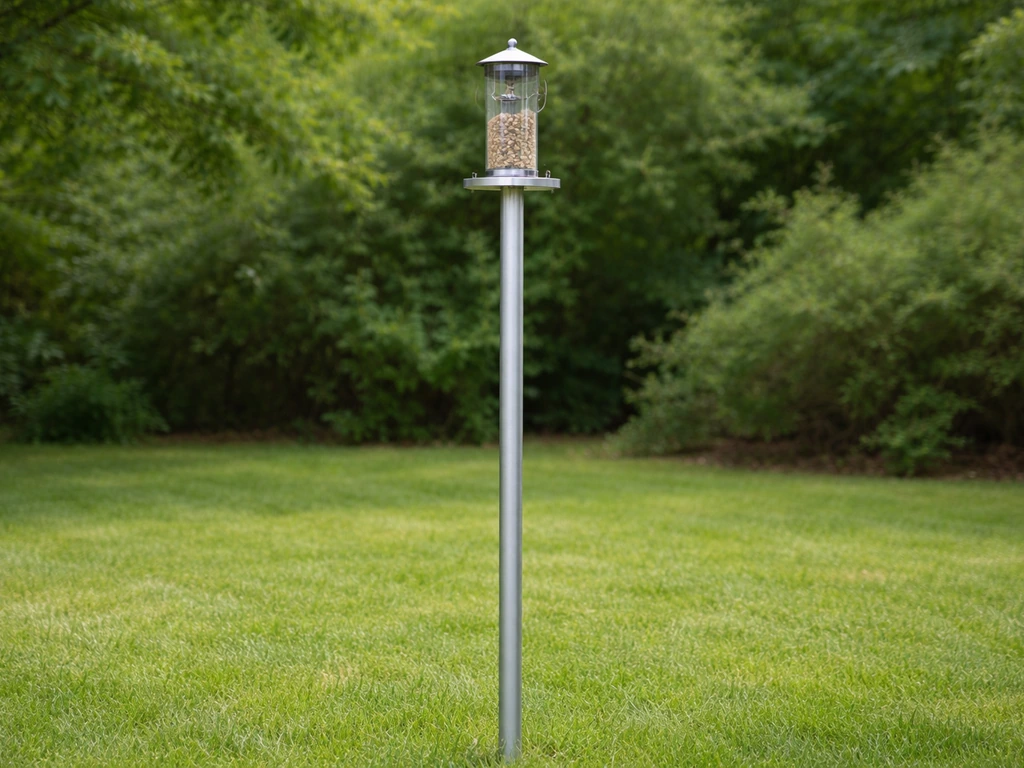
If your feeder is sitting on a post that touches the ground or is hung from a low branch, snails can reach it by climbing. Mount feeders on smooth metal poles at least 5 feet high. Snails can climb rough wood and brick but struggle on smooth, dry metal. A baffle (the same squirrel-deterrent dome you'd use for squirrels) placed below the feeder on the pole also physically blocks snail access. This alone eliminates the climbing route.
Use a copper barrier tape
Copper tape creates a mild electrical reaction when a snail's mucus contacts it, causing the snail to turn back. Wrap copper barrier tape around the base of your feeder pole or around the edge of a ground-level seed tray. A band at least 2 to 3 inches wide is more effective than a narrow strip. This works best when the tape stays clean and dry, so check it after rain and wipe it off if it gets coated with mud or debris.
Create a dry zone beneath the feeder
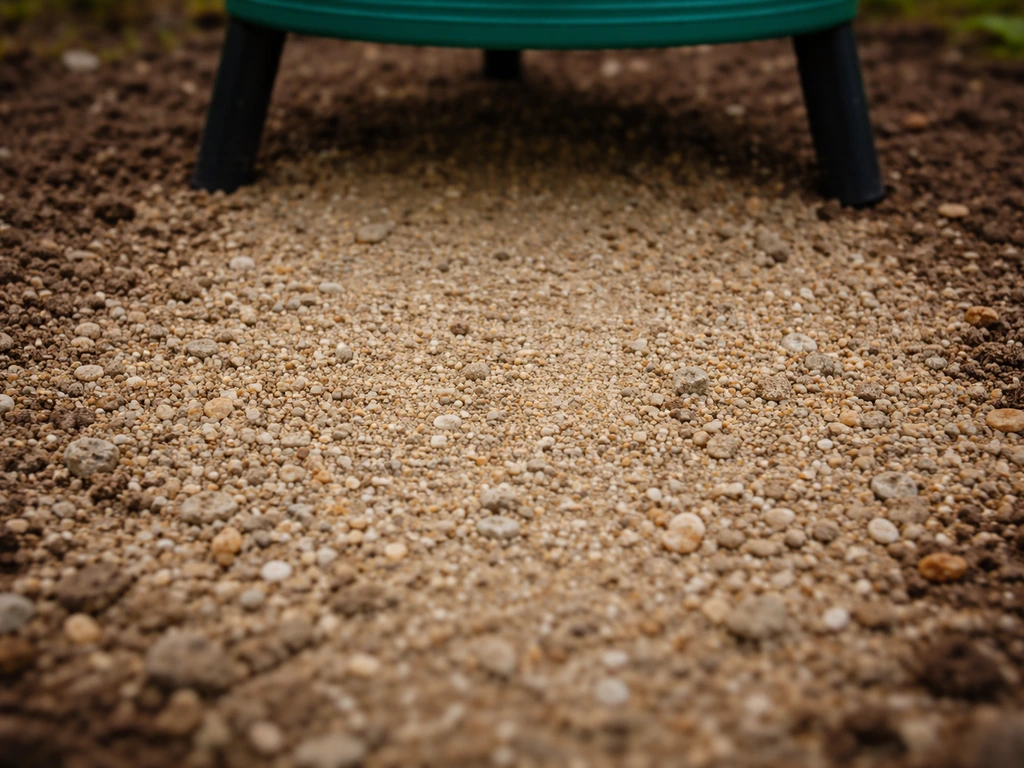
Snails need moisture to move and feed, so a dry surface below the feeder is a real deterrent. Lay a 2 to 3 foot square of coarse, dry gravel or sand directly under the feeder footprint. Snails avoid crossing dry, abrasive surfaces. Replace mulch or bare soil in that zone with the gravel, since mulch holds moisture and gives snails daytime hiding spots. This also makes seed cleanup much easier.
Eliminate hiding spots nearby
Snails shelter during the day under boards, dense mulch, stones, low ground cover, and plant debris. If any of those are within a few feet of your feeder, you're essentially providing free accommodation. Clear a buffer zone of about 3 feet around the feeder base: pull back mulch, remove any boards or flat rocks, and trim dense ground-level plants. Fewer hiding spots means lower snail populations in that area.
Seed handling habits that cut snail attraction
Snail problems around feeders are almost always a seed management problem first. Change how you handle seed and you remove most of what draws them in.
Clean up spilled seed daily (or at minimum every 2 days)
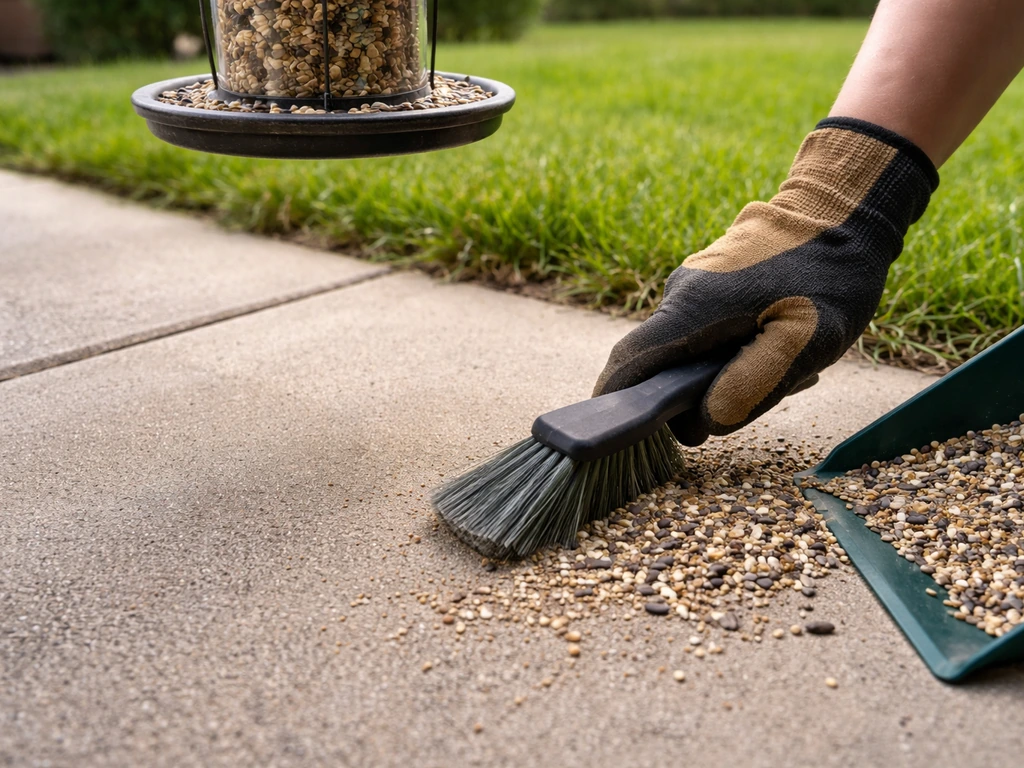
Sweep or rake the area under your feeder at least every two days, more often if it's been raining. A buildup of hulls and uneaten seed on damp ground is the single biggest snail attractant you can control. Dispose of the swept material in a bin, not in a pile nearby. Clemson HGIC recommends a monthly deep clean of the ground area, but in wet weather or active snail season, daily cleanup is more realistic and much more effective.
Remove or replace wet seed immediately
Seed that gets rained on or damp from condensation should come out of the feeder the same day. Remove wet seed from thistle feeders and compost it only in a way that keeps it controlled, since North Beach safe-feeding guidelines say wet seed should not be left out [Seed that gets rained on or damp from condensation should come out of the feeder the same day. ](https://www. northbeachmd.
org/community-conservation/files/safe-bird-feeding-guidelines). Discard it: Virginia DWR is direct on this point, advising you to throw out any seed that becomes wet or damp rather than let it sit. Wet seed molds within 24 to 48 hours in warm weather, and moldy seed is both harmful to birds and extremely attractive to snails. If you have a thistle (nyjer) feeder that got soaked, empty it completely and let it dry before refilling.
Don't scatter seed on the ground
Ground feeding by scattering loose seed on soil or even on a deck is a practice worth stopping entirely if snails are a problem. Virginia DWR specifically advises against it because of disease risk and because it attracts a wide range of other animals. If you want to feed ground-feeding species like doves, use a raised tray feeder with drainage holes so rain can pass through rather than pool. To keep doves from picking up seed meant for them, it helps to understand whether do doves eat bird seed and how to manage what falls to the ground.
Store seed properly indoors
Stored seed left in open bags in a garage or shed can attract snails, mice, and other pests. Keep seed in a sealed metal or hard plastic container with a tight-fitting lid. Store it off the ground on a shelf if possible. Seed stays fresh longer in dry, cool storage, which also reduces the chance you'll end up putting damp or partially moldy seed into feeders in the first place.
Troubleshooting: wet seed, mold, sprouting, and overlapping pests
If snails are showing up, there's usually a moisture or decay issue worth diagnosing more carefully. Here are the most common related problems and what to do about each one.
| Problem | Likely cause | Fix | Prevention |
|---|---|---|---|
| Seed clumping or molding in feeder | Rain intrusion or condensation | Remove all seed, scrub feeder with 9:1 water/bleach solution, dry fully before refilling | Add a feeder weather dome/roof; clean every 1–2 weeks, more in wet weather |
| Seed sprouting below feeder | Moist soil + uneaten seed, especially millet and milo | Rake up sprouts and spilled seed; dispose in sealed bin | Use hulled or sterile seed (heat-treated) to prevent germination |
| Seed disappearing overnight from ground | Snails, slugs, mice, or voles | Check for slime trails (snails/slugs) vs. gnaw marks or droppings (rodents) | Raise feeder, sweep nightly, eliminate ground scatter feeding |
| Slugs alongside snails | Same moisture and decay conditions attract both | Same exclusion steps apply; copper tape works for both | Dry ground zone, fewer hiding spots, quick spill cleanup |
| Mold inside feeder tray | Standing water, high humidity, slow seed turnover | Empty, scrub, and dry the tray; refill with smaller amounts birds can finish in 1–2 days | Drill extra drainage holes in tray; reduce fill amount in wet seasons |
Slugs and snails share essentially the same conditions and food preferences, so if you're seeing one, the other is likely nearby too. The exclusion steps above work for both. If you're also seeing signs of voles or mice (gnawed seed bags, runways in lawn, small droppings), those are separate issues worth addressing independently since rodents are less deterred by copper tape and dry surfaces.
Safe cleanup and when to consider additional snail control
Disposing of affected seed
Wet or moldy seed should not go back into a feeder or be scattered in the yard. Bag it in a sealed plastic bag and put it in the trash, or compost it in a closed bin away from the feeder area. Composting moldy seed in an open pile near the feeder just relocates the problem since snails actively feed in compost. If you're composting it, use a closed tumbler or a compost bin with a lid.
Cleaning the feeder after a snail visit
If snails have been on your feeder tray or pole, clean those surfaces before refilling. Empty the feeder completely, scrub all surfaces with a brush using a solution of one part bleach to nine parts water, rinse thoroughly, and allow to air dry completely before adding fresh seed. Penn State Extension recommends this kind of thorough scrubbing to remove mold and residue. Slime trails on hard surfaces can be rinsed off with water; no special cleaner needed.
When to use snail bait (and how to do it safely)
If physical exclusion and seed management haven't brought snail numbers down after two to three weeks, iron phosphate bait (sold under names like Sluggo) is the control method most compatible with a bird-feeding setup. Iron phosphate breaks down into iron and phosphate in the soil and is not expected to harm pets, birds, or wildlife when used as directed. Avoid metaldehyde-based baits entirely in any area where birds or pets are present: they are toxic to both.
Apply iron phosphate bait around the perimeter of the feeder area in the evening (when snails are active), not directly under the feeder where birds forage. Follow label directions for the specific product. A combination approach always works better than bait alone: fix the moisture and cleanup issues first, use bait as a supplemental measure, and you'll see results much faster than relying on bait without fixing the underlying attraction.
One final note: if you're in a wetter climate like the Pacific Northwest, where the brown garden snail and several slug species are especially active, you may need to do this maintenance more consistently than someone in a drier region. USU Extension’s IPM ornamental pest guide for the brown garden snail (Cornu aspersum) similarly frames brown garden snail activity around backyard conditions and emphasizes species-specific, moisture-focused management. Snail populations are directly tied to local moisture levels, so your cleanup and exclusion schedule should scale with how much rain you're getting. In dry summers, the problem often resolves on its own once you fix the seed spill issue.
FAQ
If my bird seed is dry, will snails still eat it?
Yes, but it is usually indirect. Snails do not typically eat intact, dry kernels, they prefer softened or moldy material. If you see snail damage on seed, it often means moisture is getting into the tray area (rain, condensation, or spilled damp seed on the ground).
Will snails eat seed from a hanging feeder?
Usually no. Hanging tube feeders and fully covered feeders keep seed off the ground and out of the damp, decomposing zone snails need. The main exceptions are when seed falls and accumulates below the feeder, or when the feeder tray collects water.
How can I tell for sure that snails are the culprit and not something else?
Look for silvery, glossy trails that appear after night activity and fade as they dry. Also check the surfaces snails can traverse (pole, tray rim, nearby stones or concrete) and the ground directly under the feeder where hulls land.
Why does copper tape sometimes not stop snails?
Copper barriers work best when they are kept clean and dry, and the barrier is wide enough. If the copper strip gets muddy, covered with seed hulls, or is only a narrow band, it can lose effectiveness. Rewipe and recheck after rain.
What feeder setup makes snails more likely to reach the tray?
If the feeder is low or the pole touches the ground, snails can climb up and reach the tray. Use a smooth metal pole, ensure the mounting creates no contact with the ground or low branches, and add a baffle under the feeder to block the climbing route.
Do slugs eat bird seed the same way snails do?
Slugs and snails are both attracted to wet, decaying material, so bait and exclusion can reduce both. If you see trails plus missing seed near moist areas, treat it as a combined slug and snail problem rather than trying to target only one.
How often should I clean under the feeder to stop snail activity?
Cleanups work faster if you do them on a tight schedule, especially after rain. A practical approach is to sweep/rake at least every two days, and daily during active wet weather, removing hulls and uneaten seed from damp ground.
Should I compost or reuse seed after it gets wet?
Yes. Sprouting and fermenting in wet conditions is a major attractant. Remove any seed that becomes wet or damp, empty soaked thistle or millet feeders, and let feeder trays fully dry before refilling.
Can I compost moldy bird seed to get rid of it safely?
Do not. Moldy or damp seed should be sealed and disposed of, because open piles near the feeder can keep attracting snails. If you compost, use a closed tumbler or lidded bin far from the feeding zone.
Where exactly should I place iron phosphate bait around a feeder?
Iron phosphate is most effective when placed around the perimeter of the active area in the evening, not directly where birds feed. Putting bait under a feeder increases the chance birds and other non-target animals contact it.
What should I check if snails keep returning after I start exclusion and cleanup?
If you are already correcting moisture and doing cleanup, but numbers do not drop after about two to three weeks, reassess your access points (baffle condition, feeder height, ground contact), and confirm you are addressing the damp, seed-buildup zone the snails are using.
Do I need a different strategy in a rainy climate?
In wetter climates you generally need more consistent maintenance because moisture persists longer and seed molds faster. Plan for more frequent sweeping, faster seed removal after rain, and more reliable barrier upkeep during rainy periods.
Next Articles
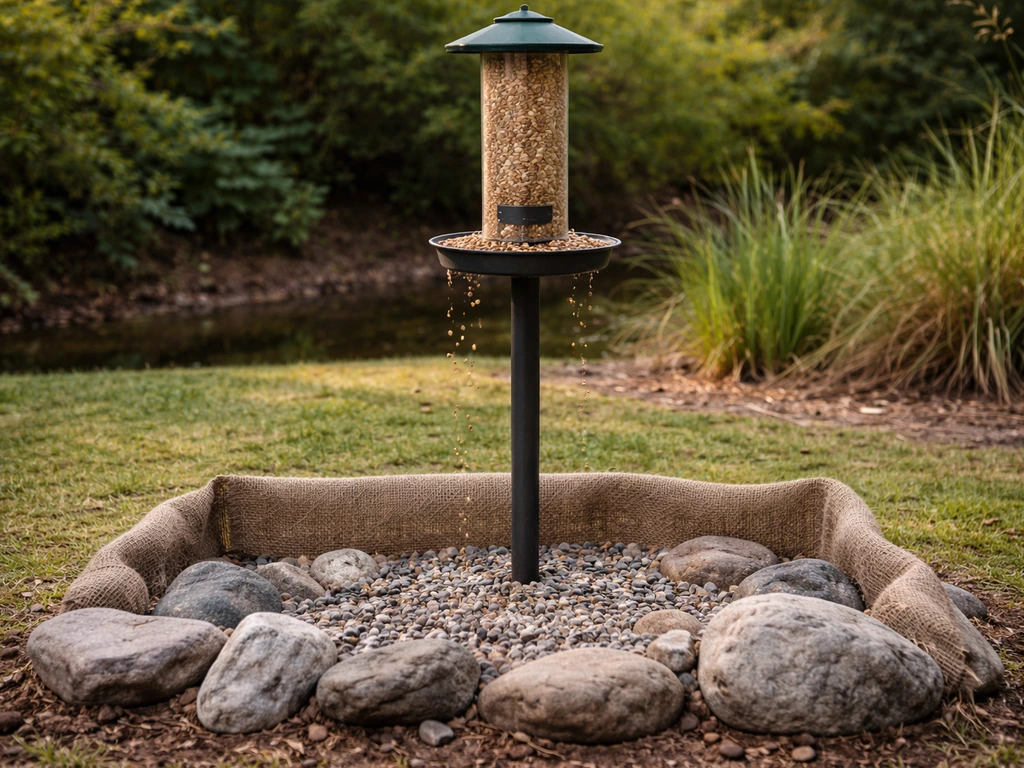
Do Water Voles Eat Bird Seed? What to Do in Your Yard
Find out if water voles eat bird seed, why they do, and how to stop ground access while protecting birds.
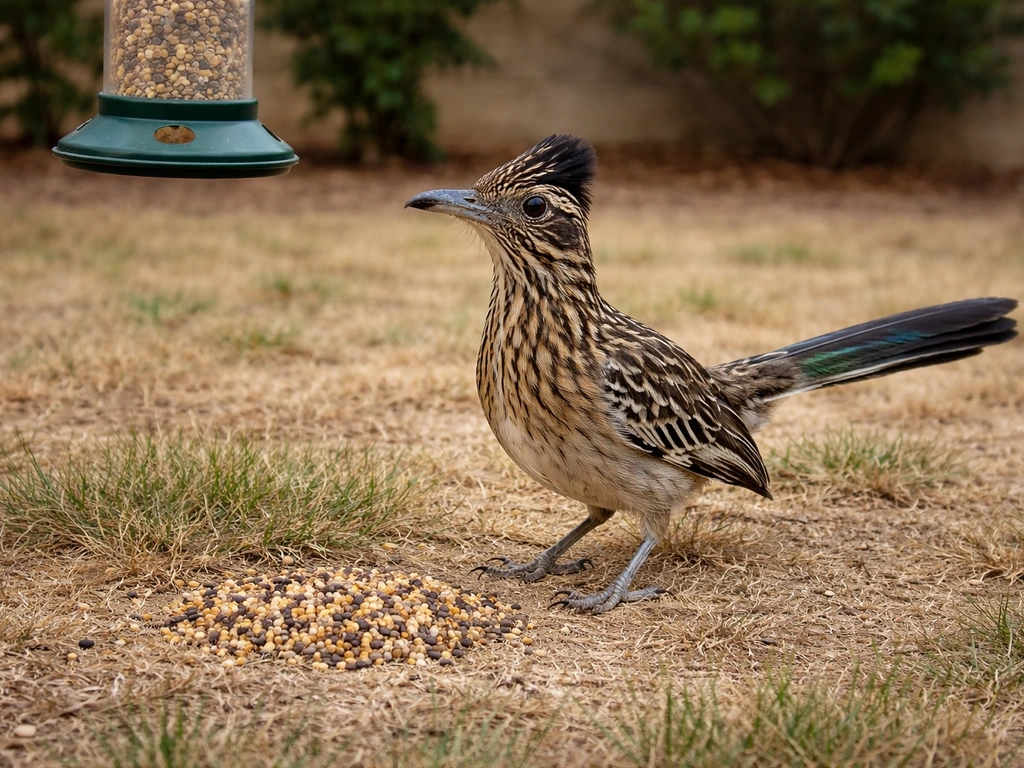
Do Roadrunners Eat Bird Seed? What to Expect and Fix
Find out if roadrunners eat bird seed, which seeds attract them, and how to stop spillage safely.
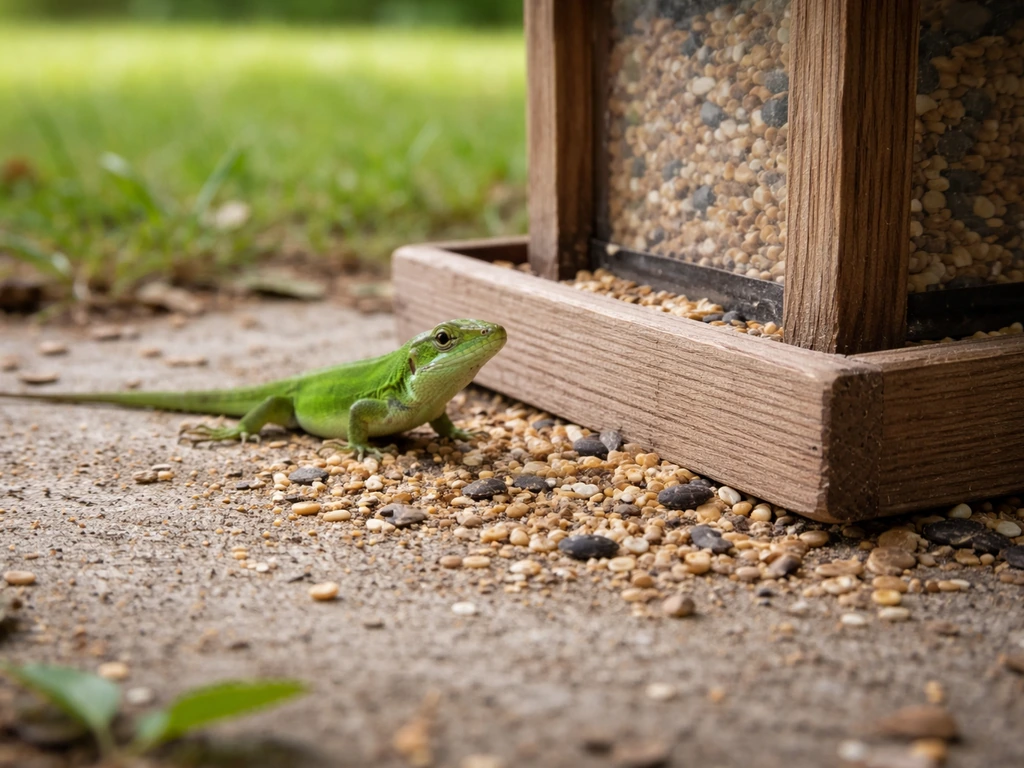
Do Lizards Eat Bird Seed? What to Expect and How to Stop It
Learn if lizards eat bird seed and how to stop them with feeder, cleanup, and storage tips plus myth-busting.